
Saudi-UAE Reconciliation Signals Amid Iran Tensions
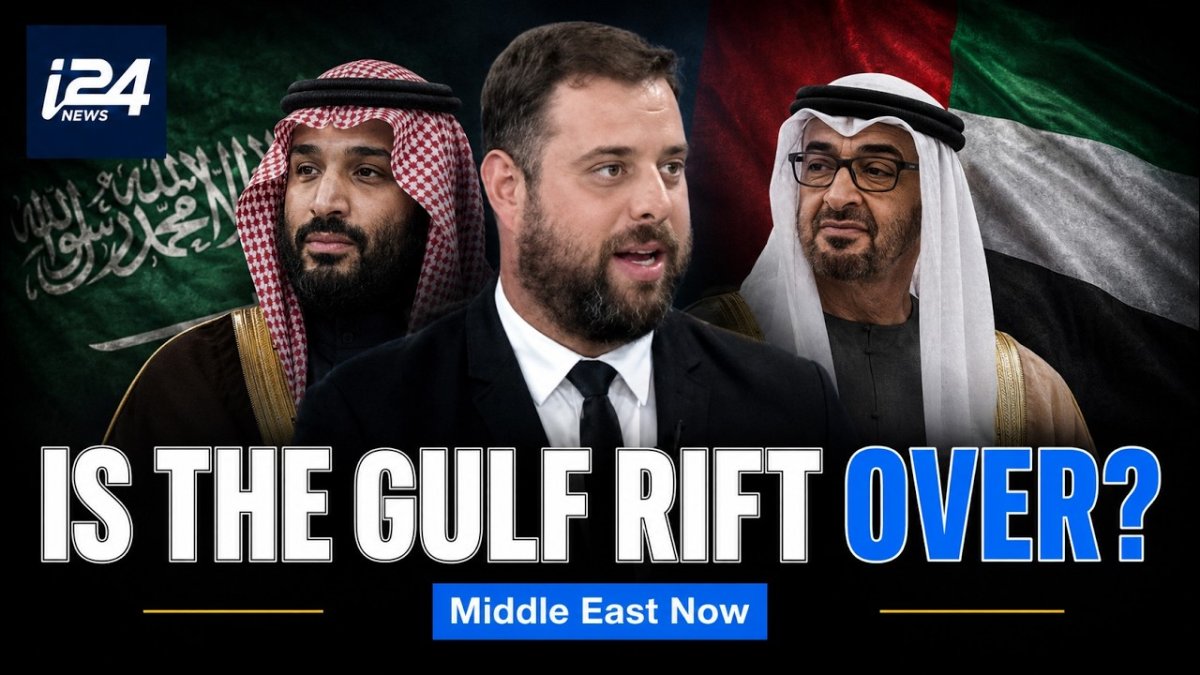
In a recent i24NEWS report, the coordinated social media posts by senior Saudi and UAE officials on July 21, 2026, at exactly 7:00 pm Riyadh time drew immediate attention across the Gulf. Saudi Minister of Media Salman Al-Dosary posted that the relationship between the Kingdom and the Emirates is a relationship between two peoples united by a shared history and heritage, and wise leadership in both countries.
In a recent i24NEWS report, the coordinated social media posts by senior Saudi and UAE officials on July 21, 2026, at exactly 7:00 pm Riyadh time drew immediate attention across the Gulf. Saudi Minister of Media Salman Al-Dosary posted that the relationship between the Kingdom and the Emirates is a relationship between two peoples united by a shared history and heritage, and wise leadership in both countries. Chairman of UAE National Media Authority Abdulla bin Mohamed Alhamed wrote that Emirati-Saudi relations are an extension of a shared history and deep-rooted fraternal ties between two brotherly peoples, united by a single destiny. Both messages instructed media outlets to reflect the positive aspects of the relationship and avoid undermining them.
Saudi-UAE Reconciliation Signals Amid Iran Tensions
Tel Aviv, Israel — The carefully synchronized social media campaign by senior Saudi and UAE officials on July 21 signals a deliberate effort by the two Gulf powers to project unity after months of friction that threatened to undermine regional stability at a critical moment in the ongoing Iran war.
Public Signals of Reconciliation
A photo emerged showing Saudi Defense Minister Khalid bin Salman with UAE Vice President Sheikh Mansour bin Zayed, arms around each other's shoulders. Dr. Anwar Gargash, diplomatic adviser to UAE President Sheikh Mohamed, called the unity display the biggest story in the region. These actions followed months of visible tension between the two Gulf monarchies and came at a precise synchronized time on July 21, 2026.
Origins of the Saudi-UAE Rift
The May 2026 UAE exit from OPEC stemmed from prolonged disputes over production quotas, with Abu Dhabi arguing that its expanded capacity of 4.2 million barrels per day warranted a higher allocation than the 3.5 million barrels set by Riyadh. UAE Energy Minister Suhail Al-Mazrouei publicly stated that the kingdom's dominance in OPEC+ decisions ignored Emirati investments in offshore fields like Upper Zakum. This move followed failed negotiations in Vienna where Saudi Arabia pushed for extended cuts to stabilize prices amid global demand fluctuations.
In Yemen, the Saudi-led coalition clashed with UAE-backed forces of the Southern Transitional Council under Aidarus al-Zoubaidi, particularly after STC advances toward Marib in early 2026 threatened Riyadh's border security. Saudi officials accused Abu Dhabi of arming separatist militias that diverted resources from Houthi fronts. Meanwhile in Sudan, Riyadh supported General Abdel Fattah al-Burhan's Sudanese Armed Forces while the UAE backed Mohamed Hamdan Dagalo's Rapid Support Forces, leading to proxy clashes reported in Port Sudan by December 2025.
Diplomatic friction intensified with canceled bilateral visits in November 2025 and a leaked memo from Saudi Foreign Minister Faisal bin Farhan criticizing UAE influence in Horn of Africa ports. These incidents eroded trust built since the 2017 Gulf blockade of Qatar.
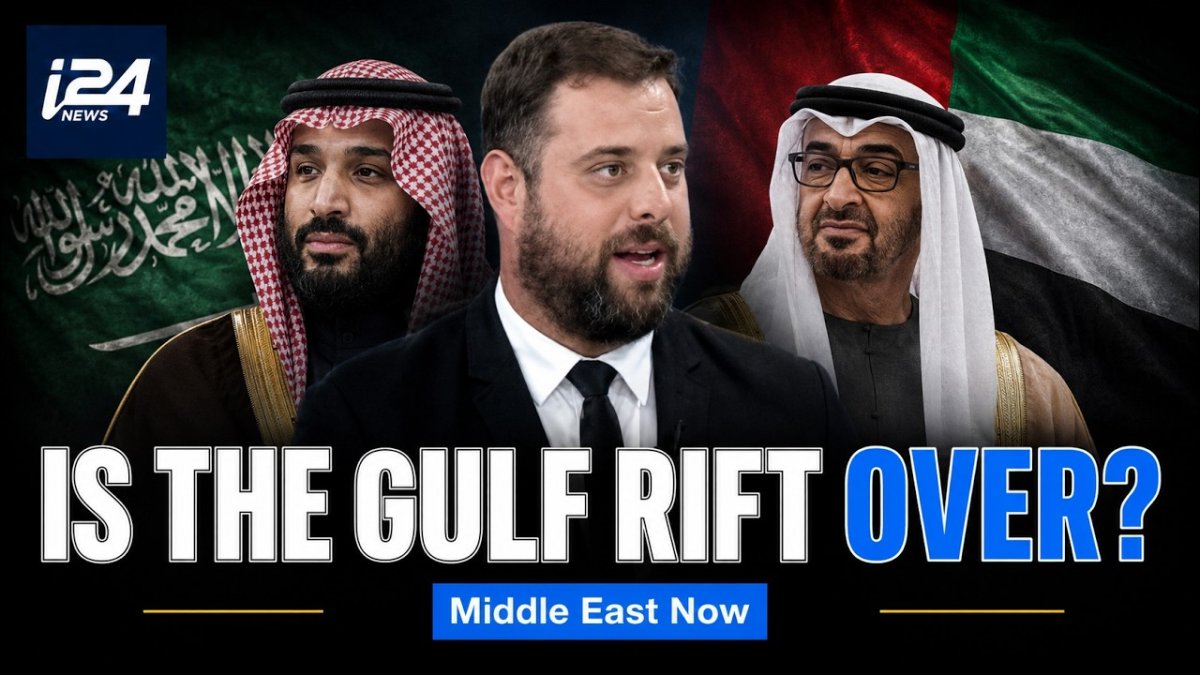
The two Gulf heavyweights saw interests diverge for years on oil quotas and geopolitics. In May 2026, the UAE left OPEC, the oil producers' group effectively led by Riyadh. Disagreements came into the open over support for opposing sides in the Yemen war. Saudi Arabia accused the UAE of pressuring Yemen's STC to push towards the kingdom's borders. The rift also extended to the Sudan conflict and Iran strategy.
Pressure from the Iran War
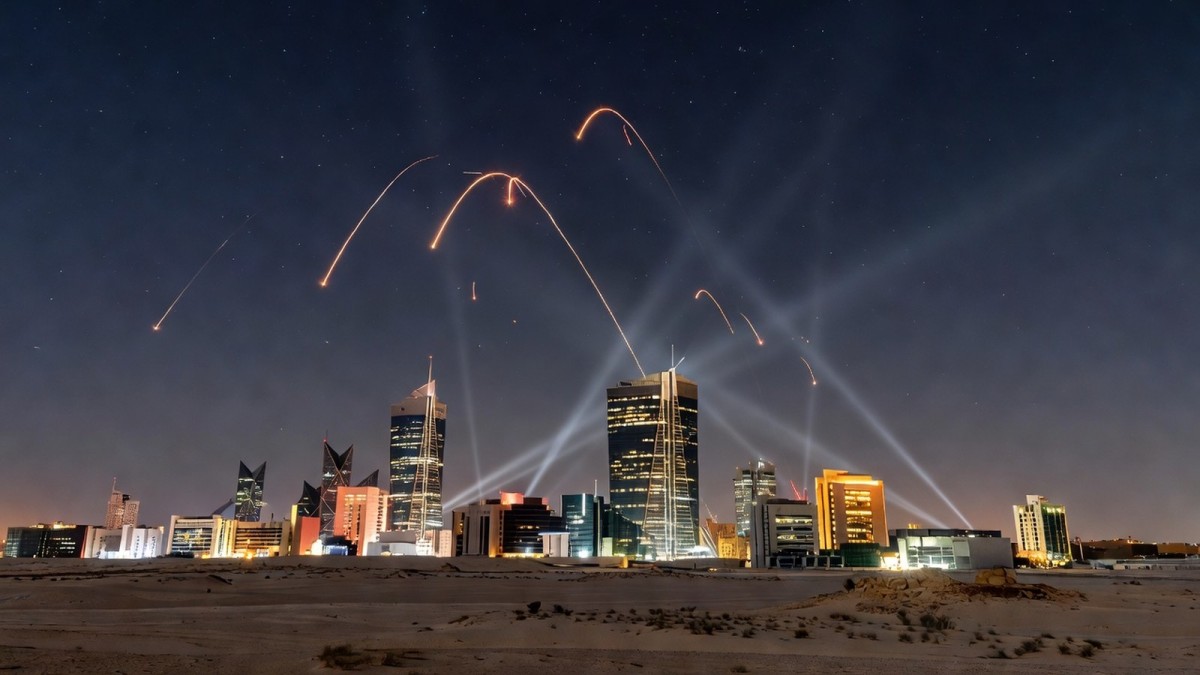
The Iran war that erupted on February 28, 2026, with missile strikes on Saudi Aramco facilities in Dhahran forced immediate Gulf recalibration. Iranian Revolutionary Guard Corps units targeted shipping lanes, raising fears of Strait of Hormuz closure that handles 21 percent of global oil trade. UAE and Saudi energy ministers coordinated emergency tanker rerouting through the Red Sea, yet both nations faced Iranian drone incursions near Abu Musa island by March 2026.
Bahrain reported direct hits on its Sitra refinery in April 2026 according to i24NEWS dispatches, prompting Manama to invoke GCC defense protocols. This incident highlighted vulnerabilities in shared airspace, where Iranian ballistic missiles with 1,500-kilometer range threatened all six GCC capitals. Joint radar integration became essential to counter Tehran's asymmetric tactics.
Analysts noted that without unified command structures, fragmented responses could invite further Iranian probes into Kuwaiti and Qatari waters. The July 21 synchronized messaging thus served as a public signal to Tehran that internal divisions would not weaken collective deterrence.
The war in Iran, which began February 28, 2026, added pressure for Gulf coordination. The coordinated media campaign on July 21, 2026, suggests a deliberate effort to project unity amid the Iran war. Both countries faced the need to align messaging at a time when regional instability had increased following the outbreak of hostilities.
Israeli Monitoring of Gulf Dynamics
Israeli officials have watched the Saudi-UAE dynamic closely, as both countries normalized relations with Israel through the Abraham Accords. The UAE normalized in 2020, while Saudi normalization remains ongoing. The rift threatened Gulf Cooperation Council (GCC) unity at a time of regional instability. Israeli security assessments in Jerusalem and Tel Aviv track how divisions between Riyadh and Abu Dhabi could affect coordination against shared threats.
Mossad assessments compiled in Tel Aviv evaluate Gulf stability through satellite imagery of UAE naval bases and Saudi airfields, tracking potential joint deployments against Iranian naval assets. Shin Bet analysts focus on counter-espionage risks from Iranian operatives exploiting any lingering Saudi-Emirati mistrust in commercial sectors.
Israeli diplomats in both capitals, including envoys from the Foreign Ministry's Gulf desk, have conducted parallel talks since late 2025 to align positions on Iran sanctions enforcement. These engagements include briefings on Arrow missile defense interoperability that could extend coverage to GCC territories.
Israeli defense firms such as Israel Aerospace Industries stand to gain from expanded Gulf contracts for drone surveillance and cyber tools, particularly if coordinated military postures materialize. Such developments would reinforce the broader anti-Iran axis while bolstering Israel's qualitative military edge amid ongoing regional hostilities.
Implications for Regional Security
Under the Abraham Accords framework, UAE normalization with Israel in 2020 established intelligence-sharing channels that Riyadh now eyes for its own potential deal stalled since 2023. Saudi Crown Prince Mohammed bin Salman conditioned progress on Palestinian statehood assurances, yet UAE-Saudi alignment could accelerate trilateral military exercises involving Israeli systems.
Israeli security planners assess that sustained Riyadh-Abu Dhabi coordination would enhance early-warning networks against Iranian proxies in Iraq and Syria. This directly impacts Israel's southern front calculations, where Houthi threats from Yemen intersect with Gulf supply routes critical for Vision 2030 projects like NEOM.
Economically, unified Gulf oil policy might stabilize Brent prices near 85 dollars per barrel, supporting UAE diversification into AI and tourism while Saudi Arabia advances its 2030 non-oil GDP target of 65 percent. Defense procurement from Western suppliers could rise if GCC states pool resources for integrated air defenses.
The public display of unity on July 21, 2026, carries direct consequences for Israeli diplomacy and security planning. Sustained Saudi-UAE coordination strengthens the broader framework that includes the Abraham Accords and ongoing Saudi normalization talks. Israeli institutions such as the Foreign Ministry and IDF monitor whether the messages from Salman Al-Dosary and Abdulla bin Mohamed Alhamed translate into operational alignment on Iran-related issues. The presence of Khalid bin Salman and Sheikh Mansour bin Zayed in the circulated photo signals high-level military and political buy-in that could influence joint responses to threats originating from Iranian territory since February 28, 2026.
The synchronized posting at 7:00 pm Riyadh time highlights deliberate coordination between Saudi Arabia and the UAE. This timing conveys unified messaging on shared priorities, strengthening perceptions of strategic alignment. It serves as a tool for projecting stability and consensus, signaling to regional and international audiences that both nations are acting in concert amid evolving Gulf dynamics.
Gulf dynamics significantly shape the Abraham Accords' future. Saudi-UAE coordination influences normalization efforts with Israel, affecting Bahrain and other participants. Their joint stance can either bolster the accords' expansion or introduce constraints, determining resilience against Middle East tensions and capacity to sustain broader peace initiatives across the region.
Economic stakes remain substantial as Saudi Vision 2030 aligns with UAE diversification goals. Joint projects in energy, finance, and technology reduce oil reliance while boosting cross-border investments. This partnership enhances resilience, supports sustainable growth targets, and positions both economies competitively in global markets through shared infrastructure and innovation initiatives.
Unity between the two nations may gradually translate into coordinated policies on security and trade. Observers anticipate joint diplomatic moves and economic frameworks addressing common challenges. Sustained alignment will reveal whether rhetorical cooperation yields tangible outcomes, potentially reshaping regional strategies if commitments evolve into concrete, long-term actions.
Outlook for Lasting Coordination
Dr. Anwar Gargash described the July 21, 2026, display as the biggest story in the region, indicating that UAE leadership views the coordinated posts as significant. The emphasis in both messages on shared history and avoiding negative media coverage points to an effort to reset public narratives after the UAE's May 2026 exit from OPEC and disputes over Yemen and Sudan. For Israel, any durable reduction in Saudi-UAE friction supports stability along the southern and eastern fronts at a moment when the Iran war continues to shape Gulf calculations.
By Hannah Berg, Staff Writer
This article was produced with AI-assisted research and editorial support. Reporting is based on sources cited in the article.
What's Your Reaction?
 Like
0
Like
0
 Dislike
0
Dislike
0
 Love
0
Love
0
 Funny
0
Funny
0
 Wow
0
Wow
0
 Sad
0
Sad
0
 Angry
0
Angry
0
Israel Correspondent at Global1.News. Based in Tel Aviv, covering Israeli politics, security, technology, and society. Provides balanced, deeply-sourced reporting on one of the most closely-watched regions in the world.











Comments (0)