
Kinshasa's FICKIN Marks 13th Year with Films That Rhythm African Cultures
Kinshasa welcomed the 13th edition of its international film festival this July, drawing filmmakers and audiences to the Congolese capital for a celebration of African cinema that highlights stories rooted in local realities and continental connections. The event underscores how film serves as a vital thread in Central African cultural life, linking generations through shared narratives in a city long recognized as a creative hub. As screens light up across venues, FICKIN reinforces the power
Kinshasa welcomed the 13th edition of its international film festival this July, drawing filmmakers and audiences to the Congolese capital for a celebration of African cinema that highlights stories rooted in local realities and continental connections. The event underscores how film serves as a vital thread in Central African cultural life, linking generations through shared narratives in a city long recognized as a creative hub. As screens light up across venues, FICKIN reinforces the power of cinema to affirm identity and foster dialogue across the continent.
Kinshasa's FICKIN Marks 13th Year with Films That Rhythm African Cultures
Kinshasa, DRC — The Festival International du Cinéma de Kinshasa opened its 13th edition on July 8, 2026, at the Grande Halle de la Gombe, bringing together filmmakers and viewers for five days of screenings and exchanges. This gathering highlights the growing strength of Congolese and African cinema as a platform for authentic storytelling. The festival continues its mission to connect audiences with films made on the continent by its own creators.
FICKIN Returns: A Congolese Cinema Landmark
The 13th edition of FICKIN opened on July 8, 2026, at the Grande Halle de la Gombe in Kinshasa, marking another milestone for the Festival International du Cinéma de Kinshasa in the Democratic Republic of Congo. The theme "Quand le 7ᵉ art rythme nos cultures" (When the 7th art rhythms our cultures) frames the program around cinema's role in shaping and reflecting African identities. This focus resonates deeply in Kinshasa, where film has long served as a mirror for social realities and cultural pride.
FICKIN was founded in 2014 by Tshoper Kabambi, who also runs Bimpa Production, with the first edition screening 38 films to local audiences. That initial event laid the groundwork for what has become a key fixture in Central African cultural life. Over the years the festival has expanded steadily, building networks that support emerging talent and established directors alike.
The significance of FICKIN for Congolese and African cinema culture lies in its commitment to showcasing works that speak directly to regional experiences. In a capital like Kinshasa, where storytelling traditions run deep, the festival strengthens communal bonds through shared viewing. It positions cinema as both art and cultural anchor amid rapid urban change.
Since its start in 2014, FICKIN has grown from a modest program into a platform that attracts submissions from across Africa and beyond. Tshoper Kabambi's leadership has guided this development, ensuring the event remains grounded in local needs while reaching international scope. The progression reflects broader trends in African film industries seeking sustainable growth.
Early editions emphasized accessibility, screening films in venues that welcomed everyday viewers alongside professionals. This approach helped cultivate a dedicated audience base in Kinshasa that continues to support each new year. The 13th edition builds on that foundation with renewed energy.
Kinshasa's role as host city amplifies the festival's impact, turning public spaces into centers for reflection on heritage and contemporary issues. FICKIN now stands as a landmark that celebrates how Congolese stories contribute to the wider African cinematic landscape.
500 Films, 50 Selections: A Growing International Reach
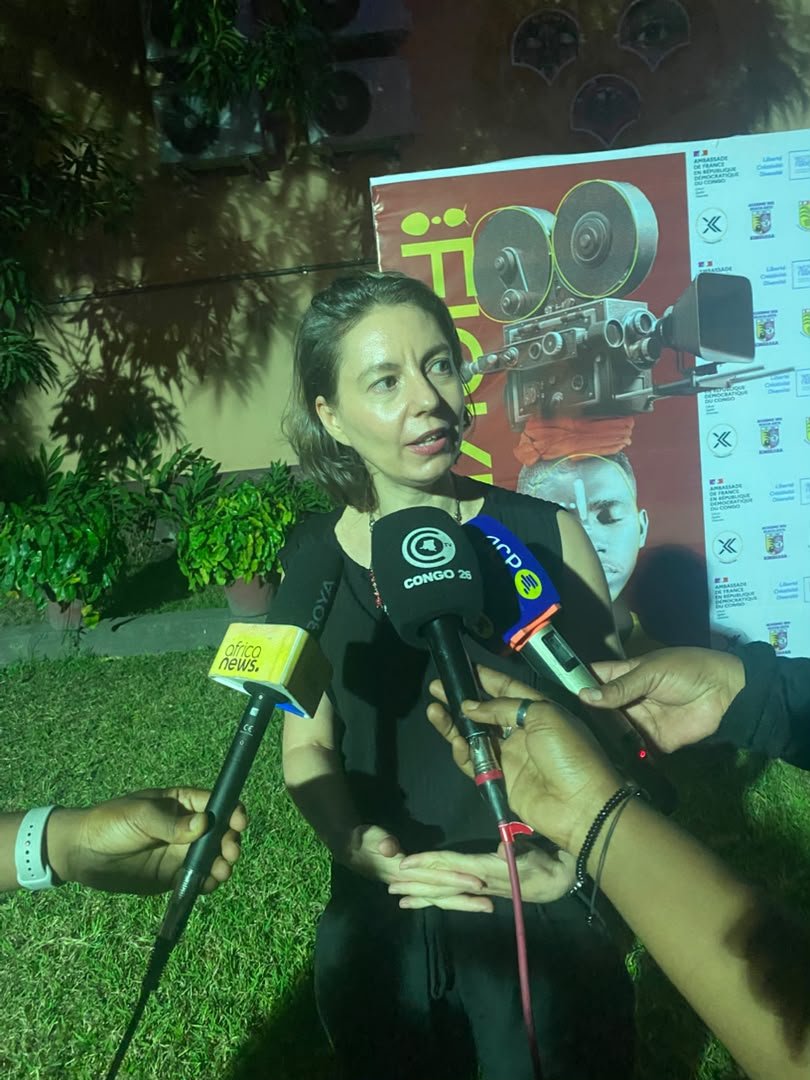
The 2026 edition received more than 500 film submissions from multiple countries, demonstrating rising global interest in FICKIN as a showcase for African voices. Organizers selected about 50 films from approximately 10 countries for the program. This volume underscores the festival's expanding reputation among directors seeking meaningful platforms.
Feature-length, medium-length, and short films fill the schedule across five days of screenings, workshops, master classes, and discussions. The mix allows audiences in Kinshasa to experience diverse formats that range from intimate shorts to ambitious narratives. Such variety mirrors the breadth of contemporary African production.
International interest in FICKIN has grown as filmmakers recognize its value as a dedicated space for African cinema. Unlike larger events, the festival maintains a focus on regional priorities while welcoming entries from farther afield. This balance attracts participants who value authentic engagement over commercial spectacle.
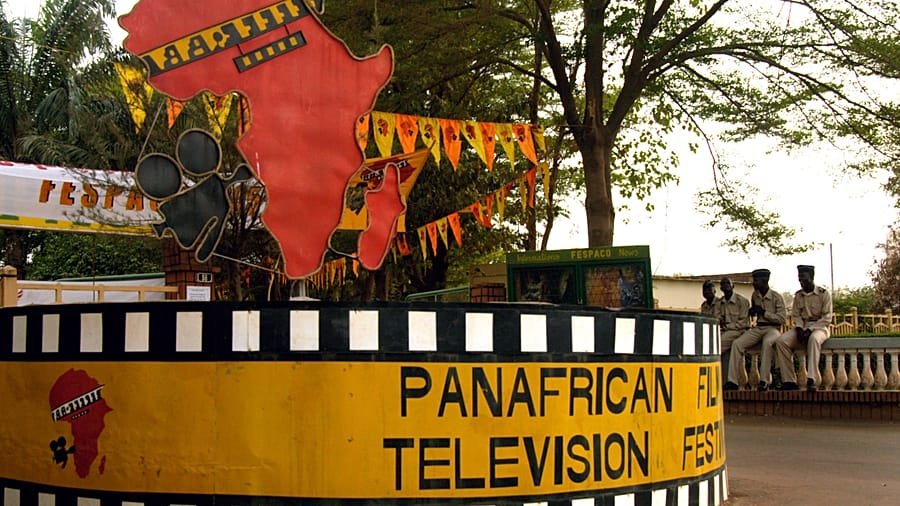
Comparisons to other African film gatherings like FESPACO highlight FICKIN's distinct position in Central Africa. While FESPACO draws crowds in Ouagadougou, FICKIN carves its niche in Kinshasa by emphasizing Congolese perspectives alongside continental works. Both festivals contribute to a network that strengthens the sector overall.
The selection process prioritizes stories that resonate with local realities, ensuring Kinshasa audiences see reflections of their own lives on screen. This approach has helped FICKIN build loyalty among viewers who return year after year. The 500-plus submissions reflect trust in that curatorial vision.
With entries spanning roughly 10 countries, the 2026 program illustrates how FICKIN serves as a bridge between national industries and broader African cinema movements. The five-day format keeps the event focused yet expansive enough to accommodate meaningful exchanges.
Founder's Vision: Africans Watching African Films
Tshoper Kabambi's founding vision from 2014 centered on the idea that Africans should watch African films and tell their own stories without intermediaries. He noted that most African films were not being seen in Africa by their own audiences, a gap the festival was created to address. This observation drove the establishment of FICKIN as a space for direct connection.
Kabambi has stated, "We created this festival to allow filmmakers and audiences to meet, and to discover films that we may never have the opportunity to see elsewhere." The quote captures the core purpose of bringing creators face-to-face with viewers in Kinshasa. Such encounters foster understanding that extends beyond the screen.
Workshops, master classes, discussions, and experience-sharing sessions run alongside screenings to deepen engagement. These activities give participants practical tools and insights drawn from real industry experiences. They reinforce FICKIN's role as more than a screening venue.
Many African films remain rarely screened on the continent itself, a challenge Kabambi identified early and sought to counter through consistent programming. By prioritizing local exhibition, FICKIN helps reverse patterns of external distribution that bypass African viewers. The result is a growing sense of ownership over cinematic narratives.
The experience-sharing sessions encourage open dialogue between established figures and newcomers, building a supportive community around Congolese film. Kabambi's emphasis on accessibility ensures these opportunities reach beyond elite circles. This inclusive approach sustains momentum across editions.
Through Bimpa Production and FICKIN leadership, Kabambi continues to advocate for structures that keep African stories circulating within Africa. The vision remains focused on empowerment through visibility and exchange.
Young Filmmakers Take the Spotlight
Ruphin Kalala, a young Congolese filmmaker, presents his feature film "Simon and Amos" at the festival, drawing inspiration from the biblical story of Joseph. The narrative explores themes of slavery, forgiveness, and living together in ways that resonate with contemporary Congolese society. Kalala's work exemplifies how emerging directors use FICKIN to reach wider audiences.
Kalala shared his feelings about the process with the words, "I feel like a mother — when a mother conceives a child, and nine months later the child grows up and is admired by everyone." This quote reflects the personal investment filmmakers bring to their projects. It highlights the emotional stakes involved in bringing stories to completion.
Benyamin Mwambi, another Congolese filmmaker, screens "L'amour doit voir" (Love Must See), a film that raises awareness about sickle cell disease, known locally as drépanocytose. The story encourages couples to get screened for hemoglobin compatibility before starting families. Mwambi's contribution adds a public health dimension to the festival's cultural offerings.
FICKIN serves as a launchpad for emerging Congolese directors like Kalala and Mwambi, offering visibility that can lead to further opportunities. The platform allows young voices to test their work before engaged local crowds. This support proves essential in an industry where distribution remains limited.
The presence of these films at the 13th edition demonstrates the festival's commitment to nurturing new talent alongside established names. Kalala and Mwambi represent a generation eager to address social issues through cinema. Their participation enriches the program with fresh perspectives rooted in Kinshasa life.
By featuring such works, FICKIN helps build pathways for Congolese filmmakers to sustain careers on the continent. The spotlight on young directors strengthens the overall ecosystem of African cinema.
Building African Cinema as an Economic Force
Kabambi envisions positioning cinema as a viable economic sector in Africa, drawing comparisons with Hollywood, Nollywood, and Bollywood as models of industry scale. He argues that structured support can transform film into a driver of jobs and revenue across the continent. FICKIN contributes to this goal by training engaged audiences who sustain demand.
African filmmakers often face challenges getting their films seen on the continent, a barrier the festival works to lower through consistent exhibition. Building distribution networks starts with events like FICKIN that create reliable viewing opportunities. These efforts lay groundwork for commercial viability.
The festival's role in training engaged audiences for African cinema proves central to long-term economic development. Viewers who attend regularly become advocates who support local productions. This audience base mirrors the loyal followings that sustain Nollywood and other regional industries.
Comparisons with Hollywood, Nollywood, and Bollywood illustrate both the potential and the gaps in African cinema infrastructure. FICKIN addresses some of those gaps by fostering ecosystems where films can find viewers and generate returns. The economic framing encourages investment in production and exhibition alike.
Experience-sharing sessions at the festival include discussions on funding, marketing, and distribution strategies tailored to African contexts. Participants leave with practical knowledge that supports their next projects. Such capacity-building aligns with Kabambi's broader economic vision.
By highlighting these dimensions, FICKIN contributes to a shift where African cinema moves from cultural expression alone toward recognized economic force. The 13th edition advances that trajectory in Kinshasa.
What This Means for Central African Culture
The DRC's rich cultural landscape finds expression through Kinshasa's role as a major Central African cultural hub, where music, visual arts, and now cinema intersect daily. FICKIN serves as a space for connection, reflection, and learning that strengthens these ties. Residents of the capital gain opportunities to engage with stories that affirm shared heritage.
The festival's broader impact on Congolese cultural identity and pride emerges through repeated exposure to films that center local voices. Viewers leave screenings with renewed appreciation for their own narratives. This effect ripples outward as participants share experiences within their communities.
The growing network of African film festivals across the continent, including FESPACO and others, creates pathways for collaboration that benefit events like FICKIN. Kinshasa's edition adds a Central African perspective to this continental movement. Together they amplify African cinema's global presence.
What comes next for FICKIN and Congolese cinema involves continued expansion of audience reach and production capacity. Kabambi's leadership points toward sustained growth that keeps the festival relevant amid evolving media landscapes. The 13th edition sets the stage for future achievements.
Kinshasa's cultural institutions benefit from the energy FICKIN brings each year, reinforcing the city's status as a creative center. The event encourages cross-generational dialogue that preserves traditions while embracing innovation. Such dynamics keep Central African culture vibrant and adaptive.
Ultimately, FICKIN demonstrates how film festivals can anchor cultural pride while opening doors to economic and artistic possibilities. The 2026 gathering in Kinshasa carries that promise forward for the region.
By Amara Diop, Staff Writer
This article was produced with AI-assisted research and editorial support. Reporting is based on sources cited in the article.
What's Your Reaction?
 Like
0
Like
0
 Dislike
0
Dislike
0
 Love
0
Love
0
 Funny
0
Funny
0
 Wow
0
Wow
0
 Sad
0
Sad
0
 Angry
0
Angry
0

West Africa/Sahel Correspondent at Global1.News. Dakar-based journalist covering politics, security, climate, and development across Francophone and Anglophone West Africa. Tells the stories of a region undergoing profound transformation.












Comments (0)