
3 OFWs Wounded in Kuwait Airport Drone Strike | DMW
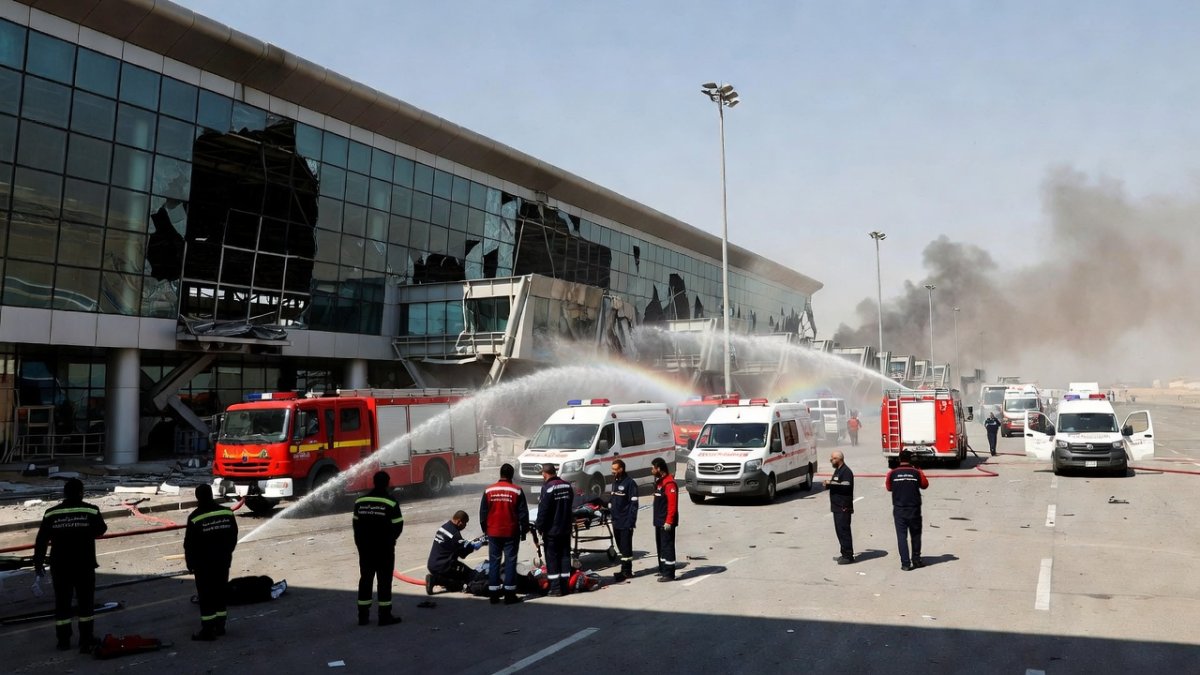
What Happened: The Drone Strike on Kuwait International Airport The attack unfolded on June 3 when drones and missiles struck Kuwait International Airport, causing severe damage to several airport facilities and forcing the complete suspension of all operations. Kuwaiti state media reported that the incident also affected diplomatic missions in the area, though specific locatio
What Happened: The Drone Strike on Kuwait International Airport
The attack unfolded on June 3 when drones and missiles struck Kuwait International Airport, causing severe damage to several airport facilities and forcing the complete suspension of all operations. Kuwaiti state media reported that the incident also affected diplomatic missions in the area, though specific locations were not identified. This sudden escalation disrupted travel and daily routines for many in the region, including Filipino workers who rely on the airport for their livelihood and connections back home.
The strike wounded 63 individuals and tragically killed one Indian national, according to the same Kuwaiti state media reports. The damage extended beyond the terminals, highlighting the vulnerability of critical infrastructure in the Middle East where so many OFWs have built their lives. Communities in the Philippines, from bustling barangays to quiet provinces, felt the ripple effects as news traveled quickly through family networks.
Following U.S. military strikes on Qeshm Island, the situation escalated when Iran launched attacks on Kuwait and Bahrain. This chain of events turned a regional tension into a direct threat at a major hub used by countless Filipino families for remittances and reunions. The airport, once a gateway for dreams and hard-earned savings, became a site of immediate concern for our kababayan.
Three OFWs Among the Wounded
Three Filipino workers were injured in the drone strike, bringing the human cost of the conflict directly to OFW communities. The Department of Migrant Workers confirmed that two of the injured OFWs were treated for smoke inhalation, a condition that can linger and affect breathing long after the initial incident. The third worker needed stitches for wounds to the hand and head, underscoring the physical toll these events take on those far from home.
These injuries remind us how quickly life can change for Filipinos working abroad to support their loved ones in the barangay. Smoke inhalation often requires careful monitoring, while stitches signal deeper trauma that families back home worry about during sleepless nights. The DMW's quick acknowledgment of these cases shows the personal stakes involved for every OFW family waiting for updates.
With 63 people wounded overall, the three Filipinos represent a small but significant part of the broader impact on migrant workers. Their stories echo across Philippine households where remittances from Kuwait help pay for education, medical bills, and daily needs. The wounds, though treated, highlight the resilience required of our workers who continue to serve their families despite such risks.
DMW Response Under Secretary Cacdac
DMW Secretary Hans Leo Cacdac stated that the agency is actively monitoring the situation to ensure the safety of affected OFWs. This hands-on approach reflects the department's commitment to protecting Filipino workers in times of crisis, coordinating with local authorities in Kuwait for timely updates. Families in the Philippines can take comfort knowing that their loved ones are not forgotten amid the chaos.
The DMW has focused on verifying the conditions of the three injured workers and providing necessary support. Secretary Cacdac's leadership emphasizes quick communication with embassies and medical teams on the ground. Such efforts help bridge the distance between Kuwait and Philippine communities, where every piece of news brings both relief and concern.
Through these actions, the DMW demonstrates its role as a vital lifeline for OFWs. Monitoring extends beyond the immediate injuries to tracking any further developments at the airport. This dedication strengthens the bond between the government and Filipino families who depend on overseas work for their future.
Safety Advisory for 2.2 Million OFWs in the Middle East
The DMW has advised all OFWs in the country to stay indoors and avoid unnecessary travel following the attack. This practical guidance aims to minimize exposure to potential dangers while operations at the airport remain suspended. For workers in Kuwait, it means adjusting daily routines and relying on community networks for support during this period.
Staying indoors carries implications for OFW families who count on steady income from remittances to sustain households back in the barangay. The advisory encourages caution without halting the spirit of resilience that defines Filipino migrant workers. Many will use this time to connect with relatives through calls, sharing updates that ease worries across oceans.
The recommendation applies broadly to OFWs in the Middle East, recognizing the interconnected nature of regional tensions. By prioritizing safety, the DMW helps protect not just individuals but entire family structures that depend on their continued well-being. This step reinforces the value placed on every kababayan working far from home.
The Geopolitical Fallout: Kuwait Blames Iran, Iran Denies
The Kuwaiti government blamed Iran for the attack, linking it directly to the earlier U.S. military strikes on Qeshm Island. In response, Iran launched attacks on Kuwait and Bahrain, escalating the conflict and affecting civilian areas including the airport. This blame game adds layers of uncertainty for OFWs caught in the middle of international disputes.
Iran's Revolutionary Guard denies targeting Kuwait International Airport, claiming that the damage to a passenger terminal resulted from a malfunctioning US-made Patriot missile system. Such conflicting accounts leave room for confusion among workers and their families monitoring the news from the Philippines. The denial shifts focus to technical failures rather than intentional strikes.
These exchanges highlight the complex web of regional politics that impacts Filipino communities abroad. The incident followed U.S. actions, creating a cycle that threatens the stability OFWs seek when they leave home for better opportunities. Understanding these dynamics helps families prepare for potential disruptions in daily life and income flows.
Impact on OFW Families Back Home in the Philippines
Families in Philippine barangays wait anxiously for news about their loved ones working in Kuwait, especially after learning of the three injured OFWs. Remittances that fund schooling, housing, and medical care for relatives become uncertain when airports suspend operations and workers are advised to stay indoors. The human stories behind each injury touch hearts across the nation.
The wounds from smoke inhalation and stitches represent more than physical pain; they symbolize the sacrifices OFWs make to support their communities. Relatives gather in homes, sharing updates via messages and hoping for quick recoveries that allow work to resume. This event brings the realities of overseas employment closer to everyday Filipino life.
Community support networks in the Philippines often rally around affected families, offering prayers and practical help during such crises. The incident at Kuwait International Airport serves as a reminder of the vulnerabilities tied to remittances that sustain so many households. Warm bonds between workers and their kin remain strong despite the distance and danger.
What This Means for Philippine Foreign Policy
The drone strike and resulting injuries prompt renewed focus on protecting OFWs through diplomatic channels with host countries like Kuwait. Philippine officials must balance relations while prioritizing the safety of migrant workers who contribute significantly to the economy via remittances. This incident underscores the need for stronger evacuation plans and coordination with the DMW.
Foreign policy considerations now include assessing risks in the Middle East where many Filipinos work. The DMW's monitoring role expands in such times, influencing how the government organizes assistance and advisories. Families in the Philippines look to these efforts for reassurance that their breadwinners are valued and protected.
Diplomatic missions damaged in the attack add another layer of complexity, requiring careful navigation to ensure continued support for OFWs. The event calls for policies that enhance worker safety without disrupting the vital flow of support back to barangays. Philippine leadership faces the ongoing challenge of safeguarding its citizens abroad amid global tensions.
How OFWs and Their Families Can Stay Informed
The DMW provides hotlines and updates through official channels to keep OFWs and their families connected during this period. Checking with the Philippines embassy in Kuwait offers another reliable source for the latest advisories on travel restrictions and safety measures. Staying informed helps reduce anxiety for those waiting in the Philippines.
Families can organize regular check-ins with workers abroad, using these resources to confirm well-being and any changes in the situation. The embassy serves as a center for assistance, guiding OFWs on next steps if further incidents occur. Practical advice includes following DMW instructions closely while maintaining community ties back home.
By using these tools, OFWs and relatives build resilience against unexpected events like the June 3 strike. Information from trusted sources empowers families to plan and support one another, reinforcing the strong networks that define Filipino migrant experiences. Continued vigilance ensures that everyone remains prepared for whatever comes next.
By Bella Reyes, Staff WriterThis article was produced with AI-assisted research and editorial support. Reporting is based on sources cited in the article.
What's Your Reaction?
 Like
0
Like
0
 Dislike
0
Dislike
0
 Love
0
Love
0
 Funny
0
Funny
0
 Wow
0
Wow
0
 Sad
0
Sad
0
 Angry
0
Angry
0

Philippines/Southeast Asia Correspondent at Global1.News. Manila-based journalist covering Philippine politics, environment, maritime security, and social issues. Passionate about marine conservation and the communities protecting the Philippines' natural heritage.










Comments (0)