
Rupert Lowe Dunblane 'One Murder' Remark Sparks Outrage
**Keywords:** Rupert Lowe, Dunblane massacre, Joe Rogan podcast, handgun ban, Restore Britain, Snowdrop Campaign, Thomas Hamilton, Great Yarmouth MP, political outrage, UK gun laws, Scottish politics, Keir Starmer, Reform UK The Podcast Exchange That Ignited Outrage Rupert Lowe, the Restore Britain leader and Great Yarmouth MP, appeared on the Joe Rogan podcast and casually ref
The Podcast Exchange That Ignited Outrage
Rupert Lowe, the Restore Britain leader and Great Yarmouth MP, appeared on the Joe Rogan podcast and casually referred to the Dunblane massacre as "one murder." The remark came during a discussion about the 1997 handgun ban, which Lowe claimed stemmed from that single incident. Rogan pressed him with evident surprise, asking "One murder?" to which Lowe replied without hesitation, "One murder." The exchange has since been widely circulated and condemned.
Channel 4 News has obtained the full clip from the episode, which aired earlier this month. Lowe, speaking in his measured tone, appeared to downplay the scale of the tragedy while defending his views on firearms legislation. The podcast, known for its long-form conversations, gave him ample time to clarify, yet he doubled down on the phrasing. This has left many questioning whether he fully grasps the gravity of what occurred on 13 March 1996.
Listeners and commentators were quick to highlight the insensitivity. The comment reduces one of Britain's darkest days to a mere statistic, ignoring the 16 children and one teacher killed in under four minutes. Lowe was 38 at the time of the attack, so he cannot claim youthful ignorance. His words have now become a flashpoint in an already fractious political climate.
The video, available via Channel 4 News - GdBcXA_9-h8, shows Lowe maintaining his composure even as Rogan probes further. Critics argue this reveals a deeper detachment from the human cost of gun violence. Supporters of Lowe have attempted to frame the comment as taken out of context, but the transcript leaves little room for ambiguity.
Public reaction has been swift and unforgiving. Social media platforms filled with tributes to the victims alongside calls for Lowe to resign or apologise. The MP has so far offered only a brief statement through Restore Britain, insisting he was referring to one incident rather than minimising loss of life. That defence has done little to quell the growing anger.
What Happened at Dunblane: The Facts
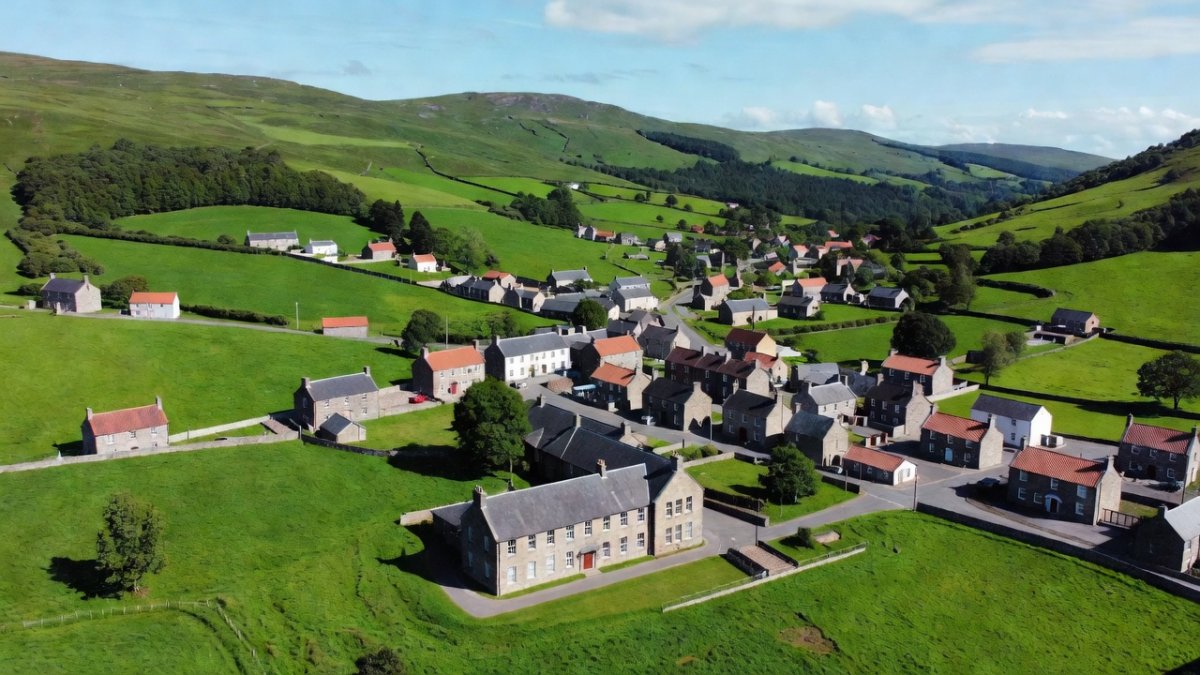
On 13 March 1996, near Stirling in Scotland, Thomas Hamilton carried out the deadliest mass shooting in British history. Armed with four handguns and 743 rounds of ammunition, he entered Dunblane Primary School and opened fire on a class of five- and six-year-olds. In less than four minutes he killed 16 children and their teacher, Gwen Mayor, while injuring 15 other children and three adults.
The attack shocked the nation and prompted immediate calls for tighter gun controls. Hamilton, a former scout leader with a history of complaints against him, had legally obtained his weapons despite prior concerns raised by police. The speed and brutality of the assault left survivors and witnesses traumatised for decades.
Investigations later revealed systemic failures in how warnings about Hamilton had been handled. The tragedy exposed gaps in vetting procedures for firearm ownership. Families of the victims began organising almost immediately, determined that no other community should suffer the same fate.
Official records confirm the death toll and the rapid nature of the attack. Hamilton took his own life at the scene once police arrived. The event remains seared into Scottish memory, with annual commemorations still held in Dunblane to this day.
The scale of the massacre, involving such young victims, ensured it dominated headlines for months. It also became the catalyst for the most significant change in UK firearms law in a generation, fundamentally altering the legal landscape for handgun ownership.
Victims' Families Speak Out
Kenny Ross, whose daughter Joanna was killed in the attack, described Lowe's comments as those of someone "very ignorant and selfish." Speaking to Channel 4 News, Ross said the remark reopened wounds that families have carried for nearly thirty years. He emphasised that no parent should have to hear their child's murder reduced to a casual aside on a podcast.
Other relatives have echoed this pain, noting the lasting impact on siblings, grandparents and the wider community. Many families have spent decades campaigning quietly while trying to rebuild their lives. Lowe's words, they argue, show a callous disregard for that ongoing grief.
One mother, who lost her only son, told reporters the comment felt like a fresh betrayal. She recalled the small coffins and the silence that fell over Dunblane in the days after the shooting. Such memories, she said, should never be treated as political talking points.
Survivors who were injured that day have also spoken of their distress. Several still carry physical and psychological scars. They expressed disbelief that an elected MP could speak so flippantly about an event that defined their childhoods and altered their futures forever.
The emotional depth of these responses underscores why the Snowdrop Campaign gained such momentum. Families turned personal tragedy into collective action, refusing to let the memory of their children fade into political expediency or careless rhetoric.
Political Condemnation Across Scotland
Stephen Kerr MSP, a Conservative, called the remarks "astonishingly insensitive and profoundly disrespectful." He stated that Lowe's language showed a fundamental lack of empathy for the victims and their families. Kerr urged Lowe to reflect carefully on the hurt he has caused.
Keith Brown MSP of the SNP went further, labelling the comments "beyond despicable" and describing them as "a stain on our politics." Brown highlighted that Scotland has worked hard to honour the memory of Dunblane through responsible legislation and community remembrance. He said Lowe's intervention undermines that effort.
Keir Brown MSP praised the Snowdrop Campaign as the "proud legacy of bereaved families." He noted that the campaign's success in securing the handgun ban represented a rare moment of unity across party lines. Lowe's remarks, he argued, trivialise that achievement and the sacrifices made by those families.
Cross-party statements have continued to emerge from Holyrood. Even politicians who rarely agree on constitutional matters have united in condemning the podcast comments. This rare consensus reflects the depth of feeling the Dunblane tragedy still evokes across Scottish society.
Scottish First Minister John Swinney also issued a statement expressing solidarity with the families. He said no elected representative should ever speak of the massacre in such reductive terms. The breadth of political criticism suggests Lowe's position may become increasingly untenable.
The Snowdrop Campaign and UK Gun Laws
The Snowdrop Campaign emerged directly from the grief of Dunblane parents and quickly gathered national support. Within months it had collected over 750,000 signatures calling for a ban on private handgun ownership. The campaign's name came from the flower chosen by the children in the days before the attack.
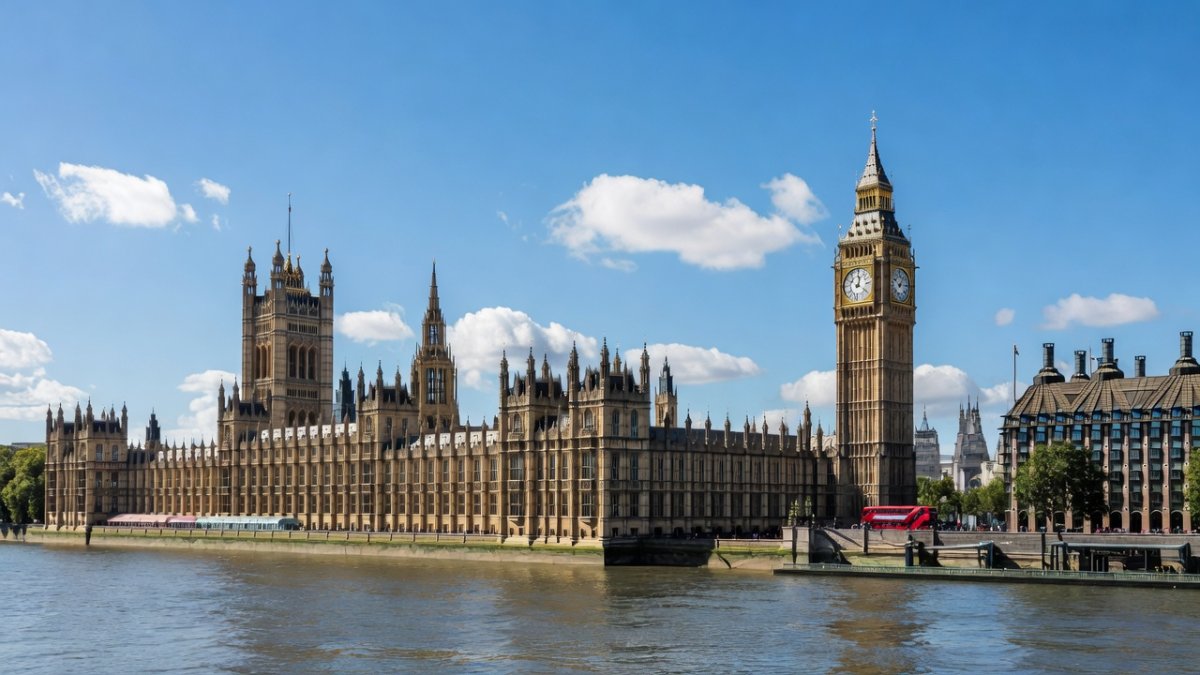
By 1997 the government had passed legislation prohibiting most handguns in Great Britain. The ban was one of the strictest in the developed world and remains in place today. Campaigners argued that the Dunblane tragedy proved the dangers of easy access to such weapons.
Supporters of the ban point to the absence of similar school shootings in the UK since 1996. They contrast this with countries that retain more permissive gun laws. The Snowdrop families became powerful advocates, appearing before parliamentary committees and meeting ministers.
Critics of the legislation have occasionally resurfaced, claiming it went too far. Lowe's podcast comments appear to align with that minority view. Yet the overwhelming public and political consensus has been that the ban was a necessary and proportionate response to an unimaginable horror.
The legacy of the campaign continues through annual memorials and ongoing vigilance about firearms legislation. Families still meet regularly to support one another and to ensure the memory of the 17 victims is never diminished by careless political discourse.
Restore Britain: Lowe's Political Journey
Rupert Lowe founded Restore Britain after his suspension from Reform UK in March 2025. The new party positions itself as a harder-line alternative on issues including immigration and national sovereignty. Lowe has presented himself as an outsider willing to challenge establishment consensus.
Allegations that Lowe threatened Reform UK chairman Zia Yusuf were investigated by the Crown Prosecution Service, which found insufficient evidence to proceed. Lowe has always denied any wrongdoing. The episode nevertheless contributed to his departure from Reform and the launch of his own vehicle.
Restore Britain has struggled to gain significant traction beyond a small core of supporters. Lowe's recent podcast appearance was intended to broaden his reach through the influential Joe Rogan platform. Instead it has brought renewed scrutiny of his judgment and character.
At 38 when the Dunblane massacre occurred, Lowe was already an adult with a public profile. His claim to have been referring only to "one incident" has been dismissed by many as a weak attempt at damage limitation. The party has issued a short statement defending his words without offering a full apology.
Political analysts suggest the controversy could further marginalise Restore Britain. Voters already sceptical of fringe parties may now view Lowe as toxic. The episode illustrates the risks of seeking mainstream attention without the discipline required for sensitive topics.
Broader Implications for UK Politics
Lowe's remarks have reignited debate about the tone of political discourse in Britain. Commentators argue that reducing a national tragedy to a single data point reflects a wider coarsening of public debate. This trend risks alienating voters who expect basic empathy from their representatives.
The episode also highlights tensions within the right-wing political spectrum. Reform UK has distanced itself from Lowe, while other figures have remained silent. The lack of unified support suggests even ideological allies recognise the comments crossed a line.
Scottish politicians have used the controversy to emphasise the distinctiveness of their approach to gun control. The handgun ban enjoys cross-party backing north of the border, and any attempt to revisit it is likely to face fierce resistance. Lowe's intervention has only hardened that resolve.
Media coverage has focused on the human cost rather than policy detail. This reflects the enduring power of the Dunblane story to command attention nearly three decades later. Journalists and victims' advocates alike have warned against any normalisation of such dismissive language.
The wider lesson appears to be that certain events remain off-limits for casual political point-scoring. Lowe's experience may serve as a cautionary tale for other MPs tempted to treat historical tragedies as rhetorical devices rather than lived catastrophes.
The Bottom Line — What Comes Next
Pressure is mounting on Lowe to issue a full and unreserved apology. Victims' families have made clear that anything less will be rejected. Several have indicated they may pursue formal complaints through parliamentary channels if no satisfactory response is forthcoming.
Restore Britain faces an existential test. Its leader's comments have overshadowed the party's policy platform and damaged its credibility before it could establish itself. Internal discussions about Lowe's future are understood to be underway.
BBC News reported on 9 July 2026 that senior Conservatives are monitoring the situation closely. Any perception that the party is soft on such insensitivity could harm its own standing in Scotland. Cross-party cooperation on remembrance events may also be affected.
Campaigners from the Snowdrop era have vowed to remain vigilant. They argue that the fight to protect the legacy of the Dunblane victims is never truly over. Lowe's remarks have simply reminded them why that vigilance matters.
Ultimately, the episode serves as a reminder that words carry weight, especially when spoken by those in public office. The families of Dunblane deserve better than to have their children's deaths casually minimised on an international podcast. Lowe must now decide whether he will acknowledge that reality.
By Erica Thornton, Staff WriterThis article was produced with AI-assisted research and editorial support. Reporting is based on sources cited in the article.
What's Your Reaction?
 Like
0
Like
0
 Dislike
0
Dislike
0
 Love
0
Love
0
 Funny
0
Funny
0
 Wow
0
Wow
0
 Sad
0
Sad
0
 Angry
0
Angry
0

US Politics and Policy Correspondent at Global1.News. Based in Washington DC, covering American politics, policy, elections, and the courts. Knows how the system works and tells you what it actually means.











Comments (0)