
Afro Fashion Association Opens Runways for Black Designers
The Afro Fashion Association, founded a decade ago by Italian-Cameroonian Michelle Francine Ngonmo, has quietly become one of the most effective forces for diversity on European runways — working with thousands of designers of colour and creating sustainable careers in an industry that has long resisted change. How One Association Is Opening Runways for Black Fashion Designers Milan, Italy — A day before a young Ghanaian designer made his Milan r
The Afro Fashion Association, founded a decade ago by Italian-Cameroonian Michelle Francine Ngonmo, has quietly become one of the most effective forces for diversity on European runways — working with thousands of designers of colour and creating sustainable careers in an industry that has long resisted change.
How One Association Is Opening Runways for Black Fashion Designers
Milan, Italy — A day before a young Ghanaian designer made his Milan runway debut earlier this year, Michelle Francine Ngonmo was troubleshooting how to squeeze more people into the venue to meet demand. Hours before the show, she was up before dawn with her team setting up backstage and the showroom. This is the reality of running an organisation that has spent a decade fighting for representation in Italian fashion — a fight that has yielded real results, even as the industry's attention drifts. Ngonmo, a 38-year-old Cameroonian-Italian, founded the Afro Fashion Association in 2015 after noticing a glaring absence in the creative industries around her. "There was, let's say, a lack of representation of people like me," she said. What began as a frustration over closed doors has grown into an organisation that has worked with 3,000 people of colour — 92 of whom are now on what Ngonmo describes as "a sustainable professional path" in creative jobs.
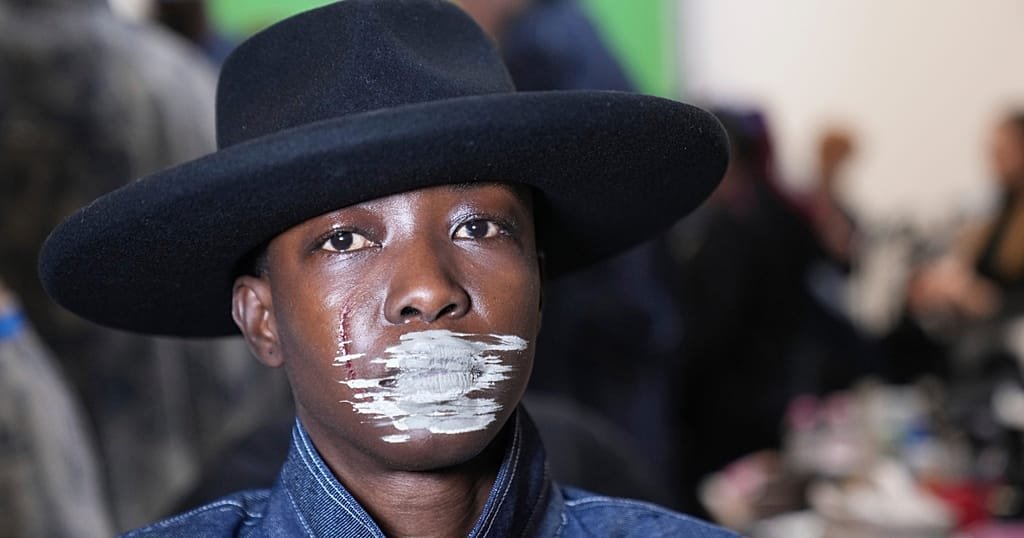
Building Bridges Between Africa and Milan
The Afro Fashion Association does not simply advocate for diversity — it builds infrastructure. Ngonmo produces runway shows, mentors emerging talent, and runs the Black Carpet Awards, which she launched three years ago to recognise trailblazing achievements by designers of colour. She also teaches fashion students and travels regularly to Africa to work with designers in their home countries. The association has built direct pipelines between African fashion hubs — particularly Cameroon, Rwanda, and Ghana — and major European fashion capitals. Milan has been the primary focus, but Ngonmo has her sights set on Paris as well. These cross-continental connections are not abstract: they result in real runway slots, showroom opportunities, and media exposure for designers who might otherwise never break into European fashion weeks.
The Moment Italian Fashion Could Not Ignore
The Black Lives Matter movement of 2020 sparked a reckoning in Italian fashion, and Ngonmo was at the centre of it. She teamed up with Haitian-Italian designer Stella Jean and African American designer Edward Buchanan to demand that Italian fashion houses replace expressions of solidarity with concrete action. The trio launched the "We Are Made in Italy" (WAMI) mentorship programme under the catchphrase that still defines their mission. For several seasons, WAMI mentored designers of colour, placing them inside some of Italy's most influential design studios. In 2021, five Africa-born designers opened Milan Fashion Week — an unprecedented moment that Ngonmo says challenged the notion that "fashion is for white people." It was a breakthrough that sent a clear signal that African creativity belongs on the world's most prestigious runways.
Sustainability in the Spotlight — Then the Curtain Closed
The momentum did not last. As diversity and inclusion budgets dried up and the fashion industry plunged into an economic crisis, many of the brands that had pledged solidarity moved on. "At the time there was a reaction, indeed a very strong request to have to deal with creatives, especially Blacks in Italy," Ngonmo recalled. "And then slowly the curtain closed because the attention was no longer on that." The shift was not unique to Italy — diversity initiatives across the global fashion industry have faced similar cutbacks since 2022. But Ngonmo has not slowed down. Rather than chasing brands that have moved on, she is focusing her energy where it counts. "As she regroups, Ngonmo said she is focusing her attention 'on those companies, those institutions that have remained with us during these years, and look at the result we have brought.'"
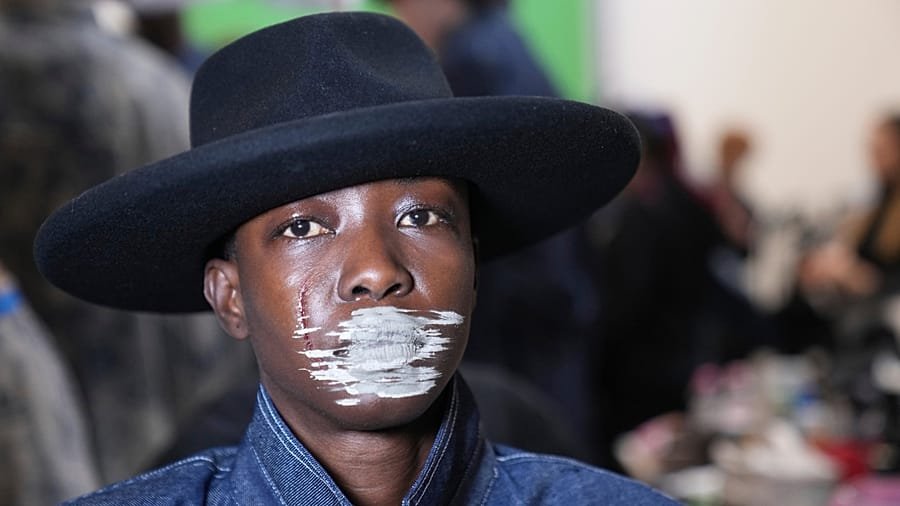
African Designers Taking the World Stage
The Afro Fashion Association's work sits within a broader wave of African fashion breaking onto the global stage. Designers like Laduma Ngxokolo of MaXhosa (South Africa), Sarah Diouf of Tongoro (Senegal), and Imane Ayissi (Cameroon) have become regulars at Paris, Milan, and London fashion weeks, bringing traditional textiles like kente, aso-oke, and shweshwe into contemporary luxury fashion. The numbers tell a story of growing momentum: global demand for African-inspired fashion has risen sharply, and African fashion weeks from Lagos to Dakar to Johannesburg are attracting international buyers and press. Yet the infrastructure gap remains wide. Designers need more than a runway slot — they need supply chains, intellectual property protection for cultural designs, investment capital, and sustained commercial partnerships. Organisations like the Afro Fashion Association are filling that gap one designer at a time.
What the Numbers Reveal
The Afro Fashion Association's own metrics are both a measure of success and a reminder of how much work remains. Of the 3,000 people of colour the association has worked with, 92 are in creative jobs on a sustainable professional path. That is roughly 3 percent — a figure that Ngonmo cites not as a limitation but as evidence that systemic change in fashion requires long-term commitment, not seasonal campaigns. "Italy is no longer a white Italy, as imagined, but an Italy where there are many colours," Ngonmo said. Her association's work demonstrates that when the infrastructure is right — when mentorship, runway access, and commercial support come together — talented designers from Africa and the diaspora can build lasting careers. The question is whether the industry will sustain the commitment.
What to Watch For
Ngonmo continues to expand the Afro Fashion Association's reach, with plans to strengthen connections between African fashion hubs and Paris. The Black Carpet Awards are gaining recognition, and the WAMI mentorship model is being studied by organisations in other European fashion capitals. For African designers looking to break into European markets, the message is clear: the doors are opening, and there are organisations ready to help walk through them. The fashion industry's attention may wax and wane, but the talent coming out of Africa is not waiting for permission.
The association is also exploring partnerships with fashion education institutions across Africa, recognising that long-term change requires building skills at the source. As Ngonmo put it, the focus is on "those companies, those institutions that have remained with us" — a strategy of sustainable growth rather than flash-in-the-pan campaigns.
By Amara Diop, Staff Writer
This article was produced with AI-assisted research and editorial support. Reporting is based on sources cited in the article.
What's Your Reaction?
 Like
0
Like
0
 Dislike
0
Dislike
0
 Love
0
Love
0
 Funny
0
Funny
0
 Wow
0
Wow
0
 Sad
0
Sad
0
 Angry
0
Angry
0

West Africa/Sahel Correspondent at Global1.News. Dakar-based journalist covering politics, security, climate, and development across Francophone and Anglophone West Africa. Tells the stories of a region undergoing profound transformation.












Comments (0)