
Manila's 15-Year Quest for Seabed Rights Reaches UN Body
The Philippines presented its 15-year extended continental shelf claim before the UN this week, seeking seabed rights beyond its EEZ in the West Philippine Sea. The claim could add thousands of square kilometers under Manila's resource jurisdiction, affecting fishing communities, energy security, and national sovereignty. The 2016 Arbitral Ruling provides the legal foundation, while the UN Commission on the Limits of the Continental Shelf will review scientific data before issuing recommendations. The outcome has implications for Filipino fishermen, energy costs, and maritime security.
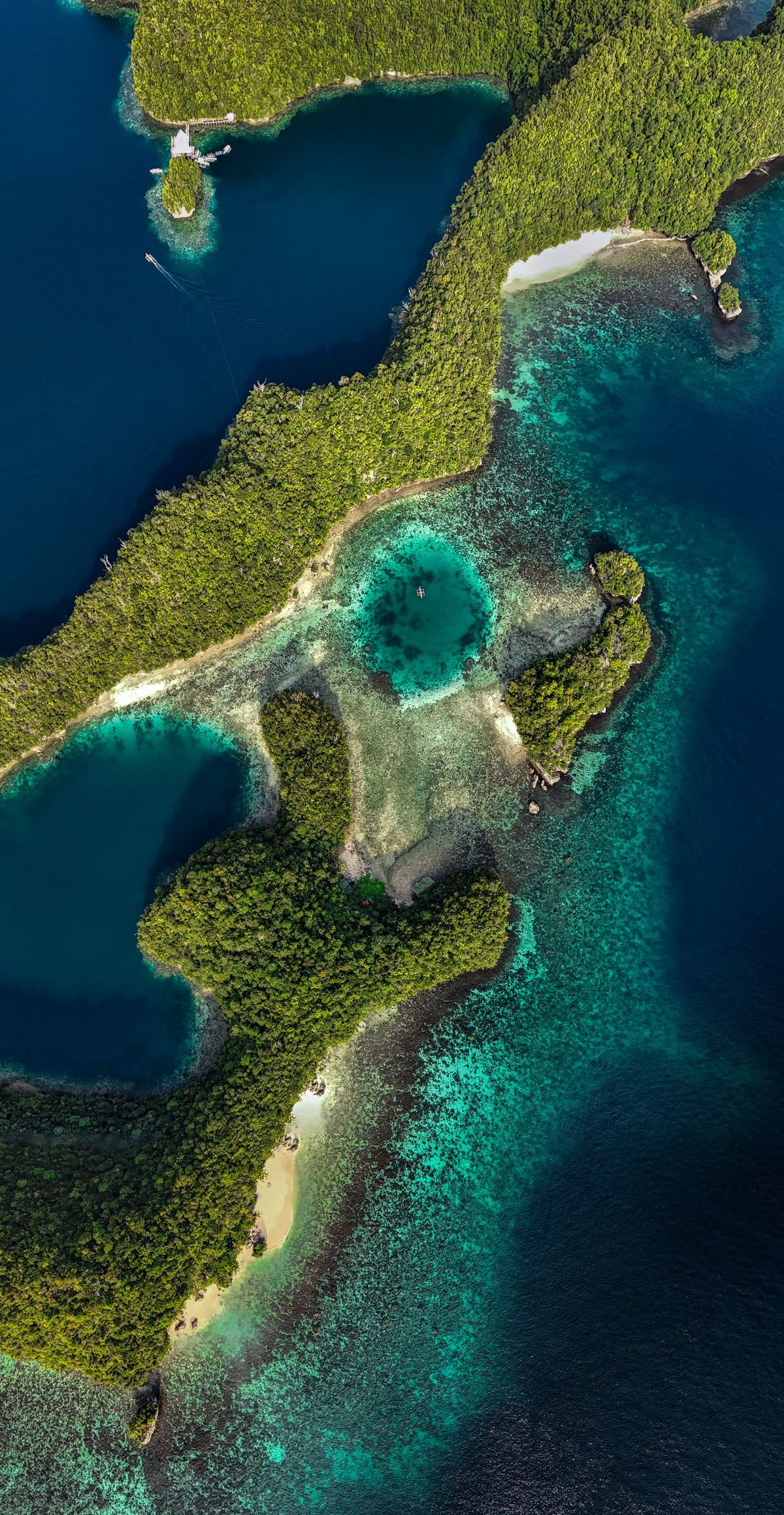
This week, a team of Philippine diplomats and maritime experts stood before a United Nations commission in New York, presenting the culmination of more than 15 years of scientific work, legal analysis, and national ambition. Their mission: to claim seabed rights beyond the country's exclusive economic zone in the West Philippine Sea — a bid that, if successful, could add thousands of square kilometers of seafloor area under Manila's resource jurisdiction.
The presentation before the UN Commission on the Limits of the Continental Shelf marks a pivotal moment in the Philippines' long-running effort to secure sovereign rights over the extended continental shelf east of the country's archipelagic baseline. For ordinary Filipinos from Palawan to Pangasinan, the stakes could not be higher — what happens at that UN meeting room could shape fishing livelihoods, energy costs, and national security for generations.
What the Extended Continental Shelf Claim Means
Under the United Nations Convention on the Law of the Sea, a coastal state can claim seabed rights beyond the standard 200-nautical-mile exclusive economic zone if it can prove the seabed is a natural extension of its continental landmass. The Philippines began this technical and legal process more than 15 years ago, dispatching survey vessels to map the seafloor, collect seismic data, and prepare the scientific evidence required by the UN commission.
The area under claim lies off the eastern coast of Luzon and the Visayas, extending into waters that the Philippines considers part of its archipelagic seabed. If recognized by the UN commission, the extended continental shelf would give Manila exclusive rights to explore and exploit natural resources on and under the seabed — including minerals, oil and gas deposits, and marine biodiversity — without affecting the waters above, which remain international.
Foreign Affairs Secretary Enrique Manalo's department has been leading the technical presentation this week, supported by geologists, hydrographers, and legal experts from the University of the Philippines and the National Mapping and Resource Information Authority. The Philippine delegation is presenting the scientific data collected over years of seabed surveys, making the case that the seafloor formations east of the archipelago meet the strict geological criteria for extended shelf status.
The 2016 Arbitral Ruling and Its Unfinished Business
No discussion of Philippine maritime rights in the West Philippine Sea is complete without reference to the landmark 2016 Arbitral Ruling. The Permanent Court of Arbitration in The Hague ruled unanimously that China's nine-dash line claim had no legal basis under international law, and that the Philippines had sovereign rights over its exclusive economic zone and continental shelf in the West Philippine Sea.
That ruling, celebrated in classroom discussions from barangay schools in Quezon City to university lecture halls in Diliman, has been the legal backbone of every Philippine maritime assertion since. But the ruling dealt primarily with waters and features within the 200-nautical-mile EEZ — the continental shelf claim now before the UN commission addresses a different, though complementary, legal question: how far east the Philippines' seabed rights extend beyond that zone.
Senator Imee Marcos, chair of the Senate Committee on Foreign Relations, has expressed support for the claim, noting that the UNCLOS process is distinct from the Arbitral Ruling but equally important for the country's long-term resource security. The Commission on Appointments is expected to review treaty obligations related to any UN recognition of the extended shelf claim once the commission issues its recommendations.
What This Means for Filipino Fishermen and Coastal Communities
For the fisherfolk of Palawan, Zambales, and the Ilocos region, the extended continental shelf claim may seem like a distant diplomatic exercise. But the practical implications reach directly into their daily lives. The seabed rights being claimed include the jurisdiction over sedentary species — organisms that live on or under the seabed and cannot move independently — such as certain types of shellfish, sea cucumbers, and commercially valuable crustaceans.
BFAR, the Bureau of Fisheries and Aquatic Resources, has noted that extended shelf rights would strengthen the Philippines' hand in regulating bottom trawling and seabed mining by foreign vessels in the claimed area. For coastal barangays in Eastern Samar and Northern Luzon, this means more effective enforcement against illegal fishing that depletes the marine resources their communities rely on.
"The seabed is like the foundation of our sari-sari store," one fisherman from Baler, Aurora, told local reporters when the claim was first submitted. "If you don't own the floor, you don't really own the store." The analogy captures the essence of the UNCLOS extended shelf principle — control over the seabed gives a coastal state the ultimate authority over what happens in that underwater territory.
Energy Security and the Search for Philippine Oil and Gas
Beyond fisheries, the extended continental shelf claim carries enormous implications for the Philippines' energy future. The country imports more than 90 percent of its oil and nearly all of its natural gas. The Malampaya gas field off Palawan, which supplies a significant portion of Luzon's power needs, is projected to be depleted within the decade.
The seabed areas covered by the extended shelf claim are geologically promising for oil and gas deposits. The Palawan Basin and the Benham Rise region — which the Philippines successfully claimed as part of its extended shelf in 2012 — have both shown signs of hydrocarbon potential. If the current claim succeeds, it could open new areas for exploration and production, potentially reducing the country's dependence on imported energy and easing the burden on household budgets.
Congress has been debating amendments to the Philippine Mining Act and the Oil Exploration and Development Act to provide a clearer legal framework for seabed resource extraction. Lawmakers from the House Committee on Energy have indicated that successful UN recognition of the extended shelf claim would accelerate legislative efforts to attract foreign investment in offshore exploration — investments that could eventually mean lower electricity rates for Filipino families.
National Security and the Philippine Coast Guard
The extended continental shelf claim also sharpens the Philippines' position in the ongoing West Philippine Sea disputes. Manil,s longstanding assertion of sovereign rights in the region has been challenged by China's expansive maritime claims and its activities in the South China Sea, including the construction of artificial islands and the presence of maritime militia vessels in areas the Philippines considers its own.
Philippine Coast Guard Commodore Jay Tarriela has emphasized that the UNCLOS extended shelf claim strengthens the legal framework for Philippine maritime enforcement operations. When PCG vessels patrol the waters off Luzon's eastern coast, they do so with the added authority that comes from internationally recognized seabed jurisdiction. The claim adds another layer of legal protection for Philippine sovereignty, complementing the 2016 Arbitral Ruling and the ongoing diplomatic efforts at the ASEAN Regional Forum.
The security implications extend to the Philippine Navy's modernization program as well. The Armed Forces of the Philippines has identified maritime domain awareness as a top priority under the Horizon 3 modernization phase, and the extended shelf claim helps define the geographic scope of the country's strategic maritime interests. Navy patrol vessels operating east of the archipelago would have clearer legal standing under UNCLOS if the claim is recognized.
UN Process and the Road Ahead
The UN Commission on the Limits of the Continental Shelf is not expected to issue an immediate ruling. The commission operates through a subcommission process — first reviewing the technical data, then issuing preliminary recommendations, and finally a binding determination that coastal states are expected to honor in good faith. The process can take months to years, depending on the complexity of the claim and the volume of competing submissions from neighboring states.
China has not formally objected to the Philippines' extended shelf submission in the way it has challenged the 2016 Arbitral Ruling, though Beijing has previously expressed concerns about UNCLOS-based claims that overlap with its own asserted maritime rights. Taiwan and Vietnam, which have overlapping continental shelf claims in the region, have also been monitoring the Philippine submission closely.
The Department of Foreign Affairs has stated that it will maintain transparent communication with all neighboring states throughout the commission's review process. Secretary Manalo's team has prepared for potential objections and has legal arguments ready to address any competing claims. For the Philippines, this presentation is not the end of a journey — it is the beginning of a new phase in the country's assertion of its maritime rights under international law.
The View From the Barangay: Why This Matters to Every Filipino
In a jeepney conversation in Cubao, in a tricycle line in Tacloban, or over cups of instant coffee in a Palawan fishing village, the extended continental shelf claim might not come up often. But its outcome will affect the lives of every Filipino — from the price of electricity in Metro Manila apartments to the security of fishing grounds in Eastern Visayas to the strategic position of the Philippines in Southeast Asian geopolitics.
The 15-year effort that culminated in this week's UN presentation represents the quiet, patient work of Filipino scientists, lawyers, diplomats, and civil servants who understand that securing the country's maritime rights is a generational project. For the families whose livelihoods depend on the sea, for the OFWs whose remittances keep the economy afloat, and for the young students learning about the West Philippine Sea in their Araling Panlipunan classes, the extended shelf claim is more than a legal technicality — it is a statement that the Philippines is prepared to defend its place in the maritime order of the Indo-Pacific.
The UN commission's recommendation may take time. But the message from Manila is clear: the Philippines is in this for the long haul, and the country's maritime rights — from the shores of Palawan to the extended seabed beyond the horizon — are worth the fight.
Looking Ahead: What Comes Next
The Philippine delegation returns from New York with the first phase of the UN review complete. Over the coming months, the commission will study the technical data, request additional information if needed, and begin drafting its recommendations. The Senate Committee on Foreign Relations has indicated it will hold briefings once the commission's initial findings are released.
For ordinary Filipinos, the practical impact of a successful claim would become visible over the next five to ten years: clearer fishing regulations, potential offshore energy development, stronger maritime enforcement, and a more secure legal foundation for the country's presence in the West Philippine Sea. It is a long game, but as the saying goes in the barangays, "Ang mahabang paglalakbay ay nagsisimula sa unang hakbang" — a long journey begins with a single step. The Philippines took that step more than 15 years ago, and this week, it has taken another one.
By Bella Reyes, Staff Writer
The Philippines presented its 15-year extended continental shelf claim before the UN this week, seeking seabed rights beyond its EEZ in the West Philippine Sea. The claim could add thousands of square kilometers under Manila's resource jurisdiction, affecting fishing communities, energy security, and national sovereignty. The 2016 Arbitral Ruling provides the legal foundation, while the UN Commission on the Limits of the Continental Shelf will review scientific data before issuing recommendations. The outcome has implications for Filipino fishermen, energy costs, and maritime security.This article was produced with AI-assisted research and editorial support. Reporting is based on sources cited in the article.
What's Your Reaction?
 Like
0
Like
0
 Dislike
0
Dislike
0
 Love
0
Love
0
 Funny
0
Funny
0
 Wow
0
Wow
0
 Sad
0
Sad
0
 Angry
0
Angry
0

Philippines/Southeast Asia Correspondent at Global1.News. Manila-based journalist covering Philippine politics, environment, maritime security, and social issues. Passionate about marine conservation and the communities protecting the Philippines' natural heritage.











Comments (0)