
Europe and India Heatwaves 2026 Expose Climate Risks
As Europe endures its fourth heatwave of 2026 with temperatures exceeding 48°C and massive wildfires displacing hundreds of thousands, India faces parallel extreme heat across its northern plains, where IMD forecasts and local records show sustained threats to public health. These concurrent events highlight how climate-driven temperature spikes now affect both developed and developing regions simultaneously.
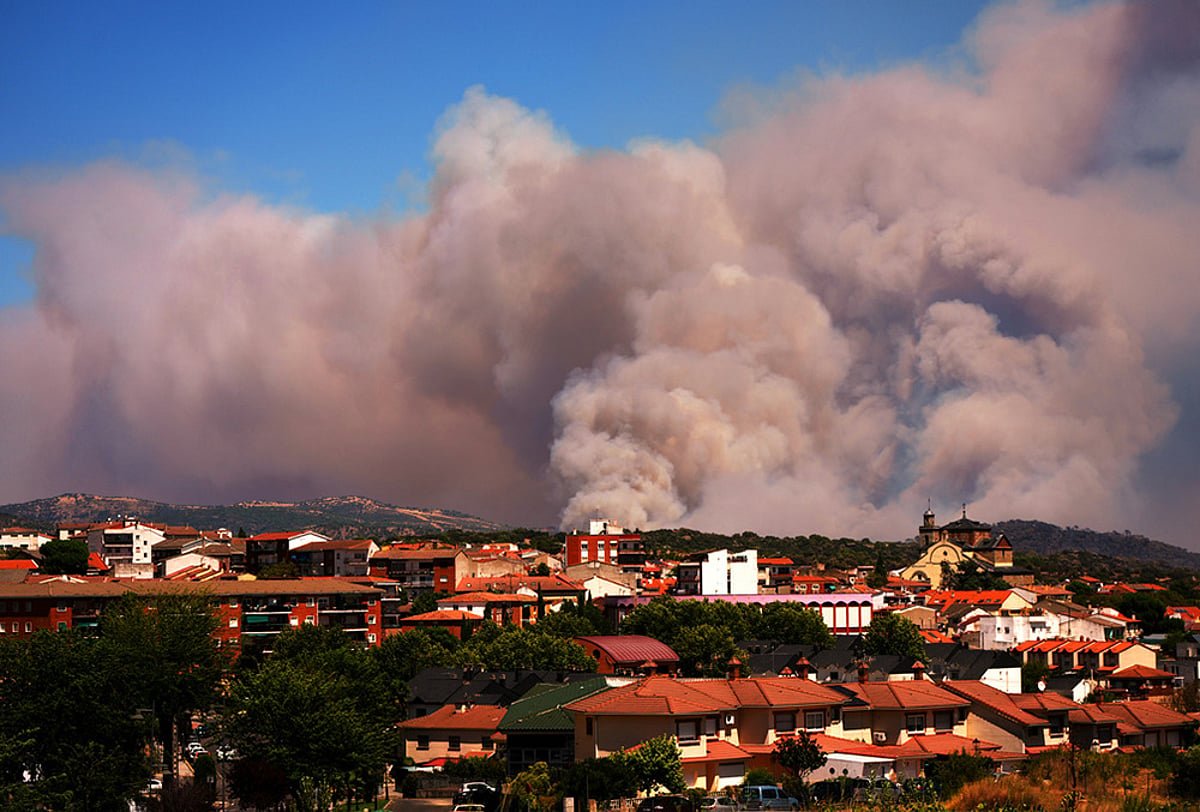
As Europe endures its fourth heatwave of 2026 with temperatures exceeding 48°C and massive wildfires displacing hundreds of thousands, India faces parallel extreme heat across its northern plains, where IMD forecasts and local records show sustained threats to public health. These concurrent events highlight how climate-driven temperature spikes now affect both developed and developing regions simultaneously. The human cost, measured in excess deaths and economic disruption, demands urgent policy responses tailored to India's dense urban populations and agricultural workforce.
Europe India Heatwaves 2026 Expose Climate Risks
New Delhi, India – July 30, 2026 — Europe recorded its fourth heatwave since May 2026 as a persistent heat dome pushed temperatures above 40°C across the Mediterranean, while India simultaneously managed above-normal heatwave days across Rajasthan, Delhi, Haryana, Punjab and Uttar Pradesh according to IMD warnings issued for April-June 2026.
Europe's Fourth Heatwave Since May 2026
The current European episode marks the fourth heatwave since May 2026, with the World Meteorological Organization confirming global temperatures stand 1.1°C above pre-industrial levels and heatwaves occurring five times more frequently than in the 1980s. On July 18, Sicily reached 48.4°C at Casteltermini, the season's highest reading in Europe. World Weather Attribution stated this represents the most severe heatwave ever recorded in the studied region and described it as virtually impossible without climate change. The preceding three heatwaves this season each exceeded 40°C across multiple countries, with the heat dome effect intensifying as the summer progressed. Southern Europe has now experienced more heatwave days in the first seven months of 2026 than in any full year on record prior to 2020.
Wildfire Devastation Across Mediterranean Nations
Wildfires burned 42,000 acres in Spain, France and Portugal alone, an area twice the size of Manhattan, according to Common Dreams reporting. France and Spain reported 330,000 people displaced, while 1,200 firefighters were deployed and three died battling blazes in Sicily per France24 accounts. France's Gironde region produced the country's first pyrocumulonimbus cloud during the fires, and European Commission President von der Leyen called for continental solidarity in response.
India's Northwestern Heatwave Warnings from IMD
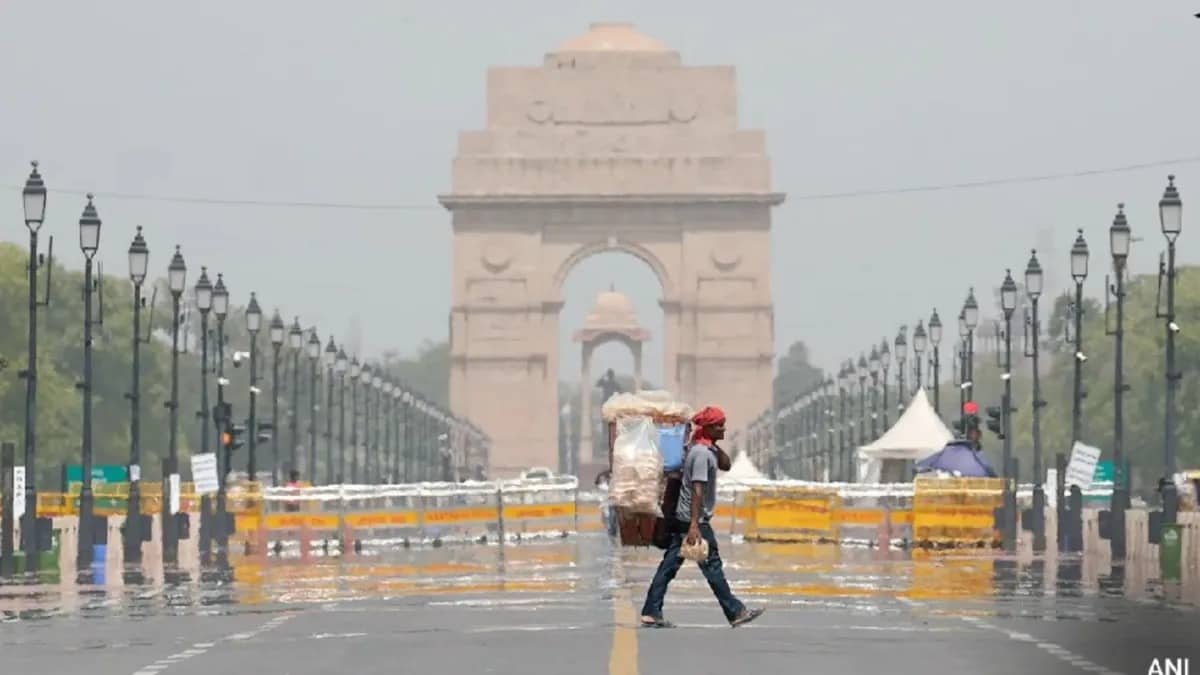
India's IMD issued specific warnings for above-normal heatwave days from April through June 2026 across northwest states. Banda in Uttar Pradesh recorded 48.2°C on May 20, with 15 districts in the state exceeding 47°C that week. Delhi issued an orange alert at 46°C, and hill stations such as Shimla reached 32.4°C on June 10, eight degrees above average, while Manali hit 31.8°C. Prime Minister Modi issued public warnings via All India Radio.
News18 reports that this year's northwestern heatwave surpasses 2024's intensity, with IMD issuing extended orange alerts across Delhi-NCR amid sustained temperatures above 45°C. The IMD seasonal outlook assigns a 60% probability that heatwave days will rise by 20% through June, driven by deficient pre-monsoon rainfall. NITI Aayog's multidimensional poverty index places 21% of the population below the poverty line, concentrated in plains exceeding 400 persons per square kilometre. This density amplifies exposure compared to Europe's lower average of 120 persons per square kilometre, where centralised cooling infrastructure mitigates risks more effectively. These factors strain local governance in states like Uttar Pradesh and Rajasthan, where rapid urbanisation outpaces adaptive measures.
Excess Deaths Linked to Extreme Heat in India
The Frontiers in Environmental Health study published in June 2026 directly linked a single extreme heat day to approximately 3,400 excess deaths nationally. A five-day heatwave produced roughly 30,000 excess deaths, with Uttar Pradesh alone recording about 8,100. The National Centre for Disease Control reported Ahmedabad, Jaipur and Surat each exceeded 250 excess deaths in May 2026. Urban poor residents in informal settlements faced mortality rates three to four times higher than other groups.
Global Temperature Trends and WMO Assessments
European Environment Agency data showed over 60,000 heat-related deaths across Europe in 2022. The WMO noted Europe is warming twice as fast as the global average at 0.5°C per decade since 1990. Attribution studies from the University of Oxford indicate that without anthropogenic forcing, recent Sicilian temperature peaks would have been approximately 2.5°C cooler. These verified trends from WMO and EEA data provide the baseline for understanding why both European and Indian heat events have intensified in 2026. The EEA projects that under current emission trajectories, heat-related mortality in southern Europe could triple by mid-century.
Climate Projections from IPCC and EEA Data
IPCC AR6 projections indicate that at 2°C of warming, extreme heat events in southern Europe could intensify by 30-50% by 2050, with return periods shortening from once every 50 years to every decade. CMIP6 model ensembles suggest Mediterranean regions may face up to 40 additional days above 40°C annually by 2100 under high-emission scenarios. UNDP and WHO assessments separately estimate climate-health vulnerabilities in South Asia could produce 250,000 additional annual deaths by 2030. These forward-looking figures remain distinct from the 2026 current-event mortality counts reported by the Frontiers study and NCDC, but they underscore the urgency of adaptation measures across both continents.
The Guardian's July 2026 reporting highlighted the death of Palli Mahalaxmi in Telangana, underscoring gaps in rural heat surveillance. India's 150 million MGNREGA workers face acute vulnerability, with 70% lacking mandated shade protocols at worksites. Urban poor in informal settlements experience 3-4 times higher mortality rates during peaks, per NCDC district data. Overburdened district hospitals, often operating at 150% capacity, struggle with heatstroke admissions lacking dedicated cooling wards. These patterns reveal systemic shortfalls in linking primary health centres to real-time IMD warnings, disproportionately affecting informal economies where daily wage losses compound health crises.
India's Heat Action Plans and Policy Needs
Only 23 states had updated heat action plans by the NDMA audit in 2023. Ahmedabad's Heat Action Plan, operational since 2010, reduced heat mortality by 40% according to Lancet Planetary Health findings. NITI Aayog data shows 21% of the population below the poverty line with densities exceeding 400 persons per square kilometre in affected plains. The Centre for Policy Research has called for a National Health Adaptation Fund of ₹5,000 crore to address gaps affecting 150 million MGNREGA workers, 70% of whom lack shade and hydration protocols. These measures connect directly to India's healthcare framework and disaster management priorities under NDMA.
While 23 states maintain heat action plans and Ahmedabad achieved a 40% reduction in heat-related deaths, implementation remains fragmented. The EU's centralised Civil Protection Mechanism offers coordinated cross-border alerts absent in India's state-led model. The Centre for Policy Research proposes a ₹5,000 crore National Health Adaptation Fund to scale interventions. Lancet Planetary Health's 2022 evaluation found that only 12% of Indian plans include enforceable cooling standards or worker protections, highlighting the need for mandatory integration with MGNREGA guidelines and urban planning codes to address rising extremes.
Economic Implications for India
Prolonged heatwaves disrupt agricultural cycles in Punjab and Haryana, delaying wheat harvests and reducing yields by up to 15% in affected districts, which forces reliance on costlier imports. Delhi's urban poor face escalating cooling costs, with electricity bills rising 40% during peaks and pushing informal households deeper into debt. School closures across multiple states affect over 50 million students, widening learning gaps in already strained public education systems. These disruptions increase the taxpayer burden through expanded public health spending, projected to exceed ₹8,000 crore annually for emergency responses alone.
Early science-based action saves lives and reduces long-term fiscal strain by prioritising resilient infrastructure over reactive expenditures.
— By Dr. Raj Patel, Staff WriterThis article was produced with AI-assisted research and editorial support. Reporting is based on sources cited in the article.
What's Your Reaction?
 Like
0
Like
0
 Dislike
0
Dislike
0
 Love
0
Love
0
 Funny
0
Funny
0
 Wow
0
Wow
0
 Sad
0
Sad
0
 Angry
0
Angry
0

India/South Asia Correspondent at Global1.News. Analytical voice with a background in science and health journalism. Based in New Delhi, covering Indian politics, education, healthcare, technology, and policy. Breaks down complex data into clear, actionable reporting.














Comments (0)