
Kinshasa's 'Butu nde Makambu' Art Project Transforms Lives of Street Children Through Nighttime Creativity
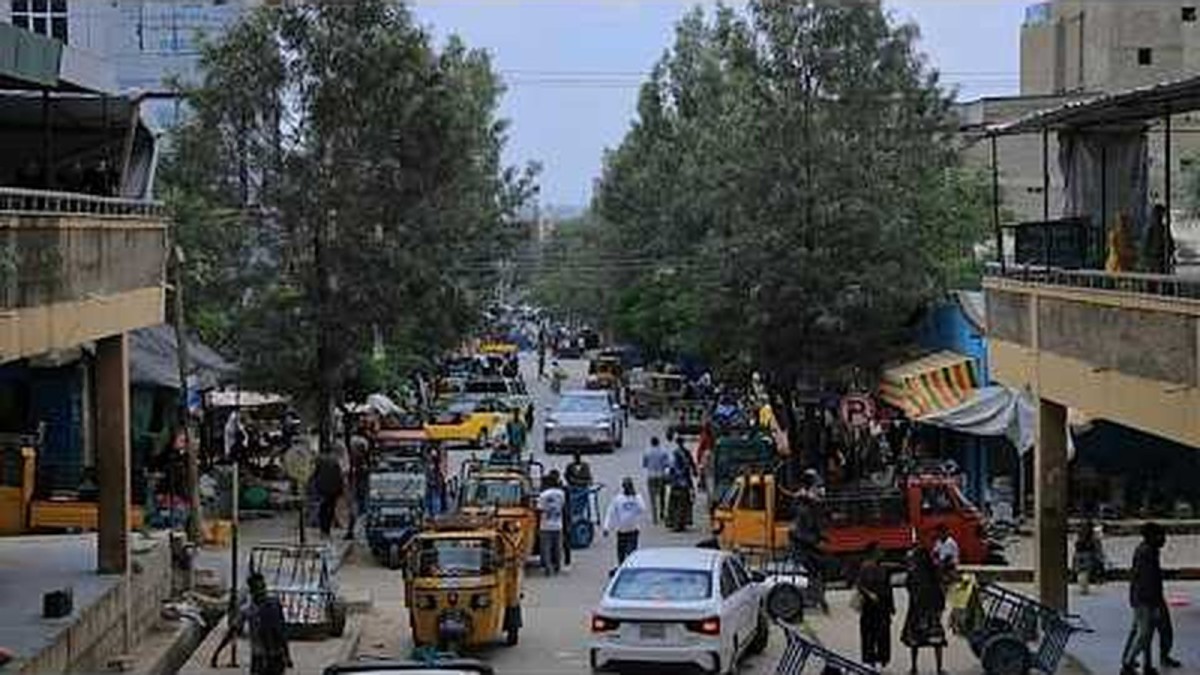
In the working-class neighborhoods of Kinshasa, where the streets can be unforgiving and the night is often associated with danger, a group of young volunteers has been quietly transforming lives through art.
In the working-class neighborhoods of Kinshasa, where the streets can be unforgiving and the night is often associated with danger, a group of young volunteers has been quietly transforming lives through art. For the past three years, the project "Butu nde Makambu" — Lingala for "The Night Has Its Own Realities" — has been reaching out to impoverished children, offering them drawing, painting, music, and dance workshops in a safe nighttime environment, proving that even after dark, hope and creativity can flourish.
In Kinshasa's Streets, 'Butu nde Makambu' Uses Art to Transform the Lives of Impoverished Children
Kinshasa, Democratic Republic of Congo — In the sprawling capital of the Democratic Republic of Congo, where an estimated 4.5 million people live in precarious conditions across its working-class communes, a grassroots art project is offering an unlikely beacon of hope. For three years, Sarah Ndele and her friends have been traveling through neighborhoods like Lemba, Selembao, and Ngaliema, gathering children from the streets and inviting them to paint, draw, make music, and dance under the cover of night.
Butu nde Makambu: Art as a Tool for Reintegration
Sarah Ndele founded Butu nde Makambu three years ago with a clear vision of using creative expression to reach children in Kinshasa's working-class neighborhoods. The project's name, "Butu nde Makambu," translates from Lingala as "The Night Has Its Own Realities," reflecting her belief that darkness holds more than threats.
The initiative operates after sunset in areas such as Lemba and Selembao, precisely when many children face heightened vulnerability on the streets. Workshops run from evening into the night, providing structured activities that keep participants engaged and off dangerous paths.
Children learn drawing, painting, music performance, and dance in sessions led by volunteers. These activities mix technical skills with cultural elements drawn from Congolese traditions, allowing participants to express personal stories through rhythm and color.
Street children join sessions alongside those who live with families but share a passion for art. This mix creates natural exchanges that reduce isolation and build connections across different living situations in Kinshasa's 17 million-strong population.
The core goal remains social reintegration through sustained creative practice. Sarah Ndele has stated that the night is "full of realities" beyond danger, emphasizing how structured art time reveals opportunities for growth even in challenging hours.
Volunteers coordinate logistics across multiple communes to maintain consistent programming. Their approach draws on local knowledge to ensure workshops feel rooted in Kinshasa's daily rhythms rather than imported models.

Plamedy's Painting Workshop: Building Careers, Avoiding Drugs
Plamedy leads the painting workshop at Butu nde Makambu, focusing on techniques that can translate into future livelihoods. He teaches color theory, composition, and material use drawn from Kinshasa's vibrant popular painting tradition.
His mission centers on passing artistic knowledge that opens career paths in illustration, mural work, and gallery sales. Plamedy stresses that early skill-building prevents young people from drifting into Kinshasa's severe drug problem affecting street youth.
Art offers a concrete alternative to substance abuse and delinquency. Participants spend evenings mastering brushwork instead of roaming neighborhoods where drugs circulate freely among tens of thousands of homeless children known locally as "shégués."
Volunteers remain determined to intervene before situations become irreversible. They track attendance and progress to show families and community leaders that creative programs produce measurable changes in behavior and outlook.
Plamedy often tells participants he wants to show them the right path while highlighting the health dangers of drugs. His sessions include discussions on long-term physical effects alongside practical painting exercises.
The workshop connects to broader efforts in Kinshasa that steer youth away from delinquency and drug addiction. Plamedy's methods align with Butu nde Makambu’s overall strategy of using nighttime hours productively.
Chris's Story: A 12-Year-Old Dreaming Through Art
Chris, a 12-year-old orphan from Lemba in Kinshasa, joined the Butu nde Makambu painting workshop after months living on the streets. He quickly showed talent for capturing everyday scenes with charcoal and colored pencils.
His dream centers on building a career in drawing. Chris practices nightly at the sessions, refining figures and landscapes that reflect his experiences in the capital's working-class areas.
Kinshasa hosts tens of thousands of street children called "shégués" in local Lingala. Chris's situation mirrors many others who lack stable housing yet seek structure through creative outlets like those offered by the project.
Art gives his nights clear purpose and routine. Instead of facing uncertainty after dark, Chris attends workshops that teach technique while fostering a sense of belonging among peers from similar backgrounds.
Chris has said he feels glad to attend and hopes to learn to draw well through the program. His progress has encouraged other children in Lemba to participate regularly. The mentorship he receives from Plamedy and other volunteers gives him a stable reference point that neither street life nor temporary shelters can provide — a relationship built around shared creative purpose rather than survival.
Volunteers note that consistent attendance like Chris's builds confidence and basic planning skills. These small gains matter in a city where an estimated 4.5 million residents live in precarious conditions.
Kinshasa's Broader Art Education Ecosystem
The Académie des Beaux-Arts de Kinshasa serves as the city's primary visual arts institution, training generations of painters and sculptors. Butu nde Makambu participants sometimes aspire to study there after gaining foundational skills through grassroots workshops.
In December 2024, President Félix Tshisekedi inaugurated the Centre culturel et des arts de l'Afrique centrale. This Sino-Congolese project includes a large performance hall, studios, dance facilities, and a training campus that expands formal arts access.
Other initiatives complement these efforts. Collectif Art et Vie, led by Victoria Ndaka, organized painting workshops for orphans in December 2024, extending similar support to vulnerable children across Kinshasa.
Galerie Malabo hosted drawing workshops for autistic children in August 2024. These targeted programs demonstrate how specialized creative spaces address diverse needs within the capital's 17 million residents.
Prominent artists such as JP Mika celebrate youth and resilience in works like "Ba Bilenge ya Kongo." His paintings draw from the same popular painting tradition that inspires workshops at Butu nde Makambu.
Kinshasa's arts ecosystem blends formal institutions with community projects. This mix allows grassroots efforts like Sarah Ndele's to feed into larger structures while addressing immediate needs in working-class neighborhoods.
Arts and Social Transformation in the DRC
Congolese popular painting, rooted in artists like Chéri Chérin and the School of Kinshasa, has long documented social realities. Butu nde Makambu continues this tradition by encouraging children to depict their own environments through paint and pencil.
Kinshasa's musical heritage includes soukous and Congolese rumba, the latter recognized by UNESCO as Intangible Cultural Heritage in 2021. Dance workshops within the project connect participants to these living rhythms.
Art gains recognition as a tool for social transformation and peace-building across the DRC. Programs use creative expression to process trauma and foster dialogue in communities affected by instability.
"Voyage à Travers la Culture," organized by SOS Akili, blends conferences, performances, and discussions on heritage and citizenship. Such events create platforms where youth projects like Butu nde Makambu can share methods and outcomes.
Boniface Mudosa, a student at the Académie des Beaux-Arts, created the sculpture "Overdose céleste" to address child trauma from armed conflict in eastern DRC. His work highlights how visual arts serve therapeutic roles beyond Kinshasa.
These initiatives show art's capacity to rebuild social bonds. In neighborhoods like Selembao and Ngaliema, nighttime workshops provide safe spaces that echo wider efforts to harness culture for community healing.
What This Means for African Creative Communities
Grassroots art education projects across the continent demonstrate similar patterns of community-led response to urban challenges. Butu nde Makambu joins efforts in other cities that use creative workshops to reach children outside formal school systems.
Parallels exist with Kenya's Ghetto Kids dance programs and South Africa's community arts centers. Each adapts local cultural forms to create safe spaces that steer youth toward constructive activities rather than street risks.
More investment in arts infrastructure and youth creative education remains essential. Kinshasa's example, with its mix of established institutions like the Académie des Beaux-Arts and newer centers inaugurated in December 2024, shows scalable models.
Projects like Butu nde Makambu represent community-led cultural development that starts from neighborhood realities. They prove that consistent nighttime programming can shift trajectories for children in high-crime urban zones.
Safe creative spaces matter particularly where delinquency and drug addiction threaten daily life. The project's success in Lemba and Selembao offers evidence that structured art time builds resilience among Africa's urban youth.
Arts education increasingly appears as a viable pathway out of poverty for Africa's urban youth. When a child like Chris moves from sleeping on Lemba's streets to developing drawing skills with professional guidance, the transformation radiates beyond the individual — families see alternatives, communities witness change, and local economies gain a creative workforce that might otherwise have been lost to addiction or crime. Readers can support local initiatives by volunteering time, donating materials, or advocating for municipal funding that sustains programs serving vulnerable children in their own communities.
By Amara Diop, Staff WriterThis article was produced with AI-assisted research and editorial support. Reporting is based on sources cited in the article.
What's Your Reaction?
 Like
0
Like
0
 Dislike
0
Dislike
0
 Love
0
Love
0
 Funny
0
Funny
0
 Wow
0
Wow
0
 Sad
0
Sad
0
 Angry
0
Angry
0
West Africa/Sahel Correspondent at Global1.News. Dakar-based journalist covering politics, security, climate, and development across Francophone and Anglophone West Africa. Tells the stories of a region undergoing profound transformation.









Comments (0)