
Police drop investigation into Green Party leader Zack Polanski over guillotine T-shirt post targeting Nigel Farage
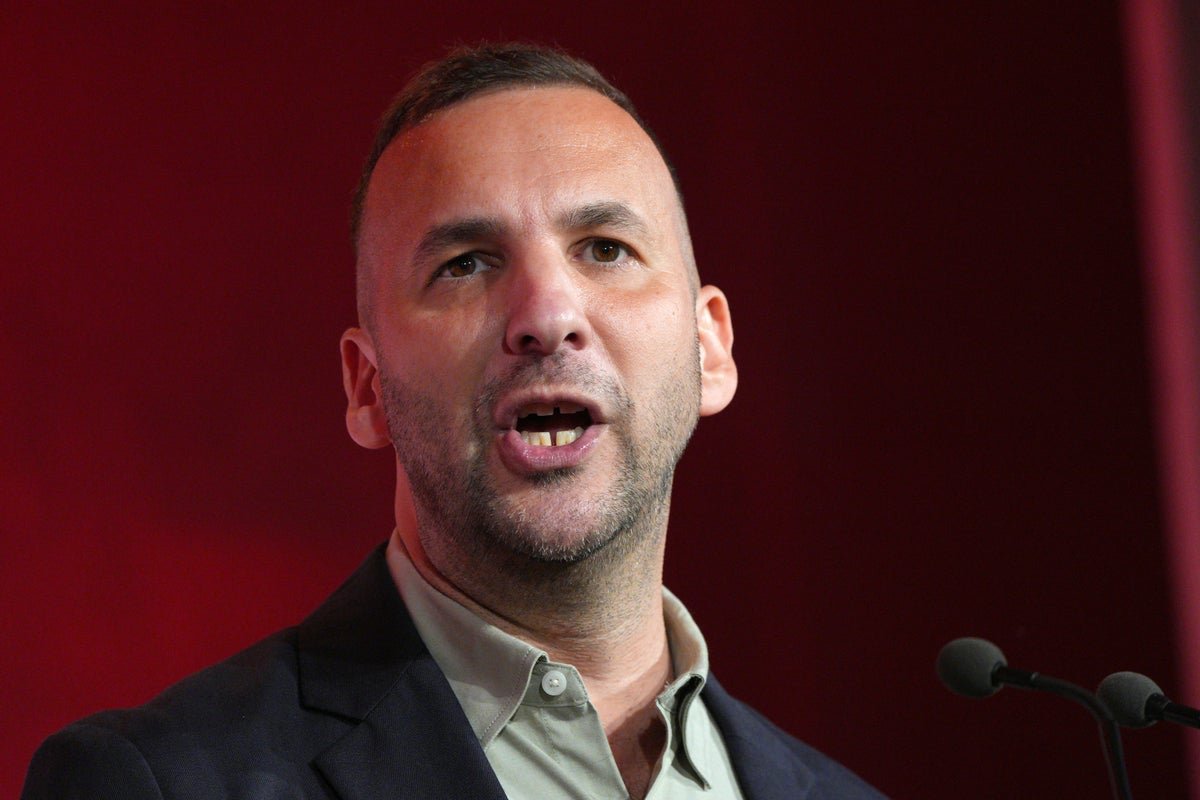
Zack Polanski over guillotine T-shirt post targeting Nigel Farage The Metropolitan Police has announced it will take no further action against Green Party co-leader Zack Polanski over an Instagram post featuring a man wearing a T-shirt depicting a guillotine alongside the name of Reform UK leader Nigel Farage. Scotland Yard said the threshold for criminal action had not been met, and that launching a full investigation would have been disproportionate to the circumstances.
Police drop investigation into Green Party leader Zack Polanski over guillotine T-shirt post targeting Nigel Farage
The Metropolitan Police has announced it will take no further action against Green Party co-leader Zack Polanski over an Instagram post featuring a man wearing a T-shirt depicting a guillotine alongside the name of Reform UK leader Nigel Farage. Scotland Yard said the threshold for criminal action had not been met, and that launching a full investigation would have been disproportionate to the circumstances.
How the controversy unfolded
The row began last week when Polanski shared an image on his Instagram account, which has approximately 700,000 followers. The post showed a man wearing a black T-shirt emblazoned with a guillotine and the words "we're only making plans for Nigel" — a play on the 1979 XTC song "Making Plans for Nigel," repurposed to reference the Reform UK leader by name. The image was not originally created by Polanski but was reposted to his feed.
Reform UK swiftly reported the post to the Metropolitan Police, arguing that it amounted to incitement to murder. Nigel Farage himself called publicly for Polanski to be arrested, describing the image as a direct incitement to violence against him. The complaint triggered a formal police assessment into whether the post crossed the line from offensive political commentary into criminal behaviour.
Polanski's response: 'An inadvertent mistake'
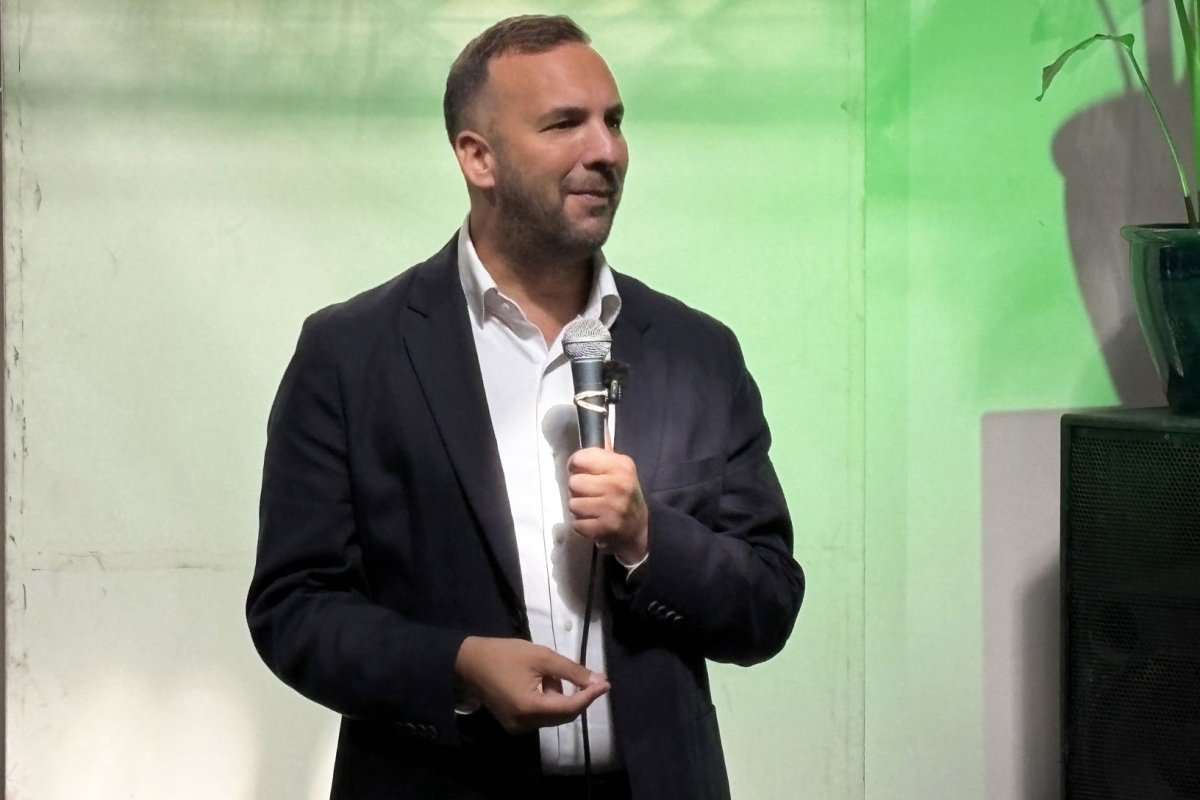
Polanski responded to the controversy by describing his decision to share the image as an "inadvertent mistake," telling journalists he "didn't look carefully enough" at the post before publishing it to his followers. However, he has repeatedly refused to apologise directly to Farage, drawing a distinction between regretting the incident and offering a personal apology to the Reform UK leader.
The Green Party co-leader, who shares the leadership of the party of England and Wales with Carla Denyer, maintained that he had no intention of inciting violence and that the post was intended as a piece of political satire rather than a genuine threat. His refusal to apologise has kept the story alive in the news cycle, with commentators divided over whether the post was a harmless piece of political humour or a reckless use of dangerous imagery.
Scotland Yard's decision
The Metropolitan Police confirmed this week that no further action would be taken against Polanski. In a statement, the force said that "an extensive investigation was deemed to be disproportionate and not a reasonable use of police resources." The decision effectively closes the criminal side of the affair, though it leaves the political fallout unresolved.
Scotland Yard's assessment concluded that the image, while potentially offensive, did not meet the legal threshold for incitement to murder or any other criminal offence under UK law. Under the Public Order Act 1986 and the Communications Act 2003, prosecutors must demonstrate that a communication was intended to stir up hatred or incite violence — a bar that the Crown Prosecution Service would likely have found difficult to clear in this instance. Police noted that the post remained online for a period before being removed, and that Polanski had co-operated with their initial inquiries. The decision not to pursue the case will likely reignite the ongoing debate about where the line falls between free political expression and threatening behaviour on social media.
The legal framework for online political speech
The Polanski case sits within a broader legal landscape that has become increasingly contested in recent years. The Online Safety Act, which received royal assent in 2023, imposed new duties on social media platforms to tackle illegal content and protect users from harm. However, the Act was never designed to criminalise the sharing of satirical content, and its provisions around political speech remain a subject of fierce debate among legal experts and civil liberties groups.
Freedom of expression under Article 10 of the European Convention on Human Rights, which remains incorporated into UK law via the Human Rights Act 1998, protects political speech to a high degree — even speech that some may find offensive or shocking. The European Court of Human Rights has consistently held that political expression enjoys enhanced protection, and that restrictions must be both necessary and proportionate in a democratic society. Scotland Yard's decision not to pursue Polanski is consistent with this jurisprudence, though it is unlikely to satisfy those who believe the law should go further in protecting public figures from targeted abuse.
Free speech and the limits of political satire
The case has reopened a fraught discussion about the boundaries of political speech in Britain. Supporters of Polanski and free speech advocates have argued that the guillotine image is a well-established piece of political iconography — deployed across centuries of European satire and protest art — and that prosecuting a political leader for sharing it would set a dangerous precedent for legitimate political commentary.
Critics, however, point to the charged political atmosphere in which the post was shared. Reform UK has been gaining ground in opinion polls, and Farage remains one of the most polarising figures in British politics. In such a climate, they argue, imagery depicting violence — even satirically — against a specific named individual carries risks that go beyond mere offence. The fact that the post was shared by a major party leader to an audience of hundreds of thousands of followers raised the stakes considerably.
The Metropolitan Police's decision not to pursue charges may therefore be seen as a victory for free speech, but it also leaves unresolved questions about the responsibility that public figures bear when sharing inflammatory material, even inadvertently.
Political repercussions at Westminster
The affair has also had ramifications within Westminster. The Green Party has sought to downplay the incident, with party spokespeople emphasising that Polanski has acknowledged his mistake and that the matter has been dealt with internally. Reform UK, meanwhile, has seized on the story as evidence of what it describes as a double standard in how the political establishment treats complaints from the right.
Farage himself has been characteristically vocal, using the incident to rally his base and frame himself as a victim of establishment indifference. "If a left-wing politician shares an image of a right-wing leader facing a guillotine, that is incitement," he told supporters this week. "The police have decided otherwise, and that tells you everything you need to know about the state of British justice."
The incident also raises questions about the Metropolitan Police's approach to political complaints more broadly. The force has faced criticism in recent years for both over-policing and under-policing political speech, caught between competing demands to protect public figures and to avoid chilling legitimate expression. This case is unlikely to settle that debate; if anything, it has given both sides fresh ammunition. Free speech campaigners will cite it as evidence that the system works — the police investigated, considered the evidence, and correctly concluded that no crime had been committed. Critics, by contrast, will argue that the decision to investigate at all was an overreaction that should never have reached the police station in the first place.
What happens next
With the police investigation formally concluded, the immediate legal threat to Polanski has passed. No charges will be brought, and the Green Party leader remains free to continue his political work without the prospect of criminal proceedings hanging over him. However, the political damage — both to Polanski's reputation and to the broader public discourse — may take longer to repair.
The incident serves as a reminder of how quickly the boundaries of political communication can be tested in the age of social media, where a single share can spiral into a national controversy within hours. For Polanski, the lesson appears to be one of digital caution. For Farage and Reform UK, the affair provides further ammunition in their narrative of a political system that they argue is rigged against them. And for the Metropolitan Police, the case offers no easy answers — only the certainty that the next such controversy is never far away.
By Erica Thornton, Staff Writer
This article was produced with AI-assisted research and editorial support. Reporting is based on sources cited in the article.
What's Your Reaction?
 Like
0
Like
0
 Dislike
0
Dislike
0
 Love
0
Love
0
 Funny
0
Funny
0
 Wow
0
Wow
0
 Sad
0
Sad
0
 Angry
0
Angry
0

US Politics and Policy Correspondent at Global1.News. Based in Washington DC, covering American politics, policy, elections, and the courts. Knows how the system works and tells you what it actually means.












Comments (0)