
Heatwave Deaths Study: 2,700 Excess Deaths Across England and Wales
More Than 2,700 Excess Deaths Linked to May and June Heatwaves More than 2,700 people are estimated to have died as a result of record breaking temperatures during the May and June heatwaves, according to new analysis from researchers at Imperial College London, the Met Office and the London School of Hygiene and Tropical Medicine. Of those deaths, just over 40 per cent are att
More Than 2,700 Excess Deaths Linked to May and June Heatwaves
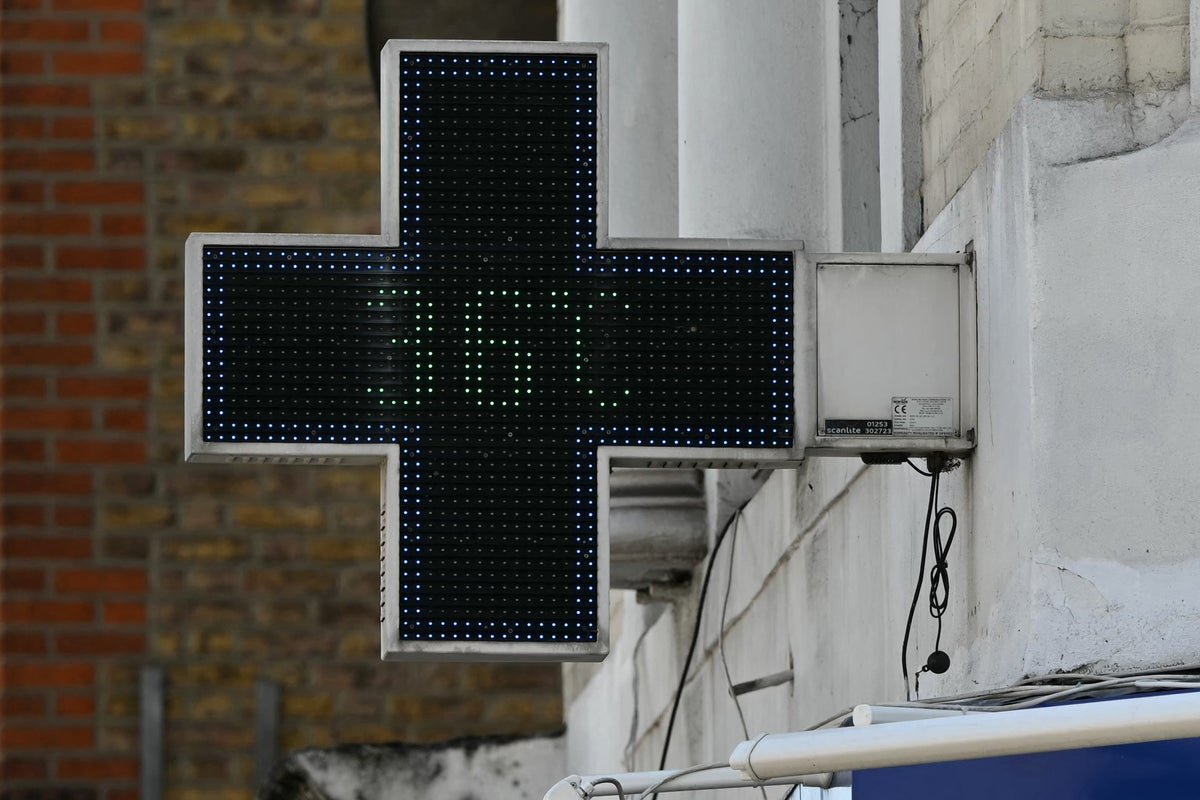
More than 2,700 people are estimated to have died as a result of record breaking temperatures during the May and June heatwaves, according to new analysis from researchers at Imperial College London, the Met Office and the London School of Hygiene and Tropical Medicine. Of those deaths, just over 40 per cent are attributed directly to climate change, marking one of the clearest statistical links yet between rising global temperatures and mortality in England and Wales. The study draws on detailed temperature and death records to isolate the additional burden created by human-driven warming, showing how even short periods of extreme heat now carry measurable human costs. Public health officials have noted that these figures exceed previous summer estimates and highlight the growing pressure on health services during periods when temperatures exceed historical thresholds. The findings arrive as the third heatwave of the year continues to affect large parts of the country, with forecasters confirming that 2026 has already set a new record for the number of days reaching 34C or higher.
(The Independent)
Imperial College London, the Met Office and the London School of Hygiene and Tropical Medicine combined their expertise in climate science, epidemiology and statistical modelling to produce the estimates. Their work demonstrates that climate change is no longer a distant future threat but an immediate factor in national mortality patterns. The 40 per cent attribution figure represents deaths that would not have occurred without the additional warming caused by greenhouse gas emissions. Health analysts have stressed that these numbers require urgent policy responses, including better heat preparedness plans and accelerated efforts to cut emissions. The study provides a concrete basis for comparing current risks with those recorded in earlier decades when such extremes were rarer.
Temperatures Reach 35.1C in West London and 37.7C in Norfolk
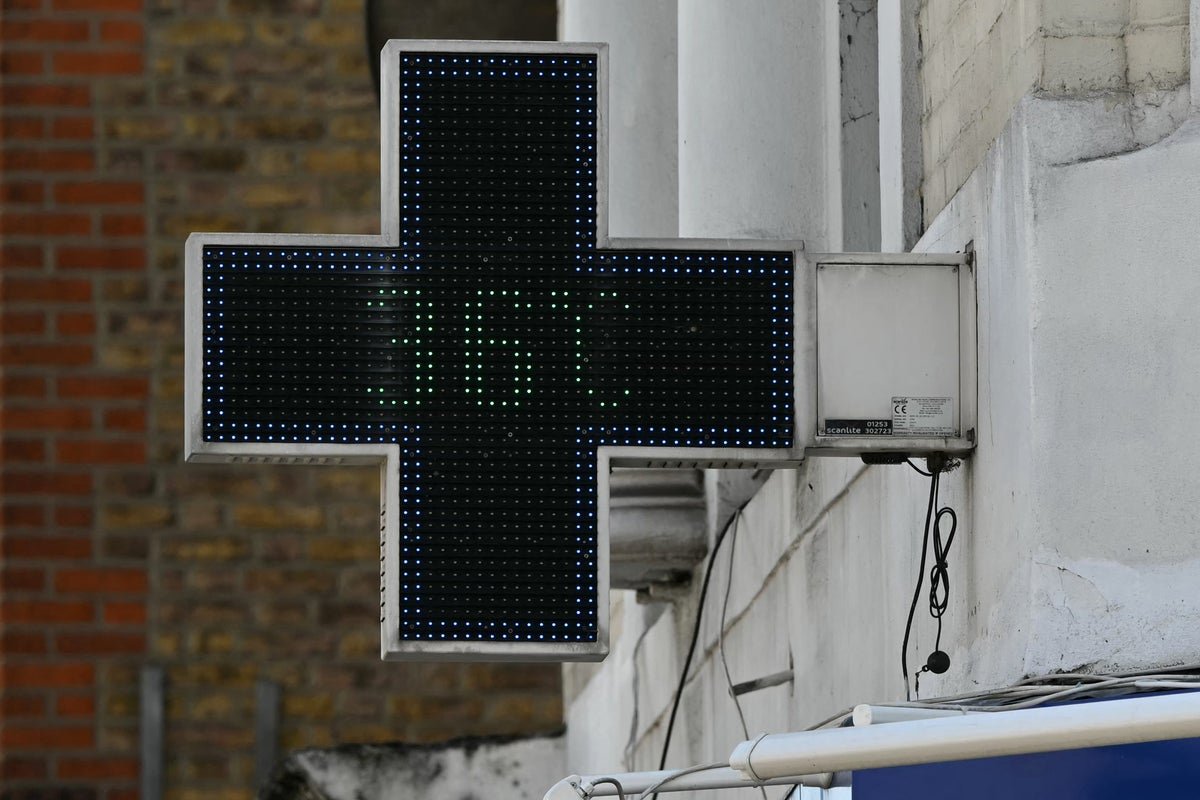
Temperatures hit 35.1C in West London during May and later climbed to 37.7C at Lingwood in Norfolk on 26 June, figures that triggered multiple red health heat alerts across England. These readings formed part of three consecutive days of record-breaking conditions that placed unprecedented strain on emergency services. Several hospitals declared critical incidents while the London Ambulance Service recorded its busiest day on record, handling significantly more life-threatening emergency calls than on any previous date. The Met Office issued the red alerts after temperatures surpassed thresholds known to increase mortality risk, particularly among older people and those with existing medical conditions. Ambulance crews reported extended response times as call volumes surged, illustrating the direct operational impact of sustained high temperatures on frontline care.
West London and Norfolk represent two of the locations where the highest readings were logged, yet similar extremes were recorded across wide areas of England and Wales. The red alerts covered multiple regions simultaneously, a pattern that has become more frequent in recent years. Hospital trusts that declared critical incidents cited difficulties maintaining safe ward temperatures and managing increased admissions for heat-related illness. The London Ambulance Service data showed a clear spike in cardiac and respiratory emergencies coinciding with the peak heat, confirming the link between temperature and acute health events. These operational records provide tangible evidence of how the climate is already altering the demands placed on the National Health Service during summer months.
Statistical Model Analyses 35,000 Regions Across England and Wales
Researchers constructed a statistical model that uses historical records to show how the risk of dying due to elevated heat changes with temperature in each of around 35,000 very small regions across England and Wales. This granular approach allows attribution of specific deaths to climate change by comparing observed temperatures against a counterfactual scenario without human-induced warming. The model draws on decades of mortality and weather data to establish baseline relationships, then quantifies the additional deaths occurring when temperatures exceed those baselines. During the first heatwave between 21 and 29 May, the model estimates around 550 heat-related excess deaths, of which approximately 330, or 60 per cent, would not have occurred without climate change. The second heatwave from 18 to 28 June produced almost 2,200 heat-related excess deaths, with around 800, or 40 per cent, attributed to climate change.
The difference in attribution percentages between the two waves reflects variations in temperature intensity and population exposure. The May period was shorter yet produced a higher proportion of climate-linked deaths, while the longer June event generated larger absolute numbers. By examining 35,000 small regions, the researchers captured local differences in vulnerability, including urban heat island effects and variations in housing quality. The Met Office supplied the climate modelling component while Imperial College London and the London School of Hygiene and Tropical Medicine handled the epidemiological analysis. This combined methodology provides the most detailed picture yet of how climate change is reshaping summer mortality patterns in England and Wales.
Comparison With 1,504 Heat Deaths Recorded in Summer 2025
Estimates for summer 2025 suggest there were 1,504 heat-related deaths according to the UK Health Security Agency, a figure now surpassed by the combined May and June 2026 totals. The current year has already seen more days exceeding 34C than any previous calendar year, breaking the previous record of seven days set in both 1976 and 2020. The third heatwave of 2026 continues to push temperatures above 34C across multiple regions, extending the period of elevated risk. Forecasters have confirmed that 2026 now holds the record for the greatest number of days reaching or exceeding this threshold, underscoring the accelerating frequency of extreme heat. The UK Health Security Agency data from 2025 provides a recent benchmark against which the new estimates can be measured.
Records from 1976 and 2020 had stood for decades as markers of exceptional heat, yet both have now been overtaken within a single calendar year. The Met Office has documented the steady rise in the number of days above critical temperature thresholds, a trend consistent with broader climate projections. The ongoing third heatwave demonstrates that the season has not yet reached its conclusion, raising the possibility that final mortality figures could climb further. Public health agencies continue to monitor daily death registrations to update excess mortality calculations. These comparisons illustrate how summers that once represented outliers have become the new baseline against which future extremes are judged.
Dr Clair Barnes and Dr Ross Thomson Highlight Rising Summer Risks
Dr Clair Barnes stated that it is time to recognise the country now experiences dangerously hot summers and that urgent adaptation is required alongside renewed global efforts to reach net zero emissions. The World Health Organization has recommended that European authorities plan for extreme heat in the same systematic way they prepare for winter flu. Dr Ross Thomson from the UK Health Security Agency noted that heat appears to be increasing at a higher rate than cold, raising the possibility that summer excess deaths could eventually reach levels comparable to those seen in winter months. This convergence would represent an unprecedented shift in seasonal mortality patterns. The researchers emphasised that heat produces a direct link between temperature spikes and mortality increases, unlike many winter deaths that are often linked to flu rather than cold itself.
The World Health Organization guidance stresses the need for proactive heat action plans that include early warning systems, public communication and targeted support for vulnerable groups. Dr Barnes highlighted the requirement to adapt infrastructure and services to the climate that now exists while simultaneously pursuing emission reductions to limit further warming. Dr Thomson’s observations on the potential convergence of heat and cold excess deaths underline the long-term public health implications if current trends continue. Both experts stressed that current mortality figures already justify immediate policy changes rather than waiting for further confirmation. Their comments reflect the consensus among study authors that heat-related deaths are rising faster than previously anticipated.
Environment Agency Identifies Heat as Primary Climate Health Hazard
The Environment Agency has described heat as the largest and most urgent climate hazard for human health, noting increased risks of heart attack, stroke, lung problems and death from drowning. Jess Beagley, policy lead at the Global Climate and Health Alliance, explained that heatwaves place particular strain on the heart and other organs, creating elevated risks for people with cardiovascular diseases, babies who cannot regulate body temperature effectively, and outdoor workers with prolonged exposure. She stressed that the United Kingdom remains unprepared for hotter summers, with many homes and hospitals lacking adequate protection against high temperatures. Professor Hugh Montgomery of University College London added that the bulk of heat-related deaths occur through strokes, heart attacks and sudden cardiac death rather than heatstroke alone.
The Environment Agency assessment draws on evidence that heat exacerbates existing medical conditions more frequently than it causes direct heatstroke. Hospitals have reported difficulties maintaining safe internal temperatures during recent heatwaves, affecting both patients and staff. Jess Beagley called for improved insulation, natural shading and air conditioning in residential and healthcare settings to reduce these risks. Professor Montgomery’s clinical observations confirm that cardiac events form the majority of heat-related fatalities, requiring health services to prioritise cardiovascular support during extreme temperature periods. These warnings align with the statistical findings that thousands of additional deaths are now occurring each summer as a direct consequence of elevated temperatures.
(The Independent)
Adaptation Measures and Net Zero Targets Required to Limit Future Deaths
Improved insulation, natural shading and air conditioning are identified as essential adaptations to protect homes and hospitals from rising summer temperatures. The study authors stress that these measures must be implemented alongside a transition away from fossil fuels to meet net zero targets and prevent further increases in heat-related mortality. Without accelerated emission reductions, the frequency and intensity of heatwaves are projected to rise, pushing annual death tolls higher than the 2,700 recorded in the current May and June events. Public health agencies have been urged to develop heat action plans comparable to those used for winter flu, incorporating early warnings and targeted interventions for vulnerable populations. The combination of adaptation and mitigation is presented as the only viable strategy to manage both current and future risks.
Jess Beagley emphasised that current building standards leave many properties and healthcare facilities unable to maintain safe temperatures during extremes. Professor Hugh Montgomery noted that cardiac deaths dominate heat-related mortality, reinforcing the need for both medical preparedness and long-term climate policies. The Met Office and academic partners have shown that 40 per cent of the estimated 2,700 deaths can be attributed to climate change, a proportion that will grow if global emissions continue unchecked. Reaching net zero remains central to limiting the additional warming that drives these excess deaths. Coordinated action across housing, health and energy policy is required to address the scale of the challenge now facing England and Wales.
By Erica Thornton, Staff WriterThis article was produced with AI-assisted research and editorial support. Reporting is based on sources cited in the article.
What's Your Reaction?
 Like
0
Like
0
 Dislike
0
Dislike
0
 Love
0
Love
0
 Funny
0
Funny
0
 Wow
0
Wow
0
 Sad
0
Sad
0
 Angry
0
Angry
0

US Politics and Policy Correspondent at Global1.News. Based in Washington DC, covering American politics, policy, elections, and the courts. Knows how the system works and tells you what it actually means.














Comments (0)