
Super El Niño 2026: Extreme Weather Unites the Americas in a Crisis Without Borders
The Americas are burning, flooding, and baking together. In July 2026, a record-breaking Super El Niño amplified by climate change has unleashed extreme weather across the entire Western Hemisphere — from US heat domes affecting over 100 million Americans to Brazil shattering winter temperature records, from Mexico's deadly golpe de calor toll to Amazon drought and Pantanal fires crossing into Bolivia. The data are unprecedented. The suffering is shared.
The Americas are burning, flooding, and baking together. In July 2026, a record-breaking Super El Niño amplified by climate change has unleashed extreme weather across the entire Western Hemisphere — from US heat domes affecting over 100 million Americans to Brazil shattering winter temperature records, from Mexico's deadly golpe de calor toll to Amazon drought and Pantanal fires crossing into Bolivia. The data are unprecedented. The suffering is shared. And Latin America stands at the epicenter of a crisis that refuses to respect borders.
Super El Niño 2026: Extreme Weather Unites the Americas in a Crisis Without Borders
Brasília, Brazil — July 30, 2026 — The extreme weather battering the United States this July is not an isolated phenomenon. It is the northern expression of a hemispheric climate emergency driven by a Super El Niño of record intensity and a warming atmosphere that together are rewriting weather patterns from Alaska to Patagonia. Over 100 million Americans suffered under heat alerts as a third July heat dome scorched the Desert Southwest, Plains, Midwest, and Southern Tier. But south of the border, the crisis is equally dire — and in some ways more deadly.
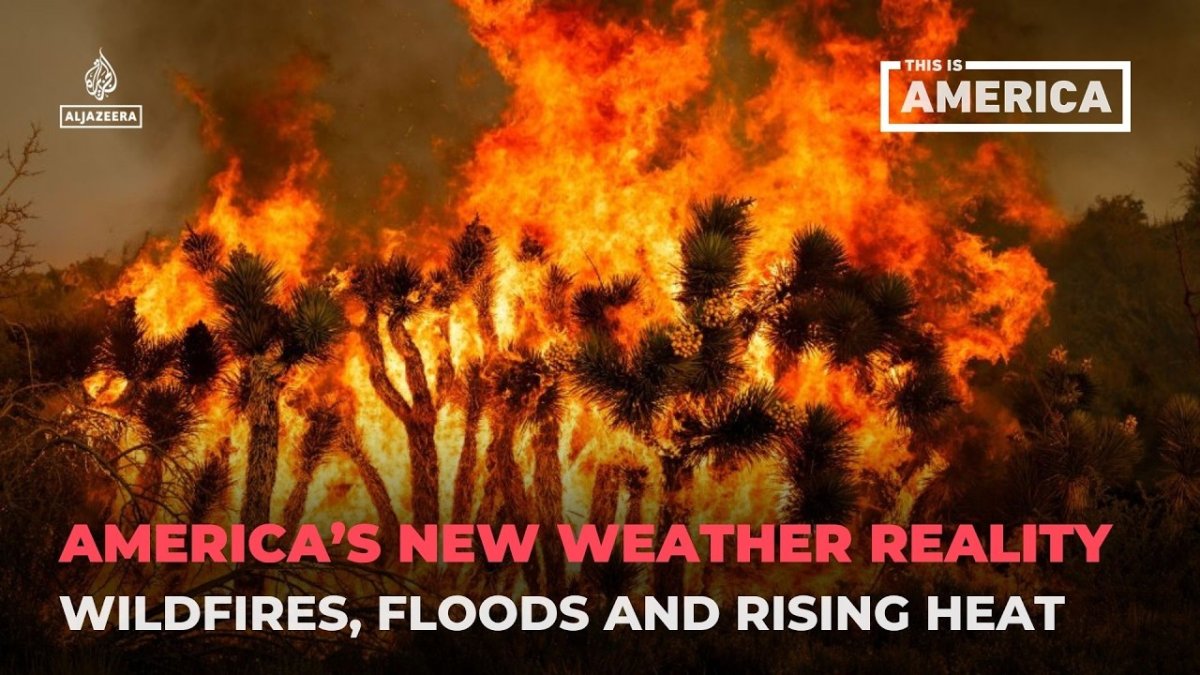
The Heat Dome Across America
The Al Jazeera English video "Extreme weather becoming the new normal in the US | This is America" posted July 29 2026 captures the unfolding crisis with stark footage of scorched landscapes and overwhelmed communities. Over 100 million Americans found themselves under heat alerts at the peak of this third heat dome of July 2026. Temperatures soared from the mid-90s to 105°F across the Desert Southwest Plains Midwest and Southern Tier with heat indices climbing to a brutal 120°F or 49°C. Wildfires now consume more than 3 million hectares annually doubling the rate seen in the 1990s while floods strike somewhere in the United States on eight out of every ten days. More Category 3 or stronger hurricanes have been recorded than at any previous time. Critical fire weather blankets the Pacific Northwest and Intermountain West as Canadian wildfire smoke drifts south choking the Midwest Great Lakes Northeast and Southeast. This US extreme weather crisis does not exist in isolation. It forms part of a shared hemispheric emergency that directly impacts Latin American nations through shifting jet streams altered rainfall patterns and intensified heat that crosses borders without mercy. The data reveal a continent under siege where American heat domes amplify drought risks and fire seasons already devastating Brazil Mexico and the Andean countries.
Passionate observers note how these patterns echo across the equator linking US suffering to record winter heat in South America. The video underscores that no nation escapes the consequences when the atmosphere loads with extra energy from fossil fuels. Latin America watches closely as its own winter records tumble in tandem with northern heat alerts. This interconnected reality demands hemispheric solidarity rather than fragmented national responses.
Latin America's Winter Heat Emergency
July marks winter in the Southern Hemisphere yet Brazil shattered multiple temperature records with Rondonópolis reaching 38.0°C Querência 37.6°C Goiás 37.2°C and Porto Murtinho 36.6°C. Record hot nights compounded the misery as Cuiabá recorded a minimum of 27.9°C and Corumbá 26.8°C. Bolivia Peru Ecuador and Colombia also endured unprecedented heat while Colombia's Cúcuta hit 37.6°C another July record. Guyana experienced its historic hottest night with Georgetown at 28.7°C minimum. In sharp contrast Patagonia plunged to -20°C under the influence of a powerful subtropical jet that fueled storms floods and landslides across southern Brazil Uruguay Paraguay Argentina and Chile. These extremes illustrate how the same atmospheric engine driving US heat domes now scorches Latin America during its coldest season. Communities already vulnerable to inequality face compounded threats to agriculture water supplies and public health. The data paint a picture of a region where winter no longer offers respite and every new record underscores the urgency for coordinated action across the Americas.
Scientists link these anomalies to broader circulation changes that transport heat and moisture in unprecedented ways. Latin American nations must prepare for prolonged seasons of extremes that threaten food security and force migration. The winter heat emergency reveals a hemisphere where traditional climate calendars have been upended.
Mexico's Deadly Toll
Mexico suffered 1315 heat-related medical attentions and 52 deaths including 49 from golpe de calor and three from dehydration across 17 states. Northern states such as Baja California Chihuahua Coahuila and Nuevo León saw temperatures exceed 45°C with Mexicali reporting peaks near 51°C. UNAM issued urgent warnings about golpe de calor alongside rising ecoansiedad as citizens grapple with the psychological toll of relentless heat. CONAGUA monitored successive heatwaves while Protección Civil issued repeated alerts urging hydration and shelter. These figures represent only the official count with many rural and indigenous communities likely underreporting cases due to limited access to medical facilities. The human cost falls heaviest on outdoor workers the elderly and children whose daily survival now depends on fragile infrastructure. Latin America's most populous Spanish-speaking nation stands on the front lines of this crisis where each degree above historical norms translates into preventable loss of life. The data demand immediate investment in cooling centers early-warning systems and urban greening to protect the most exposed populations.
Mexico's experience mirrors broader regional patterns where heat-related mortality rises faster than adaptation measures can keep pace. Public health systems across Central America watch with concern as similar conditions spread southward.
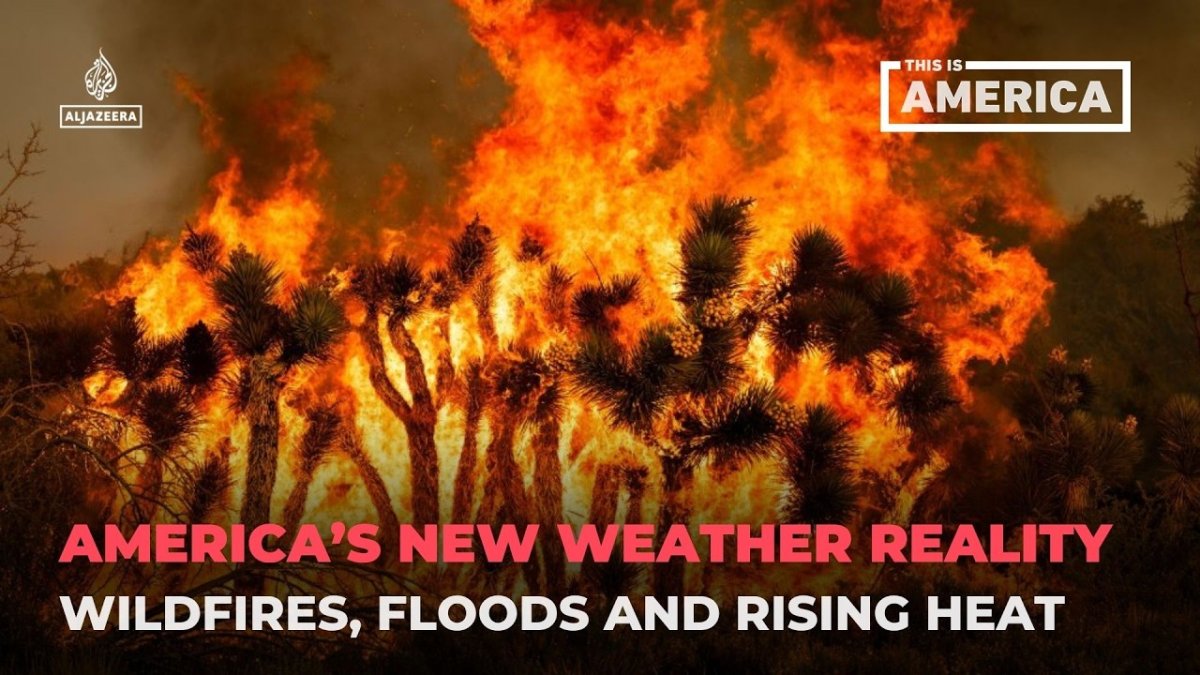
Amazon and Pantanal Under Pressure
The Amazon faces heightened drought risk from intense heatwaves and prolonged water deficits forecast for the Amazonas region. In the Pantanal active fires crossed the border into a protected area of Bolivia during July. Brazil's Supreme Court ruled that federal authorities must develop comprehensive fire protection plans for both the Amazon and Pantanal. Although 2025 saw only 12.7 million hectares burned representing a 31 percent drop below average the trend reversed sharply in 2026. INPE satellite monitoring tracks rising focos de calor across the basin. These ecosystems already stressed by deforestation now confront the double burden of extreme heat and reduced rainfall. Fires threaten biodiversity indigenous territories and the global carbon sink that helps stabilize the climate for the entire hemisphere. Latin American governments face mounting pressure to enforce protections while communities on the ground battle flames with limited resources. The Pantanal's status as the world's largest tropical wetland makes its protection vital for regional water cycles and wildlife corridors that span multiple countries.
Failure to act risks irreversible tipping points that would amplify extreme weather across North and South America alike. The data from satellite hotspots serve as an early warning that must not be ignored.
El Niño Meets Climate Change
A record-breaking Super El Niño drives the current crisis with the Niño 3.4 index reaching +2.39°C and median projections approaching 3.6°C potentially the strongest since the late 1800s. Climate change amplifies baseline temperatures turning what might have been a moderate event into a catastrophic one. Scientists describe El Niño as the match laid atop the gasoline of fossil fuel emissions. Brazil's 2025 reprieve with lower burned areas proved temporary as 2026 trends reverse. The combination of natural variability and human-driven warming creates conditions where heat records fall almost daily across the hemisphere. Latin American meteorological agencies work overtime to update models that now must account for both phenomena simultaneously. The data show that every fraction of a degree of additional warming multiplies the intensity and frequency of extremes from US heat domes to Brazilian winter scorchers. International cooperation on emissions reductions remains essential yet insufficient without immediate adaptation funding for vulnerable nations. The Super El Niño serves as a stark reminder that the window for decisive action narrows with each passing month.
Regional leaders increasingly frame the crisis as a shared responsibility requiring technology transfers and financial support from wealthier northern neighbors.
Voices from the Ground
Indigenous leaders in the Pantanal describe watching ancestral lands burn while pleading for stronger federal enforcement of the Supreme Court ruling. Farmers in northern Mexico report livestock dying from heat stress and crops wilting under 50°C skies. In Guyana elders recall never experiencing such hot nights and worry about the health of children. Brazilian activists celebrate the STF decision yet demand swift implementation before the next fire season. Urban residents in Colombia's Cúcuta speak of ecoansiedad as temperatures refuse to drop even after sunset. These voices converge on a single message that the crisis is no longer future tense but a daily lived reality demanding hemispheric solidarity. Data from medical centers and satellite monitoring validate their testimonies yet policy responses lag behind the accelerating pace of change. Latin American civil society organizations coordinate across borders to share strategies for community resilience. Their passion fuels hope that grassroots pressure can force governments to prioritize protection of people and ecosystems over short-term economic interests.
Personal stories humanize the statistics and remind policymakers that behind every record temperature lies a family facing impossible choices.
The Bottom Line — A Hemisphere on the Boil
The shared hemispheric extreme weather crisis of July 2026 reveals a continent where US heat domes Canadian smoke Brazilian winter records Mexican deaths and Amazon fires all stem from the same root causes. Super El Niño amplified by climate change has placed the entire Americas on the boil. Over 100 million Americans under alerts mirror the suffering of thousands treated for golpe de calor in Mexico and record minima in Guyana. Wildfire hectares doubling since the 1990s and floods on eight of ten days connect directly to Pantanal border crossings and Amazon drought forecasts. The data are unambiguous and the human cost continues to mount. Latin America stands ready to lead on adaptation while insisting that northern emitters shoulder historical responsibility. Coordinated early warning systems cross-border fire management and rapid emissions cuts offer the only viable path forward. Without urgent action the records set this July will appear mild compared with future seasons. The hemisphere must act as one before the boil becomes an irreversible inferno.
By Elena Vasquez, Staff Writer
This article was produced with AI-assisted research and editorial support. Reporting is based on sources cited in the article.
What's Your Reaction?
 Like
0
Like
0
 Dislike
0
Dislike
0
 Love
0
Love
0
 Funny
0
Funny
0
 Wow
0
Wow
0
 Sad
0
Sad
0
 Angry
0
Angry
0

Latin America Correspondent at Global1.News. Based in Mexico City, covering politics, economics, energy, and culture across the region. Brings an on-the-ground perspective to stories spanning from the Rio Grande to Patagonia.













Comments (0)