
Japan Kyushu Earthquake: 30 Dead, Rescue Race at Collapsed Mall
A 6.8-magnitude earthquake struck Japans Kumamoto Prefecture on July 28, killing 30 people and trapping survivors in a collapsed AEON Mall. Rescuers race against time as thousands face brutal summer heat without power or water.
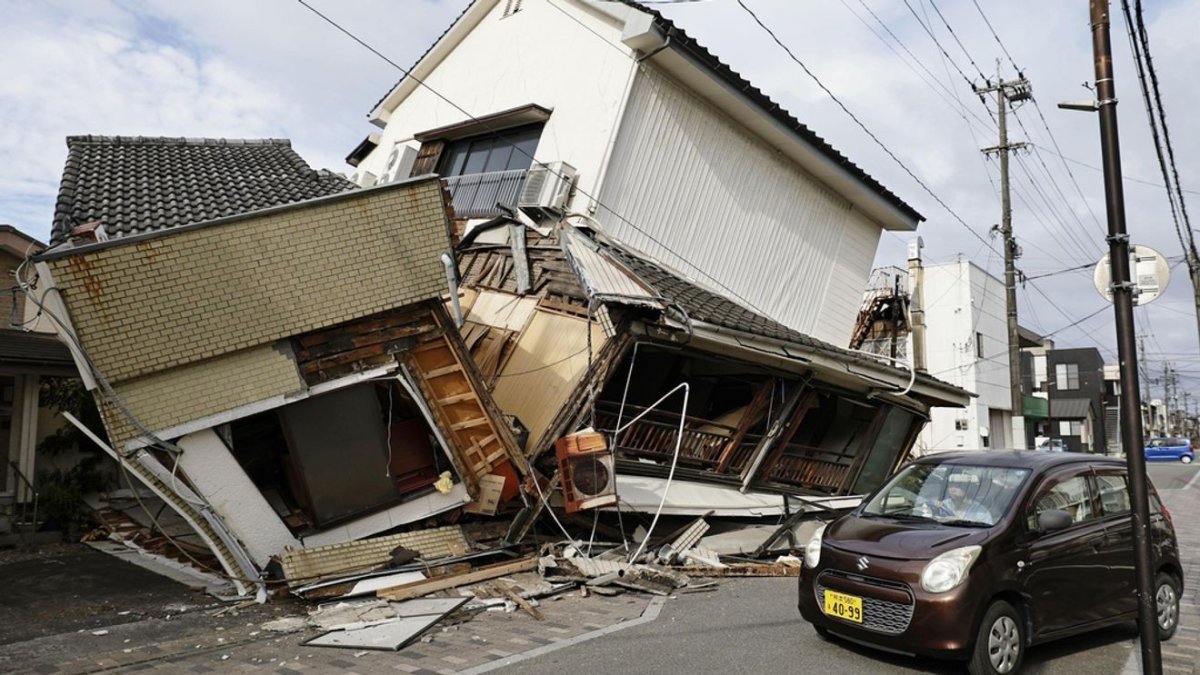
Folks, a catastrophic earthquake has turned southwestern Japan into a disaster zone. The numbers are climbing by the hour. What started Tuesday afternoon as a violent tremor along Kyushu island has now claimed at least 30 lives, according to The Guardian and New Indian Express, with rescue crews still digging through the rubble of a collapsed shopping mall, a damaged paper mill, and dozens of homes that simply folded under the force of the shaking.
This isn't a drill. This is a 6.8-magnitude wake-up call for one of the most seismically prepared nations on Earth.
Japan's Kyushu Earthquake: 30 Dead, Survivors Trapped in Collapsed Mall as Rescue Race Continues
Kumamoto, Japan — When the ground stopped moving at 4:30 PM local time on Tuesday, July 28, the scale of the destruction was just beginning to reveal itself. The earthquake, initially measured at magnitude 7.1 by the Japan Meteorological Agency and later revised to 6.8 by the U.S. Geological Survey, struck near the coastal city of Uto — about 30 miles from Kumamoto City on the southern main island of Kyushu. It registered a maximum 7 on Japan's shindo seismic intensity scale, the highest level on the scale used throughout the country to measure ground shaking.
Death Toll Rises to 30 as of Thursday Morning
As of Thursday, July 30, the death toll has climbed to 30, according to reporting from The Guardian. Japan's Chief Cabinet Secretary Minoru Kihara confirmed in a press briefing Thursday morning that at least 28 people were confirmed dead as of 6:30 AM local time, as reported by Xinhua. The New Indian Express subsequently updated the figure to 30, citing emergency officials on the ground. The discrepancy reflects the fluid nature of a search-and-rescue operation still in full swing.
"We are doing everything in our power to reach those still trapped," Kihara told reporters in Tokyo. Dozens more are injured, with hospitals across Kumamoto Prefecture reporting an influx of casualties. The true toll may not be known for days.
AEON Mall Collapse: A Shopping Center Becomes a Tomb
The most devastating single incident occurred at the AEON Mall in Kashima City, where a massive section of the shopping complex collapsed as the earthquake struck. Witnesses described scenes of panic as shoppers and staff scrambled for exits while steel beams buckled and concrete slabs fell. Rescuers have been working around the clock, using heavy machinery and search dogs to locate survivors entombed in the wreckage.
CBS News reported that emergency teams are racing against the clock, with the likelihood of finding survivors diminishing with each passing hour. The 72-hour window — widely considered the critical period for rescue operations after a structural collapse — has already passed. But Japanese Self-Defense Forces and firefighters continue their methodical search, pulling survivors from voids in the debris even as aftershocks rattle the unstable ruins.
Infrastructure in Ruins: Bridges, Power, and Transport
The earthquake's reach extended far beyond the shopping mall. In neighboring Yatsushiro City, a bridge partially collapsed, severing a key transport link between communities. The New York Times reported that roads were buckled and cracked across much of southern Kyushu, complicating access for emergency vehicles. A paper mill in the industrial zone of the prefecture also suffered structural damage, though officials said no workers were killed at that site.
Power outages swept across large portions of Kyushu immediately after the quake, affecting hundreds of thousands of households. Kyushu Electric Power Company reported that repairs were underway but warned that full restoration could take days. Train services across the region were suspended, including portions of the Kyushu Shinkansen bullet train line, as engineers inspected tracks and overhead wiring for damage.
Fires, Aftershocks, and the Struggle for Survivors
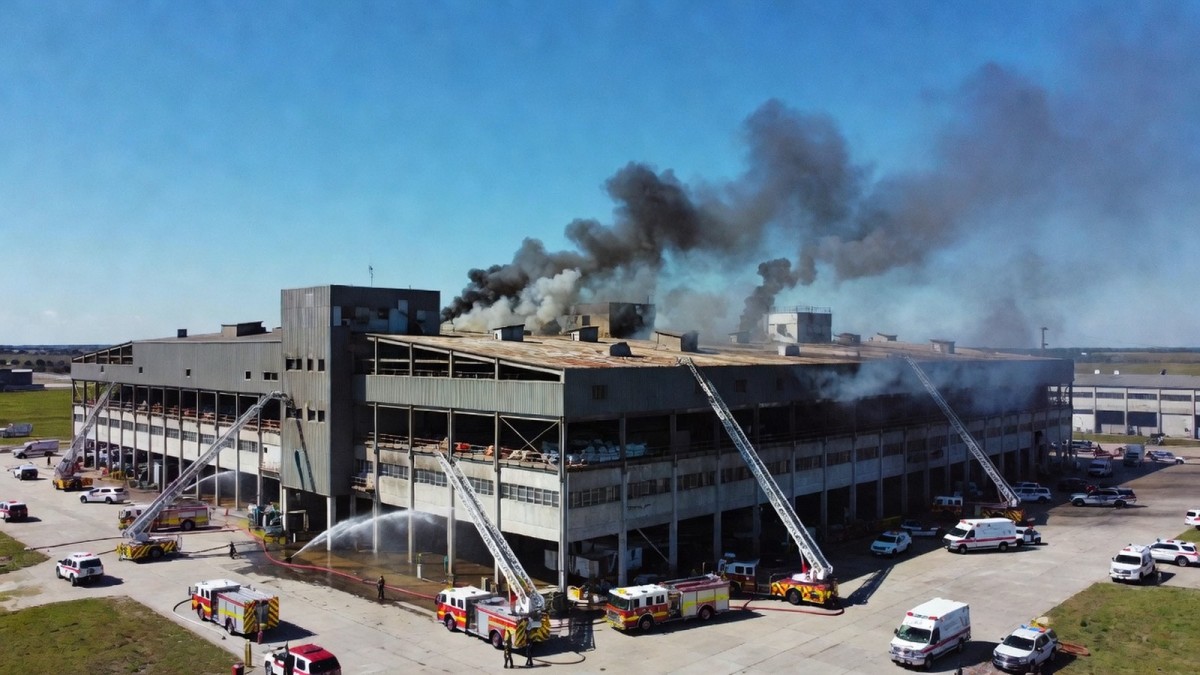
The earthquake ignited fires in multiple locations across Kumamoto Prefecture. Fire departments responded to blazes in residential neighborhoods where leaking gas lines and downed power lines created volatile conditions. While most fires were contained within hours, several homes were reduced to ash before firefighters could reach them.
Aftershocks have continued to rattle the region. The USGS reported dozens of aftershocks ranging from magnitude 3.0 to 5.2 in the days following the main quake. Each tremor sends a fresh wave of fear through evacuated communities already living in shelters. The Japan Meteorological Agency warned that strong aftershocks could continue for weeks and urged residents to remain vigilant.
A tsunami advisory was issued immediately after the earthquake for coastal areas along the Ariake Sea and Yatsushiro Sea. Coastal residents were urged to move to higher ground. The advisory was lifted within hours when no significant wave materialized, but the brief evacuation order added to the chaos of an already panicked population.
Survivors Face Punishing Summer Heat
Adding to the misery: the weather. Southern Japan in late July is brutally hot and humid, with daytime temperatures soaring past 35 degrees Celsius (95 degrees Fahrenheit). Thousands of displaced residents are huddled in evacuation centers — schools, community halls, and temporary shelters — many without air conditioning or adequate water supplies. The New Indian Express reported that survivors are "struggling in punishing heat," with cases of heat exhaustion already reported among the displaced.
"The heat is unbearable," one evacuee told Al Jazeera from a shelter in Kashima. "We survived the earthquake, but I don't know how we survive this heat with no power and limited water." Aid organizations, including the Japanese Red Cross, have deployed mobile cooling centers and water distribution points, but the scale of need is overwhelming.
Government Response and Historical Context
Japan's government has mobilized a full-scale emergency response. Prime Minister Shigeru Ishiba — who succeeded Fumio Kishida in late 2024 — convened an emergency cabinet meeting within hours of the quake, authorizing the deployment of Self-Defense Forces units to assist with search and rescue. Over 2,000 personnel have been dispatched to the affected region, along with helicopters, medical teams, and engineering units.
This disaster carries painful echoes for Kumamoto Prefecture. In April 2016, a magnitude 7.3 earthquake struck the same region, killing 276 people and causing catastrophic damage. The 2016 quake was itself preceded by a magnitude 6.2 foreshock, making the sequence one of the most destructive in Japan's modern history. Tuesday's earthquake struck near the same fault zone, raising questions about whether the region's seismic infrastructure has been adequately reinforced in the decade since.
"Japan is the most earthquake-prepared nation in the world, and yet buildings still collapsed," said Dr. Hiroshi Yamaguchi, a seismic engineer at the University of Tokyo, in an interview with the Associated Press. "The AEON Mall was built to modern codes. What happened tells us that either the shaking exceeded design parameters, or there may have been structural vulnerabilities that were not caught in inspections."
What Comes Next: A Long Recovery Ahead
The search for survivors is far from over. Emergency crews continue to comb through the rubble of the AEON Mall, the paper mill, and dozens of collapsed homes. Officials have not yet released an official count of the missing, but local media reports suggest the number could be significant. The Japanese government has established a dedicated task force to coordinate the multi-agency response, with support offers pouring in from the United States, South Korea, Taiwan, and other allied nations.
The economic toll will be staggering. Kumamoto Prefecture is a major agricultural and manufacturing hub, home to semiconductor plants, automobile parts factories, and extensive farmland. The disruption to power, transport, and water infrastructure will ripple through supply chains. Analysts from Nomura Securities estimated initial losses could exceed ¥500 billion ($3.5 billion USD), though the figure is expected to rise as damage assessments continue.
The human toll, of course, cannot be quantified in yen or dollars. Thirty families will never see their loved ones again. Dozens more are in hospitals fighting for their lives. Thousands are sleeping in evacuation centers, uncertain when they can return home or even if they have a home to return to.
How You Can Help
For our viewers here in the U.S. and around the world who want to help: The Japanese Red Cross Society is accepting donations for earthquake relief at their official website. Organizations including Doctors Without Borders, Save the Children, and Direct Relief have also activated response operations in Kyushu. If you're in Japan, check on elderly neighbors — they are often the most vulnerable in disasters like this one. If you're outside Japan, spread verified information from credible news organizations and avoid sharing unconfirmed reports.
This is a developing story. We will continue to monitor the situation in Kumamoto and bring you updates as they emerge. The ground may have stopped shaking, but for the people of Kyushu, the long road to recovery is just beginning.
By Jessica Ali, Staff Writer
This article was produced with AI-assisted research and editorial support. Reporting is based on sources cited in the article.
What's Your Reaction?
 Like
0
Like
0
 Dislike
0
Dislike
0
 Love
0
Love
0
 Funny
0
Funny
0
 Wow
0
Wow
0
 Sad
0
Sad
0
 Angry
0
Angry
0

Editor-in-Chief at Global1.News. Atlanta-based journalist who cuts through the BS and tells it like it is. Lead anchor, host, and the voice you hear when the spin stops and the truth starts.














Comments (0)