
US Retail Sales Take a Sharp Hit as Consumers Reel From Banking Turmoil and Slimmer Refunds
US retail sales fell 1% in March, far steeper than the 0.4% expected decline, as slimmer tax refunds ($84B vs $109B last year) and expired pandemic benefits squeezed household budgets. General merchandise dropped 3%, gas stations fell 5.5%, and inflation expectations jumped to 4.6%.
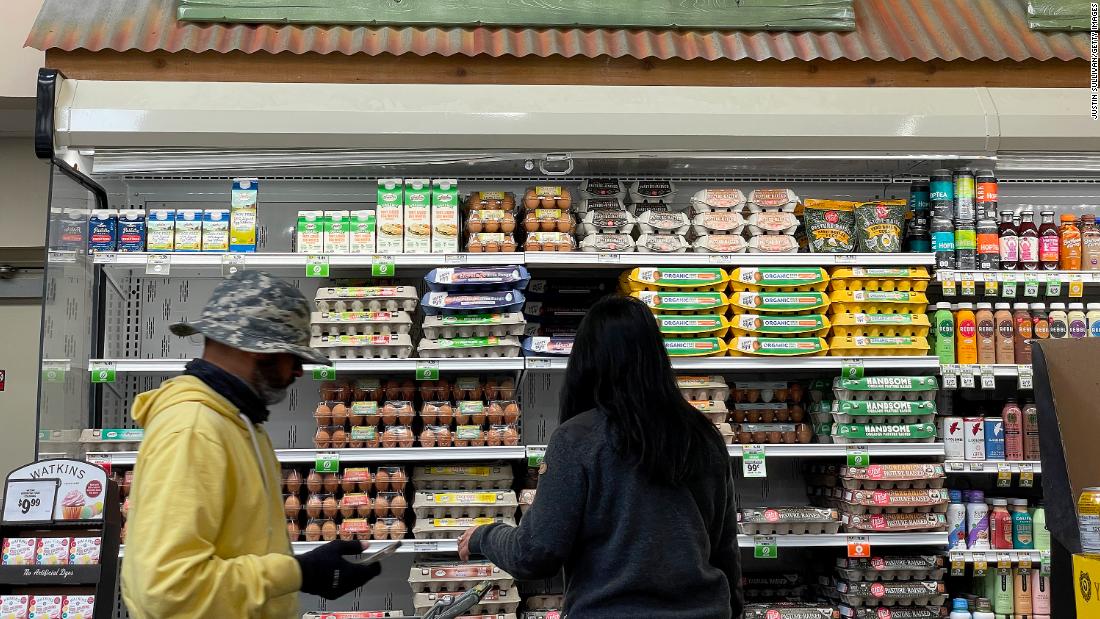
March Figures Reveal Steeper Decline Than Anticipated
Retail sales at US stores dropped 1 percent in March compared with the previous month, according to the Commerce Department report released on Friday. The decline outpaced the 0.4 percent drop that Refinitiv analysts had projected and exceeded the revised 0.2 percent fall recorded in February. Seasonally adjusted but not inflation-adjusted, the numbers underscore how quickly spending cooled after the banking crisis stoked recession worries.
Investors pointed to delayed tax refunds and a softening labor market as key drivers behind the weakness. The pullback hit discretionary purchases especially hard, leaving retailers facing thinner foot traffic and lower checkout totals. This marks a clear shift from the more resilient patterns seen earlier in the year.
Even with the monthly slide, retail spending still posted a 2.9 percent gain over the same period last year. That year-over-year resilience offers a narrow bright spot, yet it does little to offset the immediate concern over the abrupt March contraction.
Analysts at major banks noted that the March reading arrived at a sensitive time, when households typically rely on refunds to boost spring purchases. The shortfall in those payments amplified the broader caution already creeping into consumer behavior.
Tax Refund Shortfall Squeezes Household Budgets
The IRS distributed 84 billion dollars in tax refunds during March, a sum 25 billion dollars below the amount issued in March 2022, according to Bank of America analysts. That reduction left many families with less cash on hand precisely when they expected extra spending power. Department stores and sellers of durable goods felt the pinch first.
Economists tied the smaller refunds directly to reduced outlays at general merchandise outlets and on big-ticket items such as appliances and furniture. Households that had planned around last year's larger checks suddenly faced tighter margins, prompting a swift cutback in non-essential buying.
Bank of America researchers tracking credit and debit card activity per household recorded the slowest pace of spending in more than two years during March. The moderation aligned with both the refund shortfall and the end of enhanced pandemic-era support programs.
Those expired benefits, including supplemental nutrition assistance, removed another layer of support that had previously flowed into grocery and retail channels. The combined effect left consumers more selective about where and how they spent available dollars.
Sector-Specific Spending Drops Highlight Vulnerabilities
Spending at general merchandise stores fell 3 percent in March from February levels, while outlays at gas stations declined 5.5 percent over the same stretch. These sharp drops illustrate how quickly certain categories can contract when household cash flow tightens. Excluding gas station sales, overall retail spending still retreated 0.6 percent month-over-month.
The gas station decline partly reflected lower pump prices, yet it also signaled reduced driving and travel plans amid economic uncertainty. General merchandise weakness, by contrast, pointed to deliberate belt-tightening on clothing, home goods, and other everyday items.
Retailers in these segments now face the task of adjusting inventory and promotions to match the new reality. Early signs suggest promotional activity may intensify in coming weeks as stores attempt to clear shelves and lure cautious shoppers back.
Despite the monthly declines, the year-over-year comparison remains positive at 2.9 percent, reminding analysts that the underlying consumer base has not collapsed. The challenge lies in sustaining that momentum if refund patterns and labor conditions continue to soften.
Labor Market and Wage Trends Show Mixed Signals
Average hourly earnings rose 4.2 percent in March from a year earlier, down from the prior month's 4.6 percent annualized increase and marking the smallest annual gain since June 2021, according to Bureau of Labor Statistics data. The slowdown in wage growth adds another layer of pressure on household purchasing power.
The Employment Cost Index, a broader gauge of worker compensation, has similarly indicated that pay gains have moderated over the past year. With the next quarterly reading due later this month, economists will watch closely for confirmation that compensation trends are cooling further.
Even so, the labor market continues to add jobs at a historically solid clip. Employers brought on 236,000 new workers in March, a figure that remains robust by long-term standards though below the average monthly pace of the preceding six months.
That continued hiring supports the view that consumer income growth can still underpin spending in the near term. The tension between slowing wage gains and steady job creation will shape how far the current retail softness extends.
Job Growth and Openings Data Point to Cooling Momentum
The latest Job Openings and Labor Turnover Survey showed available positions remained elevated in February yet stood more than 17 percent below the March 2022 peak of 12 million. Revised unemployment claims data also revealed higher filings than previously reported, hinting at early softening in labor demand.
Economists at the Federal Reserve have already built recession risks into their forecasts for later this year, citing the lagged impact of higher interest rates. Those projections predated the recent bank failures but now carry added weight given the fresh uncertainty.
Employers appear to be dialing back hiring plans even as they avoid outright layoffs. The result is a labor market that stays tight enough to support incomes but no longer accelerates at the pace seen last year.
That balance could prove fragile if consumer spending continues to weaken and feeds back into business caution. Retail figures from March already hint at how quickly sentiment can translate into lower sales when confidence wavers.
Banking Crisis Effects on Sentiment Remain Contained So Far
Consumer sentiment tracked by the University of Michigan dipped slightly in March amid the bank failures, though the decline had begun before those events. By April the reading held steady, suggesting households have not yet altered their broader outlook in response to the turmoil.
Survey director Joanne Hsu noted that consumers are bracing for a downturn without feeling the acute pessimism of last summer. They appear to be waiting for clearer signals before adjusting spending plans further.
Banking sector stress has not yet produced widespread deposit runs or credit disruptions for typical households. That limited transmission so far helps explain why sentiment has not deteriorated more sharply despite the high-profile collapses.
Still, the episode serves as a reminder that financial stability concerns can quickly influence behavior even when direct effects remain narrow. Retailers will monitor upcoming sentiment releases for any acceleration in caution.
Inflation Expectations Rise Amid Higher Gas Prices
Year-ahead inflation expectations climbed a full percentage point in April, moving from 3.6 percent in March to 4.6 percent, according to the University of Michigan survey. Higher gas prices contributed to the jump, pushing households to anticipate faster price increases ahead.
The shift in expectations occurred even as overall sentiment stabilized, indicating that consumers separate near-term price pressures from their broader economic assessment. Gas costs remain a visible and immediate factor in monthly budgets.
Analysts caution that sustained higher inflation expectations could complicate the Federal Reserve's efforts to bring price growth back to target. If households begin embedding those views into wage demands or spending decisions, the path to lower inflation may lengthen.
For now, the data show expectations rising without a corresponding collapse in confidence. That separation offers policymakers some breathing room, though it will require close watching in subsequent months.
Broader Economic Outlook Hinges on Consumer Resilience
Mastercard Economics Institute chief economist Michelle Meyer emphasized that income growth, household balance sheets, and labor market health still favor the consumer overall. Those fundamentals could help spending hold up even as monthly retail readings fluctuate.
Yet the March sales drop, combined with smaller refunds and moderating wage gains, illustrates how quickly those supports can be tested. Retailers and policymakers alike will track whether the April sentiment stability persists or gives way to deeper caution.
Federal Reserve forecasts already incorporate subdued growth and recession risks later this year. The banking turbulence adds another variable that could accelerate or delay that timeline depending on how credit conditions evolve.
Consumers appear prepared for tougher conditions without having fully adjusted behavior yet. The coming months will reveal whether that restraint deepens or whether steady job gains and balance-sheet strength keep spending on a steadier path.
This article was produced with AI-assisted research and editorial support. Reporting is based on sources cited in the article.
What's Your Reaction?
 Like
0
Like
0
 Dislike
0
Dislike
0
 Love
0
Love
0
 Funny
0
Funny
0
 Wow
0
Wow
0
 Sad
0
Sad
0
 Angry
0
Angry
0

Editor-in-Chief at Global1.News. Atlanta-based journalist who cuts through the BS and tells it like it is. Lead anchor, host, and the voice you hear when the spin stops and the truth starts.















Comments (0)