
Bangkok Royal Motorcade Honors Princess Bajrakitiyabha
The Royal Motorcade Moves Through Central Bangkok On Saturday, His Majesty King Maha Vajiralongkorn and Her Majesty the Queen led the royal motorcade that carried the body of Princess Bajrakitiyabha Narendiradebyavati from Chulalongkorn Hospital to Pimarn Rattaya Hall at the Grand Palace. The procession passed through central Bangkok streets where large numbers of mourners stoo
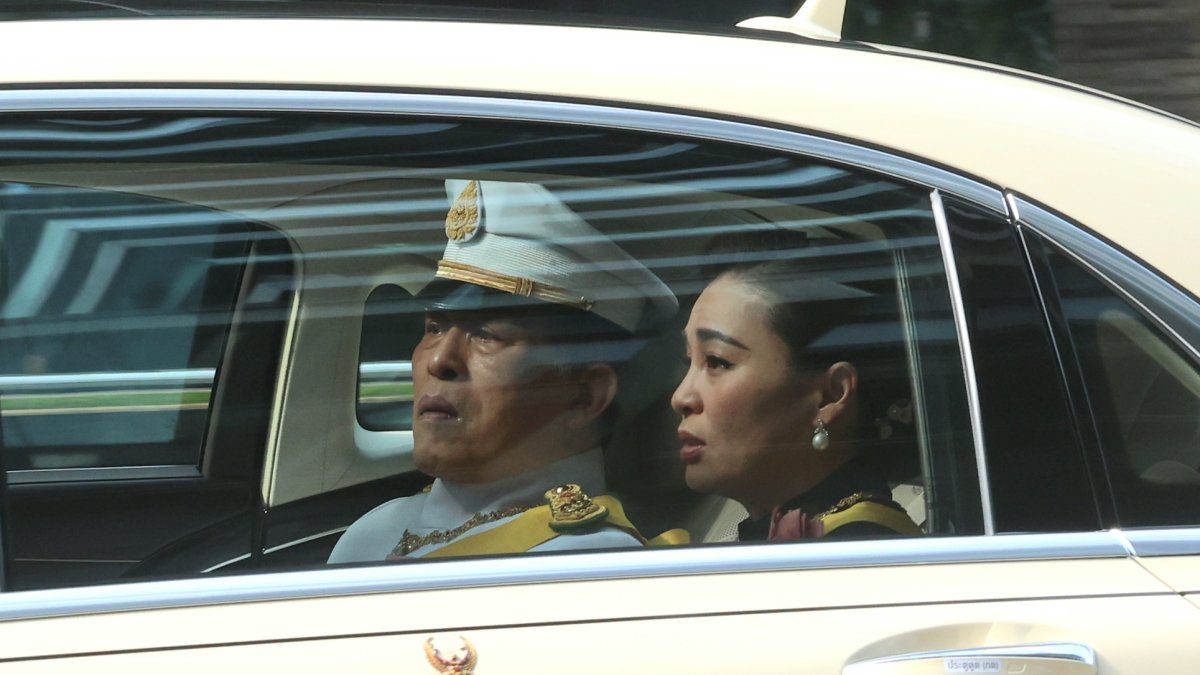
The Royal Motorcade Moves Through Central Bangkok
On Saturday, His Majesty King Maha Vajiralongkorn and Her Majesty the Queen led the royal motorcade that carried the body of Princess Bajrakitiyabha Narendiradebyavati from Chulalongkorn Hospital to Pimarn Rattaya Hall at the Grand Palace. The procession passed through central Bangkok streets where large numbers of mourners stood along the route, many bowing their heads, crying openly, and holding portraits of the late Princess as the vehicles moved by.
Thai communities in Bangkok have long gathered in this way during royal ceremonies, reflecting the deep respect for the monarchy that shapes daily life across the capital and beyond. The motorcade followed a direct path through familiar districts, allowing residents from nearby neighborhoods to pay their respects in person before the body reached its destination at the Grand Palace.
Preparation for the Royal Bathing Rite at Pimarn Rattaya Hall
Upon arrival at the Grand Palace, the body was placed at Pimarn Rattaya Hall and prepared for the Royal Bathing Rite, a traditional step in Thai royal funeral ceremonies. Members of the Royal Family performed the ceremonial pouring of water over the body as part of these rites, marking the formal beginning of the funeral observances.
Buddhist monks then conducted chanting at the hall, a practice rooted in Thai Buddhist traditions that guide the spirit during times of transition. The King and Queen later laid wreaths in front of the royal urn, completing the initial sequence of ceremonies on Saturday.
This sequence of events at the Grand Palace connects directly to longstanding customs observed in Thai royal funerals, where the community and family participate in structured rites that honor the deceased while reinforcing shared cultural values.
The Life and Service of Princess Bajrakitiyabha Narendiradebyavati
Princess Bajrakitiyabha Narendiradebyavati was born in 1978 as the eldest daughter of His Majesty the King and Princess Somsawali. Throughout her life she served in diplomatic and legal roles, earning recognition for her contributions to public service and humanitarian causes that included support for disaster relief efforts and initiatives aiding prisoners and vulnerable groups.
Her work extended to practical programs that addressed needs in Thai society, such as assistance during natural disasters that frequently affect regions like the Isaan area and coastal provinces. These efforts aligned with broader Thai values of compassion and community support that many families in Bangkok and rural areas continue to uphold.
On 14 December 2022, the Princess collapsed due to a serious heart condition while training dogs for an event and was admitted to Chulalongkorn Hospital, where she received ongoing medical care until her passing on 11 June 2026 at the age of 47.
Buddhist Traditions Guiding the Funeral Rites
The Buddhist chanting that opened the funeral rites at Pimarn Rattaya Hall follows practices observed in temples across Thailand, from Bangkok to Chiang Mai. These chants provide a structured way for mourners to reflect on impermanence and offer merit to the departed, a custom that remains central to Thai daily life and community gatherings.
Royal ceremonies like the one held this week at the Grand Palace draw on these same traditions, allowing the wider public to connect their personal experiences of loss with national observances. The presence of monks and the pouring of water ritual emphasize continuity in Thai Buddhist culture that influences everything from village temples to urban centers.
For families in the Isaan region and other provinces, such rites offer a familiar framework during times of national mourning, reinforcing the role of Buddhism in helping communities process events together.
Implications for Thailand and Southeast Asian Neighbors
The transfer of the Princess's body and the start of funeral ceremonies at the Grand Palace this Saturday highlight the monarchy's central place in Thai society, where public participation in such events strengthens social cohesion across Bangkok and the provinces. This matters for Thailand's stability as the country continues to navigate economic and social changes in the coming months.
Within ASEAN, Thailand's royal traditions influence regional perceptions of cultural continuity and diplomatic steadiness. Neighbors in Southeast Asia often look to Thai ceremonies as examples of how heritage institutions support national identity, which in turn affects tourism flows and cross-border cultural exchanges that benefit economies from Phuket to neighboring countries.
The humanitarian focus of Princess Bajrakitiyabha's work on disaster relief and support for vulnerable groups also resonates with ongoing regional efforts to address shared challenges like climate impacts and community welfare programs coordinated through ASEAN frameworks.
Community Mourning and Daily Life in Bangkok
Mourners who lined the motorcade route on Saturday represented a cross-section of Bangkok residents, many of whom paused their routines to express respect in ways that echo gatherings at local temples during Loy Krathong or other seasonal observances. This public response shows how royal events intersect with everyday expressions of gratitude and remembrance in Thai communities.
The ceremonies at the Grand Palace will continue in the days ahead, providing structured opportunities for additional participation that help maintain a sense of collective purpose. For readers across Thailand and the region, these events underscore the enduring links between personal loss, cultural practice, and national life.
By Ann Srisawat, Staff WriterThis article was produced with AI-assisted research and editorial support. Reporting is based on sources cited in the article.
What's Your Reaction?
 Like
0
Like
0
 Dislike
0
Dislike
0
 Love
0
Love
0
 Funny
0
Funny
0
 Wow
0
Wow
0
 Sad
0
Sad
0
 Angry
0
Angry
0

Southeast Asia Correspondent at Global1.News. Based in Bangkok, covering Thai and Southeast Asian politics, economy, technology, and culture. Deep regional perspective on one of the world's most dynamic regions.













Comments (0)