
Sony Revives Hollywood's Iconic Cinerama Dome for 2028...
Sony Pictures Entertainment will restore and reopen Hollywood's historic Cinerama Dome by early 2028, with renovations starting August 2026. The iconic geodesic theater and adjacent 14-screen multiplex will be operated by Alamo Drafthouse Cinema, preserving the landmark's legacy while adding premium programming and dine-in services.
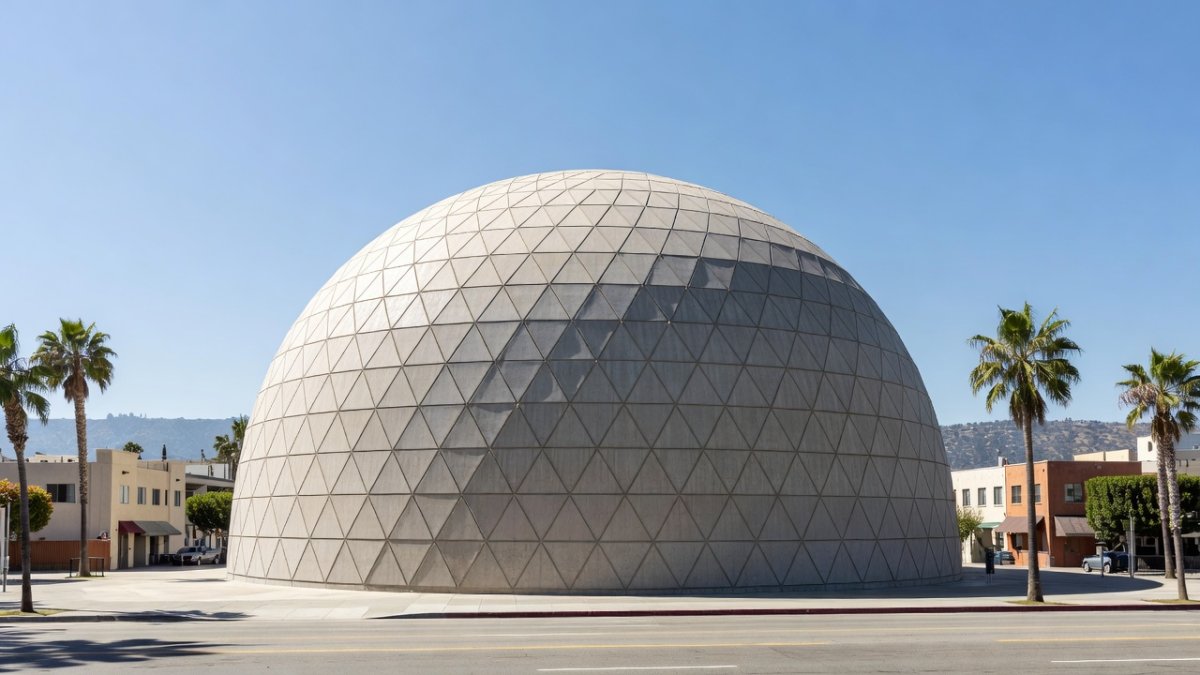
Sony Revives Hollywood's Iconic Cinerama Dome for 2028 Reopening
The Cinerama Dome, one of Hollywood's most recognizable architectural landmarks, will rise again. Sony Pictures Entertainment announced on July 22, 2026, that it will restore and reopen the iconic geodesic movie theater, which has sat dark since the COVID-19 pandemic forced its closure in 2020. The project marks a significant investment in theatrical exhibition by the Japanese entertainment conglomerate, coming through its wholly-owned subsidiary Alamo Drafthouse Cinema.
Tags: Sony Pictures, Cinerama Dome, Hollywood, Alamo Drafthouse, theater reopening, movie exhibition, Los Angeles landmarks, Ravi Ahuja, Tom Rothman, Pacific Theatres, ArcLight Cinemas, 70mm film, immersive cinema, Japanese entertainment, Sony Group
The Restoration Plan: Preserving a Cultural Monument
Sony Pictures Entertainment (SPE) and Alamo Drafthouse Cinema will restore the Cinerama Dome, a Los Angeles Historic Cultural Monument located on Sunset Boulevard in the heart of Hollywood. Renovations are set to begin in August 2026 and continue through early 2028. The Dome will retain its historic "Cinerama" name and exterior branding, with the iconic concrete geodesic structure and 86-foot-wide deeply curved screen carefully preserved.
Unlike the adjacent multiplex, the Dome itself will not operate as a dine-in theater. SPE stated that the traditional concession experience will be maintained, preserving the classic moviegoing atmosphere that generations of audiences have cherished. The Dome's programming will be complemented by Alamo Drafthouse's signature offerings, including repertory screenings, filmmaker series, premieres, and special events.
"There is no moviegoing destination anywhere in the world that commands the affection, history, and cultural significance of the Cinerama Dome. It represents the kind of singular experience we value and champion," said Ravi Ahuja, Chairman and CEO of Sony Pictures Entertainment. "This is a meaningful moment for our company, our industry, and Los Angeles. We look forward to honoring and extending the Dome's extraordinary legacy."
The Multiplex Reborn: ArcLight Complex Becomes Alamo Drafthouse
As part of the same deal, Sony will also reopen the adjacent 14-screen theater complex — formerly the ArcLight Cinemas Hollywood location — as an Alamo Drafthouse Cinema. This multiplex will offer the full Alamo Drafthouse experience: premium presentations, dine-in services, curated programming, repertory screenings, designated karaoke rooms, and fan celebrations.
The complex will retain 35mm film projection capabilities to showcase archival prints and will house several premium format screens equipped with immersive audio and 4K laser projection, including 70mm capabilities. This technical investment signals Sony's commitment to preserving analog film formats even as the industry rapidly shifts toward digital and streaming distribution.
"Hot damn! We're bringing the Dome back, baby. We believe in moviegoing down to our soul, and no venue on earth stands more for that than the one-of-a-kind Dome. I am deeply proud that Sony is investing in Hollywood, literally," said Tom Rothman, Chairman and CEO of SPE Motion Picture Group.
Historical Significance: From 1963 to a New Era
Opened on November 7, 1963, the Cinerama Dome was designed by Welton Becket Associates, inspired by Buckminster Fuller's geodesic dome concept. Its construction required 316 interlocking concrete panels assembled in just 16 weeks — a remarkable engineering feat for the era. The theater's 937 seats surrounded an enormous curved screen engineered to immerse audiences in the Cinerama widescreen format, which used three synchronized projectors to create a panoramic viewing experience.
The Dome opened with the world premiere of "It's a Mad, Mad, Mad, Mad World" in 70mm and went on to host era-defining premieres for decades. It became known as one of the world's premier venues for 70mm exhibition, showcasing films that demanded the largest possible canvas. The original developer was William R. Forman, founder of Pacific Theatres, which operated the Dome as part of the ArcLight Hollywood complex until both venues closed during the pandemic in 2020.
The closure was a devastating blow to Hollywood cinema culture. For six years, the Dome sat empty, its future uncertain, as the theater exhibition industry struggled with shifting consumer habits and the rise of streaming platforms.
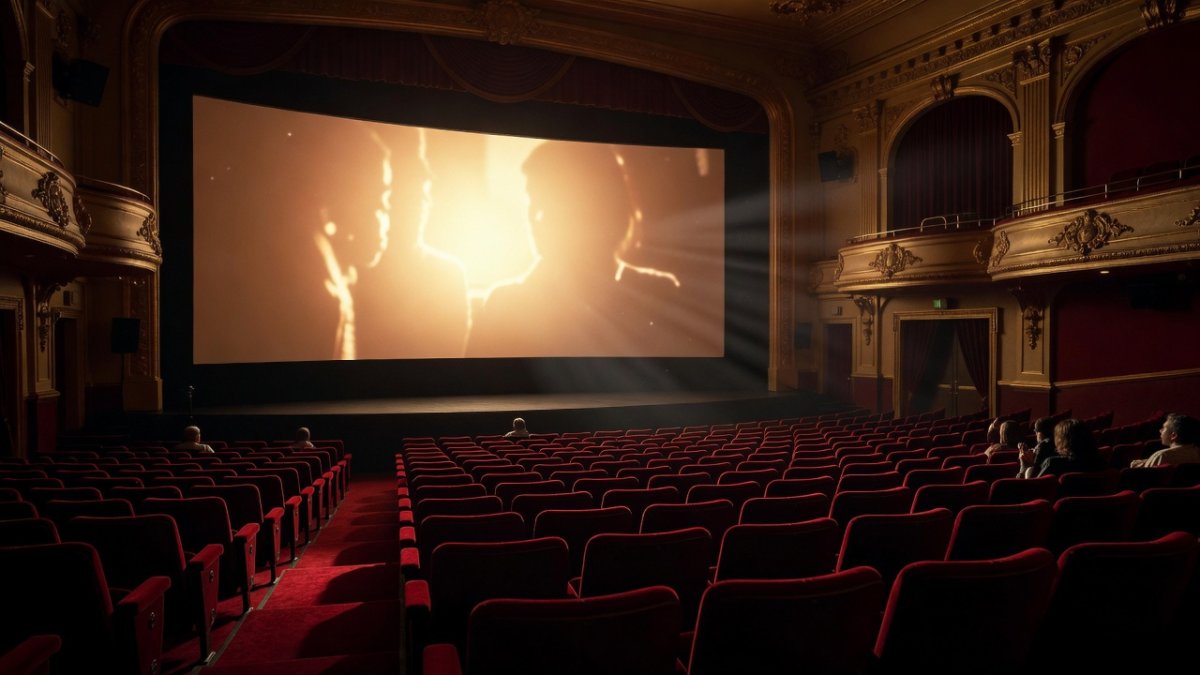
Sony's Exhibition Strategy: A Japanese Giant in Hollywood
Sony's commitment to the Cinerama Dome project builds on a broader strategy of vertical integration in entertainment. The company acquired Alamo Drafthouse Cinema in 2024, adding the Austin-based theater chain's expertise in curated programming and premium in-cinema experiences to its portfolio. This acquisition gave Sony direct control over a theatrical exhibition network, a rare position for a major Hollywood studio.
The move parallels strategies by other Japanese entertainment conglomerates investing in physical entertainment infrastructure. Sony has also invested in Cosm, an immersive entertainment technology company, further expanding its footprint in experiential entertainment.
Michael Kustermann, CEO of Alamo Drafthouse and Head of Sony Pictures Experiences, framed the Dome project within a longer trajectory of cinematic preservation: "For 30 years we have championed the kind of theatrical experience that turns a screening into an event, and created spaces where people come together to celebrate cinema. As our new West Coast flagship, we will offer extraordinary programming and events, while returning to Los Angeles one of its most beloved and culturally significant moviegoing destinations."
Alamo Drafthouse has a track record in this arena. In 2015, the company restored and resurrected San Francisco's historic New Mission Theater — now called the Christopher Nolan Cinema — transforming a venue that had been vacant for 20 years into one of the city's premier film destinations. That restoration preserved the theater's famous Art Deco façade and historic architectural details, setting a precedent for the Cinerama Dome project.
What This Means for the Film Industry and Audiences
The revival of the Cinerama Dome carries significant implications for both the Japanese entertainment industry and global cinema culture. For Sony, the project reinforces its long-held commitment to theatrical exhibition at a time when many studios are prioritizing direct-to-streaming releases. The investment signals confidence that premium theatrical experiences retain value even in an era of digital dominance.
For Japanese audiences and investors, the Dome project demonstrates how Sony leverages its Hollywood assets to create cultural infrastructure that strengthens brand identity. The preservation of a 1960s-era theater by a Japanese conglomerate illustrates the increasingly global nature of entertainment investment — where a Tokyo-based company becomes the steward of an iconic American cultural landmark.
The broader trend is clear: premium, large-format theatrical experiences command premium pricing. The industry's shift toward "event cinema" — IMAX, Dolby Cinema, 70mm screenings, and immersive formats — has accelerated since the pandemic. The Cinerama Dome, with its unique architectural identity and curved-screen heritage, is ideally positioned to capitalize on this trend.
What to Watch For
The Cinerama Dome's renovation, running from August 2026 through early 2028, represents a multi-year commitment to Hollywood's theatrical future. Observers should watch for details on the restoration scope — whether the Dome's original 70mm projection system will be fully restored, how Alamo Drafthouse will balance repertory programming with first-run releases, and what special events will mark the 2028 reopening.
For Sony shareholders and Japan-watchers, the Dome project is part of a larger narrative: Sony's transformation from a consumer electronics and gaming giant into a comprehensive entertainment company with direct stakes in content production, distribution, and physical exhibition. The Cinerama Dome, a 1960s architectural marvel born from America's mid-century optimism about the future of cinema, now finds its second act in the hands of one of Japan's most ambitious global corporations.
For film lovers, the message is simple: the Dome is coming back. Hollywood's most distinctive movie theater, which has hosted generations of cinematic memories, will once again welcome audiences under its concrete geodesic shell.
By Kenji Tanaka, Staff Writer
This article was produced with AI-assisted research and editorial support. Reporting is based on sources cited in the article.
What's Your Reaction?
 Like
0
Like
0
 Dislike
0
Dislike
0
 Love
0
Love
0
 Funny
0
Funny
0
 Wow
0
Wow
0
 Sad
0
Sad
0
 Angry
0
Angry
0

Japan Correspondent at Global1.News. Tokyo-based voice covering Japanese politics, technology, economy, and culture. Tracks the intersection of tradition and innovation in one of the world's most dynamic societies.















Comments (0)