
Dakar 2026: Africa's Olympic Moment
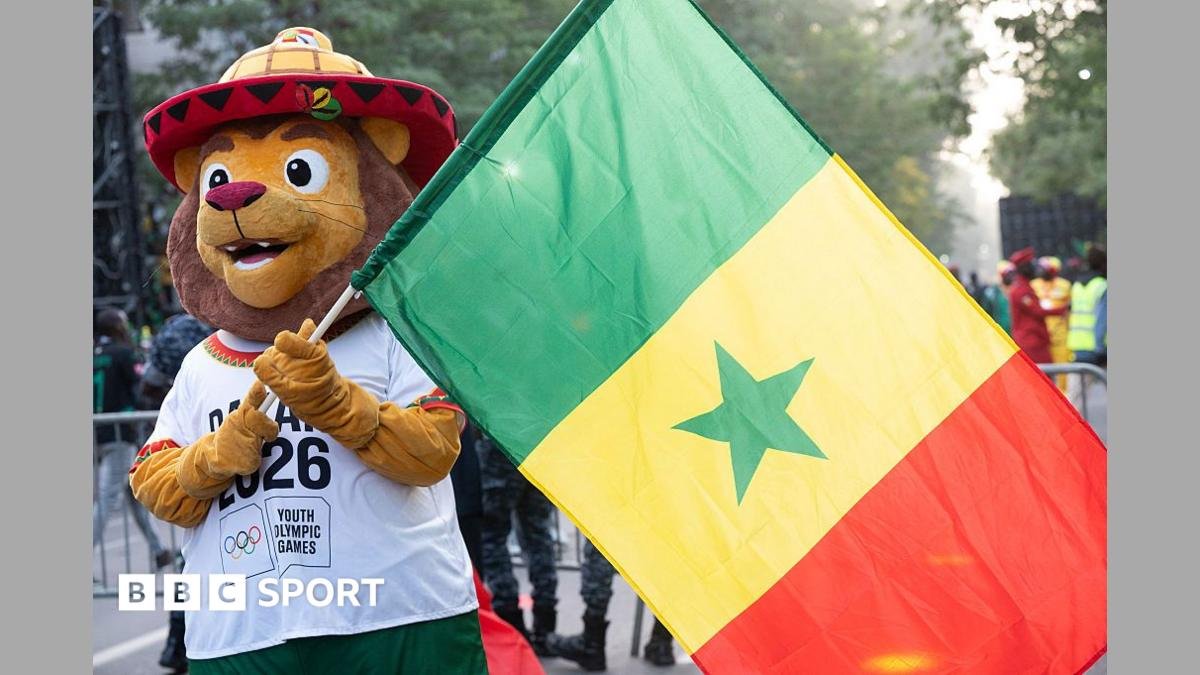
Dakar, Senegal — Article continues... When Senegal secured the Youth Olympic Games in 2018, it became the first African nation ever chosen to host an Olympic event. That decision carried the weight of decades of continental aspiration, and the 2026 edition now stands as a living symbol of Africa's rising place in global sport. The four-year delay only deepened the anticipation across Dakar and beyond.
Dakar 2026: Africa's Olympic Moment
Dakar, Senegal — Article continues...
When Senegal secured the Youth Olympic Games in 2018, it became the first African nation ever chosen to host an Olympic event. That decision carried the weight of decades of continental aspiration, and the 2026 edition now stands as a living symbol of Africa's rising place in global sport. The four-year delay only deepened the anticipation across Dakar and beyond.
The Historic Milestone
As someone who grew up in Dakar, walking the Corniche and catching the energy of the Plateau at dusk, I feel the weight of this moment. In 100 days, on 31 October 2026, Senegal will host the Youth Olympics. It marks Africa's first Olympic event on the continent. Dakar was selected in October 2018, and the Games, originally set for 2022, were delayed by the pandemic. IOC official Christophe Dubi captured the scale when he said, "It is monumental... The entire continent will be celebrating with Dakar hosting."
When Senegal won the bid in 2018 to host the Youth Olympic Games, it marked the first time an African nation had secured the event. The decision by the International Olympic Committee came after a competitive process that highlighted Dakar’s vision for youth development and its strategic location on the continent’s western edge. The postponement from 2022 to 2026, driven by the global pandemic, gave planners extra time to refine infrastructure and training programs, though it also tested the patience of local organizers who had already begun mobilizing communities.
Across Senegal, from the bustling markets of Dakar to the quieter villages in the Casamance, people speak of this moment with quiet pride. Many see it as validation of the country’s growing role in international sport. Teranga, the deep-rooted Senegalese tradition of hospitality, is already shaping preparations. Families in neighborhoods like Grand Yoff and fishermen in Ngor are discussing how they will welcome athletes and visitors, turning the Games into a national expression of openness rather than just an elite sporting event.
What's at Stake for Senegal
Our country carries real hopes and real pressures into these Games. Youth unemployment for the 15-34 age group sits above 27 percent. Many young people still consider the dangerous journey across the sea in search of work. Yet the arrival of the Youth Olympics brings visible activity to neighborhoods like Ngor and Diamniadio. Taxi drivers already talk about extra fares, and market vendors near the Corniche wonder how the crowds will change their daily sales. The event tests whether we can turn global attention into lasting local gains.
Senegal’s youth unemployment rate hovers near 27 percent, pushing many young people toward irregular migration routes across the Mediterranean. The informal sector still dominates the economy, with street vending, fishing, and small-scale agriculture providing most daily livelihoods. The Youth Olympics arrive at a time when leaders hope to shift this narrative by creating visible pathways in sport, tourism, and event management that could absorb some of the restless energy of the under-30 population.
The new Abdoulaye Wade Stadium in Diamniadio represents a major investment, yet questions remain about whether the spending will deliver lasting jobs once the athletes leave. Local economists note that previous large projects have sometimes benefited foreign contractors more than Senegalese workers. Success will depend on whether training programs tied to the Games translate into sustained employment in coaching, venue maintenance, and sports-related businesses that reach beyond the capital.
The Youth Perspective: Jobs and Opportunity
Young people in Dakar feel both excitement and caution. Resident Issa Diao put it plainly: "When we have this kind of event here, it will help people to get jobs." More than 400 young Africans are already receiving training in event operations, logistics, technology, accreditation and venue management. Senegal's first skate park has opened in Ngor, giving local skateboarders a place to train and gather. Ten non-competitive engagement sports will also run for youngsters across the city, keeping the focus on participation rather than medals alone.
Continental Significance
This is not only Senegal's moment. Thierno Cisse, deputy COO of the Local Organising Committee, said, "We know we are going to be ambassadors for Africa... It's really important for us as a country to proudly represent the whole continent." The IOC has named 36 athlete role models to mentor competitors, and a youth refugee team will compete for the first time after trials in East Africa. Ambassadors such as Senegal football captain Kalidou Koulibaly, influencer Khaby Lame and actor Omar Sy carry the story beyond our borders. The Games are framed as a cultural and social movement that celebrates youth, talent and Africa's growing influence.
The Sports Programme and Venues
Some 2,700 athletes will compete across 25 sports. Venues stretch from central Dakar to Diamniadio and Saly, with existing sites restored rather than replaced. The Abdoulaye Wade Stadium, built at roughly 270 million dollars, will host the opening ceremony. Former coordination commission chair Kirsty Coventry, now the first female and African IOC president, helped shape these plans. The mix of competitive events and community programmes aims to keep the focus on young people while using infrastructure that can serve us long after the final medal is awarded.
Among the 25 sports on the program, skateboarding, breaking, and sport climbing stand out as unfamiliar to many Senegalese. These disciplines are being introduced through community clinics that blend global trends with local rhythms. The Ngor skate park, built on a former vacant lot near the famous surf point, has already become a gathering place where young people practice tricks while elders watch with a mix of curiosity and encouragement, signaling a quiet cultural shift.
Venues spread across Diamniadio and Saly allow the Games to touch both the new administrative hub and the established coastal tourism zone. This choice spreads economic activity and reduces pressure on Dakar’s crowded center. The inclusion of a youth refugee team carries particular weight in a region where displacement from conflict and climate pressures affects thousands. For many African families who have lost homes, seeing refugee athletes compete offers a rare public story of resilience rather than only hardship.
Legacy and What Comes After
Teranga, our tradition of hospitality, will be on full display when visitors arrive. The lively music scene, the street food stalls and the daily rhythm of Dakar life will welcome athletes and officials. Yet the real test lies in what remains once the stands empty. Training schemes and new sports facilities in places like Ngor could open doors for the next generation. If the Games help even a portion of our young people find work at home, the investment will have paid off. We have the chance to show the world what African youth can achieve when given the platform.
Kirsty Coventry’s election as IOC president brings an African voice to the highest level of Olympic governance for the first time. Her background as a Zimbabwean swimmer gives her direct understanding of the barriers athletes on the continent face. This leadership could help steer resources toward sustainable development rather than one-off spectacles, aligning the Youth Olympics with broader African Union goals for youth employment and regional integration.
The IOC describes these Games as a cultural and social movement, not merely a competition. If Senegal can demonstrate that the event strengthens schools, creates safe public spaces, and keeps young people engaged at home, it may strengthen arguments for a full Summer Olympics on African soil within two decades. True success, measured twenty years from now, will be visible in the number of Senegalese coaches, event managers, and sports entrepreneurs who trace their first opportunities to 2026.
Looking ahead, the 2026 Games offer Senegal a rare platform to turn short-term excitement into enduring opportunity. If the training programs, new facilities, and spirit of teranga translate into steady jobs and stronger communities, Dakar could set a lasting example for the continent. The world will watch, but the real measure will come in the years that follow when young Senegalese athletes and organizers carry that experience forward.
By Amara Diop, Staff WriterThis article was produced with AI-assisted research and editorial support. Reporting is based on sources cited in the article.
What's Your Reaction?
 Like
0
Like
0
 Dislike
0
Dislike
0
 Love
0
Love
0
 Funny
0
Funny
0
 Wow
0
Wow
0
 Sad
0
Sad
0
 Angry
0
Angry
0

Canada Correspondent at Global1.News. Based in Toronto, covering Canadian politics, energy, trade, and US-Canada relations. Provides the Canadian perspective on North American and global affairs.










Comments (0)