
US-Iran Peace Deal Nears as Officials Confirm Final Agreed Text
After months of war that have reshaped the Middle East and sent shockwaves through global energy markets, the United States and Iran are closer than ever to a comprehensive peace deal. Pakistan's Prime Minister Shehbaz Sharif confirmed on 12 June 2026 that a "final, agreed upon text" now exists between Washington and Tehran, while both sides have convened their internal decisio
After months of war that have reshaped the Middle East and sent shockwaves through global energy markets, the United States and Iran are closer than ever to a comprehensive peace deal. Pakistan's Prime Minister Shehbaz Sharif confirmed on 12 June 2026 that a "final, agreed upon text" now exists between Washington and Tehran, while both sides have convened their internal decision-making bodies to review the terms. The announcement marks the most significant breakthrough in diplomatic efforts since the conflict began.
US and Iran Reach Final Text of Peace Deal as Mediators Push for Signature Within Days
London, UK – 13 June 2026 — The developments follow months of escalating conflict that reshaped the Middle East and sent shockwaves through global energy markets. Channel 4 News has learned that both sides have expressed satisfaction with the draft, though US President Donald Trump has yet to give final approval.
Inside the Deal: What the Final Text Contains
The draft accord centres on a carefully balanced exchange of concessions that address both immediate security concerns and longer-term economic pressures. Iran has committed to reopening the Strait of Hormuz to normal commercial traffic, allowing oil tankers to resume unimpeded passage through one of the world's most critical chokepoints. In return, the United States will lift its naval blockade and release several billion dollars in previously frozen Iranian assets held in third-country accounts. Sanctions on Iranian oil exports are also set to be waived, providing Tehran with vital revenue streams that have been curtailed since the escalation of hostilities.
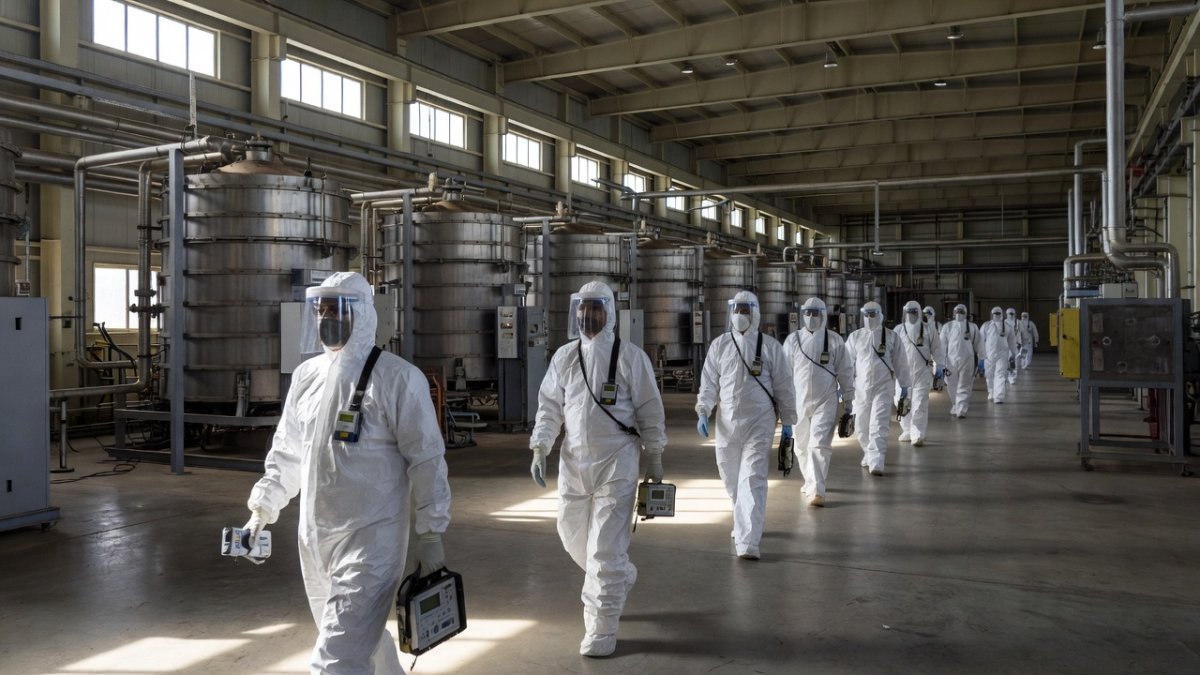
Nuclear provisions form the backbone of the agreement. Iran will dismantle key elements of its enrichment infrastructure under a new international inspection regime involving the IAEA and additional European monitors. This framework aims to extend breakout timelines while permitting limited civilian nuclear activity. Lebanon is explicitly referenced, with Iran insisting that any final signature must coincide with a durable end to fighting along the Israel-Lebanon border. A 60-day negotiation window has been inserted for follow-on talks, alongside a two-month extension of the existing ceasefire.
One contentious clause concerns Iranian proposals to levy transit tolls on vessels passing through Hormuz. While Washington has signalled flexibility, European capitals including London remain wary of any measure that could distort global energy pricing. The text is understood to be largely settled, yet President Trump has withheld final approval, leaving Vice President JD Vance as the likely signatory for the American side. Qatar and Pakistan have played pivotal mediation roles, shuttling drafts between the principals in recent weeks.
The Human Cost: Channel 4 Reports from Southern Lebanon
Channel 4 journalists embedded in southern Lebanon witnessed the raw aftermath of continued Israeli strikes, attending the funeral of two young men killed in an attack on 10 June. At least twelve civilians died in those strikes alone, many of them residents whose villages sit within a few kilometres of the border. The scenes of grief underscored why Iran has made Lebanese de-escalation a non-negotiable element of the emerging deal. Families now face the daunting task of rebuilding homes and livelihoods destroyed over months of cross-border exchanges.
Interviews with a Hezbollah MP revealed the group's insistence that any accord must deliver tangible security guarantees for southern communities. Residents described living in makeshift shelters while awaiting compensation and reconstruction aid that has yet to materialise. The human dimension extends beyond immediate casualties to long-term displacement, with thousands unable to return to farmland contaminated by unexploded ordnance.
These realities explain Tehran's insistence that Lebanon cannot be treated as an afterthought. For British policymakers monitoring developments from Whitehall, the civilian toll carries direct implications for regional stability and the risk of renewed escalation should the talks falter. The Channel 4 footage has circulated widely in Westminster, sharpening parliamentary scrutiny of the UK's own diplomatic posture.
Britain's Role: From Military Bases to Diplomatic Channels
Prime Minister Keir Starmer authorised the United States to utilise UK bases for precision strikes against Iranian missile facilities earlier in the conflict, a decision taken after urgent consultations with the Ministry of Defence. Foreign Secretary David Lammy coordinated the subsequent evacuation of British nationals through a series of government-chartered flights, working closely with embassies in the region to ensure safe passage. These actions placed London at the centre of operational support while simultaneously pursuing diplomatic off-ramps.
Alongside France and Germany, the UK triggered the snapback mechanism in September 2025 that reinstated UN sanctions on Iran, demonstrating a willingness to apply economic pressure even as talks continued. The House of Commons Library has published briefing CBP-10637 examining the interplay between the ceasefire and nuclear negotiations, providing MPs with detailed analysis ahead of anticipated statements in the chamber. Starmer also summoned the Iranian ambassador to register concerns over alleged hostile surveillance operations targeting dissidents on British soil.
These interventions illustrate how Westminster has balanced alliance commitments with independent leverage. The Ministry of Defence continues to monitor maritime security in the Strait of Hormuz, while DESNZ officials model potential supply disruptions. Such involvement ensures that any final accord will be scrutinised not only in Washington and Tehran but also in London, where energy security and alliance credibility remain paramount.
What a Deal Means for UK Households and the Economy
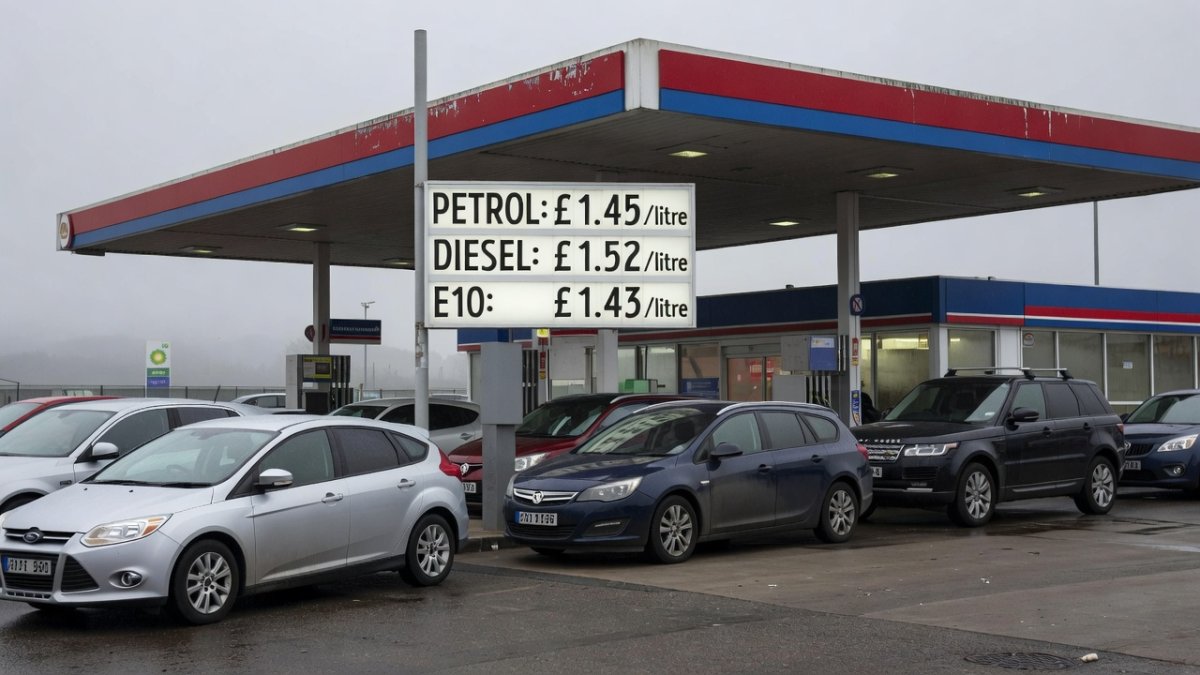
Successful implementation would ease pressure on global oil prices, directly influencing petrol costs at British forecourts and the broader cost-of-living trajectory tracked by the ONS through the Consumer Prices Index. Households in Scotland, the North East and rural Wales stand to benefit most, given their higher reliance on road transport and heating oil. DESNZ has been running detailed energy supply scenarios that factor in resumed Iranian exports, assessing risks to winter bills should the deal collapse.
Lower crude prices could moderate inflation readings in coming months, offering the Bank of England greater room for manoeuvre on interest rates. Conversely, any Iranian move to impose Hormuz transit fees might offset some gains, creating volatility that ONS statisticians would capture in monthly data releases. The Ministry of Defence's ongoing presence in the region adds another layer of fiscal consideration for Treasury planners.
Regional disparities matter politically. Constituencies already sensitive to fuel poverty could see tangible relief, strengthening the government's narrative on economic competence. Yet analysts caution that supply-chain effects and currency movements may blunt immediate savings for many families. The ONS will therefore become a key reference point for MPs seeking to gauge whether the diplomatic breakthrough translates into household-level improvements.
Geopolitical Stakes and the Mediation Puzzle
Qatar and Pakistan have emerged as indispensable intermediaries, leveraging longstanding ties with both Tehran and Washington to bridge gaps that direct channels could not. Their involvement reflects wider Gulf calculations about energy market stability and the desire to prevent further Houthi or Hezbollah escalation. The explicit inclusion of Lebanon in the text acknowledges Hezbollah's role as a central actor whose restraint is essential for any lasting calm.
President Trump's public caution, despite positive private assessments, highlights domestic political calculations ahead of the G7 summit where a signing ceremony could be staged. Vice President JD Vance is positioned to affix the American signature, freeing Trump to maintain distance if needed. Iran's foreign minister Abbas Araghchi has described the moment as the closest the parties have come to resolution, yet decision-making bodies in Tehran continue internal deliberations.
For Britain, these dynamics carry implications for its post-Brexit foreign policy posture. Success would validate Starmer's blend of military support and diplomatic engagement, while failure could expose limits to UK influence when larger powers dominate the endgame. The 60-day implementation period will test whether mediators can sustain momentum once initial euphoria fades.
The Bottom Line: What Comes Next for the Region and Britain
Signing is anticipated within days, potentially timed around the G7 gathering, though both capitals retain the ability to walk away. The 60-day window for further negotiations will determine whether the nuclear dismantlement and inspection regime can be operationalised without fresh disputes. Risks of collapse remain acute, particularly if Israeli operations in Lebanon continue or if Iranian hardliners reject the tolls compromise.
For the UK, a durable accord would ease immediate energy security concerns and allow the Ministry of Defence to recalibrate its Hormuz presence. It would also shape Starmer's approach to future Middle East engagements, reinforcing the value of European coordination on sanctions policy. Yet prolonged uncertainty could sustain elevated petrol prices, feeding through to ONS inflation figures and household budgets across devolved nations.
Observers in Westminster will watch three indicators closely: Iranian compliance announcements, IAEA inspection access, and any movement on Lebanese ceasefire enforcement. The coming fortnight will reveal whether this text marks a genuine turning point or merely another pause in a protracted conflict.
By Erica Thornton, Staff Writer
This article was produced with AI-assisted research and editorial support. Reporting is based on sources cited in the article.
What's Your Reaction?
 Like
0
Like
0
 Dislike
0
Dislike
0
 Love
0
Love
0
 Funny
0
Funny
0
 Wow
0
Wow
0
 Sad
0
Sad
0
 Angry
0
Angry
0

US Politics and Policy Correspondent at Global1.News. Based in Washington DC, covering American politics, policy, elections, and the courts. Knows how the system works and tells you what it actually means.










Comments (0)