
US Strikes IRGC Sites Across Iran July 2026
The United States has resumed its military campaign against Iran with a fresh wave of airstrikes targeting dozens of Islamic Revolutionary Guard Corps (IRGC) sites across southern Iran, ending a five-night pause in operations that had raised questions about the trajectory of the conflict.
The United States has resumed its military campaign against Iran with a fresh wave of airstrikes targeting dozens of Islamic Revolutionary Guard Corps (IRGC) sites across southern Iran, ending a five-night pause in operations that had raised questions about the trajectory of the conflict. The strikes mark the latest escalation in what is now Day 153 of the Iran War 2026, a confrontation that has reshaped the strategic landscape of the Middle East and tested the resilience of Gulf state security architectures.
US Escalates Against Iran With Dozens of Strikes on IRGC Positions
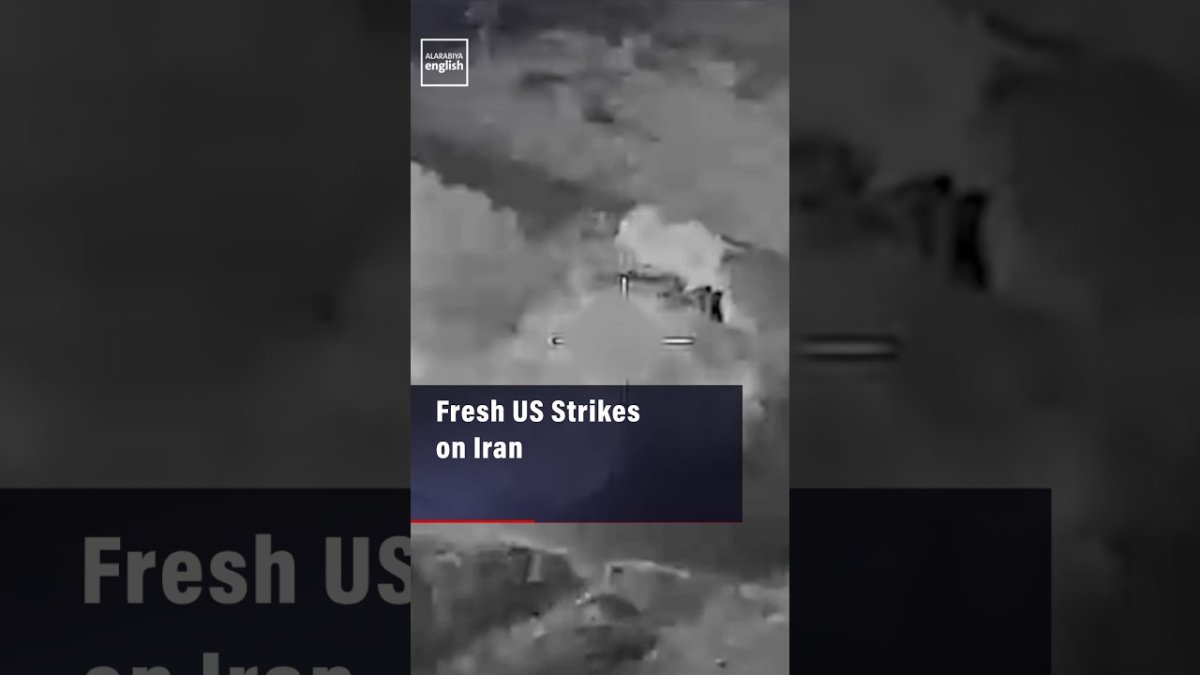
Beirut, Lebanon – July 30, 2026 — US Central Command (CENTCOM) confirmed it conducted a new round of airstrikes against IRGC targets across Iran early Wednesday, releasing footage of the operations that showed precision strikes against Iranian military infrastructure. The strikes came in direct response to an Iranian ballistic missile attack on US forces on July 28, in which IRGC units launched multiple missiles from Iranian territory aimed at American positions in the region — all of which were successfully intercepted by US and allied air defense systems, according to CENTCOM.
Immediate Military Situation
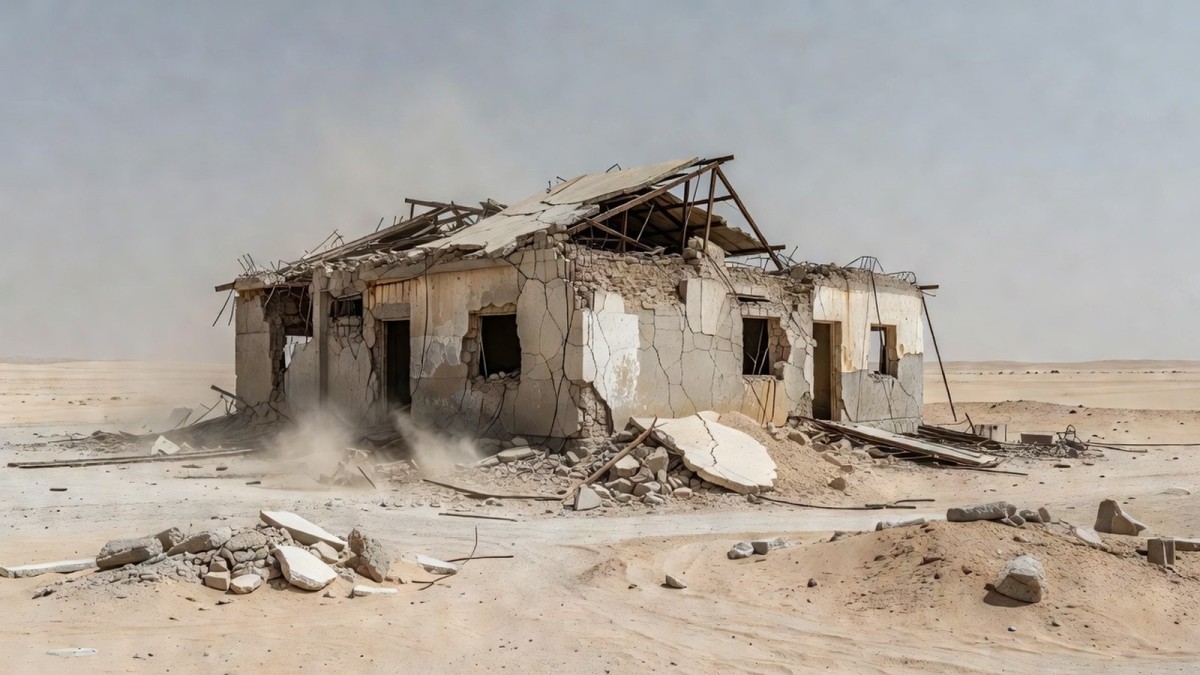
The latest round of strikes targeted dozens of IRGC sites, including military command centers, missile and drone storage and launch facilities, coastal surveillance and defense installations, and maritime capabilities across southern Iran. CENTCOM described the operation as a "heavy wave" designed to "further diminish threats posed by Iran and its proxies to American forces, commercial shipping, and neighboring Gulf countries." The strikes ended a five-night pause in US bombing operations — the longest such pause since the campaign intensified earlier this year — raising speculation that diplomatic channels may have been explored before Washington opted to resume military pressure.
Jordan confirmed it intercepted missiles that passed through its airspace shortly after the strikes, signaling that the conflict continues to draw in regional actors beyond the immediate US-Iran confrontation. The Hashemite Kingdom's involvement underscores the geographic spread of the Iran War and the critical role of Jordanian air defense in protecting both its own territory and Israel's southern flank.
What Was Targeted: Qeshm, Bushehr and the Southern Coast
The strikes focused on IRGC positions along Iran's southern coastline, with confirmed targeting around Qeshm Island — Iran's largest island and a strategic IRGC naval base in the Strait of Hormuz — and the Bushehr area, home to Iran's Bushehr nuclear power plant and critical port infrastructure. Qeshm Island has long served as a launch point for IRGC naval operations against commercial shipping in the Strait of Hormuz, making it a persistent target in the US campaign to secure freedom of navigation.
Earlier this month, on July 8, US forces struck approximately 90 Iranian military targets in a single operation, hitting air defense systems, coastal surveillance assets, missile and drone storage sites, and naval facilities. The cumulative effect of these strikes has been to systematically degrade Iran's ability to project power into the Persian Gulf and threaten the Strait of Hormuz, through which approximately 20 percent of the world's oil passes daily.
Iran's Response Posture
Iran's response to the sustained US campaign has followed a pattern of measured retaliation punctuated by pauses — suggesting a strategic calculation in Tehran designed to avoid triggering an all-out ground invasion while signaling that the IRGC retains the capability to strike back. The July 28 ballistic missile salvo, though entirely intercepted, served as a demonstration that Iran's missile infrastructure has not been fully neutralized despite months of US strikes.
The IRGC has publicly pledged retaliation for the latest strikes, though the form and timing remain unclear. Iran's options include further ballistic missile launches, drone attacks on US positions in Iraq and the Gulf, asymmetric naval operations in the Strait of Hormuz using fast-attack craft and mines, or proxy escalation through Hezbollah in Lebanon and Shia militias in Iraq and Syria. Each option carries different risk calculations for Tehran's leadership.
Gulf State Security Implications
The resumption of US strikes poses a complex challenge for the Gulf Cooperation Council states. Saudi Arabia, the United Arab Emirates, Qatar, Kuwait, Bahrain, and Oman have all maintained varying degrees of diplomatic distance from the US-Iran conflict — publicly emphasizing the need for de-escalation while privately coordinating closely with US Central Command on air defense, intelligence sharing, and early warning systems.
Gulf states face a dual dilemma: Iran's IRGC has historically shown willingness to target Gulf state infrastructure in retaliation for US operations conducted from bases in their territory, as seen in the 2019 Abqaiq-Khurais attacks on Saudi Aramco facilities. At the same time, prolonged US-Iran hostilities risk destabilizing the region's economic diversification plans, deterring foreign investment, and disrupting hydrocarbon exports that fund the Gulf's ambitious Vision 2030-style transformation programs.
Energy Markets and the Strait of Hormuz
The ongoing strikes have kept global energy markets on edge, with the Strait of Hormuz remaining the single most critical chokepoint for oil and liquefied natural gas transit. While Iran's capacity to threaten the strait has been degraded by the US campaign — through the destruction of coastal defense systems, anti-ship missiles, and fast-attack craft — the IRGC retains asymmetric options including mine-laying and swarming tactics that could temporarily disrupt shipping.
OPEC+ producers, including Saudi Arabia, Iraq, the UAE, and Kuwait, have maintained spare capacity to stabilize markets, but the risk premium embedded in crude prices reflects persistent uncertainty about how long the conflict can be contained to Iranian territory. A single successful Iranian strike on a tanker in the strait could send prices spiking, with direct consequences for the global economic outlook and the inflation policies of central banks from Washington to Frankfurt to Tokyo.
Strategic Calculus: What Each Side Wants
For Washington, the military campaign appears designed to achieve three objectives: first, to degrade Iran's conventional military capability to the point where it cannot threaten US forces or Gulf allies; second, to compel Tehran to negotiate a new nuclear and missile deal on terms favorable to the United States and Israel; and third, to demonstrate to both allies and adversaries that the United States remains the dominant military power in the Middle East despite its strategic pivot toward the Indo-Pacific.
For Tehran, the calculus is existential. The IRGC views the war as a fight for regime survival, and its leadership has calculated that absorbing US strikes while preserving core military capabilities — particularly the nuclear program and long-range missile infrastructure — is preferable to accepting a diplomatic settlement that would dismantle the very capabilities that underpin Iran's regional influence. Supreme Leader Ali Khamenei and the IRGC command structure have consistently framed the conflict as an American-Israeli war of aggression designed to dismember Iran, a narrative that reinforces domestic mobilization even as the economic toll of sanctions and strikes mounts.
Regional Dynamics and Great Power Competition
The Iran War has created new fault lines across the Middle East. Israel has maintained a posture of strategic ambiguity, reportedly coordinating intelligence-sharing with the US while reserving the right to conduct its own operations against Iranian nuclear and missile facilities. Turkey, a NATO member with deepening economic ties to Iran, has positioned itself as a diplomatic intermediary while opposing any escalation that would destabilize its southern border. Russia, distracted by its own war in Ukraine and internal political transitions, has provided diplomatic cover for Iran at the United Nations but has not intervened militarily — a calculation that reflects Moscow's limited bandwidth rather than a lack of interest in the outcome.
China, Iran's largest trading partner and a key buyer of Iranian oil through grey-market channels, has called for restraint while continuing to import Iranian crude, providing Tehran with a critical economic lifeline that partially offsets the impact of US sanctions. Beijing's strategic interest in the region centers on the Belt and Road Initiative and energy security, and a prolonged Iran War threatens both.
What Comes Next
The resumption of US strikes after a five-night pause suggests that Washington has not found a diplomatic off-ramp acceptable to its objectives. Without a credible negotiating track, the pattern of strikes, pauses, Iranian retaliation, and further strikes is likely to continue — each cycle further degrading Iran's military infrastructure while testing the durability of US domestic political support for an open-ended Middle Eastern conflict.
For the Gulf states, the immediate priority remains maintaining their territorial integrity and economic stability while avoiding direct entanglement in the US-Iran confrontation. The longer-term question — whether the architecture of Gulf security can survive the current conflict without fundamental restructuring — will shape the region's strategic trajectory for years to come.
The key variable in the coming weeks is whether Iran's leadership sees an off-ramp in renewed nuclear negotiations, or whether the Islamic Republic's internal dynamics push toward further escalation. If the IRGC perceives that its survival is genuinely at risk, the conflict could expand in unpredictable ways — drawing in proxies, targeting Gulf infrastructure, or triggering a humanitarian crisis that reshapes the region's political landscape. For now, the Middle East watches and waits.
By Malik Hassan, Staff Writer
This article was produced with AI-assisted research and editorial support. Reporting is based on sources cited in the article.
What's Your Reaction?
 Like
0
Like
0
 Dislike
0
Dislike
0
 Love
0
Love
0
 Funny
0
Funny
0
 Wow
0
Wow
0
 Sad
0
Sad
0
 Angry
0
Angry
0

Middle East Correspondent at Global1.News. Based in Beirut, covering politics, conflict, energy, and society across the Middle East. Brings context and depth to a region often reduced to headlines.











Comments (0)