
Pakistan Urges US-Iran Return to Islamabad MoU Talks
Pakistan is making urgent diplomatic efforts to bring the US and Iran back to negotiations under the Islamabad MoU amid renewed hostilities that threaten to unravel months of mediation. Foreign Ministry spokesperson Tahir Andrabi urged maximum restraint and adherence to technical-level talks as the security situation in the Middle East remains precarious. The Strait of Hormuz energy chokepoint, Pakistan-Qatar mediation framework, and deepening regional crisis dynamics are examined.
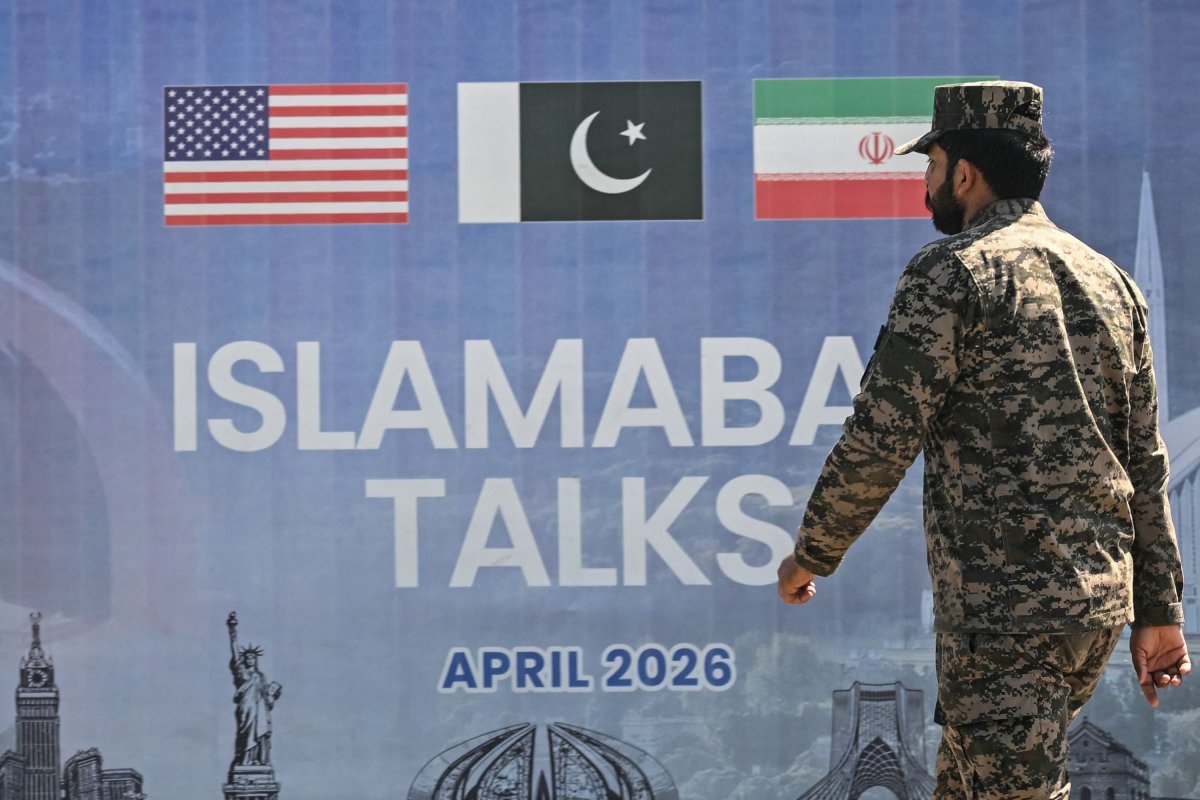
Pakistan has stepped forward as the crucial diplomatic intermediary between Washington and Tehran, pressing both capitals to return to the negotiating table under the Islamabad Memorandum of Understanding as the United States and Iran find themselves locked in a cycle of escalation that threatens to unravel months of painstaking mediation work.
Pakistan Renews Push for US-Iran Talks as Islamabad MoU Teeters on the Brink
Islamabad — July 30, 2026 — Foreign Ministry spokesperson Tahir Andrabi told reporters Thursday that negotiations between the "parties" are ongoing to normalize the situation, particularly regarding the Strait of Hormuz, where heightened military posturing has sent shockwaves through global energy markets. "We are doing our utmost to bring all parties back to the Islamabad MoU … so that all irritants can be removed in the light of the spirit of the agreement and the Pakistan-Qatar joint statement on June 22," Andrabi said.
The Islamabad MoU: A Fragile Framework Under Strain
The Islamabad MoU, signed in Switzerland in April 2026 following the initial US-Iran ceasefire, represented the most significant diplomatic breakthrough between the two adversaries since the outbreak of hostilities in late February. The agreement established a framework for technical-level talks covering nuclear issues, sanctions relief, monitoring mechanisms, and dispute resolution — a comprehensive architecture designed to address the decades-deep grievances that have defined Washington-Tehran relations.
The Pakistan-Qatar joint statement of June 22 further institutionalized this framework by creating a High Level Committee to provide political oversight of the mediation, with chief negotiators reporting to specialized working groups. The first session of talks was described by both mediators as having been conducted in a "positive and constructive" atmosphere, with what one diplomatic source described as "encouraging progress" on establishing the modalities for technical discussions.
Yet the optimism of June has given way to the grim realities of July. The relative calm that had settled over the region in the weeks following the ceasefire has been shattered by renewed hostilities, with Jordan reporting Thursday that it had shot down five Iranian missiles as the United States unleashed what it described as a "heavy wave" of strikes against Iranian positions. The cycle of action and retaliation has once again demonstrated the fragility of even the most carefully constructed diplomatic frameworks when confronted with the entrenched strategic calculus of both sides.
Strait of Hormuz: The Global Energy Dimension
Andrabi's specific reference to the Strait of Hormuz is no accident. The waterway, through which approximately 20 percent of the world's petroleum passes, has been a central flashpoint throughout the conflict. Iran has repeatedly threatened to disrupt shipping through the strait in response to US military pressure, a move that would send oil prices soaring and trigger economic instability across the globe.
The energy dimension of the US-Iran confrontation cannot be overstated. Gulf Arab states — particularly Saudi Arabia and the UAE — have watched the escalating tensions with deepening concern, as their economic transformation agendas (Vision 2030 and its counterparts across the region) depend fundamentally on stable energy markets and uninterrupted maritime commerce. Any sustained disruption to Hormuz shipping would deal a severe blow to these ambitious diversification programs.
"Pakistan notes with concern that the security situation in the Middle East remains precarious despite the relative calm of the past few days, which had rekindled hopes," Andrabi said, reflecting a sentiment shared across the region. The cautious optimism of late June has been replaced by a gnawing sense that the window for diplomacy may be closing.
Pakistan's Growing Role as a Mediator
Islamabad's emergence as a key mediator in the US-Iran file represents a significant evolution in Pakistan's foreign policy posture. A nuclear-armed state with deep historical ties to both Washington (a major security partner) and Tehran (a neighbor sharing cultural, linguistic, and religious bonds), Pakistan occupies a unique position in the geopolitical architecture of the broader Middle East-South Asia nexus.
Foreign Ministry spokesperson Andrabi made clear that Islamabad views the diplomatic track as the "only viable path forward," a phrase that carries particular weight given Pakistan's own experience with conflict and its understanding of the devastating consequences of sustained military confrontation. The Pakistan-Qatar partnership has proven especially effective, combining Islamabad's credibility with both sides and Doha's extensive experience hosting Taliban negotiations and managing complex diplomatic channels.
"We welcome all efforts aimed at sustaining cessation of hostilities and resumption of dialogue between Iran and the U.S.," Andrabi said, in a carefully calibrated statement that avoided directly criticizing either Washington or Tehran while making Pakistan's position unmistakably clear.
Regional Implications: The Shadow of Escalation
The stakes extend well beyond the bilateral US-Iran relationship. The broader Middle East remains a patchwork of overlapping conflicts and competing alliances, and a full-scale US-Iran war would have catastrophic consequences for the entire region. Gulf Arab states, already navigating the complexities of the Abraham Accords and their own security relationships with Washington, would find themselves caught between competing pressures. Iraq, already struggling with political instability and the lingering influence of Iran-aligned militias, could become a secondary battleground. Lebanon, Yemen, and Syria — all theaters of Iranian proxy influence — would see their own conflicts intensify.
Turkey, which has maintained a nuanced position throughout the crisis, has watched the developments with close attention. While Ankara has its own differences with Washington on issues ranging from the PKK/YPG presence in Syria to Turkish defense procurement, it has also maintained working channels with Tehran. Any regional conflagration would inevitably draw in Turkish interests, particularly regarding the security of energy supplies and the stability of Iraq and Syria.
The Iranian domestic calculus adds another layer of complexity. Tehran's leadership faces a delicate balancing act: demonstrating sufficient resolve to maintain domestic credibility and regional deterrence while avoiding a confrontation that could threaten the regime's survival. The dual command structure — with both the IRGC and the regular military playing distinct roles — has at times produced competing signals, making it difficult for external actors to gauge Iranian red lines with any precision.
What Comes Next: The Diplomatic Path Forward
Andrabi urged Washington and Tehran to exercise "maximum restraint and fully adhere to their commitment to resume technical-level talks" in line with the Islamabad MoU and the Pakistan-Qatar joint statement. The plea reflects a recognition that the diplomatic architecture, while fragile, remains intact — but only just.
The next few days will be critical. If both sides can be persuaded to return to the technical-level talks envisioned under the MoU, the mediation framework may yet hold. The working groups on nuclear issues, sanctions, and monitoring provide a structured mechanism for addressing the substantive disagreements that have driven the conflict. However, each new round of hostilities erodes the trust necessary for meaningful negotiations and strengthens the hand of hardliners on both sides who view diplomacy as weakness.
For Pakistan and Qatar, the challenge is not merely to keep the talks alive but to create sufficient momentum that the costs of walking away exceed the perceived benefits of continued military action. It is a task that has defeated mediators in conflicts from Ukraine to Yemen, and the odds are stacked against success. Yet the alternative — a full-scale regional war that could draw in multiple actors, disrupt global energy markets, and cause untold human suffering — makes the effort imperative.
Regional Implications
The Pakistan-mediated US-Iran talks represent more than just a bilateral negotiation. They are a test of whether 21st-century diplomacy, conducted in a multipolar world through regional intermediaries, can succeed where great power diplomacy has faltered. Pakistan and Qatar have invested significant political capital in this process, and failure would not only set back the prospects for US-Iran peace but would also damage the credibility of regional mediation as a conflict-resolution tool.
For the Middle East, the path forward remains uncertain. The relative calm of the past few days may prove to be a temporary reprieve or the prelude to a more durable peace. Much depends on whether Washington and Tehran can resist the gravitational pull of escalation and commit, genuinely and consistently, to the diplomatic track that Pakistan and Qatar have worked so hard to build. As Andrabi put it, the conditions "remain precarious" — but precarious is not irretrievable. The window is narrowing, but it has not yet closed.
By Malik Hassan, Staff Writer
This article was produced with AI-assisted research and editorial support. Reporting is based on sources cited in the article.
What's Your Reaction?
 Like
0
Like
0
 Dislike
0
Dislike
0
 Love
0
Love
0
 Funny
0
Funny
0
 Wow
0
Wow
0
 Sad
0
Sad
0
 Angry
0
Angry
0

India/South Asia Correspondent at Global1.News. Analytical voice with a background in science and health journalism. Based in New Delhi, covering Indian politics, education, healthcare, technology, and policy. Breaks down complex data into clear, actionable reporting.












Comments (0)