
Netflix's The Polygamist: A South African Drama Captures Hearts Across Africa
In the heart of Johannesburg, where the pulse of city life meets the deep roots of Zulu traditions, a story unfolds that has captured hearts across our continent and beyond. As a Senegalese journalist who has seen how family bonds shape our daily rhythms from Dakar to the townships of South Africa, I find myself drawn to tales that reflect the complexities we all navigate. Netf
In the heart of Johannesburg, where the pulse of city life meets the deep roots of Zulu traditions, a story unfolds that has captured hearts across our continent and beyond. As a Senegalese journalist who has seen how family bonds shape our daily rhythms from Dakar to the townships of South Africa, I find myself drawn to tales that reflect the complexities we all navigate. Netflix's Zulu-language drama The Polygamist brings these threads to life in a way that feels both intimate and expansive, reminding us that stories from one corner of Africa often echo in another.
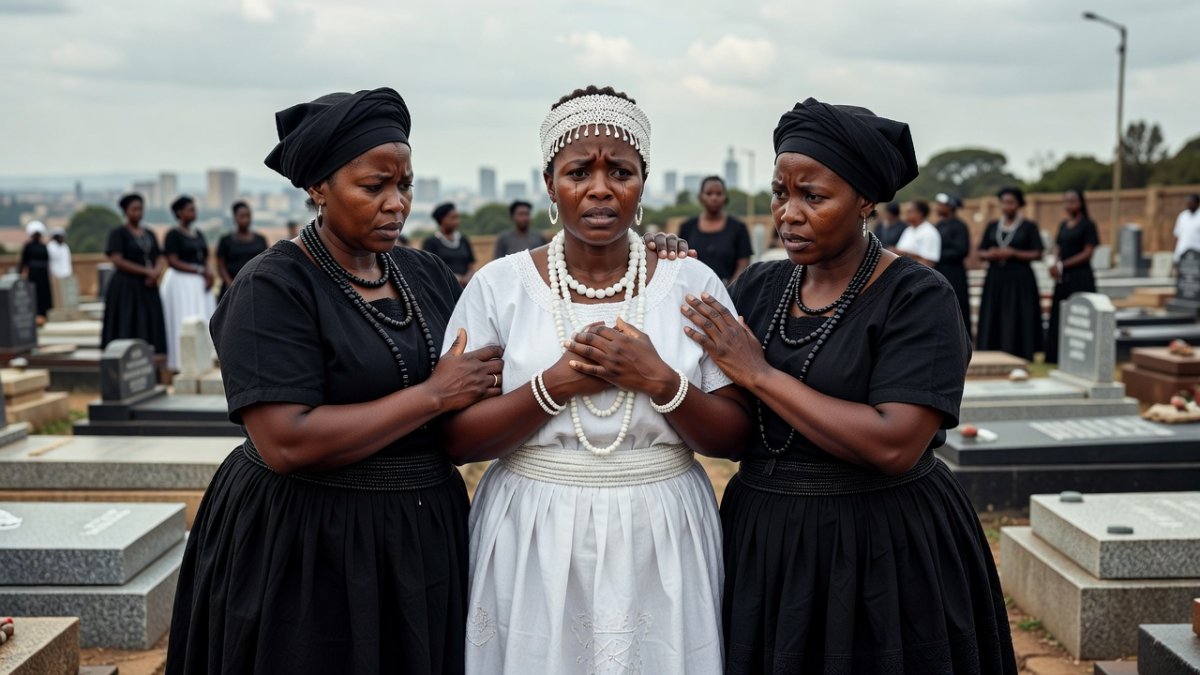
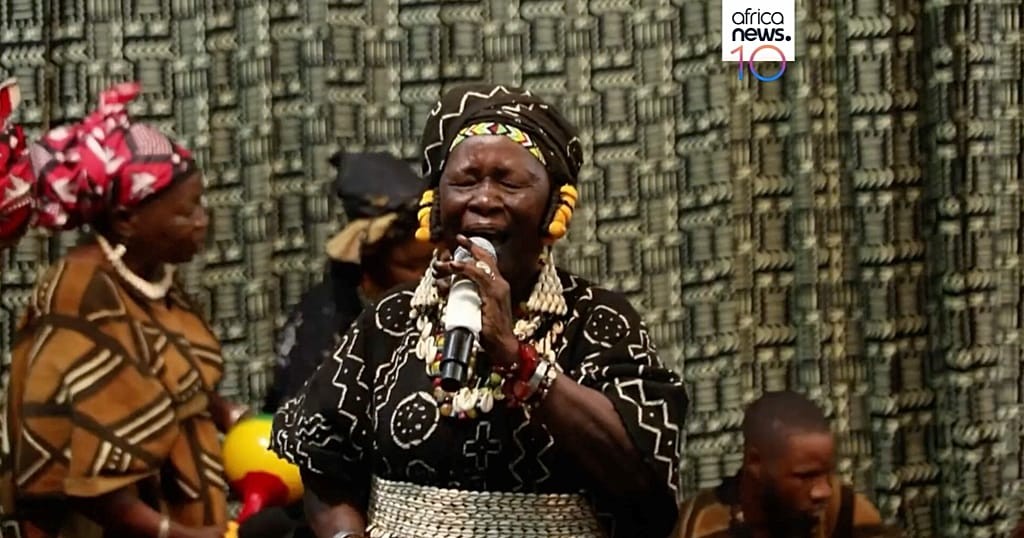
The Polygamist on Netflix (Global 1 News)
The Premise of The Polygamist
The show opens at the funeral of Jonasi Gomora, with two of his wives as chief mourners. One of Netflix's hottest and sassiest new dramas has not only South Africa but the world talking about marriage, betrayal, revenge and the contentious issue of polygamy. The Polygamist, a 22-episode Zulu-language series, is about the tangled love life of wealthy Johannesburg businessman Jonasi Gomora. It begins at the fictional tycoon's funeral where we learn that his widow Joyce, a social media influencer wearing a striking white outfit, is not his only partner. In fact, he has two other wives and a mistress who are all there dressed in black. Emotions explode as secrets are laid bare and in a dramatic rollercoaster, the plot spirals back over five years to explain their relationships and toxic family dynamics.
From my vantage point in Senegal, where extended families often gather under one roof during naming ceremonies or harvest seasons, the portrayal of these layered households strikes a familiar chord. The series does not shy away from the raw moments that test loyalty and trust, painting a picture of a man whose choices ripple through generations. Viewers witness how wealth and status intertwine with personal desires, creating tensions that feel universal yet grounded in South African soil.
The Global Success of The Polygamist
Released by the streaming giant on 12 June, the show topped trend lists within hours and social media has been lit up since with reactions to the controversial plot twists. Some people sharing memes and their own experiences about polygamy and faithless marriages. Some minibus taxis in Kenya's capital, Nairobi, have been redecorated with Jonasi's face or name such is the show's popularity there and the debate around his behaviour. Even Nigerian Afrobeats star Davido tweeted: Yo JONASI is WILD and Hollywood celebrities have chipped in too. I thought Crazy Rich Asians was something, but crazy rich Africans is a whole 'nother level, Emmy-award winning talk-show host and actress Sherri Shepherd said on Instagram. In reply to the post, Taraji P Henson said the show had had her in a chokehold and she had binged it in one day.
The reach extends further than many expected, drawing audiences in places like Trinidad and Tobago, Romania and the Dominican Republic. It was the most watched show on Netflix in South Africa and Kenya and made it to the top 10 in Nigeria and Mauritius within the first week of its release. It attracted two million views and was number four on Netflix's top 10 list for non-English series globally, also in the first week. This kind of cross-continental embrace speaks to how African narratives, when told with authenticity, travel well and spark conversations in living rooms from Lagos to Dakar.
The Zuma Family Connection
Based on the 2012 novel by Zimbabwean author Sue Nyathi, The Polygamist has been adapted for the screen by Netflix in collaboration with South African production company Stained Glass TV. The executive producers include two daughters of Jacob Zuma, South Africa's former president and a proud polygamist who is greatly respected by his supporters for upholding his cultural and traditional Zulu beliefs. The 84-year-old currently has four wives, has been married six times and is estimated to have 20 children. Gugu Zuma-Ncube and Thuli Zuma's parents divorced in 1998 after 16 years of marriage and another of their half-siblings is also credited as a writer on the series.
Zuma-Ncube says their upbringing and other issues she and others in the team experienced influenced how they told the story. A lot of the scenes that you see in the show are taken directly out of our lives. I famously come from a very polygamist family so I brought that in, she told the BBC. The 41-year-old producer said her team at Stained Glass TV had been floored by the show's reception not just locally, but across the continent. The fact that Africa has embraced the show means a lot to us, especially considering the climate, Zuma-Ncube said, in reference to the wave of anti-migrant protests that has sprung up across South Africa and sparked a massive backlash on the continent.
The Cultural Debate Around Polygamy
Zuma-Ncube said that while the producers had been convinced the show would entertain viewers, they had been pleasantly surprised by the emotional chord it struck with women in relationships and children who've come from particular fathers or households. It is the character of Jonasi, the patriarch of the Gomora family, that has stirred up the most feelings. As avid viewer Ziya M, posting on X just two days after the show's premiere, put it: Jonasi has the whole nation riled up. Jonasi Gomora, portrayed by South African actor Sdumo Mtshali, has been described by some fans of the show as a serial cheater. Letlhogonolo Mogale, who binged the show days after its release, described Jonasi as a serial cheater and opportunist who would do anything to satisfy himself. The 35-year-old is not from a polygamist family herself, nonetheless The Polygamist's storyline resonated and highlighted social ills that happen and are normalised in South Africa. What stuck out for me personally was how broken families are and how broken society is, she told the BBC.
Polygamy is legally recognised in South Africa and within Zulu, Xhosa, Ndebele and Venda cultures, among others, it is not uncommon for a man to have multiple wives as happens in some other African and Muslim societies. In Senegal, where Islamic traditions often intersect with Wolof customs, similar discussions arise during family gatherings, where elders weigh the balance between heritage and modern expectations. The series invites us to reflect on these realities without judgment, highlighting how such arrangements can bring both strength and strain to communities.
What This Means for African Storytelling
The success of The Polygamist signals a vibrant moment for stories rooted in our shared African experiences. By weaving personal histories with broader social questions, the production team at Stained Glass TV has created space for voices that resonate far beyond borders. As someone who grew up hearing griot tales under the baobab trees of Senegal, I see parallels in how this drama uses family dynamics to explore resilience and change.
Audiences across the continent are responding not just with viewership numbers but with open dialogues about relationships and identity. This kind of engagement strengthens the fabric of African entertainment, encouraging more creators to draw from lived realities. The show's journey reminds us that when we honor our traditions while confronting their shadows, we enrich the global conversation and affirm the power of our own narratives.
Source: BBC Africa By Amara Diop, Staff WriterThis article was produced with AI-assisted research and editorial support. Reporting is based on sources cited in the article.
What's Your Reaction?
 Like
0
Like
0
 Dislike
0
Dislike
0
 Love
0
Love
0
 Funny
0
Funny
0
 Wow
0
Wow
0
 Sad
0
Sad
0
 Angry
0
Angry
0

West Africa/Sahel Correspondent at Global1.News. Dakar-based journalist covering politics, security, climate, and development across Francophone and Anglophone West Africa. Tells the stories of a region undergoing profound transformation.










Comments (0)