
How Men with Female Surnames Are Standing Up to Ridicule in Kenya
In the rolling hills of central Kenya, where the Kikuyu people have long shaped the rhythms of daily life through farming, trade, and community gatherings, a quiet shift in how families pass on names is unfolding. Traditionally, children inherit their father's first name as a surname, anchoring identity in paternal lines. Yet an increasing number of individuals, especially men,
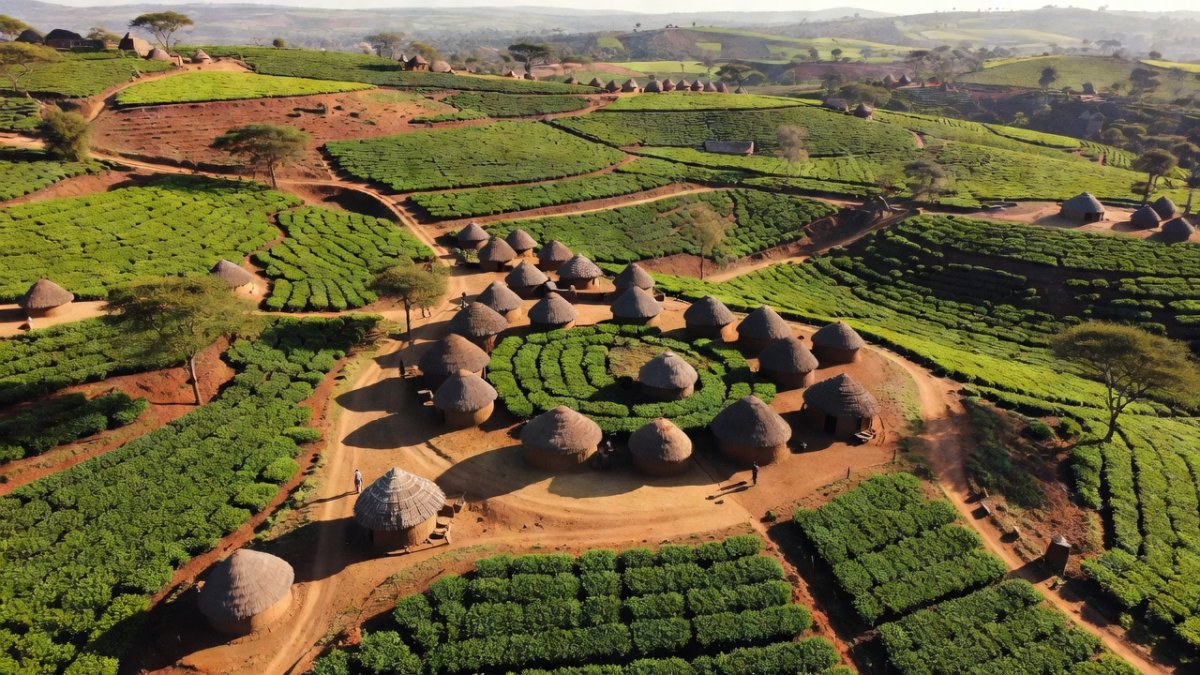
In the rolling hills of central Kenya, where the Kikuyu people have long shaped the rhythms of daily life through farming, trade, and community gatherings, a quiet shift in how families pass on names is unfolding. Traditionally, children inherit their father's first name as a surname, anchoring identity in paternal lines. Yet an increasing number of individuals, especially men, are now carrying their mother's name instead. This practice, once rare, now sparks conversations about respect, resilience, and the evolving place of women in a society that has long leaned patriarchal.
The Kikuyu Naming Tradition and Its Deep Roots
Among the Kikuyu, Kenya's largest ethnic group, names carry stories of lineage and belonging. Children often receive their father's first name as a surname, a custom that reflects historical emphasis on male authority in inheritance and clan matters. Yet legends trace the community's origins to Gikuyu and Mumbi, whose ten daughters form the foundation of many clans. One official from the Kikuyu cultural group Kiama Kia Ma, Mugwe wa Njuhi, notes that his own clan name Mumbui derives from Wambui, one of those daughters. This matrilineal thread has always existed beneath the surface, even as modern life reinforced paternal naming.
Single motherhood has grown more common in recent decades, accelerating the visibility of female surnames. Cultural expert Wairimu Mukuru explains that when a mother does not name the father or he rejects the child, her eldest brother traditionally steps in. Still, some uncles hesitate because granting their name could open inheritance claims. These practical realities meet longstanding respect for mothers who raise children alone, creating space for names like those of musician Peter Kigia, known as Kigia wa Esther.
Men Carrying Maternal Names: Personal Choices and Public Figures
Some men receive their mother's name at birth, while others adopt it later to honor the women who shaped them. MP John Njuguna Wanjiku, elected in 2021, carries the nickname Ka-Wanjiku, meaning child of Wanjiku. Raised by a single mother, he represents a visible example of how such names now appear in prominent positions. Musician Kigia wa Esther, now in his sixties, chose his mother's name as his stage name and registered his company Wa Esther Productions. He describes the choice as an expression of love and respect.
Younger artists have followed, with posters in Nairobi advertising performers such as Waithaka wa Jane and 90K Ka Msoh. Journalist Simon Macharia Wangui made the change official after growing up without a surname. His mother died when he was twelve, and his father remained absent. At eighteen he applied for a birth certificate and selected his mother's name, asking why credit should go where it does not exist. These decisions reflect personal histories rather than abstract trends.
Navigating Stigma and Public Debate
Not everyone welcomes the shift. Two years ago, motivational speaker Robert Burale argued that female surnames undermine masculinity. Television personality Fred Muitiriri later shared his own experience of dropping his mother's name after facing embarrassment and low self-esteem as a boy called by what sounded like a girl's name in school. Broadcaster Evans Kibe Waceke notes that some Kenyans still view children raised by single mothers as lacking certain morals or discipline.
Girls and women with maternal surnames rarely face the same criticism. When they marry, many simply take their husband's first name. Men, however, encounter ridicule or questions about their upbringing. Mugwe wa Njuhi pushes back against such disdain, reminding listeners that Kikuyu identity itself begins with the daughters of Gikuyu and Mumbi. Academic George Gathigi adds that while tradition always contained matrilineal elements, rising single motherhood has simply made them more visible today.
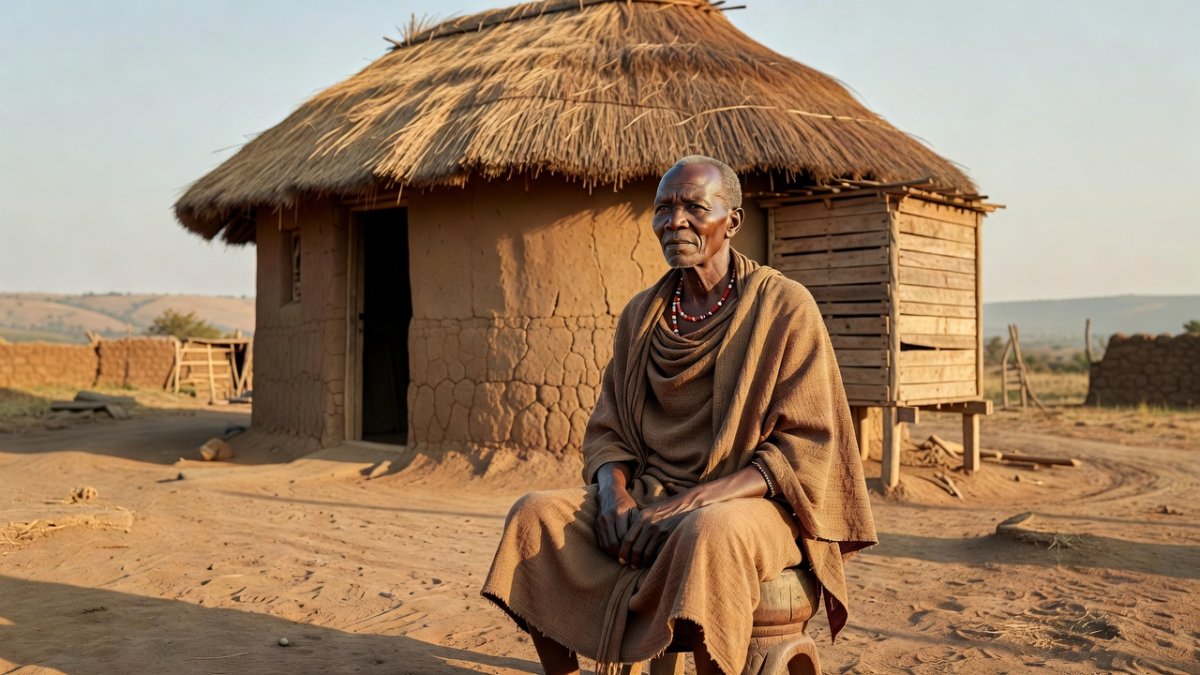
Connections Across the African Continent
Naming practices across Africa often mirror shifting gender roles and family structures. In many communities, names signal belonging, inheritance rights, and social expectations. The Kikuyu experience resonates with patterns seen elsewhere, where economic changes, urban migration, and stronger legal protections for women have encouraged greater recognition of maternal contributions. Single-parent households have become more common in cities from Lagos to Addis Ababa, prompting families to adapt traditions that once assumed two parents in every home.
These adaptations do not erase older customs but layer new meanings onto them. Men choosing maternal names in Kenya demonstrate that respect for mothers can coexist with cultural pride. The same spirit appears in other regions where communities celebrate women who sustain families through farming, small businesses, or education. Such choices quietly challenge rigid patriarchal scripts without discarding the communal values that define African social life.
A Senegalese Lens on Names and Maternal Influence
Growing up in Senegal, I learned early that names anchor us to both ancestors and living kin. In Wolof and Serer traditions common in the Senegambia region, children usually receive names from the paternal line, yet mothers' families often play decisive roles in upbringing and moral guidance. A child might carry a father's surname while being raised largely by maternal grandparents or aunts, a pattern that quietly honors women's labor without always changing official records.
When I hear Kikuyu men speak of choosing their mother's name, I recognize a similar impulse to give credit where daily life already places value. In Dakar markets or rural villages, women frequently manage household economies and transmit cultural knowledge. Senegalese families celebrate this reality through praise songs and family gatherings even when formal naming stays patrilineal. The Kenyan stories therefore feel familiar, reminding us that African cultures have long balanced respect for fathers with deep appreciation for mothers who hold families together.
Cultural Evolution Worth Celebrating
The rise of female surnames among Kikuyu men illustrates how traditions bend and strengthen under new pressures. What began as responses to single motherhood now carries a certain cachet in music and public life. Veteran artist Kigia wa Esther observes that outsiders sometimes misunderstand these choices, yet they reflect the Kikuyu way of honoring the women who came before. Wairimu Mukuru points out that even sons of unmarried women were historically given male surnames through uncles, showing that flexibility has always existed.
Across Africa, similar conversations continue as communities weigh inheritance, identity, and dignity. The men who proudly carry names like Wanjiku or Esther are not rejecting their heritage. They are extending it, making visible the mothers whose strength has always sustained the next generation. This evolution deserves recognition as part of Africa's ongoing story of adaptation and respect.
By Amara Diop, Staff WriterThis article was produced with AI-assisted research and editorial support. Reporting is based on sources cited in the article.
What's Your Reaction?
 Like
0
Like
0
 Dislike
0
Dislike
0
 Love
0
Love
0
 Funny
0
Funny
0
 Wow
0
Wow
0
 Sad
0
Sad
0
 Angry
0
Angry
0

Canada Correspondent at Global1.News. Based in Toronto, covering Canadian politics, energy, trade, and US-Canada relations. Provides the Canadian perspective on North American and global affairs.












Comments (0)