
Fela Kuti Makes History with Posthumous Grammy Lifetime A...
of African music, where rhythms pulse like the heartbeat of our shared continent, Fela Kuti, the Nigerian Afrobeat pioneer, has become the first African artist to receive the Grammy Lifetime Achievement Award, nearly three decades after his death. This milestone shines a light on the enduring power of his revolutionary sound, born from the soul of West Africa and echoing across generations.
In the vibrant tapestry of African music, where rhythms pulse like the heartbeat of our shared continent, Fela Kuti, the Nigerian Afrobeat pioneer, has become the first African artist to receive the Grammy Lifetime Achievement Award, nearly three decades after his death. This milestone shines a light on the enduring power of his revolutionary sound, born from the soul of West Africa and echoing across generations. It reminds us all, from Dakar to Lagos, that true artistic courage transcends time and borders.
Fela Kuti Makes History with Posthumous Grammy Lifetime Achievement Award
Lagos, Nigeria — The Recording Academy's decision to honor Fela Anikulapo Kuti with the Grammy Lifetime Achievement Award marks a profound turning point for African artists everywhere. This Special Merit Award celebrates a life dedicated to music that challenged power and uplifted the people. As the news spreads through the streets of Lagos, it feels like the continent itself is breathing a collective sigh of pride and remembrance.
A Historic First for African Music
The Recording Academy announced that Fela Anikulapo Kuti would receive the Grammy Lifetime Achievement Award as a Special Merit Award, crowning him the first African artist to earn this distinction. The ceremony unfolded on January 31, 2026, during the Grammy Special Merit Awards in Los Angeles, drawing tributes from across the globe. Nearly 30 years after his death, the honor finally placed his name alongside legends like Whitney Houston, Carlos Santana, Chaka Khan, Cher, and Paul Simon.
His children Yeni, Femi, Kunle, and Shalewa Kuti stood together to accept the award on his behalf, their presence a living bridge between his era and ours. The moment carried the weight of decades of overlooked brilliance, as Fela's music had long influenced the world without formal recognition from the industry's highest body. In my Senegalese heart, this feels like a family reunion across oceans, where African voices finally claim their rightful seat at the table.
Colleagues at the ceremony spoke of how Fela's fusion of sound and message reshaped what popular music could achieve. The Recording Academy highlighted his role in creating a genre that spoke truth to power while moving bodies on dance floors everywhere. For many in West Africa, the announcement arrived like the first rains after a long dry season, renewing hope that our stories will be told and celebrated.
Young musicians watching from Lagos living rooms saw their own possibilities reflected in the moment. The award underscored that African innovation in rhythm and lyric deserves global stages, not just local appreciation. As the applause echoed in Los Angeles, it resonated back home as validation for every artist who dares to blend heritage with bold expression.
Community elders in Abeokuta recalled how Fela's journey began with deep roots in Nigerian soil, yet reached far beyond. This first for an African artist opens doors that future generations will walk through with greater ease. The warmth of the recognition spreads like a shared meal, nourishing pride in every corner of the continent.
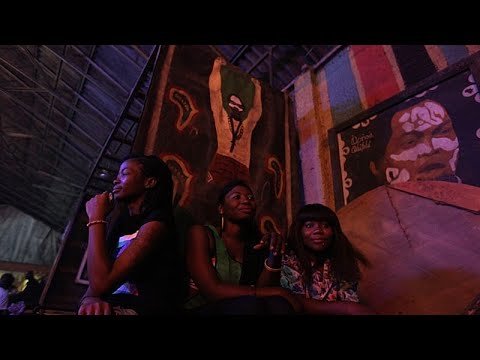
Fela Kuti: The Man Who Created Afrobeat
Fela Anikulapo Kuti was born in Abeokuta, Nigeria in 1938 to Funmilayo Ransome-Kuti, a renowned feminist activist, and Reverend Israel Oludotun Ransome-Kuti. From those early days, he absorbed the sounds of Yoruba traditions and the spirit of resistance that would define his life. His mother’s fearless advocacy shaped the political fire that later fueled his songs.
He created Afrobeat by weaving together Yoruba rhythms, highlife, jazz, funk, and sharp political commentary into a sound that felt both ancient and urgent. The result was music that made people dance while confronting injustice head-on. Over 50 studio albums released during his lifetime carried this potent mix to listeners across continents.
In Lagos, Fela established the Kalakuta Republic commune, a space of artistic freedom and communal living that became legendary. Nearby stood the Afrika Shrine, now known as the New Afrika Shrine, where he performed nightly and built a cultural sanctuary. These places pulsed with the energy of his vision for a liberated Africa.
His political activism against Nigeria’s military dictatorships led to repeated arrests and brutal beatings, yet he never silenced his voice. The 1976 album “Zombie” became a searing critique that was later inducted into the Grammy Hall of Fame in 2025. Even “Zombie” itself served as a protest anthem against military rule, sung in the streets by those seeking change.
Fela ran for president in 1979 but was barred from the ballot, a testament to how deeply his message threatened the status quo. Through it all, his family remained central, with his son Femi Kuti and grandson Made Kuti carrying the musical legacy forward today. The rhythms he forged continue to echo in the work of those who learned at his feet.
Recognition Nearly Three Decades After His Death
Receiving the Grammy Lifetime Achievement Award nearly 30 years after his death in 1997 feels both bittersweet and triumphant. Fela never won a competitive Grammy during his lifetime, despite releasing music that transformed global soundscapes. This long-overdue recognition affirms the lasting power of one of Africa’s most influential musicians.
The award underscores how Afrobeat’s global influence has only grown stronger with time. It validates the political depth and rhythmic innovation that once made him a target of authorities. In Senegal, where griots have long sung of heroes, this moment resonates as another chapter in our shared story of resilience.
Earlier this year, Fela was also inducted into the Rock & Roll Hall of Fame in 2026, the first African artist to receive that honor alongside Sade Adu. These twin recognitions mark a watershed for African music on the world stage. They remind us that patience and persistence can eventually shift even the most rigid institutions.
Families across Nigeria gathered to watch the ceremony, passing stories of Fela’s concerts from one generation to the next. The physical Grammy trophy later reached Nigeria, with grandson Made Kuti proudly posing alongside it. Such images spread joy through communities that have long cherished his memory in private.
This posthumous honor does not erase the struggles he faced, but it does illuminate the path he cleared for others. It affirms that African music carries wisdom and fire worthy of the highest stages. The recognition feels like a warm embrace from the ancestors, encouraging us to keep creating without fear.
Nigeria Celebrates: Lagos Government and National Pride
The Lagos State Government marked the occasion with public celebrations, as Commissioner for Tourism, Arts and Culture Mrs. Toke Benson-Awoyinka called it “a defining moment for Lagos, Nigeria, and the African continent.” Her words captured the swell of national pride that filled the air. Lagos, long known as the cultural heartbeat of Africa, felt especially alive with the news.
A Grammy Honours Party in Lagos brought together stars like Davido, Bose Ogulu, Burna Boy’s mother, and Yeni Kuti to toast the legacy. The gathering blended music, dance, and storytelling in true Fela style. Guests spoke of how his spirit continues to guide the city’s creative energy.
President Tinubu also congratulated Fela’s family, acknowledging the late legend’s contributions to Nigerian identity. The New Afrika Shrine in Ikeja, Lagos remains the center of legacy preservation, where young artists still gather to learn and perform. Its walls hold the echoes of countless nights when Fela’s saxophone cut through the night.
Local markets buzzed with conversations about the award, as elders and youth alike shared memories of dancing to his records. The recognition lifted spirits in a city that has always embraced its role as a cultural crossroads. It reinforced Lagos’s place as a beacon for African creativity.
Community leaders organized small processions through neighborhoods, waving flags and playing old tracks. The warmth of these gatherings reflected the deep affection Nigerians hold for Fela’s unapologetic voice. Such moments strengthen the bonds that tie the continent together through shared heritage.
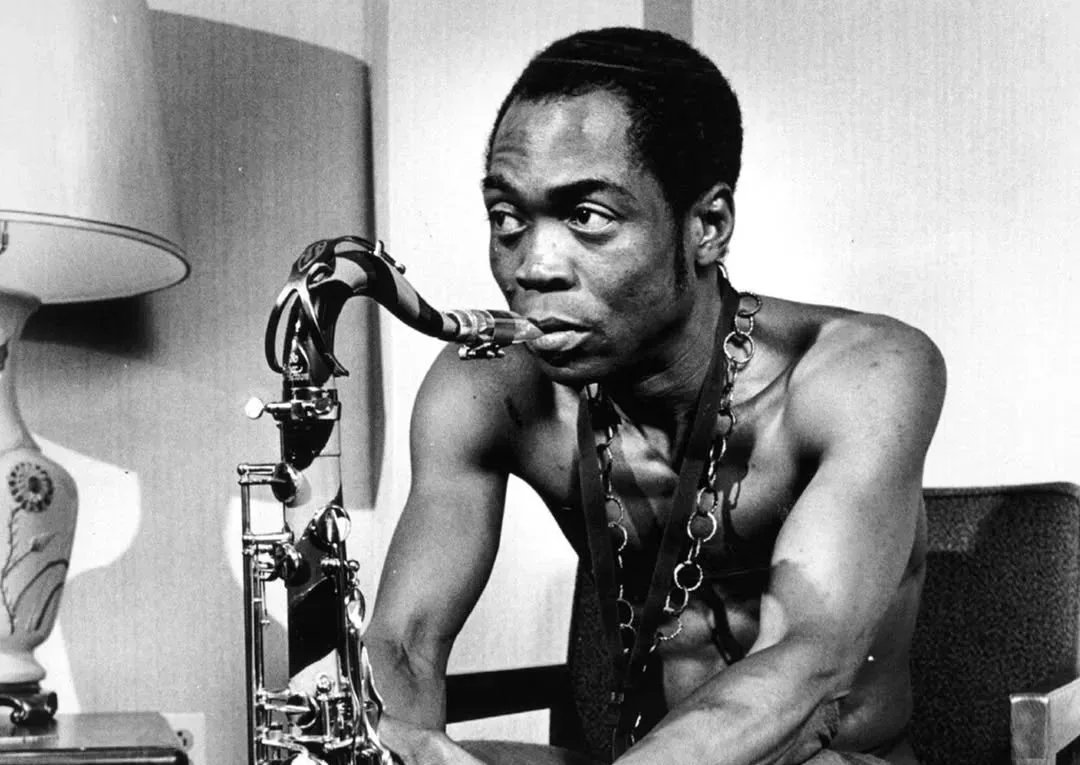
Afrobeat's Global Journey: From Lagos to the World
Fela’s music traveled from the streets of Lagos to stages worldwide, influencing generations of artists who blend tradition with contemporary beats. Modern Afrobeats stars like Burna Boy, Wizkid, and Davido openly carry his legacy, updating the sound while honoring its roots. Their global success traces directly back to the foundation he laid decades ago.
The genre’s commercial breakthrough on international charts owes much to Fela’s fearless experimentation. His political anthems taught younger musicians that dance music could also carry messages of justice and identity. Today, Afrobeats fills festivals from Europe to North America, proving the enduring appeal of his vision.
African music’s growing presence at major awards ceremonies reflects this expanding influence. Fela’s impact reaches beyond sound into fashion, film, and broader cultural movements that celebrate African aesthetics. Designers draw from his bold style, while filmmakers reference his life as a symbol of resistance.
Listeners in Senegal often trace the rhythms in our own mbalax music back to similar West African sources that Fela amplified. His work created bridges between countries, reminding us that our musical traditions are interconnected. The global journey of Afrobeat continues to open ears and hearts to African stories.
Young creators now study his albums as blueprints for authentic expression that refuses to compromise. The worldwide embrace of his sound validates the power of staying rooted while reaching outward. Fela’s journey shows how one artist’s courage can ripple across oceans and decades.
What Fela's Legacy Means for Africa's Creative Future
This recognition validates African artistic expression on the world stage in ways that will ripple through the creative economy for years to come. It signals that institutions are beginning to value the depth and innovation that have always existed on our continent. For Africa’s growing cultural industries, the moment brings both pride and renewed momentum.
Preserving and celebrating icons like Fela ensures that future generations understand the sacrifices behind today’s freedoms. Institutions such as the New Afrika Shrine and Kalakuta Museum play vital roles in keeping his archives and spirit alive. They serve as living classrooms where young people learn the power of authenticity and political courage.
Fela’s journey teaches African creatives that artistic excellence paired with fearless truth-telling can change societies. His example encourages them to blend heritage with bold experimentation rather than chasing fleeting trends. The warmth of his legacy invites them to create from a place of deep cultural confidence.
Across the continent, this award sparks conversations about how we honor our own heroes while they live. It reminds policymakers and funders to invest in spaces that nurture radical creativity. The path Fela walked shows that integrity and innovation can coexist beautifully.
Ultimately, his story strengthens the belief that African voices belong at the center of global culture, not the margins. As we celebrate this milestone, we carry forward the rhythm he gave us, knowing it will continue to inspire long after we are gone. The future of African creativity feels brighter because Fela’s light still shines.
By Amara Diop, Staff Writer
This article was produced with AI-assisted research and editorial support. Reporting is based on sources cited in the article.
What's Your Reaction?
 Like
0
Like
0
 Dislike
0
Dislike
0
 Love
0
Love
0
 Funny
0
Funny
0
 Wow
0
Wow
0
 Sad
0
Sad
0
 Angry
0
Angry
0

West Africa/Sahel Correspondent at Global1.News. Dakar-based journalist covering politics, security, climate, and development across Francophone and Anglophone West Africa. Tells the stories of a region undergoing profound transformation.














Comments (0)