
Khon Kaen Zoo Names Moo Nam Tok — Moo Deng's Niece
The Official Naming Ceremony at Khon Kaen Zoo On 28 June Khon Kaen Zoo marked its 13th anniversary by announcing the name of its newest female pygmy hippopotamus calf as Moo Nam Tok during a public celebration attended by local residents and visitors. Zoo director Thipawadee Kittikhun revealed that the name emerged from a contest drawing 10,737 participants, with Moo Nam Tok se
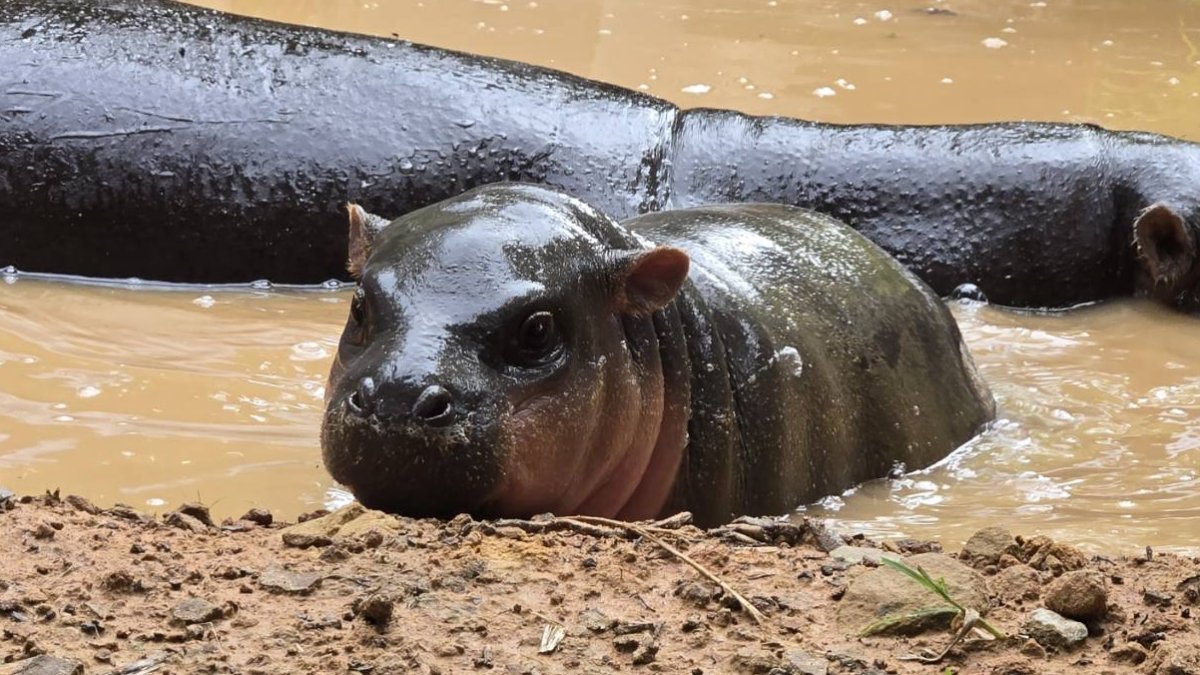
The Official Naming Ceremony at Khon Kaen Zoo
On 28 June Khon Kaen Zoo marked its 13th anniversary by announcing the name of its newest female pygmy hippopotamus calf as Moo Nam Tok during a public celebration attended by local residents and visitors.
Zoo director Thipawadee Kittikhun revealed that the name emerged from a contest drawing 10,737 participants, with Moo Nam Tok securing 7,948 votes to top the poll.
The event highlighted community involvement in Isaan traditions of collective decision-making, where residents gather to choose names that reflect local pride and natural surroundings.
Family Ties to Thailand's Famous Pygmy Hippo
Moo Nam Tok was born to mother Yaya and father Nadech, making her the direct niece of Moo Deng, the pygmy hippopotamus already known across Southeast Asia for her playful appearances at other Thai facilities.
This connection draws immediate attention from fans who followed Moo Deng's earlier milestones, extending that interest to Khon Kaen province in the northeast.
Visitors now track Moo Nam Tok's growth alongside her famous relative, creating a shared narrative that strengthens regional awareness of pygmy hippo care programs.
Public Poll Reflects Strong Local Engagement
The naming contest ran ahead of the 28 June anniversary and invited submissions from across Thailand, resulting in the clear victory for Moo Nam Tok over other proposed options.
Thipawadee Kittikhun noted that the high turnout demonstrated how such initiatives foster direct participation from families and schools in Khon Kaen and nearby provinces.
Organizers viewed the process as an example of community-driven activities that align with educational efforts in Thai schools, where students learn about wildlife through interactive projects.
Inviting Visitors to Observe Daily Development
Thipawadee Kittikhun encouraged tourists and families to visit Khon Kaen Zoo to watch Moo Nam Tok's playful personality emerge as she grows under the care of keepers.
The calf has already become a favourite among visitors arriving from Bangkok, Chiang Mai, and other parts of the country, with many returning to document her progress.
Khon Kaen Zoo remains open daily from 08:00 to 16:30, allowing flexible schedules for day trips that combine animal viewing with exploration of the surrounding Isaan landscape.
Boosting Tourism Across the Isaan Region
The arrival of Moo Nam Tok adds to Khon Kaen province's appeal as a destination for wildlife enthusiasts, supporting local businesses that provide transport, food, and lodging to out-of-town guests.
Increased footfall at the zoo contributes to the broader economy of northeast Thailand, where attractions like this help distribute tourism revenue beyond the more crowded southern and central areas.
Southeast Asian travelers planning multi-province routes now include Khon Kaen stops, extending their journeys to experience both the new calf and regional markets known for their distinctive produce and crafts.
Linking Conservation to Thai Education Initiatives
Thipawadee Kittikhun emphasized the opportunity for the public to learn about protecting rare wildlife species through direct observation of Moo Nam Tok and her habitat needs.
Schools in Khon Kaen and adjacent provinces have begun incorporating zoo visits into lessons on biodiversity, giving students concrete examples of conservation work happening in their own region.
This approach builds long-term support for wildlife programs by connecting classroom topics with real animals like the pygmy hippopotamus family at the zoo.
Practical Steps for Planning a Visit
Families arriving at Khon Kaen Zoo can expect clear viewing areas around the pygmy hippo enclosure, where keepers provide updates on Moo Nam Tok's feeding routines and health checks.
Advance planning helps visitors combine the zoo trip with nearby sites, maximizing time spent in the province while supporting local guides who share knowledge of Isaan wildlife history.
Regular updates from the zoo keep national audiences informed, ensuring continued interest that sustains both educational outreach and the facility's operational needs.
Source: Khaosod English
By Ann Srisawat, Staff WriterThis article was produced with AI-assisted research and editorial support. Reporting is based on sources cited in the article.
What's Your Reaction?
 Like
0
Like
0
 Dislike
0
Dislike
0
 Love
0
Love
0
 Funny
0
Funny
0
 Wow
0
Wow
0
 Sad
0
Sad
0
 Angry
0
Angry
0

Southeast Asia Correspondent at Global1.News. Based in Bangkok, covering Thai and Southeast Asian politics, economy, technology, and culture. Deep regional perspective on one of the world's most dynamic regions.













Comments (0)