
Kota Kidney Crisis Exposes Rajasthan Health Failures
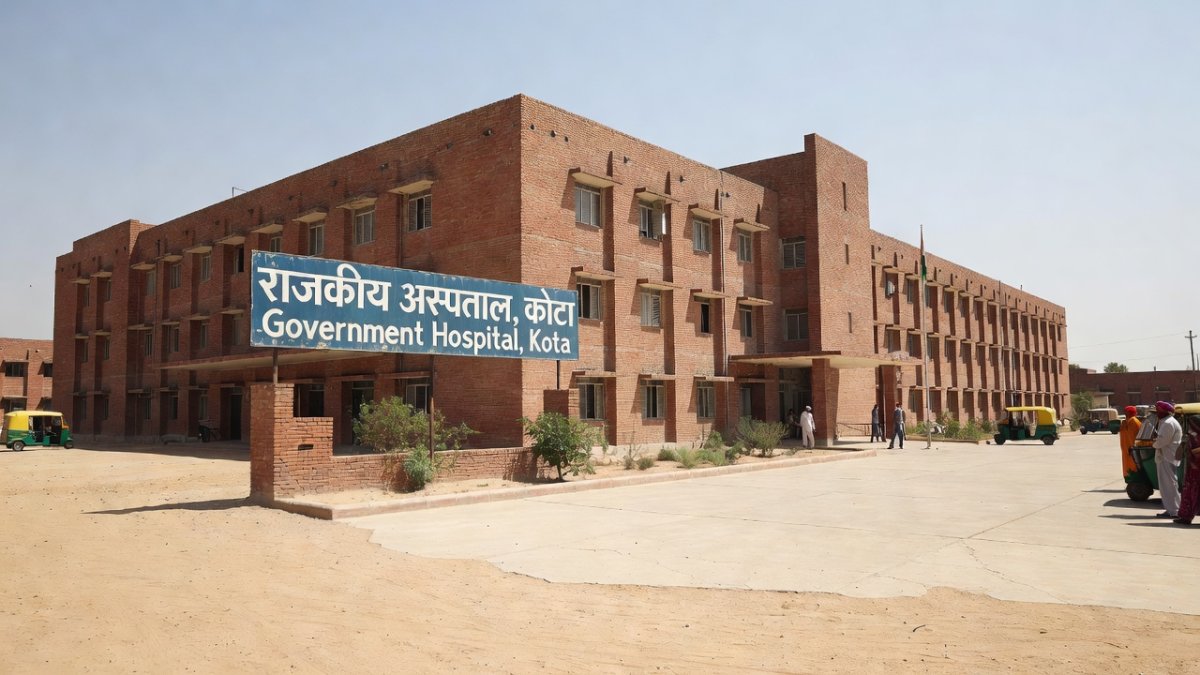
In a stark revelation of Rajasthan's crumbling maternal healthcare system, five women in Kota have endured postpartum kidney failure after C-sections at NMCH, completing 32 dialysis rounds over 68 days while pleading for euthanasia before agreeing to transplants.
In a stark revelation of Rajasthan's crumbling maternal healthcare system, five women in Kota have endured postpartum kidney failure after C-sections at NMCH, completing 32 dialysis rounds over 68 days while pleading for euthanasia before agreeing to transplants. With Rajasthan's maternal deaths now at 19 and clusters emerging in Bikaner, Bhilwara, and Banswara, these cases expose negligence, substandard drugs, and weak protocols that push low-income families into destitution. The crisis demands immediate scrutiny of obstetric care across India's high-burden states.
Kota Postpartum Kidney Failures Spotlight Rajasthan Crisis
Kota, Rajasthan — Article continues...
The Kota Postpartum Kidney Failure Cases at NMCH
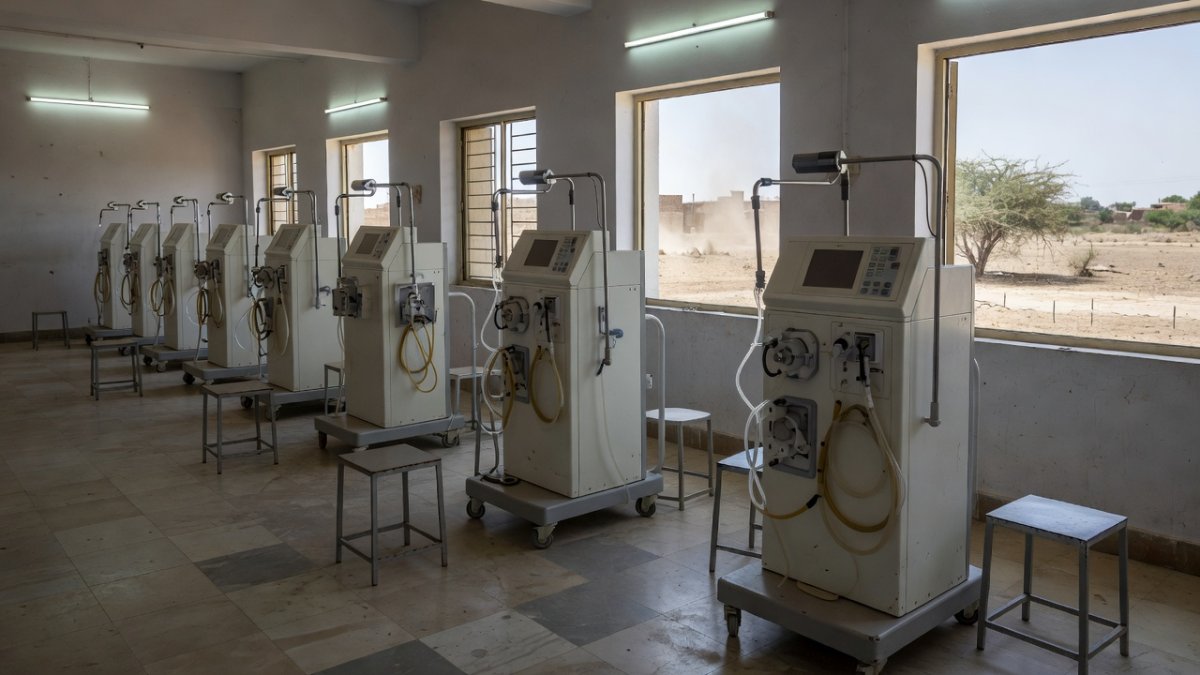
Five women who underwent C-section deliveries at Kota's New Medical College Hospital developed severe postpartum kidney failure. They have completed 32 rounds of dialysis across 68 days. The patients initially refused further dialysis and wrote to the President of India requesting permission for euthanasia. Following discussions with state administration on July 16, the women agreed to resume treatment. The Rajasthan government committed to covering all travel and medical expenses for future kidney transplants, which require a mandatory 90-day medical protocol with 70 days already completed.
Postpartum acute kidney injury (AKI) following caesarean sections often stems from a cascade of physiological insults including severe preeclampsia-induced endothelial damage, massive blood loss triggering hypoperfusion, and exposure to nephrotoxins such as NSAIDs or antibiotics like gentamicin commonly used in Indian obstetric protocols. When kidneys fail, glomerular filtration rates plummet below 15 mL/min, leading to uremic toxin accumulation, fluid overload, and electrolyte imbalances that necessitate urgent dialysis. ICMR data from 2022 indicates postpartum AKI accounts for 15-20% of all AKI cases in tertiary centres across India, with incidence rates reaching 8.2 per 1,000 deliveries in high-burden states, exacerbated by infections like puerperal sepsis that amplify tubular necrosis.
In the NMCH Kota cluster, multiple women developed irreversible damage after C-sections, highlighting how delayed recognition of rising creatinine levels beyond 2.5 mg/dL compounds outcomes. Nephrotoxin stewardship remains weak, with Ministry of Health guidelines often bypassed in resource-strapped facilities, allowing cumulative doses to precipitate acute tubular necrosis in already vulnerable postpartum physiology.
Personal Impact on Affected Families
Dhanni Suman, whose husband Mohan Lal works as a cab driver, saw her family sell their taxi to cover initial medical costs. Ragini Meena, aged 29, faces additional strain after her husband Lokesh lost his job at a finance company. These cases illustrate the direct economic pressure on low-income households in Kota when public hospital complications arise. Families have received a 48-hour ultimatum regarding kidney transplant timelines while they must still arrange living donors exclusively from relatives.
Government Response and Medical Protocol
The Rajasthan government ordered an official probe into the complications reported at NMCH and JK Lone Hospital. Hospital authorities maintain that the five surviving women remain stable, receive free treatment, and that decisions on transplants remain premature. Substandard drugs discovered in the supply chain were banned, though authorities have not established a direct causal link to the kidney failures. The state has also committed to bearing full costs for transplant-related travel and procedures once the 90-day protocol concludes.
Rajasthan's maternal mortality ratio stands at 164 per 100,000 live births per NFHS-5, markedly higher than the national average of 97, reflecting systemic gaps in antenatal surveillance and emergency obstetric care. State health spending hovers at just 1.2% of GDP, limiting ICU capacity for AKI management. The Pradhan Mantri Surakshit Matritva Abhiyan (PMSMA) framework, intended to provide assured antenatal check-ups, has faltered in districts like Kota due to poor implementation, with only 62% coverage of high-risk pregnancies and inadequate integration of renal function monitoring, leading to preventable escalations into dialysis-dependent states.
Medical protocols at NMCH require urgent alignment with AIIMS-derived guidelines for early nephrology referral within 24 hours of oliguria onset, yet audits reveal compliance below 40%. ICMR-supported studies underscore that strengthening PMSMA with point-of-care creatinine testing could reduce postpartum AKI progression by 35% in Rajasthan's public hospitals.
Additional Maternal Deaths Across Rajasthan
Five other women at NMCH and JK Lone Hospital died from similar post-delivery complications. Separate cases of maternal deaths have been reported from Bikaner, Bhilwara, and Banswara districts. The statewide total maternal death count has now reached 19. These figures reflect systemic challenges in Rajasthan's public healthcare facilities handling obstetric emergencies.
Allegations of Negligence and Institutional Response
The affected women have alleged that kidney damage resulted from medical negligence and suspected spurious medicines administered during or after their C-sections. Hospital officials deny any negligence. Dr. Nilesh Jain has been named in connection with the cases. The administration continues to monitor the patients while the state probe examines all aspects of care delivery at the two Kota facilities.
What This Means for India
The Kota incidents expose gaps in Rajasthan's maternal healthcare delivery system that affect thousands of women annually across the state. When cab drivers must sell vehicles and finance workers lose jobs to manage dialysis costs, the financial burden shifts directly onto households already operating near subsistence levels. The requirement that families locate relative donors within tight timelines adds further logistical strain in a region where blood relations may live across multiple districts. With 19 maternal deaths recorded statewide and additional clusters emerging in Bikaner, Bhilwara, and Banswara, the data point to recurring patterns in post-C-section care that require coordinated intervention at the level of drug procurement, surgical protocols, and post-operative monitoring. These outcomes carry implications for India's broader public health framework, where states must balance free treatment commitments with consistent quality control to prevent avoidable organ damage in young mothers.
The euthanasia plea submitted to the President underscores profound legal and ethical tensions, invoking the 2018 Supreme Court judgment in Common Cause vs Union of India that legalized passive euthanasia through advance directives and withdrawal of life support under strict safeguards. This framework affirms the right to refuse medical treatment as inherent to Article 21's guarantee of personal liberty and dignity, allowing patients or families to opt against prolonged dialysis when prognosis is futile, particularly in cases of permanent kidney failure post-C-section.
Economically, the burden devastates families: private dialysis in Rajasthan costs ₹2,500-4,000 per session versus ₹800-1,200 in public facilities, yet Ayushman Bharat covers only limited transplant procedures while capping dialysis sessions, forcing patients like Mohan Lal to sell assets such as taxis and others to lose livelihoods entirely. With ICMR estimating annual dialysis expenditure exceeding ₹1.2 lakh per patient, national policy must expand coverage to avert such impoverishment across similar cases nationwide.
Path Forward for Rajasthan's Maternal Health Infrastructure
Strengthening oversight of drug supply chains and standardising post-C-section renal monitoring at NMCH and JK Lone Hospital represent immediate priorities. The 90-day transplant protocol now underway for the five surviving patients will test the government's commitment to sustained financial support. Continued tracking of maternal deaths in Bikaner, Bhilwara, and Banswara will determine whether the Kota cluster reflects isolated failures or wider systemic issues requiring policy adjustments at the state level.
— By Dr. Raj Patel, Staff Writer
This article was produced with AI-assisted research and editorial support. Reporting is based on sources cited in the article.
What's Your Reaction?
 Like
0
Like
0
 Dislike
0
Dislike
0
 Love
0
Love
0
 Funny
0
Funny
0
 Wow
0
Wow
0
 Sad
0
Sad
0
 Angry
0
Angry
0

India/South Asia Correspondent at Global1.News. Analytical voice with a background in science and health journalism. Based in New Delhi, covering Indian politics, education, healthcare, technology, and policy. Breaks down complex data into clear, actionable reporting.















Comments (0)