
Kota Oxytocin Tragedy Exposes Drug Regulation Gaps
The Kota Tragedy Unfolds on May 26, 2026 On May 26, 2026, five women died during childbirth at Kota's New Medical Hospital after receiving oxytocin injections that contained only water. The vials originated from Punjab-based Jackson Laboratories and lacked any active pharmaceutical ingredient. This incident immediately triggered investigations by Rajasthan health authorities an
The Kota Tragedy Unfolds on May 26, 2026
On May 26, 2026, five women died during childbirth at Kota's New Medical Hospital after receiving oxytocin injections that contained only water. The vials originated from Punjab-based Jackson Laboratories and lacked any active pharmaceutical ingredient. This incident immediately triggered investigations by Rajasthan health authorities and highlighted how counterfeit medicines can infiltrate public hospital supply chains.
Separately, six women in Bikaner developed acute kidney complications following caesarean sections where similar oxytocin batches were administered. These cases emerged within days of the Kota deaths, prompting the Punjab FDA to revoke the licence of Jackson Laboratories' Amritsar unit for repeated GMP violations. A nationwide recall of the affected batches was ordered within 72 hours.
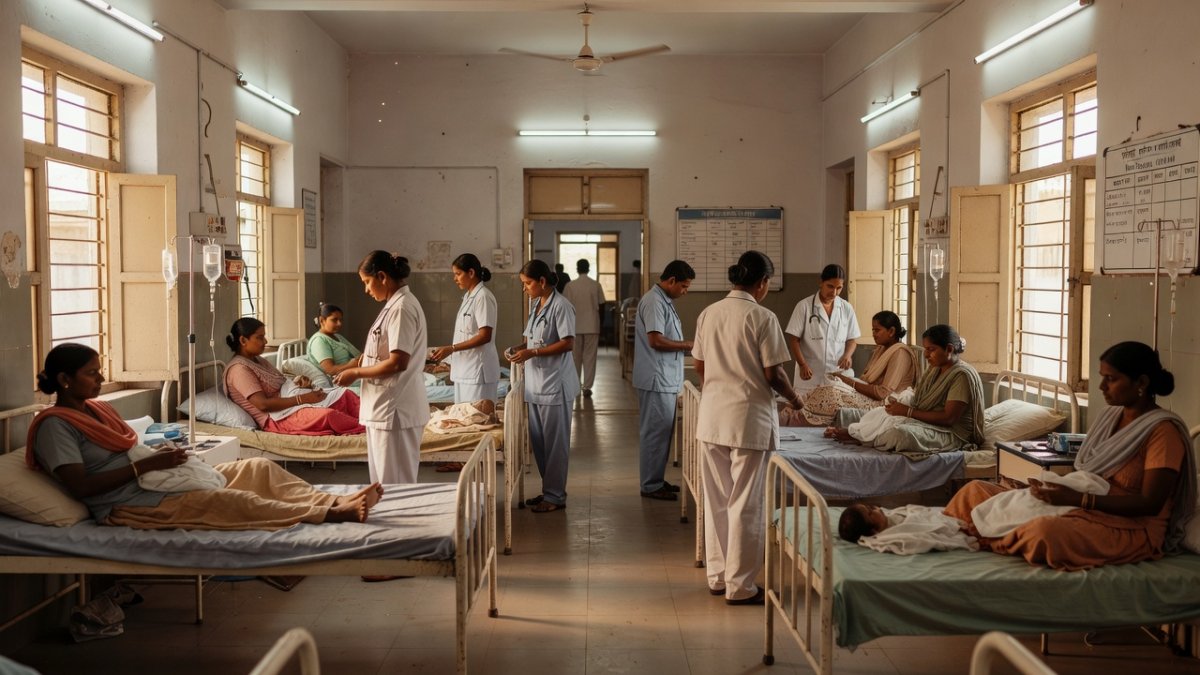
The tragedy struck at a facility that serves thousands of low-income patients from Kota and surrounding districts. Families reported that the women had shown no prior complications, yet uncontrolled bleeding began shortly after delivery. Hospital records later confirmed the oxytocin vials carried batch numbers linked to Jackson Laboratories.
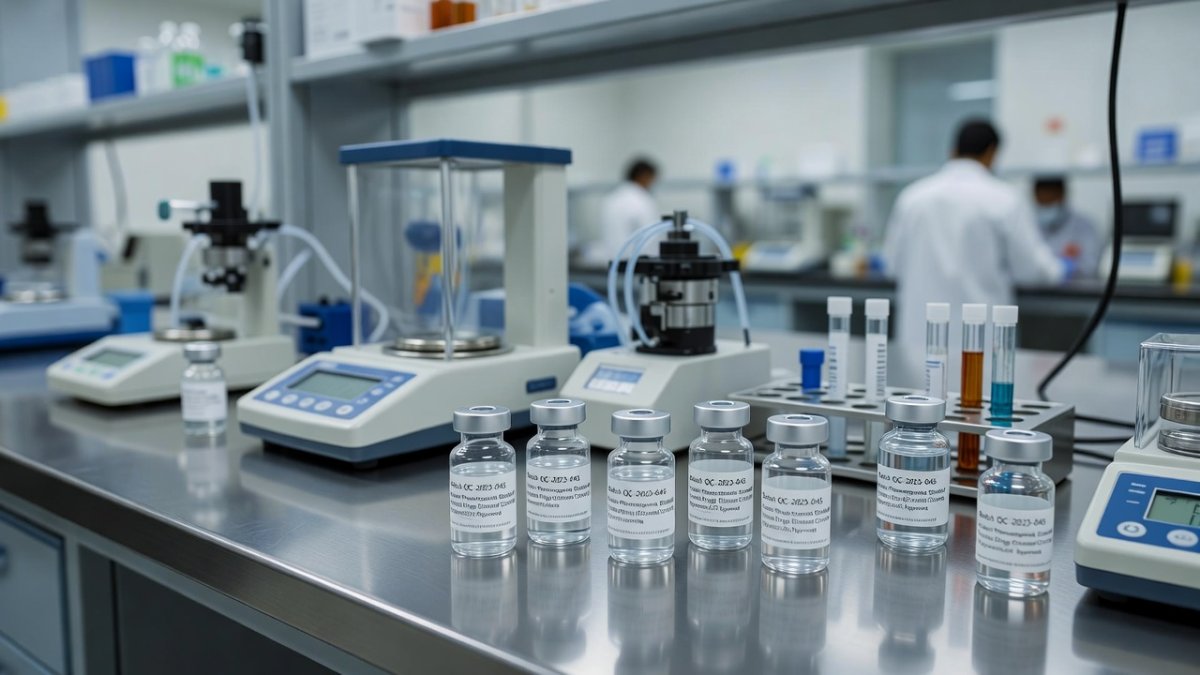
Local health officials initially attributed the deaths to postpartum haemorrhage, a leading cause of maternal mortality in India. Only after laboratory testing revealed zero oxytocin content did the full scale of the regulatory failure become clear. The incident has since become a focal point for discussions on drug quality in Rajasthan's public health system.
Why Oxytocin Is Critical in Postpartum Care
Oxytocin remains the standard medication for preventing and managing postpartum haemorrhage across Indian hospitals. Dr Bharat Bhusan of Manipal Hospital Bhubaneswar emphasises that the drug induces uterine contractions immediately after delivery, reducing blood loss that can otherwise prove fatal within minutes. In its absence, uterine atony develops rapidly, leading to uncontrolled bleeding.
Dr Preety Shetty of Apollo Hospitals Bengaluru notes that oxytocin administration after every delivery is standard protocol in both public and private facilities. Without it, foetal distress during labour can escalate, and newborns may suffer oxygen deprivation. These physiological realities make even a single fake vial potentially lethal in high-volume maternity wards.
India records one of the highest burdens of postpartum haemorrhage-related deaths globally. The World Health Organization estimates that haemorrhage accounts for nearly 30 percent of maternal mortality cases in the country. In Rajasthan alone, official data from 2025 showed 248 maternal deaths, many linked to bleeding complications during institutional deliveries.
The Kota incident demonstrates how a seemingly routine injection can become a vector for tragedy when quality controls fail. Patients in government hospitals, who often cannot afford private alternatives, bear the greatest risk when substandard medicines enter supply chains.
Jackson Laboratories' History of Violations
Jackson Laboratories had already been blacklisted by Odisha, Jammu & Kashmir, Karnataka, Tamil Nadu, and Punjab prior to the Kota deaths. Prosecution proceedings were underway in Jharkhand, Andhra Pradesh, and Punjab for earlier GMP breaches. Despite these actions, the company remained empanelled with Rajasthan, Punjab, and Northern Railway procurement lists.
The absence of a national blacklist allowed the firm to continue supplying multiple states. State regulators operate in isolation, with no centralised database to flag repeat offenders. This structural gap enabled Jackson Laboratories to maintain government contracts even after multiple states had identified serious quality issues.
Punjab FDA inspectors documented repeated failures in manufacturing hygiene and quality testing at the Amritsar unit. These findings mirror patterns seen in other Indian pharma scandals where companies exploit fragmented enforcement to stay operational.
Fragmented Regulatory System Between CDSCO and States
India's drug regulatory framework splits responsibility between the central CDSCO and individual state authorities. While CDSCO sets national standards, licensing and inspections remain largely state functions. This division creates blind spots that companies like Jackson Laboratories have exploited for years.
Activists from the All India Drug Action Network (AIDAN) have repeatedly stated that regulatory action remains reactive rather than preventive. Data sharing between states is minimal, allowing blacklisted firms to shift operations or secure new contracts elsewhere. The Kota tragedy has intensified calls for a unified national database of violators.
CDSCO announced GMP reforms following earlier scandals, yet implementation remains uneven across states. Rajasthan's health department has now initiated an audit of all oxytocin suppliers, but similar reviews in other states have historically produced limited long-term change.
Previous Drug Scandals and Industry Reputation
The Kota incident follows a series of high-profile failures. In Madhya Pradesh, 25 children died after consuming cough syrup manufactured by Sresan Pharma. Twelve children died in Jammu & Kashmir in 2019 from spurious drugs distributed through government channels. These cases share a common thread of inadequate quality testing before distribution.
India's export reputation suffered further when cough syrups linked to deaths in Gambia, Uzbekistan, and Cameroon were traced to Indian manufacturers. International regulators imposed additional scrutiny on Indian pharmaceutical exports, affecting the industry's $25 billion annual overseas revenue.
Domestic patients now face similar risks within government hospitals. The lack of a coordinated national response has allowed substandard medicines to persist in public procurement systems across multiple states.
Impact on Maternal Health Outcomes
The deaths in Kota and complications in Bikaner have prompted Rajasthan to review all oxytocin stocks in district hospitals. However, experts warn that without systemic changes, similar incidents could recur in other states. Maternal health indicators in Rajasthan already lag behind national averages, with institutional delivery rates around 85 percent but persistent gaps in medicine quality assurance.
Women from economically weaker sections who rely on government facilities are disproportionately affected. The Kota tragedy has sparked protests by women's groups demanding compensation and accountability from both the manufacturer and health authorities.
Long-term implications include potential erosion of trust in institutional deliveries. If patients perceive government hospitals as unsafe, home births may increase, reversing hard-won gains in reducing maternal mortality over the past decade.
Path Forward for Regulatory Reform
Health policy analysts recommend establishing a real-time national database of blacklisted manufacturers accessible to all state procurement agencies. Such a system would prevent companies like Jackson Laboratories from continuing operations after multiple state bans.
Strengthening CDSCO's oversight role while mandating data sharing among states could close existing loopholes. Implementation of uniform GMP audits with third-party verification has been proposed but faces resistance from state-level licensing bodies.
The Kota oxytocin tragedy serves as a stark reminder that fragmented regulation carries direct human costs. Until preventive mechanisms replace reactive measures, Indian patients, particularly mothers in public hospitals, will remain vulnerable to substandard medicines.
— By Dr. Raj Patel, Staff WriterThis article was produced with AI-assisted research and editorial support. Reporting is based on sources cited in the article.
What's Your Reaction?
 Like
0
Like
0
 Dislike
0
Dislike
0
 Love
0
Love
0
 Funny
0
Funny
0
 Wow
0
Wow
0
 Sad
0
Sad
0
 Angry
0
Angry
0

India/South Asia Correspondent at Global1.News. Analytical voice with a background in science and health journalism. Based in New Delhi, covering Indian politics, education, healthcare, technology, and policy. Breaks down complex data into clear, actionable reporting.















Comments (0)