
Europe's Silent Killer — Heatwave Deaths Exceed 14,000 as Latin America Faces Same Fate
Europe's June 2026 heatwave caused over 14,000 excess deaths, EuroMOMO data reveals. Brazil suffered 120,000 heatwave deaths in 20 years. With a Super El Niño brewing, Latin America urgently needs systematic heat mortality tracking to save lives.
Europe's deadliest heatwave in decades has left more than 14,000 people dead, and the numbers keep climbing. But this is not just a European crisis — it is a warning shot for Latin America, where systematic tracking of heat-related deaths barely exists and where a brewing Super El Niño threatens to make things far worse. As the region braces for record temperatures, researchers are asking a question that should haunt policymakers from São Paulo to Mexico City: how many are dying, and who is counting?
Europe's Silent Killer — Heatwave Deaths Exceed 14,000 as Latin America Faces Same Fate
São Paulo, Brazil – July 22, 2026 — The June 2026 heatwave across Western and Central Europe delivered a grim verdict through EuroMOMO data: roughly 14,260 excess deaths in the week ending June 28 across 24 countries. Total deaths reached 84,583 — a 17 percent spike above baseline with no infectious disease to blame. Over 12,000 of those excess fatalities struck people aged 65 and older. Germany recorded 5,500 to 6,800 excess deaths, France peaked at 2,000 to 3,000, Belgium hit 1,700, and a separate UK study tallied 2,700 heat-related deaths in England and Wales.
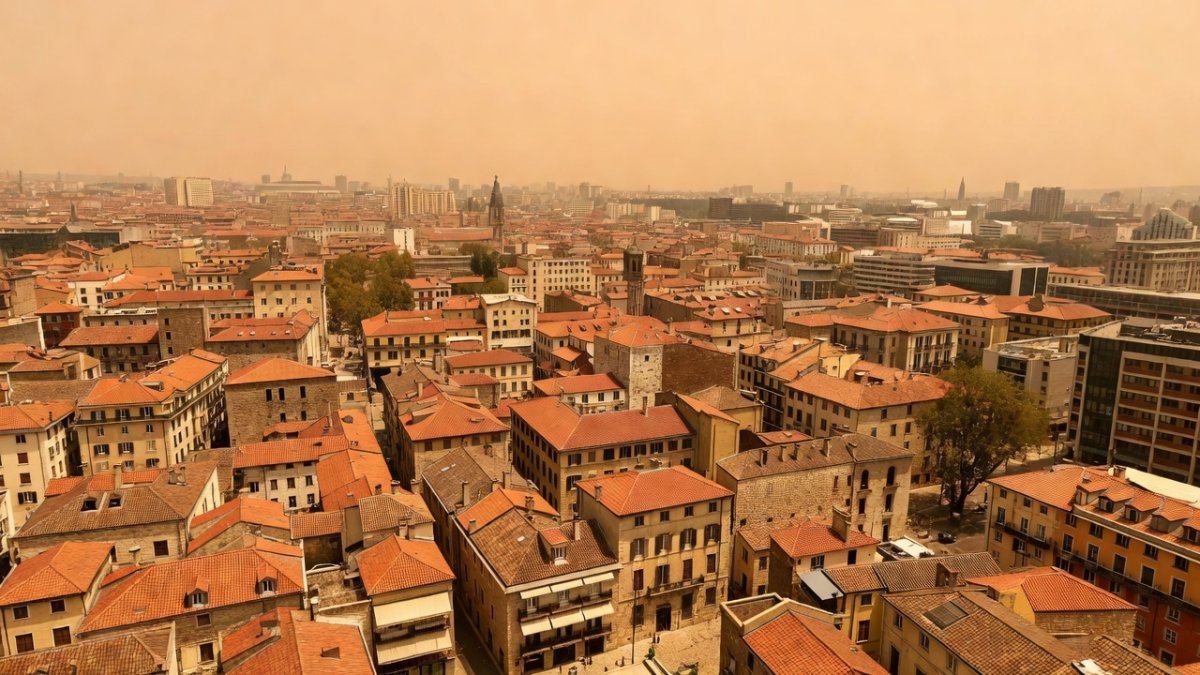
Europe's Heatwave Death Toll — 14,260 and Rising
This "highly unusual" surge, described as Europe's silent killer, rarely appears on death certificates as heat-related. Most victims simply stopped breathing during nights that never cooled below dangerous thresholds. The 2003 European heatwave killed around 70,000; 2026's provisional toll already signals another grim milestone that may be revised upward. Latin American capitals watching these numbers must recognize the same demographic — elderly residents in poorly ventilated homes — faces identical risks without any comparable surveillance system. The human cost mounts quietly while policymakers delay action.
A Heatwave Made Possible Only by Climate Change
World Weather Attribution scientists declared the 2026 event virtually impossible without human-caused climate change. Soaring nighttime temperatures became roughly 100 times more likely because of warming. A June 1976 equivalent would have been 3.5°C cooler. Europe has warmed at twice the global average rate, turning persistent Omega blocks into heat traps that parked Saharan air over cities for weeks. Daytime highs exceeded 40°C in parts of France and the UK while high humidity produced unprecedented heat stress across hundreds of urban centers. Agricultural losses included three million broiler chickens in France alone; wildfires raged in Spain and Portugal; water shortages spread. These physical drivers now migrate toward Latin America. The same atmospheric patterns that baked Europe will intensify over the Amazon basin and Andean corridors, where humidity and urban heat islands already amplify danger. Without rapid adaptation, the 14,260 European deaths preview what São Paulo, Mexico City, and Lima will count in coming summers.
Latin America's Hidden Heat Mortality Crisis
Brazil alone suffered approximately 120,000 heatwave deaths between 2000 and 2019 according to IPS Noticias and Contralínea reporting released in July 2026. The vast majority struck people over 65. An earlier PLOS One study estimated 48,000 heat-related deaths in Brazil over a similar period, underscoring how different methodologies reveal different scales of tragedy. Unlike Europe’s EuroMOMO network, Latin America lacks systematic heat mortality tracking. IPS Noticias labeled the Brazilian analysis an “unusual study” precisely because detailed attribution remains so rare. PAHO and WHO heat-health action plans show glaring regional gaps. Heat already kills more people globally than hurricanes or floods, yet most Latin American nations still treat it as a seasonal nuisance rather than a measurable public-health emergency. The European data now functions as a warning: without EuroMOMO-style surveillance, the 120,000 Brazilian deaths will multiply silently while governments underestimate the true burden on elderly and low-income populations.
The Super El Niño Threat — 2026 and Beyond
NOAA and ECMWF forecasts indicate a Super El Niño is forming in the Pacific, potentially rivaling the catastrophic 1877-78 event that contributed to 30-60 million deaths worldwide and devastated Brazil’s northeast. Peru issued 2026 heatwave alerts with temperatures reaching 36°C in Lima. Brazil, Colombia, Mexico, and Argentina already face rising baseline heat risks that this oceanic anomaly will intensify. The 1877-78 precedent shows how prolonged high temperatures combine with drought to trigger famine, migration, and excess mortality across the region. Current urbanization patterns, heat-island effects, and housing without air conditioning will amplify every degree of additional warming. Latin American health systems must prepare now for mortality spikes that could dwarf Europe’s 14,260 figure. Early warning systems tied to El Niño forecasts offer the only realistic buffer, yet investment remains minimal compared with the scale of the threat.
Who Dies When the Heat Arrives?
The elderly over 65, children, outdoor workers, the chronically ill, and low-income communities absorb the brunt of extreme heat. In Latin America, rapid urbanization has created dense neighborhoods where concrete and asphalt trap heat long after sunset. Poor housing without air conditioning turns bedrooms into ovens. Brazil’s 120,000 deaths between 2000 and 2019 followed this pattern almost exactly. Europe’s 12,000-plus excess deaths among those 65 and older mirror the same vulnerability now expanding across São Paulo favelas and Lima’s informal settlements. Heat stress compounds existing conditions—cardiovascular disease, diabetes, respiratory illness—turning manageable chronic problems into fatal events. Outdoor laborers in agriculture and construction face direct exposure without shade or rest protocols. Children in under-resourced schools suffer cognitive and physical harm. These populations lack political voice, so their deaths remain undercounted and under-addressed until systematic tracking forces accountability.
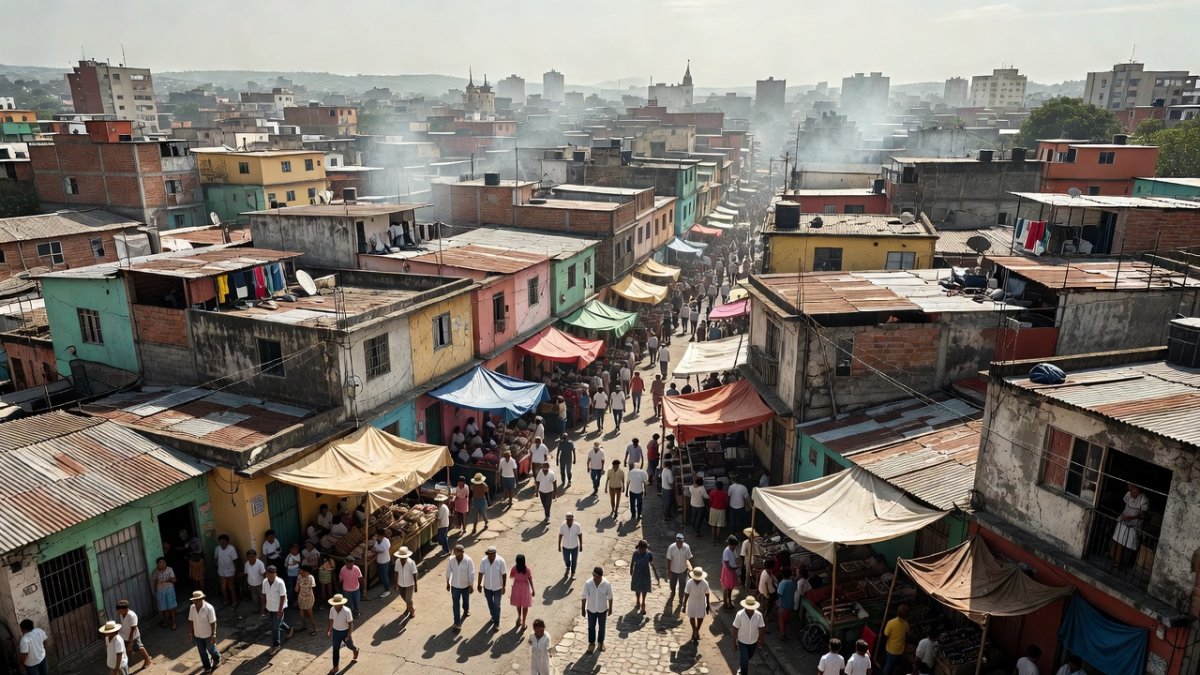
A Tale of Two Tracking Systems
Europe’s EuroMOMO network delivered rapid, comparable excess-death statistics within weeks of the June 2026 heatwave. Latin America possesses no equivalent. PAHO and WHO recommendations for heat-health action plans remain largely unimplemented because baseline mortality data is missing. The Brazilian IPS Noticias study stands out precisely because it required extraordinary effort to reconstruct numbers that Europe obtains automatically. Without such systems, cities cannot calibrate early-warning thresholds, target cooling centers, or justify protective policies for the elderly and outdoor workers. Europe’s 14,260 excess deaths became policy-relevant only because they were counted; Latin America’s 120,000 Brazilian deaths stayed invisible for two decades. Adopting EuroMOMO-style surveillance would allow São Paulo, Mexico City, Buenos Aires, and Lima to detect spikes in real time and trigger interventions before mortality climbs. The technology and methodology exist; political will and funding do not.
The Pan American Health Organization has called for mandatory heat-health action plans across member states, yet fewer than half of Latin American countries have implemented even basic early-warning systems. Costa Rica and Chile lead with pilot programs, but Brazil, Mexico, and Argentina — the region's largest economies — still lack integrated surveillance. Without this infrastructure, the true toll of extreme heat remains invisible, undercounting deaths that could be prevented with simple interventions like cooling centers, heat-health alerts, and community outreach programs targeting isolated elderly residents.
The Bottom Line — Counting the Uncounted
The 14,260 European deaths and Brazil’s 120,000 heat fatalities over two decades represent the same public-health failure: societies that refuse to measure what they do not wish to confront. Systematic heat-mortality tracking across Latin America must become standard, modeled on EuroMOMO yet adapted to regional data gaps. Cities including São Paulo, Mexico City, Lima, and Buenos Aires require binding heat-action plans that prioritize elderly residents, outdoor workers, and low-income neighborhoods. Climate adaptation funding must shift from rhetoric to concrete cooling infrastructure, early-warning systems linked to Super El Niño forecasts, and routine death-certificate reforms that capture heat as a contributing cause. The silent killer will not wait for perfect data. Every summer that passes without these systems adds thousands more uncounted deaths to a ledger Latin America can no longer afford to ignore. The European numbers prove the threat is measurable; the Brazilian numbers prove the cost of inaction is already catastrophic.
COP30 in Belém, Brazil, placed the Amazon at the center of global climate negotiations, but the health crisis unfolding in the region's cities received scant attention. Heat kills more people each year than deforestation, yet the two are intimately connected — forest loss drives local temperature increases that compound global warming. Latin American governments must integrate health surveillance into their climate commitments, funding EuroMOMO-style systems as part of their nationally determined contributions under the Paris Agreement. The technology exists. The methodology is proven. What remains absent is the political will to count every death and act on what the numbers reveal.
By Elena Vasquez, Staff Writer
This article was produced with AI-assisted research and editorial support. Reporting is based on sources cited in the article.
What's Your Reaction?
 Like
0
Like
0
 Dislike
0
Dislike
0
 Love
0
Love
0
 Funny
0
Funny
0
 Wow
0
Wow
0
 Sad
0
Sad
0
 Angry
0
Angry
0

Latin America Correspondent at Global1.News. Based in Mexico City, covering politics, economics, energy, and culture across the region. Brings an on-the-ground perspective to stories spanning from the Rio Grande to Patagonia.















Comments (0)