
EU Fast Fashion Ban Meets Latin America Textile Waste Crisis
The European Union's landmark ban on destroying unsold clothing took effect on July 19, 2026, targeting the fast fashion industry's massive waste footprint. But as Europe tightens its rules, mountains of textile waste continue to accumulate thousands of kilometers away — in the Atacama Desert of Chile, in overflowing landfills across Mexico, in Brazil's polluted waterways, and on Argentina's overloaded waste system.
The European Union's landmark ban on destroying unsold clothing took effect on July 19, 2026, targeting the fast fashion industry's massive waste footprint. But as Europe tightens its rules, mountains of textile waste continue to accumulate thousands of kilometers away — in the Atacama Desert of Chile, in overflowing landfills across Mexico, in Brazil's polluted waterways, and on Argentina's overloaded waste system. For Latin America, the EU's circular fashion ambition carries a stark irony: the clothing Europe no longer destroys may simply end up dumped on the continent's most fragile ecosystems.
EU Fast Fashion Ban Meets Latin America's Textile Waste Crisis
Berlin, Germany — The EU Ecodesign for Sustainable Products Regulation (ESPR) took effect July 19, 2026, marking a decisive regulatory shift against the wasteful practices of fast fashion. Large companies now face an outright prohibition on destroying unsold clothes, clothing accessories, and footwear.
EU Ban on Destroying Unsold Clothes: A Landmark Step Against Fast Fashion Waste
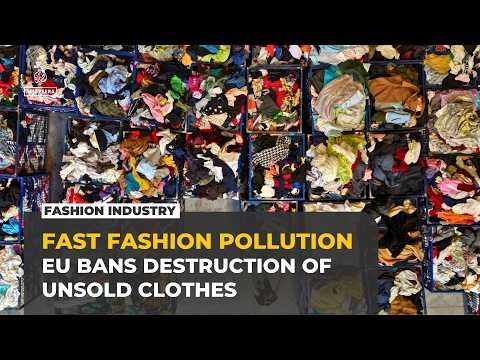
The EU Ecodesign for Sustainable Products Regulation (ESPR) took effect July 19, 2026, marking a decisive regulatory shift against the wasteful practices of fast fashion. Large companies now face an outright prohibition on destroying unsold clothes, clothing accessories, and footwear. Medium-sized firms must comply around 2030, while small and micro-businesses remain exempt. Europe generates approximately 5.8 million tonnes of textile waste per year, equating to roughly 12 kg per person. Under the new rules, companies must prioritize reselling, repairing, reusing, recycling, or donating unsold items instead of incineration or landfill disposal.
Previously, brands routinely destroyed unsold inventory to safeguard brand value and prevent discounting that could erode perceived exclusivity. Al Jazeera English's Rebecca Collard reports from Berlin, Germany, that this practice has long hidden the true scale of overproduction. The ESPR forces transparency and accountability, compelling brands to redesign supply chains around circular principles. Yet skeptics worry companies will simply export unsold goods to non-EU countries to bypass the ban, shifting the burden southward rather than addressing root causes of overproduction.
This legislation signals Europe's recognition that textile waste constitutes an environmental emergency requiring systemic intervention. By embedding extended producer responsibility into law, the ESPR aims to reduce the 5.8 million tonnes annual burden while modeling global standards. Latin American nations watching closely understand that enforcement gaps could transform the ban into an export mechanism rather than a genuine solution.
Latin America's Textile Waste Crisis: From the Atacama Desert to the Atlantic
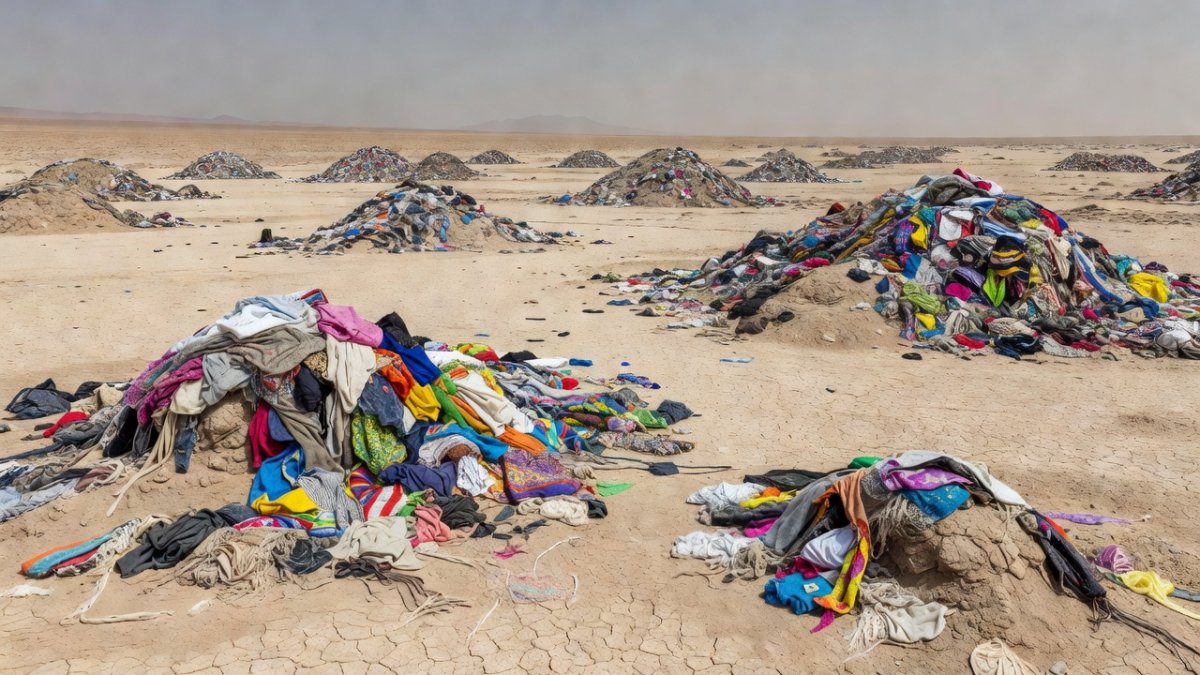
Chile imports approximately 123,000 tonnes of used clothing per year from Europe and North America, with roughly 39,000 tonnes annually ending up dumped illegally in the Atacama Desert. These mountains of discarded garments are visible from space on satellite imagery, forming a stark testament to global fashion's externalized costs. Most clothing consists of synthetic fibers such as polyester and acrylic—petroleum-based plastics that persist for 200-400+ years without degrading. The Atacama, the driest desert on Earth, preserves this waste indefinitely, turning the landscape into a permanent archive of Northern consumption.
Piles of clothing leach microplastics, dyes, and petrochemicals into the soil, contaminating groundwater and fragile ecosystems. Clothing is frequently burned, releasing toxic smoke that affects nearby low-income communities already burdened by environmental injustice. This crisis extends across the continent, linking ports in Brazil and Mexico to landfills strained beyond capacity. The influx of fast fashion discards from the Global North has overwhelmed local waste systems, creating health hazards and ecological damage that will endure for centuries.
Latin America's role as the final resting place for Europe's textile surplus reveals the hypocrisy of circular economy rhetoric that stops at continental borders. The visible scale of 39,000 tonnes in the Atacama alone underscores how regulatory victories in Brussels can intensify pressure on the region's most vulnerable landscapes and populations.
Chile's Battle Against the Clothing Mountains: Recycling and Reform
Chile has responded with a new $7 million recycling factory capable of processing up to 20 tonnes per day, representing a concrete step toward managing the deluge of imported textiles. Chile restricts textile waste from formal landfills, pushing informal collectors and recyclers into precarious roles. The "Desierto Vestido" project and Fashion Revolution Brasil organized a fashion show in the landfill itself, transforming the site of environmental degradation into a platform for awareness and advocacy. In 2025, Chile achieved a Guinness World Record for the largest clothing swap, mobilizing communities to extend garment lifespans and reduce new demand.
These initiatives highlight both innovation and the limits of downstream solutions. The factory's 20 tonnes daily capacity addresses only a fraction of the 39,000 tonnes dumped annually in the Atacama. Informal workers who sort and resell ropa usada face health risks from chemical exposure while sustaining local economies. The synthetic nature of most imports—polyester and acrylic that resist biodegradation—complicates recycling efforts and perpetuates microplastic pollution in the driest desert on Earth.
Chile's experience demonstrates that recycling infrastructure alone cannot resolve a crisis rooted in overproduction and unequal trade. Stronger import controls combined with the EU ban's intent could reduce inflows, yet without global coordination, the Atacama will continue absorbing Northern fashion's excess while local communities bear the toxic consequences.
Mexico's Textile Waste Challenge: 2 Million Tonnes and Only 1% Recycled
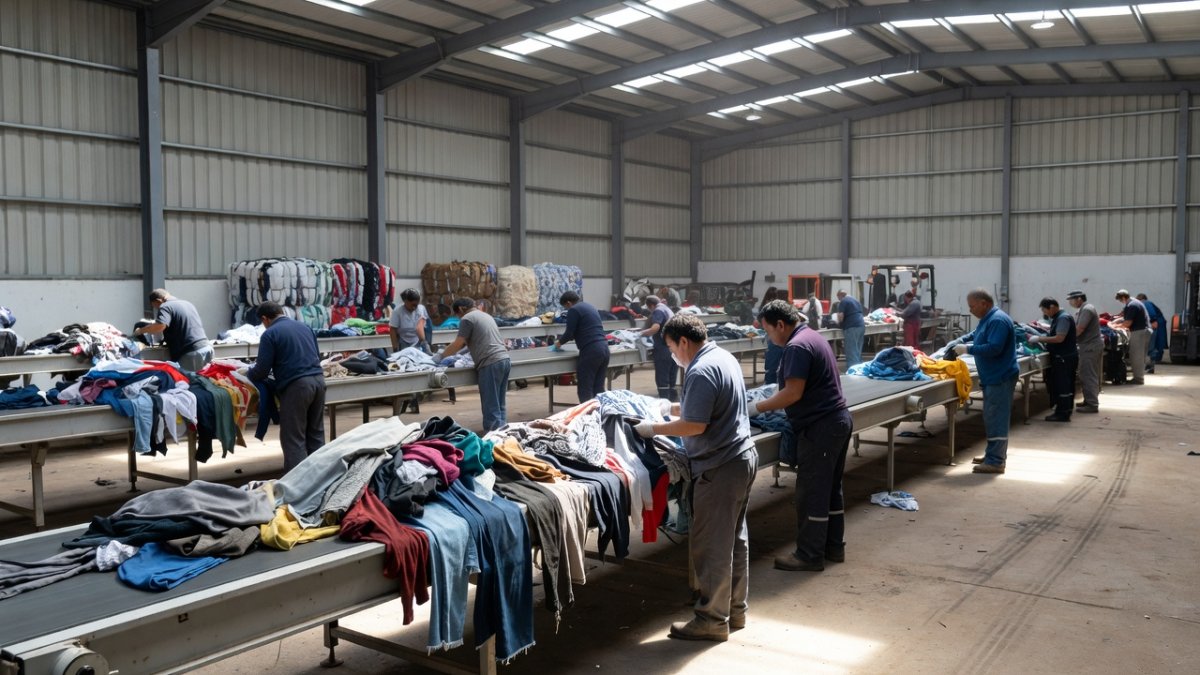
Mexico generated over 2 million tonnes of textile waste in 2025, yet only about 1% was recycled, exposing a massive gap between generation and recovery. SEMARNAT and PROFEPA are promoting textile recycling campaigns to shift public behavior and industrial practices. These efforts tie directly to the 2026 FIFA World Cup through the "Gol por el Ambiente" campaign, leveraging global attention to accelerate circular solutions. Innovation projects are converting textile waste into phytohormones for agriculture, while IKEA recycled textile collections enter the market, signaling growing commercial interest in upcycling.
The 2 million tonnes figure reflects Mexico's position as both a major consumer market and manufacturing hub for fast fashion brands. With recycling rates stuck at 1%, the majority of waste heads to landfills or informal burning sites, releasing pollutants into air and soil. The World Cup preparations have spotlighted these challenges, prompting partnerships between government agencies and private innovators seeking to extract value from discarded synthetics.
Despite promising pilots, Mexico's scale of waste demands far more ambitious infrastructure and policy alignment with the EU's ESPR framework. Without upstream reductions in production, even successful phytohormone conversion and recycled collections will remain marginal against the tide of 2 million tonnes generated yearly.
Brazil's Fashion Pollution: The Second Most Polluting Industry
Brazil's annual textile waste exceeds 170,000 tonnes, with roughly 20% recycled amid mounting environmental pressure. The fashion sector ranks as the second-most polluting industry globally after oil and petrochemicals, driving deforestation, water contamination, and carbon emissions across supply chains. Nike is using 100% recycled textile waste in Aero-FIT uniforms for the 2026 World Cup, demonstrating how major brands can integrate circular materials at scale. AI tools for near-zero fabric waste in pattern cutting offer technological pathways to minimize production scraps before garments reach consumers.
Fast fashion exports from the Global North add relentless pressure on Brazil's waste systems and domestic industry. The 170,000 tonnes annual total, coupled with only 20% recycling, leaves vast quantities polluting rivers and landfills. World Cup-related innovations like Nike's recycled uniforms and AI-driven cutting efficiency provide models, yet they address symptoms rather than the overproduction fueling Brazil's pollution ranking.
Brazil's position as a major economy in Latin America makes its textile challenges emblematic of the region's broader struggle. Achieving meaningful progress requires combining technological advances with policy measures that curb imports and incentivize genuine circular design across the entire value chain.
Argentina: A 26,000% Surge and Becoming a "Trash Can for Clothing"
The 2022 lifting of restrictions on bulk used clothing imports caused a 26,000% surge, flooding Argentina with low-quality ropa basura. Critics describe the country as a "trash can for clothing" ("tacho de basura de la ropa"), arguing that the influx harms the domestic textile industry and creates serious health risks from contaminated garments. Calls to reimpose controls have grown louder as landfills overflow and local manufacturers lose market share to cheap, often unsanitary imports. Miguel Pichetto has publicly condemned the policy shift, highlighting how deregulation turned Argentina into a dumping ground for European and North American discards.
The 26,000% increase overwhelmed regulatory capacity, allowing synthetic textiles laced with dyes and microplastics to enter communities without proper screening. Domestic producers face unfair competition while informal waste workers handle hazardous materials daily. Health risks include skin conditions and respiratory issues linked to burning or improper disposal of these imports.
Argentina's experience illustrates the direct consequences of weak import safeguards in the face of Europe's tightening rules. Reimposing controls could protect both public health and local industry, yet sustained pressure from Global North exporters threatens to perpetuate the "tacho de basura" status unless regional coordination strengthens.
The Bottom Line — Will the EU Ban Export the Problem Instead of Solving It?
Skepticism persists that the EU ban will simply accelerate waste exports to the Global South rather than reduce overall volumes. Latin American nations already absorbing 123,000 tonnes annually in Chile and facing similar surges elsewhere require robust extended producer responsibility frameworks that follow products across borders. Reduced overproduction must become the central goal, not merely shifting destruction to Atacama Desert dunes or Mexican landfills. A genuine circular economy vision demands that brands redesign for durability and recyclability while supporting infrastructure in receiving countries.
Latin America needs technology transfers, funding for facilities like Chile's $7 million plant, and binding agreements preventing the 5.8 million tonnes European waste stream from becoming a permanent Southern burden. The 2026 World Cup offers a platform to showcase recycled innovations, yet these remain insufficient without upstream accountability. Only coordinated global action can transform the ESPR's promise into tangible relief for communities living amid mountains of synthetic waste.
By Elena Vasquez, Staff Writer
This article was produced with AI-assisted research and editorial support. Reporting is based on sources cited in the article.
What's Your Reaction?
 Like
0
Like
0
 Dislike
0
Dislike
0
 Love
0
Love
0
 Funny
0
Funny
0
 Wow
0
Wow
0
 Sad
0
Sad
0
 Angry
0
Angry
0

Latin America Correspondent at Global1.News. Based in Mexico City, covering politics, economics, energy, and culture across the region. Brings an on-the-ground perspective to stories spanning from the Rio Grande to Patagonia.














Comments (0)