
Kerala Nipah Outbreak 2026: ICMR Analysis & Containment
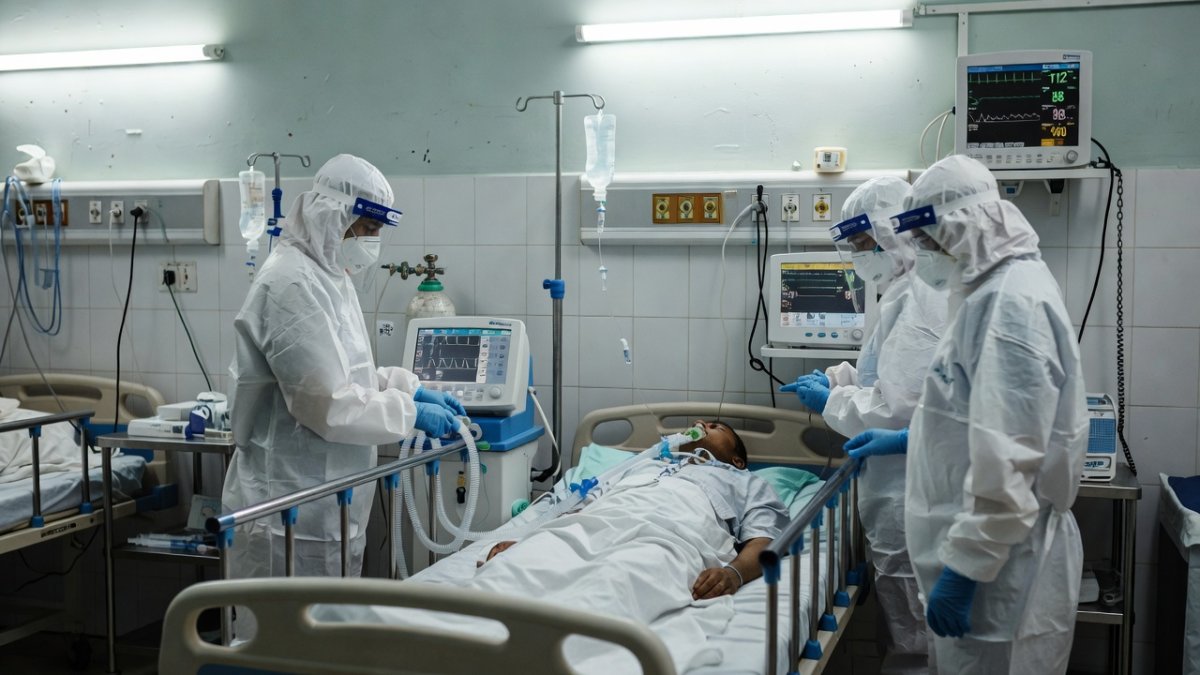
The latest Nipah virus case emerged on June 11, 2026, when a 43-year-old man from Ramanattukara in Kozhikode district tested positive through RT-PCR confirmation at the National Institute of Virology in Pune. The patient remains in critical condition on ventilator support at Kozhikode government hospital, marking the fifth documented outbreak in Kerala since 2018. Kerala On Ale
The latest Nipah virus case emerged on June 11, 2026, when a 43-year-old man from Ramanattukara in Kozhikode district tested positive through RT-PCR confirmation at the National Institute of Virology in Pune. The patient remains in critical condition on ventilator support at Kozhikode government hospital, marking the fifth documented outbreak in Kerala since 2018.
Kerala On Alert: Nipah Virus Resurfaces in Kozhikode as ICMR Deploys Rapid Response
Kozhikode, Kerala – June 13, 2026 — Kerala is confronting its fifth Nipah virus outbreak since 2018, with a 43-year-old man from Ramanattukara in Kozhikode district fighting for his life on ventilator support at a government hospital. The case has triggered a coordinated response from the Indian Council of Medical Research, the National Institute of Virology in Pune, and the Kerala Health Department, as 77 contacts are traced across four districts.
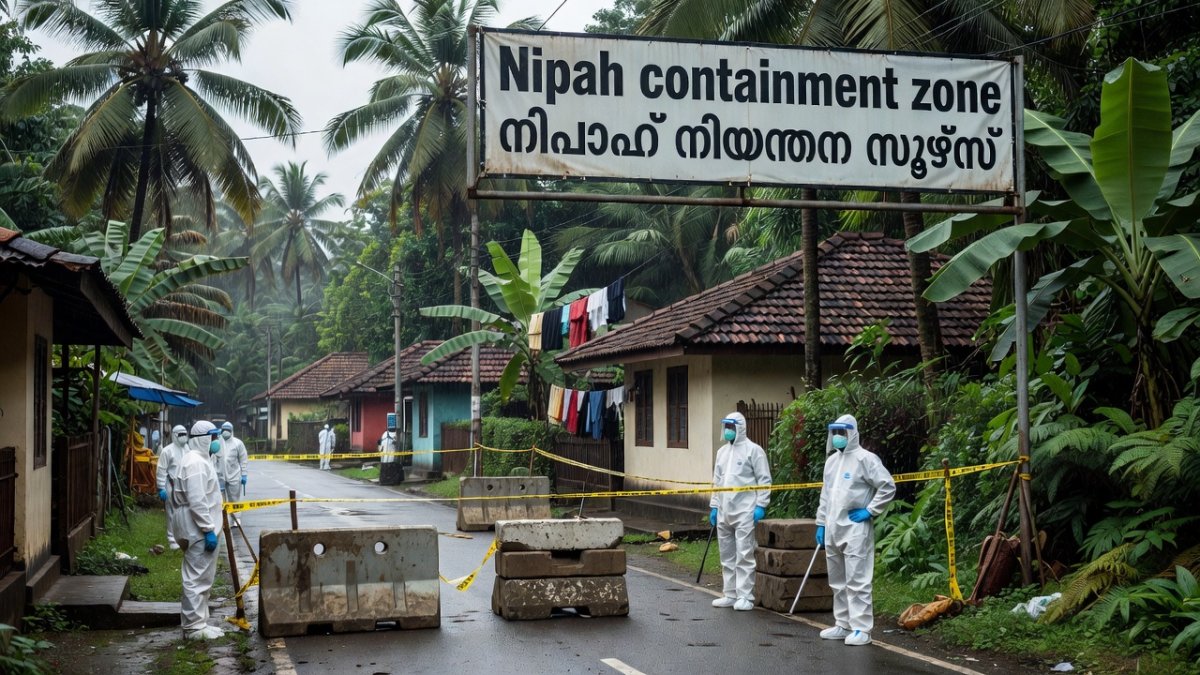
Contact Tracing and Containment Zones
Health officials identified 77 contacts linked to the index patient, comprising two highest-risk individuals, 13 high-risk contacts, and 62 low-risk contacts. Among those, 58 healthcare workers were placed under monitoring, reflecting the occupational exposure risks faced by frontline staff at Kozhikode government hospital. Fifteen individuals were initially quarantined to prevent further community transmission.
Kozhikode District Collector MS Madhavikutty confirmed the diagnosis and activated a dedicated control room to coordinate multi-agency response efforts. Health Minister Veena George issued alerts to the neighbouring districts of Kannur, Wayanad, and Malappuram. Chief Minister Pinarayi Vijayan urged citizens to remain calm while adhering to quarantine guidelines.
Containment strategies draw directly from protocols developed by the Indian Council of Medical Research following previous outbreaks. Daily symptom monitoring, sample collection, and isolation facilities have been activated across Kozhikode, with additional support requested from AIIMS for advanced case management if required. Tamil Nadu authorities have simultaneously strengthened border surveillance.
Historical Pattern of Nipah in Kerala
Kerala has experienced recurrent Nipah outbreaks since the first confirmed event in May 2018, establishing the state as a critical sentinel site for this emerging infectious disease. Between 2018 and 2023, four outbreaks produced 31 confirmed cases and 24 deaths, yielding a case fatality ratio of approximately 77 percent — far exceeding most viral haemorrhagic fevers reported in the country.
The 2025 outbreak in Malappuram recorded four cases and two deaths, reinforcing the seasonal pattern linked to bat activity during summer months. These repeated events have prompted the Ministry of Health and Family Welfare to designate Kerala as a priority zone for Nipah research and capacity building, including enhanced bat surveillance programmes coordinated with the National Institute of Virology.
Each outbreak has contributed to iterative improvements in Kerala’s public health infrastructure, from strengthened intensive care units at Kozhikode Medical College to standardised personal protective equipment protocols. ICMR data indicate that Nipah’s mortality rate stands between 40 and 70 percent, underscoring the necessity of immediate isolation and contact management.
Concurrent Shigella Outbreak Adds Pressure
Simultaneously, Wayanad district is managing a significant Shigella outbreak that has already produced more than 85 confirmed cases and two child deaths. This bacterial diarrhoea outbreak adds considerable strain to the same district health machinery now tasked with Nipah containment measures.
Public health experts note that concurrent outbreaks test the resilience of Kerala’s integrated disease surveillance programme, which must allocate limited laboratory resources and field staff across multiple threats. The proximity of Wayanad to Kozhikode increases the risk of overlapping case definitions and diagnostic confusion in initial stages.
State authorities have deployed additional epidemiologists to Wayanad while maintaining full Nipah response capacity in Kozhikode. This dual-track approach reflects the complex operational realities faced by Indian states managing multiple notifiable diseases within shared geographic zones.
Debate Over Source of Infection
Investigators continue to examine whether the Ramanattukara case resulted solely from direct bat exposure or involved an intermediate animal host. The patient had been cleaning a structure known for heavy bat presence, pointing to zoonotic spillover from Pteropus fruit bats. Environmental samples collected by the ICMR team are undergoing analysis at NIV Pune to identify viral sequences matching those found in local bat populations.
Some experts argue that changing land-use patterns in Kozhikode have increased human-bat interfaces, while others point to possible gaps in earlier surveillance of domestic animals. The ongoing debate highlights the need for expanded One Health research platforms that integrate veterinary, wildlife, and human health data across Kerala. Comparative genomic studies with previous Kerala strains may clarify whether viral evolution has altered host range or transmissibility.
ICMR Response and Monoclonal Antibodies
The ICMR has delivered monoclonal antibody therapy to Kozhikode for administration under compassionate-use protocols, representing a significant advancement since earlier outbreaks lacked specific treatments. This therapeutic option, developed through Indian research networks, offers potential to reduce mortality among severe cases.
NIV Pune’s rapid RT-PCR confirmation within days of sample receipt enabled timely initiation of contact tracing and therapy deployment. ICMR teams on the ground are also conducting serosurveys among contacts to estimate asymptomatic infection rates, data that will refine future quarantine policies. Integration of monoclonal antibody stockpiles into state emergency reserves marks an important policy evolution, ensuring faster access during future incidents across other Indian states.
Policy Implications for Pandemic Preparedness
The 2026 Nipah event tests India’s updated pandemic preparedness frameworks developed after COVID-19, particularly regarding rapid deployment of specialised therapeutics and inter-state coordination. Kerala’s experience provides a real-time evaluation of these systems under field conditions.
Recommendations emerging from the current response include expanding NIV Pune’s sequencing capacity and establishing regional monoclonal antibody repositories in high-risk zones. Policy discussions at the Ministry of Health now emphasise formalising One Health surveillance that links bat ecology monitoring with human case detection across Kerala, Tamil Nadu, and Karnataka. Long-term investment in primary healthcare infrastructure at the district level remains critical.
What Citizens Should Know
Residents in alerted districts should immediately report symptoms such as fever, altered mental status, or respiratory distress to designated health facilities. Early presentation significantly improves survival odds given the availability of monoclonal antibody therapy. Healthcare workers must maintain strict infection prevention protocols, including appropriate PPE during all patient interactions.
Communities can reduce zoonotic risk by avoiding contact with bat habitats and ensuring proper disposal of fruit waste that may attract bats. Continued transparent communication from state authorities, supported by data from ICMR and NIV Pune, will be essential to sustaining public trust and compliance throughout the containment phase.
— By Dr. Raj Patel, Staff Writer
This article was produced with AI-assisted research and editorial support. Reporting is based on sources cited in the article.
What's Your Reaction?
 Like
0
Like
0
 Dislike
0
Dislike
0
 Love
0
Love
0
 Funny
0
Funny
0
 Wow
0
Wow
0
 Sad
0
Sad
0
 Angry
0
Angry
0

India/South Asia Correspondent at Global1.News. Analytical voice with a background in science and health journalism. Based in New Delhi, covering Indian politics, education, healthcare, technology, and policy. Breaks down complex data into clear, actionable reporting.














Comments (0)