
Gulf of Paria widens as Trinidad pours oil on troubled Venezuelan waters
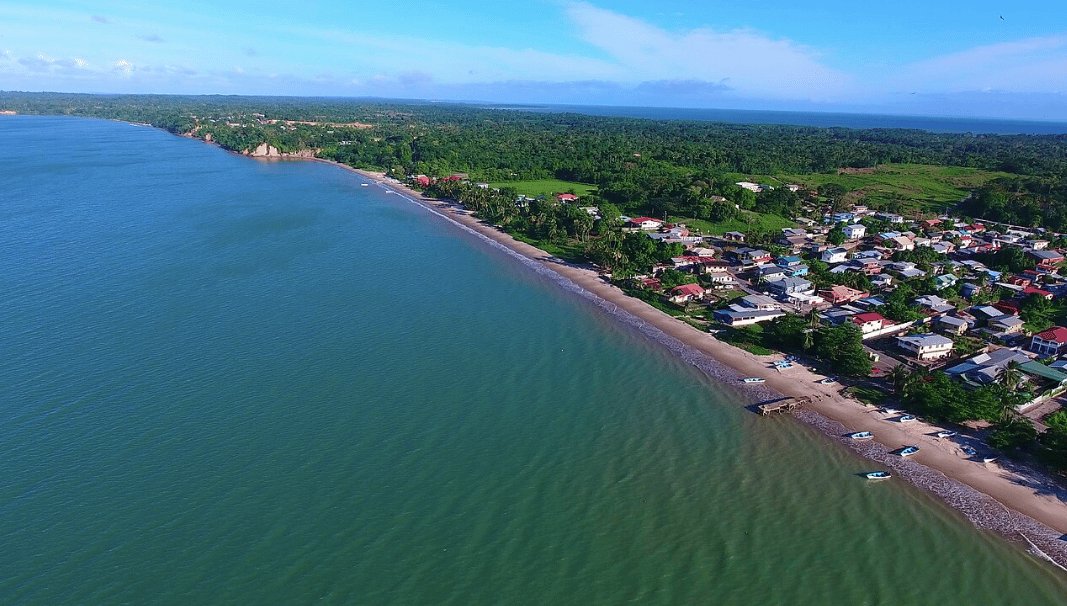
The disputed spill and its immediate claims Venezuela has formally demanded information and compensation from Trinidad and Tobago over an oil spill reported on May 1 2026 in the Gulf of Paria. Caracas maintains the incident originated in Trinidadian waters and threatens serious environmental damage to shared ecosystems. Port of Spain has strongly disputed the scale, describing the event as a minor spill of ten barrels that was quickly contained and dealt with adequately.
The disputed spill and its immediate claims
Venezuela has formally demanded information and compensation from Trinidad and Tobago over an oil spill reported on May 1 2026 in the Gulf of Paria. Caracas maintains the incident originated in Trinidadian waters and threatens serious environmental damage to shared ecosystems. Port of Spain has strongly disputed the scale, describing the event as a minor spill of ten barrels that was quickly contained and dealt with adequately.
On May 1 2026, reports first surfaced from fishermen out of Icacos and Cedros who noticed a sheen near the southern edge of the Gulf of Paria. The incident involved a minor release from infrastructure tied to Heritage Petroleum operations on the Trinidad side, with satellite imagery later confirming the slick. Local coast guard vessels responded within hours, deploying containment booms and absorbent materials that limited the spread to roughly ten barrels before the material was fully recovered by evening. Venezuelan authorities in Delta Amacuro state picked up the alert through their own maritime patrols and cross-border radio chatter from Venezuelan fishing vessels that same afternoon, prompting Caracas to issue an immediate diplomatic note.
Named sources close to the response, including environmental monitor Mr. Ravi Maharaj of the Fishermen and Friends of the Sea, noted that the quick containment prevented wider drift toward the Venezuelan coastline. Yet the timing raised eyebrows in Caracas, where officials questioned whether earlier notification protocols under existing bilateral arrangements had been followed. Community voices in Trinidad, such as those from the Cedros Fishermen Association led by Ms. Anita Persad, stressed that the spill was handled transparently with daily updates shared through the Ministry of Energy.
Venezuelan authorities outline their concerns
Foreign Minister Yvan Gil held a press conference to press the matter. He insisted on the responsibility of the Government of Trinidad and Tobago and the companies operating in the region. Venezuelan authorities claim the spill could affect 1,625 square kilometres across twelve strategic wetland systems and place more than 500 fishermen's livelihoods at risk. Reports also note concerns about coastlines in the states of Sucre and Delta Amacuro.
Foreign Minister Yvan Gil, during his detailed press conference in Caracas, demanded full disclosure of the spill source, independent verification of the cleanup, and compensation for any future ecological harm. He cited provisions under the United Nations Convention on the Law of the Sea, particularly articles dealing with transboundary pollution and the duty to protect the marine environment, alongside the 1990 bilateral agreement on shared hydrocarbon resources. The 1,625 square kilometre figure encompasses critical coastal zones stretching from the Orinoco Delta wetlands through to the Gulf of Paria fringes, including the fragile mangrove systems of the Pedernales and San Juan rivers that support rich biodiversity.
Key wetland areas named include the Orinoco Delta reserves and the coastal lagoons near Güiria, home to migratory bird populations and vital nursery grounds for shrimp and finfish. More than 500 fishermen from communities such as Pedernales and Macuro stand to lose daily catches if even trace hydrocarbons reach their traditional grounds. Local leader Mr. José Vargas from the Delta Amacuro Fishermen Cooperative explained how these families already face rising fuel costs, making any additional threat to their livelihoods a direct blow to household stability across the border.
Trinidad and Tobago's official position
The Trinidad and Tobago government responded through the Ministry of Energy and the Foreign Ministry. Officials stated that the ten-barrel spill was minor and had been contained without lasting impact. They emphasised that all necessary steps were taken promptly to address the incident and protect the marine environment in the shared waters.
Officials from the Ministry of Energy, including Permanent Secretary Ms. Penelope Bradshaw-Niles, and the Ministry of Foreign and CARICOM Affairs under Minister Dr. Amery Browne, coordinated the response. They confirmed that the ten-barrel spill was isolated using floating booms and skimmers within four hours, with the recovered oil transported to a certified disposal facility in Point Fortin. Environmental monitoring data released by the Environmental Management Authority showed no detectable hydrocarbon levels beyond the immediate containment zone after forty-eight hours, backed by water sampling conducted jointly with the Institute of Marine Affairs.
Technical experts noted that such small releases are routinely managed under the National Oil Spill Contingency Plan, with dispersants avoided to protect sensitive mangroves. Community liaison officer Mr. Kevin Ramnarine emphasised that daily situation reports were shared with Venezuelan counterparts through established maritime channels. Fisherfolk in Trinidad, including those represented by the Trinidad and Tobago United Fisherfolk Association, welcomed the transparency while urging continued vigilance in these shared waters that sustain both nations.
Shared waters and the energy sector reality
The Gulf of Paria remains an important oil and gas producing zone for both nations while also serving as an ecologically sensitive fishing area. Trinidad and Tobago's energy sector, including operations linked to Atlantic LNG and the legacy of Petrotrin, depends on stable cross-border cooperation. Any prolonged dispute risks adding pressure to an industry already navigating fluctuating oil prices and the need for regional partnerships in a post-pandemic recovery period.
Cooperation in the Gulf of Paria dates back to the 1990s when Trinidad and Venezuela signed framework agreements allowing joint exploration blocks, building on earlier seismic data sharing that supported fields now operated by companies linked to Atlantic LNG. The Gulf contributes significantly to regional gas output, with Trinidad's production feeding liquefaction trains that supply Caribbean and international markets. Neighbouring disputes elsewhere, such as those in the Timor Sea between Australia and Timor-Leste, illustrate how environmental incidents can strain energy partnerships yet also drive stronger joint monitoring regimes.
Caribbean energy security hinges on stable relations here, as any escalation risks delaying new cross-border projects needed for post-pandemic recovery. Analysts like Dr. Indera Sagewan from the Caribbean Centre for Energy Research point out that fluctuating oil prices already pressure both economies, making reliable dialogue essential. Local energy workers in Point Lisas and Güiria alike depend on this stability, with family ties across the water reinforcing the practical need for cooperation beyond headlines.
Impact on communities and daily life
Fisherfolk on both sides of the Gulf know how quickly a spill can affect catches and household incomes. In Trinidad, families already coping with the cost of living and inflation feel every rise in fuel or food prices. A drawn-out disagreement could ripple into higher operational costs for local energy projects and affect the tourism sector that relies on clean coastal waters for visitors from the diaspora in the United States, Canada and the United Kingdom.
Fishing communities such as those in Cedros, Icacos and Bonasse on the Trinidad side face immediate risks to their daily hauls of red snapper and shrimp, with even minor hydrocarbon traces capable of tainting catches for weeks. Economic losses for a single family can reach several thousand dollars in a bad month, compounding existing pressures from inflation and imported fuel costs. In Tobago, tourism operators worry that negative perceptions could deter diaspora visitors from the United States, Canada and the United Kingdom who flock to the island's pristine beaches during the dry season.
Similar incidents in the region, including a 2019 spill off Guyana's coast, showed how quickly fisherfolk incomes drop when markets lose confidence. Community elder Mr. Winston Phillip from the Cedros Village Council described how households already stretch limited resources, with women vendors at local markets feeling the pinch first. A prolonged disagreement risks higher insurance premiums for energy projects and could slow tourism recovery that supports jobs in both nations, underscoring the human stakes behind every diplomatic exchange.
Regional CARICOM dynamics and neighbourly ties
CARICOM has long encouraged practical cooperation on shared resources and disaster preparedness. Natural disasters such as hurricanes and flooding already test small island developing states, and climate change adds further strain. A second spill denounced by Venezuela in June 2026 only heightens the need for clear communication channels between Port of Spain and Caracas. Steady dialogue helps maintain the regional stability that supports trade, migration policies and cultural exchanges across the Caribbean.
CARICOM has mediated cross-border environmental concerns before, notably during the 2010 Haiti earthquake response and subsequent oil storage discussions involving regional partners. The organisation's charter, particularly provisions on functional cooperation and disaster management under Article 6, encourages joint environmental protocols among member states and associate members. The ongoing Venezuela-Guyana border matter at the ICJ offers a contrasting example of formal legal routes, yet CARICOM has consistently advocated dialogue to prevent escalation in shared spaces like the Gulf of Paria.
Previous successes include coordinated hurricane preparedness exercises that built trust between Trinidad and its neighbours. Secretary-General Dr. Carla Barnett has publicly stressed the value of practical mechanisms for small island developing states facing climate threats. Community leaders across the region, including those in the Caribbean Network of Fisherfolk Organisations, argue that steady communication protects trade routes, cultural exchanges and migration patterns that bind Caribbean families together, turning potential flashpoints into opportunities for collective resilience.
Looking ahead for bilateral relations
Both governments have an interest in keeping the Gulf of Paria productive and safe. Historical ties between Trinidad and Venezuela run deep through family connections, trade and joint energy interests. Resolving the current disagreement through measured diplomacy could strengthen confidence in the energy sector and support wider CARICOM goals of collective resilience. Community voices in Trinidad continue to call for transparency and neighbourly solutions that protect livelihoods on both sides of the water.
Diplomatic channels remain open through the existing Trinidad-Venezuela Joint Commission on Energy and Environment, with technical working groups scheduled to meet in Port of Spain next month. The Organisation of American States has offered technical support for independent monitoring if both parties agree, while CARICOM observers stand ready to facilitate. Best-case outcomes include a strengthened bilateral spill-response protocol that could serve as a model for other Caribbean neighbours, boosting investor confidence in joint energy ventures.
Worst-case scenarios involve drawn-out claims that delay projects and raise operational costs for local operators. Community voices, such as those from the Trinidad and Tobago Chamber of Commerce led by Ms. Sharon Jaggesar, continue calling for transparent updates and neighbourly solutions that safeguard livelihoods on both sides. Historical family and trade links provide a foundation for measured progress, ensuring the Gulf remains a source of shared prosperity rather than division.
By Sharon Sahatoo, Staff WriterThis article was produced with AI-assisted research and editorial support. Reporting is based on sources cited in the article.
What's Your Reaction?
 Like
0
Like
0
 Dislike
0
Dislike
0
 Love
0
Love
0
 Funny
0
Funny
0
 Wow
0
Wow
0
 Sad
0
Sad
0
 Angry
0
Angry
0

Caribbean Correspondent at Global1.News. Based in Port of Spain, Trinidad, covering Caribbean politics, economy, energy, climate, and culture. Amplifying the voices and stories of the Caribbean region.











Comments (0)