
NEET-UG 2026 Leak Triggers Parliament Deadlock
India's medical entrance system has plunged into crisis as the 2026 Monsoon Session of Parliament grinds to a halt, with opposition parties blocking all proceedings until Education Minister Dharmendra Pradhan resigns over the NEET-UG paper leak. The standoff has exposed systemic vulnerabilities in the National Testing Agency's operations, affecting thousands of aspiring doctors and reigniting debates on examination integrity. Nationwide protests and tragic student deaths u...
NEET-UG 2026 Leak Triggers Parliament Deadlock
New Delhi, India – July 23, 2026 — India's medical education system faces its gravest challenge yet as the Monsoon Session of Parliament remains paralyzed by opposition demands for the resignation of Union Education Minister Dharmendra Pradhan over the NEET-UG 2026 paper leak.
The Parliament Showdown
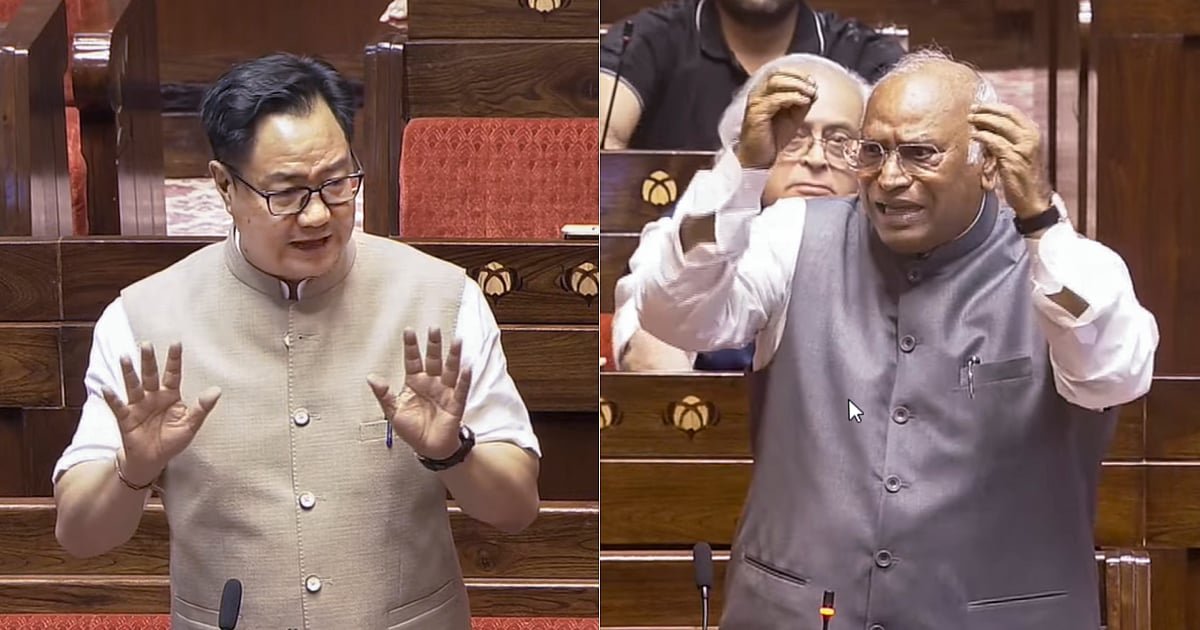
Both Houses of Parliament have been unable to conduct regular business since the Monsoon Session began, as opposition MPs from the Congress, DMK, TMC, AAP, and other parties stage a coordinated protest. Congress leader Rahul Gandhi has stated that nearly 22,000 students were affected by the irregularities. Congress MP KV Venugopal has made the party's position clear in Lok Sabha: Pradhan must resign before any debate can take place. Defence Minister Rajnath Singh countered in Parliament by accusing the Opposition of using the country's youth as a political tool, while Pradhan himself broke his silence and blamed Congress for political theatre.
Timeline of the NEET Paper Leak
The NEET-UG 2026 examination, originally scheduled for May 2026, was cancelled after allegations of a question paper leak. The leak first surfaced through coordinated social media activity on Telegram channels and Instagram handles linked to coaching hubs in Kota and Sikar, Rajasthan, where screenshots of the physics and chemistry sections appeared at 4:17 a.m. on the scheduled exam day. The National Testing Agency initially dismissed the posts as fake, but by 9:30 a.m. multiple verified accounts of candidates from Bihar and Uttar Pradesh had confirmed that the leaked screenshots matched the actual question paper. The Central Bureau of Investigation was subsequently roped in, registering an FIR in early June and making arrests in Patna, Delhi, and Ranchi. The CBI investigation revealed a network involving coaching centre employees and exam centre invigilators who accessed the paper through encrypted channels 48 hours before the exam. A re-test was conducted in June 2026, and results were released in mid-July.
Role of the National Testing Agency and Past Controversies
This is not the NTA's first controversy. The UGC NET June 2024 exam was cancelled amid leak allegations after the paper appeared on Telegram hours before the test. The NEET-UG 2024 Grace Marks scandal, where 67 students received 718 grace marks for time lost during the exam — including one who jumped from rank 1,496 to rank 69 — drew public outrage and reached the Supreme Court. The NTA's institutional credibility has been eroding steadily with each successive controversy. The estimated financial cost of conducting a NEET-UG examination is approximately Rs 100-120 crore per cycle. A second re-test would represent a significant additional burden on public finances.
Nationwide Student Protests and Public Response
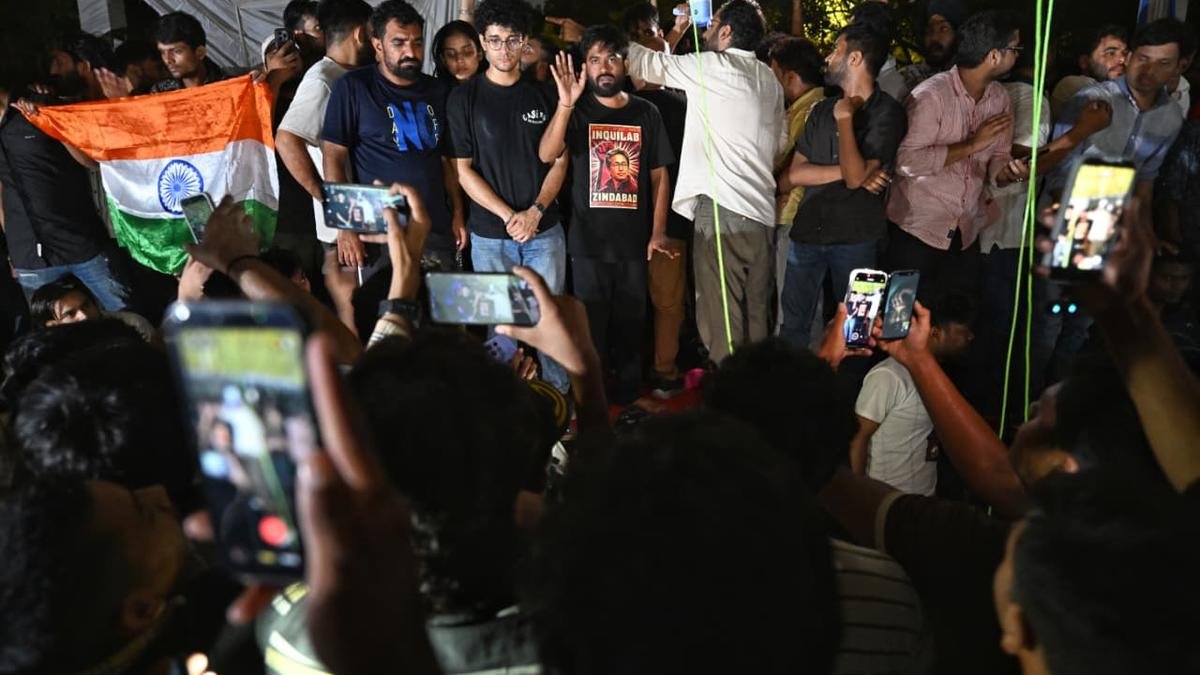
The Cockroach Janta Party has been leading student protests at Jantar Mantar in Delhi for weeks. Sonam Wangchuk, the Ladakh activist, has been on hunger strike for 26+ days in support. Actor Salman Khan and other public figures have voiced support. At Jantar Mantar, the protest site has transformed into a tent city. Students from across India — from Assam, Tamil Nadu, Maharashtra, and Punjab — have gathered, many sleeping on pavements and surviving on food donated by local residents and NGOs. A Delhi Police inspector, Nand Kishore, was injured by stones thrown during a clash between protesters and police on July 21. The inspector, who suffered head injuries, stated that protesters raised anti-government and anti-police slogans before the violence erupted. The police had to use mild force to disperse the crowd, leading to accusations of excessive force from human rights groups.
Human Cost: Student Suicides and Mental Health
The psychological toll on medical aspirants is severe. Many students spend two to three years in Kota, Rajasthan — India's coaching hub — spending between Rs 5-8 lakh annually on tuition and accommodation. The uncertainty around exam dates, the emotional trauma of a cancelled exam, and the financial burden of a second attempt have pushed some to extreme measures. Reports of student suicides in Kota and elsewhere have added a tragic dimension to the crisis. Opposition leaders point to the 21 student deaths linked to the controversy as evidence that this is a matter of life and death, not politics.
Implications for India's Doctor Shortage and Medical Education
The NEET leak adds to growing concerns about the integrity of India's medical entrance examination system. With over 2.4 million candidates appearing for NEET-UG annually for approximately 1.1 lakh MBBS seats, even minor irregularities affect thousands of careers. India faces a critical doctor shortage. The country has approximately 13.8 lakh allopathic doctors for a population of over 140 crore, translating to a ratio of 1:834. While this meets the WHO's recommended 1:1000 threshold nationally, the distribution is deeply uneven — rural areas and smaller towns remain severely underserved. The private medical education sector charges between Rs 50 lakh and Rs 1.5 crore for an MBBS seat, making entrance exam integrity even more critical for students from middle-class and lower-income families who cannot afford private colleges. The NEET 2024 Grace Marks scandal, which saw the Supreme Court order the cancellation of 1,563 MBBS seats, remains a stark reminder of what happens when examination integrity fails.
Political Blame Game and Ministerial Accountability
The Parliament deadlock continues with no resolution in sight. The Opposition remains united on this issue, with Congress, DMK, TMC, and other parties coordinating their stance. Dharmendra Pradhan, a senior BJP leader from Odisha who represents Rajasthan in the Rajya Sabha and has held the Education portfolio since 2021 after previously serving as Minister of Petroleum and Natural Gas, Steel, and Skill Development, faces the most serious crisis of his tenure. Pradhan blamed the Congress party for politicising the issue, accusing it of creating a 'political theatre' around student aspirations. Rajnath Singh echoed this in Parliament, stating that the Opposition was using the country's youth as a tool for political point-scoring. The government insists it is ready for debate while the Opposition insists on the minister's resignation first.
Proposed Reforms and Future of Examinations
The crisis has renewed calls for reforms in how the NTA conducts examinations. The Parliamentary Standing Committee on Education has been considering a proposed National Testing Authority Bill that would introduce mandatory CCTV with AI anomaly detection at all exam centres, a centralised question bank system, and a Rs 500-crore corpus for candidate compensation. These measures aim to restore trust in a system that determines the futures of millions of students each year.
— By Dr. Raj Patel, Staff Writer
This article was produced with AI-assisted research and editorial support. Reporting is based on sources cited in the article.
What's Your Reaction?
 Like
0
Like
0
 Dislike
0
Dislike
0
 Love
0
Love
0
 Funny
0
Funny
0
 Wow
0
Wow
0
 Sad
0
Sad
0
 Angry
0
Angry
0

India/South Asia Correspondent at Global1.News. Analytical voice with a background in science and health journalism. Based in New Delhi, covering Indian politics, education, healthcare, technology, and policy. Breaks down complex data into clear, actionable reporting.













Comments (0)