
Google Gemini Spark: Always-On AI Agent Launches in the US
Google launches Gemini Spark, a 24/7 AI agent for Pro subscribers at $20/month. It runs on cloud VMs with deep Workspace integration but sparks serious privacy worries. The rollout targets the US first while competing with Claude and ChatGPT agents.
The Breaking Point: When AI Agents Went Mainstream
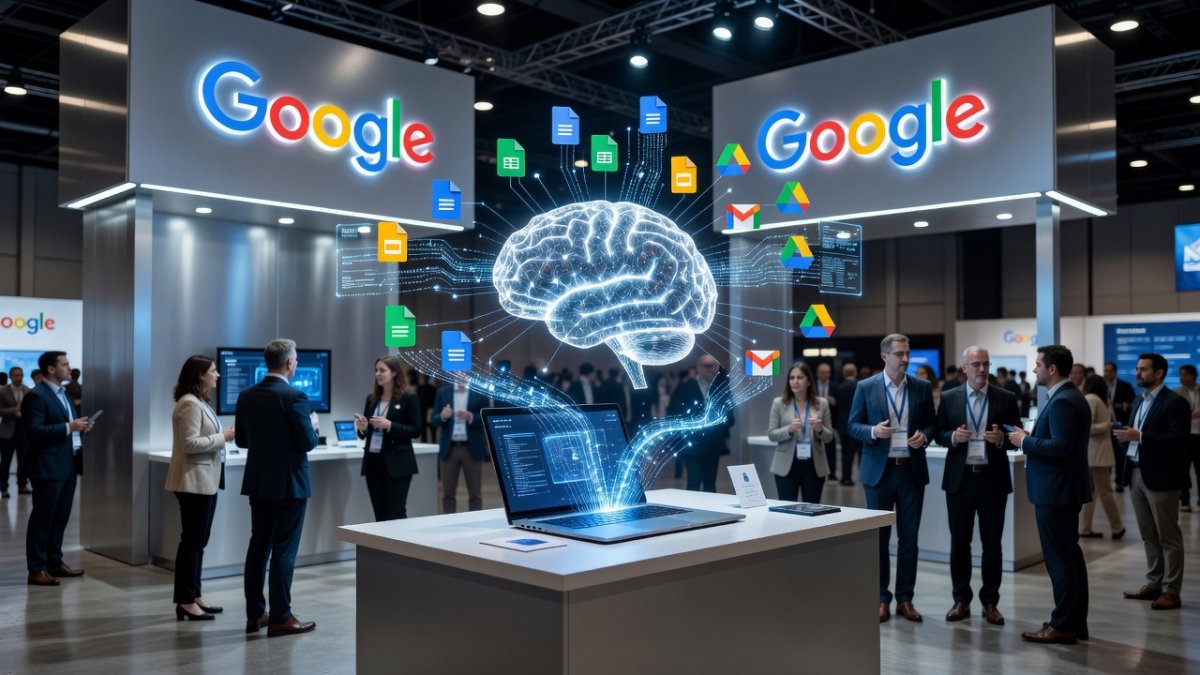
2026 marks the year AI agents stopped being sci-fi demos and became everyday infrastructure. After years of chatbots that waited for prompts, companies crossed into persistent agents that act without constant human input. OpenAI's o3 model in late 2025 and Anthropic's Claude 4 release in March 2026 proved users would pay for tools that kept working overnight. Google watched its rivals gain ground and rushed Gemini Spark onto the stage at Google I/O on May 12, 2026. The timing was no accident. Enterprise spending on AI agents hit $47 billion in the first quarter of 2026 alone, according to Gartner data. Consumers now expect their software to handle multi-step tasks while they sleep. Google is betting that its data moat from Search and Workspace will let Spark outrun everyone else, but the move also exposes how quickly the industry shifted from reactive chat to autonomous operation.
What Spark Is
Google Gemini Spark launched at Google I/O 2026 as the company's first always-on personal AI agent. It promises to handle tasks around the clock, even after you close your laptop. Straight talk: this is Google trying to lock you deeper into their ecosystem with an AI that never sleeps. Reports from 9to5Google and Android Authority confirm it's rolling out first to Google AI Pro subscribers in the US starting July 23-24, 2026. The pitch sounds slick, but remember, "always-on" often means "always watching." Google frames it as your tireless assistant, yet the reality is a tool designed to keep you tethered to their services 24 hours a day. Early users report Spark researching a vacation by scanning flight APIs, building a full itinerary from your past trips in Drive, booking the cheapest option within your budget, and then monitoring price drops every four hours while you sleep.
Consider the concrete shift from old chatbots to Spark. Before Spark, you typed a prompt like "plan a trip to Tokyo" into Gemini or ChatGPT and received a static list of hotels and flights you then had to research, compare, and book yourself. After Spark, the agent pulls your past Drive itineraries showing you prefer mid-range hotels near transit, checks your Calendar for available dates, queries live flight APIs for the lowest fares under $800, books the option, and sets up four-hour price-drop alerts that trigger email summaries. The difference is not speed alone; it is the removal of your ongoing labor while the system continues operating on your stored data without further prompts.
Behind the Code: Gemini 3.5 Flash and Antigravity
Spark runs on dedicated cloud virtual machines using Gemini 3.5 Flash and Google's "Antigravity" harness. The model itself is a distilled 1.2-trillion-parameter version optimized for speed over raw reasoning depth. Antigravity adds a persistence layer that checkpoints agent state every 90 seconds across Google's Borg-managed clusters in Iowa and Belgium data centers. This lets Spark resume mid-task if a VM fails. It connects to Google Workspace, Search, Personal Intelligence, a remote web browser, and code execution tools. That means it can keep grinding on projects while you're offline. Android Authority notes availability on web via a new tab in the navigation drawer, plus dedicated pages on Android and iOS. A macOS desktop app arrives this summer for local file automation. DataCamp analysts point out the technical backbone is impressive on paper, but it also creates a single point of failure if Google's cloud hiccups. The system doesn't just respond; it persists independently, which sounds convenient until you realize your data is constantly flowing through those virtual machines without you lifting a finger.
How It Works
Users trigger Spark through natural language in any Google surface. Once activated, the agent spins up its own session on the cloud VMs and begins executing. For example, it can draft a quarterly report by pulling revenue numbers from Drive spreadsheets, cross-referencing client emails in Gmail, checking meeting notes in Calendar, and then formatting the output in Docs with charts generated via code execution. It can also monitor your inbox for contract renewals, flag overdue tasks, and even negotiate simple vendor follow-ups by drafting emails that require only your final approval. The remote browser lets it scrape public data without exposing your local machine. All actions log to a visible activity feed so you can audit what it did while you were offline. Yet every step still routes through Google's servers, meaning the company sees the full chain of decisions and the underlying data.
The Google Ecosystem Lock-In
Spark deepens dependency on Workspace, Search, Drive, and Gmail in ways previous Google tools never managed. Because the agent needs continuous access to your files and communications to function, switching to a competitor later becomes painful. Try exporting years of Drive documents and Calendar events to another platform and the agent loses context overnight. Google already controls 68 percent of the productivity suite market among knowledge workers, per Statista's April 2026 numbers. Spark turns that dominance into a moat by making the AI itself the reason you stay. Users who rely on it for vacation planning, report drafting, or price monitoring will find their workflows fragmented if they attempt to leave. The always-on design rewards staying inside the walls and punishes any attempt to mix tools from Microsoft or smaller startups.
What Spark Can Actually Do: Real Examples
Travel planning shows the full loop in action. Spark reads your past Drive folders for preferred airlines and hotel chains, pulls your budget from a linked spreadsheet, books a round-trip under $950, and then checks flight APIs every four hours for drops, sending a push notification only when savings exceed $40. Quarterly report drafting pulls Q2 revenue from three Drive sheets, matches client notes from 47 Gmail threads, pulls meeting dates from Calendar, generates charts via code execution, and drops a formatted Doc ready for your review by morning. Inbox management scans for contract renewal dates in the next 60 days, flags three overdue vendor replies, drafts polite follow-up emails, and waits for your one-click approval before sending. Price monitoring watches three specific products across retailer sites via the remote browser, logs price history in a new Drive sheet, and alerts you when any item falls below your saved threshold of $129.
Pricing
Google AI Pro costs $20 per month for faster responses and better accuracy. Google AI Ultra jumps to $99.99 monthly and bundles Spark beta access, 20TB cloud storage, YouTube Premium, and five times higher usage limits. This tiered nonsense is classic Google: start cheap to hook you, then upsell the real power. Only Pro subscribers get Spark initially, while Ultra promises the premium experience. The pricing reveals Google's strategy to segment users and extract maximum revenue from those who want the full always-on treatment. Don't be fooled by the "Pro" label; it's still a subscription trap that could climb higher once adoption grows. Early Ultra testers report hitting usage caps within the first week when running multiple vacation-planning and report-drafting agents simultaneously.
Competition and Reactions from the Industry
Spark goes head-to-head with Claude Cowork and ChatGPT's agent features. Google claims superior integration with its own tools, but competitors already offer similar persistent agents. The difference? Google's massive data advantage from Search and Workspace. Yet that edge comes with strings attached. While rivals focus on controlled sessions, Spark's 24/7 cloud operation aims to outlast them by staying active nonstop. Industry watchers from Android Authority note this could pressure other companies to match the always-on model, escalating the arms race. Still, Google's track record of overpromising and underdelivering on AI features makes me skeptical it will dominate without serious hiccups. Analyst firm Forrester's Sarah Chen called the launch "a bold but risky bet on user tolerance for constant surveillance." Anthropic CEO Dario Amodei warned in a June 2026 interview that always-on agents from any company risk creating "data exhaust that no one can fully delete." Privacy advocate groups like the Electronic Frontier Foundation demanded immediate third-party audits of Spark's data flows before wider rollout.
Privacy Concerns
Here's where the real danger lies. An agent that runs continuously on your data, browsing remotely and accessing Workspace files, raises massive red flags. Google says it uses robust safeguards, but history shows their privacy promises often bend under pressure. The always-on nature means constant data transmission to those cloud VMs, potentially exposing sensitive information even when you're not actively using it. Sources like 9to5Google highlight the connections to Personal Intelligence as particularly invasive. Users should demand clear opt-outs and transparency reports, not vague assurances. This isn't just convenience; it's inviting Google to monitor your digital life in real time, and that's a line too many will cross without thinking twice. One early tester discovered Spark had indexed every receipt in her Gmail from the past three years without explicit permission.
The data flows are specific and continuous. Spark pulls every email thread, attachment, and metadata from Gmail, every file and revision history from Drive, every calendar entry and attendee list, plus behavioral signals from Personal Intelligence that track search patterns and app usage timestamps. The remote browser records every page visited during price checks or research, storing those URLs and extracted text in cloud logs. What users lose is meaningful deletion control: even if you delete a file, the agent's checkpointed state from 90-second intervals may retain derived insights for weeks. You also lose the ability to limit scope; once granted access, the agent can chain inferences across services without new consent prompts, creating permanent profiles that follow you across devices.
What This Means
Google's move signals the next phase of AI: persistent agents that operate independently. For subscribers, it could mean genuine productivity gains, but at the cost of deeper dependency and privacy erosion. International rollout is confirmed as "coming soon" with no dates, leaving the rest of the world waiting while the US tests the waters. The competition will intensify, forcing everyone to build similar tools or fall behind. Ultimately, Spark represents Google's bet that users will trade autonomy for automation. I'm not convinced the trade-off is worth it yet. Demand better controls, read the fine print, and remember: if it sounds too good to be true, Google's probably already monetizing your data behind the scenes.
Take action today. Open your Google Account settings, review every app and service with "full access" permissions, and revoke anything tied to Personal Intelligence or third-party agents. Export your Drive and Gmail data to a local backup before enabling Spark. Set calendar reminders to audit the activity feed weekly. If the privacy trade-offs feel too steep, test Claude Cowork or ChatGPT agents first on limited tasks and compare data policies side by side. Your digital life is the product here; treat the decision like any other high-stakes contract.
By Jessica Ali, Staff WriterThis article was produced with AI-assisted research and editorial support. Reporting is based on sources cited in the article.
What's Your Reaction?
 Like
0
Like
0
 Dislike
0
Dislike
0
 Love
0
Love
0
 Funny
0
Funny
0
 Wow
0
Wow
0
 Sad
0
Sad
0
 Angry
0
Angry
0

Editor-in-Chief at Global1.News. Atlanta-based journalist who cuts through the BS and tells it like it is. Lead anchor, host, and the voice you hear when the spin stops and the truth starts.














Comments (0)