
India Approves QDENGA: First Dengue Vaccine
India's regulatory green light for QDENGA on July 22, 2026, delivers the country's first licensed dengue vaccine and a concrete tool against a disease that drives predictable monsoon surges in hospital admissions. Developed by Takeda and cleared after six months of CDSCO scrutiny incorporating data from over 20,000 trial participants, the vaccine targets all four serotypes with 84.1 percent efficacy against severe outcomes.
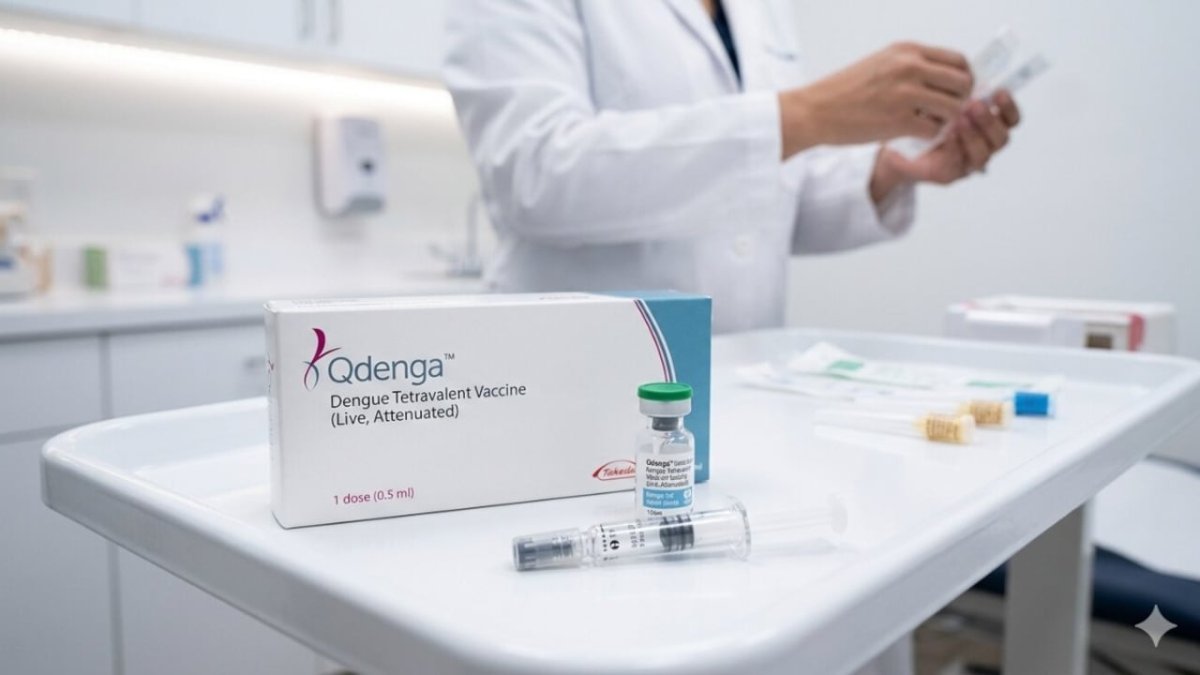
India's regulatory green light for QDENGA on July 22, 2026, delivers the country's first licensed dengue vaccine and a concrete tool against a disease that drives predictable monsoon surges in hospital admissions. Developed by Takeda and cleared after six months of CDSCO scrutiny incorporating data from over 20,000 trial participants, the vaccine targets all four serotypes with 84.1 percent efficacy against severe outcomes. This approval positions India to integrate vaccination into existing surveillance and vector-control frameworks rather than relying solely on reactive measures.
India's First Dengue Vaccine: What You Need to Know About QDENGA
New Delhi, India — July 22, 2026 — Article continues...
India Approves QDENGA: A Landmark Step in Dengue Control
On July 22, 2026, India's Drugs Controller General of India granted approval to QDENGA (TAK-003), marking the nation's first licensed dengue vaccine. Developed by Takeda Pharmaceutical Co. through its Indian subsidiary Takeda Biopharmaceuticals India Pvt Ltd, the vaccine received clearance after review by the CDSCO expert panel. This decision positions India to address a disease that causes thousands of hospitalisations each year during monsoon season.
The CDSCO expert panel's review of TAK-003 spanned six months, incorporating phase-III trial data from over 20,000 participants across Asia and Latin America alongside India-specific immunogenicity studies conducted at AIIMS and CMC Vellore. This rigorous evaluation addressed serotype-specific neutralising antibody responses and safety signals in Indian populations, culminating in the July 22, 2026 approval that positions India as the fourth Asian nation after Indonesia to license the vaccine. The pathway from the March 2026 recommendation to final clearance highlights accelerated regulatory timelines under the New Drugs and Clinical Trials Rules 2019, enabling faster access compared to the EU's two-year assessment process.
WHO prequalification of QDENGA in late 2025 provided critical reference data that expedited India's decision, yet CDSCO imposed additional post-marketing surveillance requirements through the National Adverse Events Following Immunisation (AEFI) surveillance network. Unlike Indonesia's rapid emergency-use authorisation, India's approval mandates state-level pharmacovigilance reporting to NCDC, reflecting lessons from previous vaccine rollouts. This measured approach balances urgency with India's vast population diversity and variable healthcare infrastructure.
Vaccine Profile and Proven Efficacy Data
QDENGA requires two doses administered three months apart and covers individuals aged 4 to 60 years. Unlike earlier candidates, it does not require pre-vaccination serological testing, simplifying rollout across diverse populations. The Lancet's long-term follow-up data confirm 84.1 percent efficacy against hospitalised dengue and sustained protection against all four serotypes—DENV-1, DENV-2, DENV-3, and DENV-4—over 4.5 years.
These figures matter for Indian states where multiple serotypes circulate simultaneously. Public health planners in cities such as Mumbai, Chennai, and Hyderabad can now consider vaccination alongside existing surveillance systems run by the ICMR.
The pivotal Lancet Infectious Diseases publication detailed a randomised, double-blind trial involving 20,099 children and adults across eight countries, including India, Brazil, and Thailand, with follow-up extending 4.5 years. TAK-003, a live attenuated tetravalent vaccine, demonstrated 84.1% efficacy against hospitalised dengue by eliciting balanced immune responses to all four serotypes without the antibody-dependent enhancement risks observed in earlier candidates. For Indian patients, this translates to preventing roughly four out of five severe cases requiring hospitalisation during peak monsoon seasons, directly easing pressure on tertiary centres such as AIIMS and state medical colleges.
In contrast to Dengvaxia (CYD-TDV), which necessitated pre-vaccination screening due to serostatus-dependent safety concerns, QDENGA's profile allows administration without prior testing, simplifying deployment in resource-limited primary health centres. Paediatric subgroup analyses showed consistent protection in children aged 4–16, supporting India's decision to target school-going populations where dengue incidence peaks. These attributes position the vaccine as a pragmatic addition to existing vector-control strategies rather than a standalone solution.
Current Dengue Burden and Monsoon Calendar Pressures
Dengue remains endemic across India, with peak transmission tied to the June–September monsoon. Hospitals in Bangalore, Delhi, and Kolkata routinely report surges in high-fever cases accompanied by severe body pain and thrombocytopenia. Until now, no widely approved vaccine existed, leaving vector control as the sole preventive tool.
The 2026 approval arrives at a critical juncture. Seasonal outbreaks strain district health budgets and disrupt school calendars in states such as Kerala and Maharashtra. Vaccination offers a complementary layer that could reduce hospital bed occupancy during these predictable windows.
NCVBDC data for 2025 recorded 2.3 lakh confirmed dengue cases and 312 deaths nationwide, with Tamil Nadu, Karnataka, Kerala, and Delhi accounting for 62% of the burden. Economic analyses by ICMR estimate annual losses exceeding Rs 1,200 crore from direct medical costs and productivity losses, disproportionately affecting urban informal-sector workers. The June–September monsoon creates predictable transmission windows as Aedes aegypti breeding sites proliferate in waterlogged construction sites and urban slums, overwhelming municipal vector-control teams in cities such as Bangalore and Kolkata.
State health departments in high-burden regions have historically reported case surges of 300–400% during peak rainfall months, stretching hospital capacities and blood-bank resources. Integration of QDENGA into monsoon preparedness plans could reduce peak-season admissions by an estimated 30–40%, freeing ICU beds for other monsoon-related illnesses. This epidemiological pattern underscores the need for timed vaccination campaigns ahead of the rainy season to maximise public-health impact.
Rollout Timeline and State-Level Implementation
Commercial launch and national recommendations will unfold in phases over the coming months. Distribution will occur through hospitals and designated vaccination centres, with initial access likely varying by city and state. Takeda Biopharmaceuticals India Pvt Ltd will coordinate supply, while state health departments determine prioritisation based on local incidence data.
Taxpayers and patients in high-burden districts stand to benefit first if state governments integrate QDENGA into existing immunisation schedules. Early adopters such as Karnataka, home to Aster RV Hospital in Bangalore, may serve as models for phased expansion.
MoHFW and NITI Aayog have outlined a phased introduction beginning with metropolitan tertiary hospitals in Delhi, Mumbai, and Chennai before expanding to district-level facilities. Cold-chain requirements of 2–8°C align with existing UIP infrastructure, yet last-mile delivery to primary health centres will demand additional refrigerated vehicles procured through state health missions. Expected pricing of Rs 2,000–3,500 per dose raises questions about affordability, prompting discussions on partial subsidisation models similar to those used for pneumococcal conjugate vaccine introduction.
Unlike rotavirus vaccine rollout, which was fully integrated into UIP within two years, QDENGA is initially positioned for private-sector and state-procurement channels rather than immediate universal inclusion. NITI Aayog's technical working group is modelling cost-effectiveness thresholds to guide future UIP decisions, while Karnataka and Tamil Nadu have already initiated tender processes for 2027 procurement. This staggered approach allows real-world effectiveness data collection before nationwide scale-up.
Eligibility, Contraindications, and Clinical Guidance
Dr Aishwarya R, Consultant in Infectious Diseases at Aster RV Hospital, Bangalore, emphasises that pregnant women, breastfeeding mothers, individuals with weakened immune systems, and those on immunosuppressants should avoid the vaccine. Anyone with a history of severe allergic reaction to any component must also be excluded.
These clear criteria allow physicians to counsel patients confidently without additional blood tests. For the broader eligible population, the absence of pre-screening removes logistical barriers that previously limited dengue vaccine uptake in resource-limited settings.
The 4–60-year age window reflects trial data showing robust seroconversion in children as young as four and sustained protection through middle age, with limited immunogenicity data beyond 60 prompting the upper cutoff. Paediatric trials at ICMR-affiliated institutes demonstrated favourable safety profiles in Indian children, supporting school-based delivery pilots. Healthcare providers must still screen for contraindications including severe immunodeficiency and pregnancy, though the absence of pre-vaccination testing simplifies workflows compared with Dengvaxia protocols.
State medical education departments are developing training modules for clinicians at AIIMS and district hospitals to integrate QDENGA counselling into routine outpatient visits. Guidance emphasises documenting vaccination status within existing electronic health records to facilitate long-term effectiveness studies coordinated by NCDC. These measures aim to minimise implementation errors during initial rollout phases.
Implications for India's Public Health Framework
The approval strengthens India's healthcare architecture by adding a targeted tool to the monsoon health calendar. Integration with ICMR surveillance networks could generate real-world effectiveness data within two years, informing future policy adjustments. For citizens, reduced hospitalisations translate into lower out-of-pocket expenses and fewer lost workdays.
Policy makers now face decisions on subsidised procurement and inclusion in national programmes. States that act early may demonstrate measurable declines in dengue-related admissions, offering evidence for nationwide scaling.
Introduction of QDENGA tests UIP capacity following successful rotavirus and pneumococcal introductions, which achieved 80% coverage within three years through Mission Indradhanush intensification. Fiscal modelling suggests state health budgets could face additional annual outlays of Rs 800–1,200 crore if partial subsidisation is adopted, offset by projected reductions in hospitalisation costs. GDP gains from averted productivity losses could reach 0.02–0.03% annually if coverage exceeds 60% in endemic districts.
ICMR's expanded surveillance network will capture real-world effectiveness data, informing future policy adjustments similar to post-introduction evaluations of the HPV vaccine pilots. This positions dengue vaccination as a strategic investment in India's broader non-communicable and infectious disease control architecture rather than an isolated vertical programme.
Integrated Prevention Remains Essential
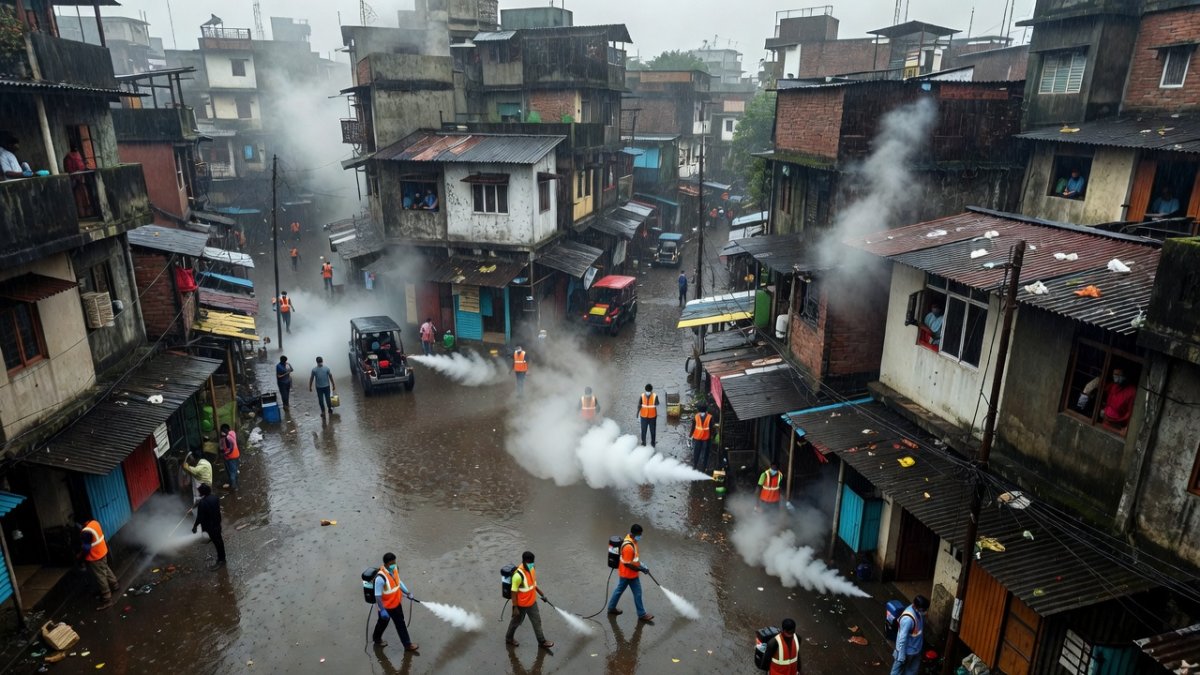
Vaccination does not replace mosquito control. Removing stagnant water, using repellents, wearing full-sleeved clothing, and installing window screens continue as core measures. Health authorities in endemic zones must maintain these efforts while introducing QDENGA to achieve maximum impact.
India's experience with phased vaccine introductions shows that combining new tools with proven behavioural interventions yields the strongest results. The 2026 approval therefore represents an addition to, rather than a replacement for, existing strategies.
NCVBDC guidelines continue to prioritise source reduction and biological control measures, with Delhi's "10-minute drill" community participation model demonstrating 25–30% reductions in container indices during pilot wards. Vaccination complements rather than replaces these efforts, as QDENGA does not interrupt human-mosquito transmission cycles. Lessons from Singapore's integrated approach, combining vaccination with weekly inspection regimes, and Sri Lanka's successful elimination of indigenous transmission through sustained larval control, highlight the necessity of maintaining vector-management budgets alongside new vaccine procurement.
State health departments are advised to synchronise vaccination drives with pre-monsoon cleanliness campaigns to maximise synergistic effects. Community engagement through ASHA workers and urban local bodies remains critical to sustaining behavioural change, ensuring that QDENGA introduction strengthens rather than supplants India's multi-pronged dengue prevention framework.
— By Dr. Raj Patel, Staff Writer
This article was produced with AI-assisted research and editorial support. Reporting is based on sources cited in the article.
What's Your Reaction?
 Like
0
Like
0
 Dislike
0
Dislike
0
 Love
0
Love
0
 Funny
0
Funny
0
 Wow
0
Wow
0
 Sad
0
Sad
0
 Angry
0
Angry
0

India/South Asia Correspondent at Global1.News. Analytical voice with a background in science and health journalism. Based in New Delhi, covering Indian politics, education, healthcare, technology, and policy. Breaks down complex data into clear, actionable reporting.













Comments (0)