
Trump Saudi Nuclear Deal in Tatters as Iran War Escalates
As Britain grapples with the lingering effects of the cost-of-living crisis, the sudden unravelling of Donald Trump’s nuclear agreement with Saudi Arabia threatens to push household energy bills higher once more. With Brent crude already breaching $102.45 a barrel and the Red Sea blockade disrupting vital supply lines, the conflict’s ripple effects are landing squarely on UK petrol pumps, aviation routes and manufacturing supply chains. The question now is how far the instabi
UK Households Brace as Trump Deal Collapses and Iran Conflict Widens
London, UK – 24 July 2026 — The abrupt collapse of the US-Saudi nuclear pact has exposed the fragility of American diplomacy in the Middle East and left Britain facing immediate economic and security consequences. Oil markets have reacted sharply, while the continued closure of the Strait of Hormuz and Bab el-Mandeb Strait is driving up costs for everything from imported components to summer holidays. With Prime Minister Andy Burnham having authorised continued US access to British airbases, the domestic political stakes are rising fast.
Trump Signs Landmark Nuclear Agreement with Riyadh
Donald Trump signed a 30-year civilian nuclear cooperation agreement with Saudi Arabia on 22 July 2026. The deal, potentially worth tens of billions of dollars, grants Riyadh permission to enrich uranium domestically for the first time. The agreement was presented as a major foreign policy achievement during a White House ceremony attended by senior Saudi officials.
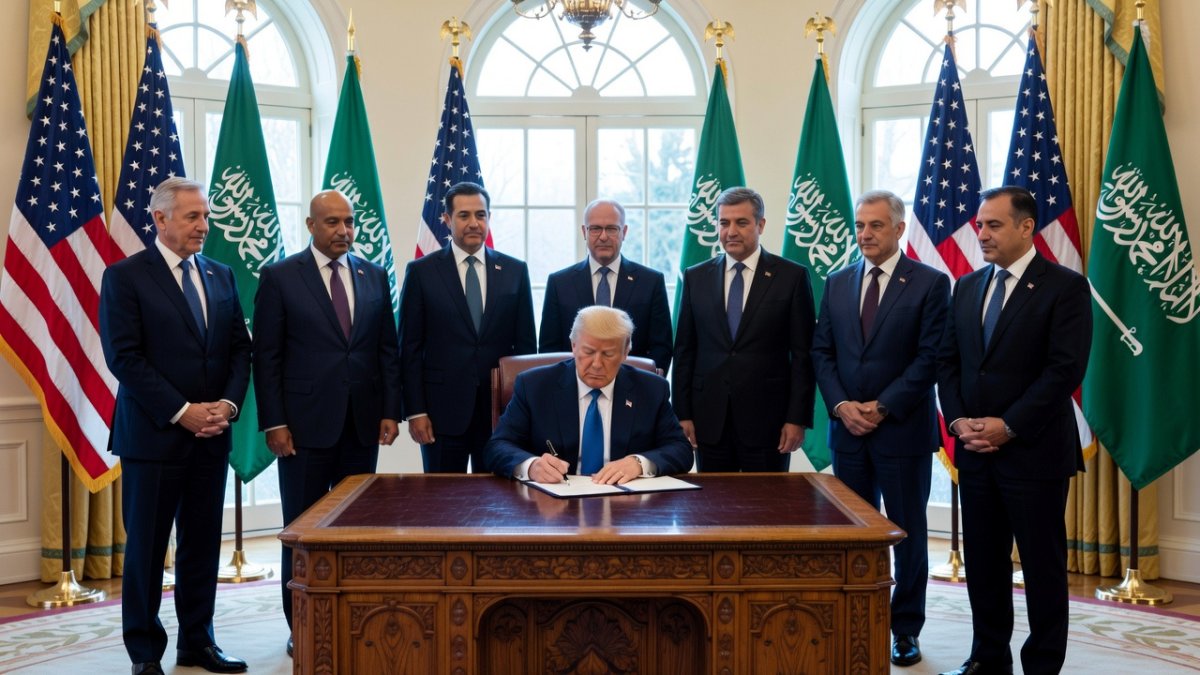
Deal Thrown into Immediate Doubt After Israel Ultimatum
Within 24 hours, Trump issued a public demand that Saudi Arabia must normalise relations with Israel through the Abraham Accords before the agreement could proceed. The Washington Post described the pact as now “in tatters.” Saudi officials have not yet responded formally, leaving the future of uranium enrichment rights uncertain.
The sudden condition has raised questions in Westminster about the reliability of US-led diplomatic initiatives in the region. The Foreign, Commonwealth and Development Office is monitoring developments closely, particularly given Britain’s existing defence ties with both Riyadh and Tel Aviv.
Houthi Attacks and US Strikes Escalate Regional Conflict
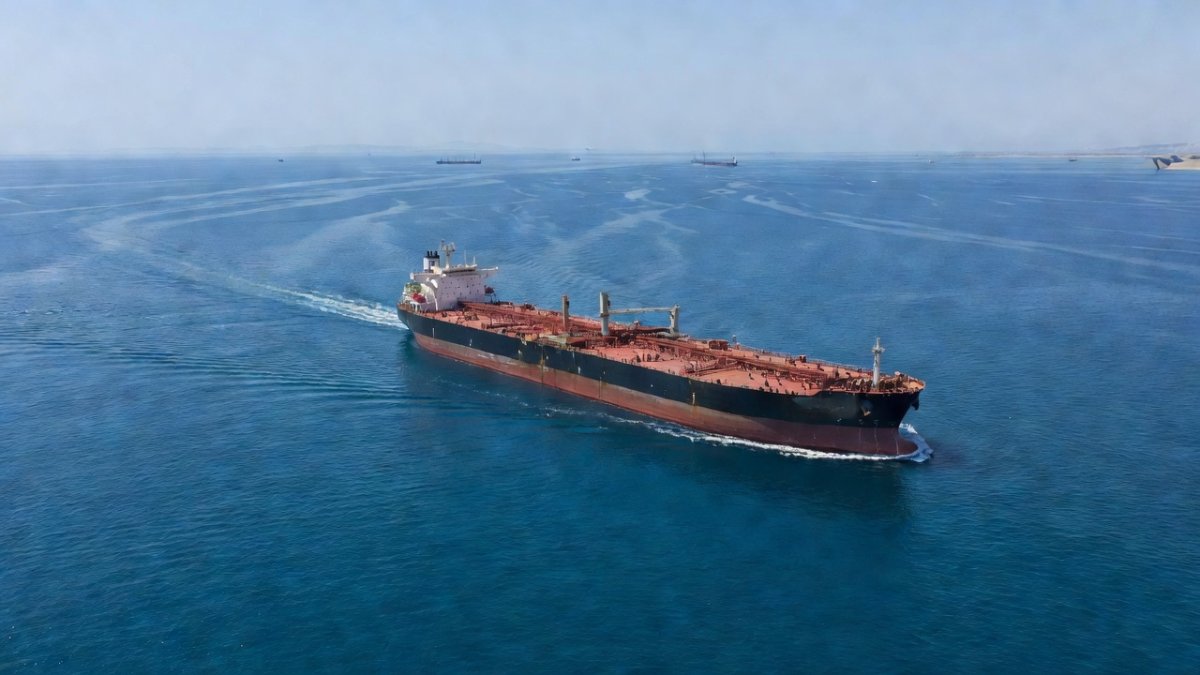
Yemen’s Iran-backed Houthis struck two Saudi oil tankers in the Red Sea hours after the nuclear announcement. In response, Trump posted on Truth Social that the United States would “bomb and destroy ONE BRIDGE OR POWER PLANT” for any further Iranian attacks on shipping. The US military has now completed its eleventh consecutive night of strikes on Iranian targets.
Iran has warned of an “eye for an eye” response. The Houthis have declared a naval blockade of Saudi Arabia, focusing on the Bab el-Mandeb Strait. The Strait of Hormuz remains closed, cutting off a route that previously carried 20 per cent of global oil and LNG supplies.
Oil Prices Surge Above $100 as Markets React
Brent crude, the international benchmark, rose sharply and exceeded $100 per barrel for the first time since May, hitting $102.45 on 23 July. The Office for National Statistics will publish updated inflation figures next month, but economists at the Bank of England are already modelling the impact of sustained high energy costs on household bills and transport. Analysts estimate the Red Sea and Hormuz disruptions could add £2.3 billion annually to UK import costs if the blockades persist beyond September.
UK motorists are facing immediate pressure at the pumps. Petrol prices in London, Manchester and Glasgow have increased by an average of 8p per litre in the past 48 hours, with some forecourts in the South East recording rises of 11p. The Treasury is assessing whether additional support for low-income households will be required if prices remain elevated.
UK Government Backs Continued Use of British Airbases
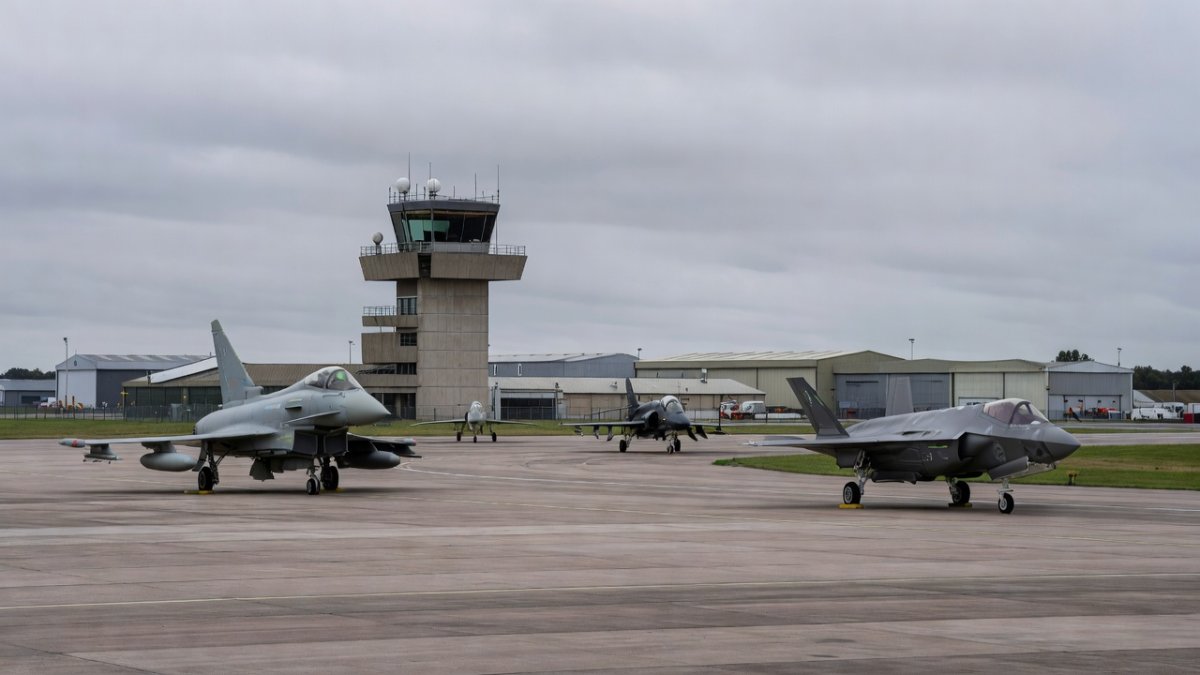
Prime Minister Andy Burnham endorsed the decision to allow the United States continued access to UK airbases for bombing missions against Iran. The move followed a Cobra meeting on 21 July and mirrors the approach taken by his predecessor, Keir Starmer. British forces remain part of the US-led coalition operating in the region, with the Ministry of Defence confirming that 1,200 RAF and support personnel are now involved in refuelling and intelligence operations.
The Ministry of Defence confirmed that RAF Akrotiri in Cyprus and other facilities are being used for refuelling and intelligence support. Trade unions representing defence workers have expressed concern about the long-term implications for British personnel.
European and Domestic Concerns Over Arms Race
Politico reported that lawmakers from both US parties have warned the nuclear deal could trigger a Middle East arms race. The European Union Aviation Safety Agency has added Jordan to its no-fly list, affecting British holidaymakers and business travellers routing through the region. Airlines including British Airways and easyJet have already cancelled or rerouted 47 flights scheduled for the coming fortnight.
US Secretary of State Marco Rubio stated that Iran is “begging for a deal.” However, the closure of key shipping lanes continues to disrupt UK supply chains for goods travelling via the Suez Canal. The Department for Transport is working with ports in Felixstowe and Southampton to manage expected delays of up to 14 days on container traffic.
What This Means for the UK: Regions, Industries and Households
The economic fallout is already uneven across Britain. Aviation hubs in the South East face higher fuel and insurance costs, while manufacturing clusters in the Midlands and North West are absorbing rising component prices from Asia. Shipping firms operating out of Felixstowe report a 19 per cent increase in war-risk premiums since 20 July. Lower-income households in Scotland and the South West, already stretched by last winter’s energy bills, are expected to see an additional £180–£240 added to annual fuel and grocery costs if Brent remains above $100 through the autumn.
Reaction and Response from UK Stakeholders
Business groups have urged restraint. The CBI warned that prolonged disruption to the Bab el-Mandeb Strait would hit exporters hardest, while the Federation of Small Businesses called for targeted Treasury support for hauliers. Think tanks offered sharper criticism: the Royal United Services Institute described the US airbase policy as “strategically risky” for Britain, and the Institute for Fiscal Studies highlighted the inflationary pressure on the Bank of England’s 30 July Monetary Policy Committee meeting. Labour backbenchers have demanded a full parliamentary statement, while Scottish National Party MPs questioned the use of Scottish-based personnel in operations lacking explicit UN backing.
The Bottom Line — What Comes Next
With the Saudi nuclear deal now in limbo and shipping lanes still closed, the coming weeks will test both British economic resilience and the government’s ability to manage alliance obligations without inflaming domestic opinion. The Bank of England’s 30 July decision will provide the first clear signal of how seriously policymakers view the energy-price threat. For households already counting the cost, the margin for error is narrowing fast. By Erica Thornton, Staff Writer
This article was produced with AI-assisted research and editorial support. Reporting is based on sources cited in the article.
What's Your Reaction?
 Like
0
Like
0
 Dislike
0
Dislike
0
 Love
0
Love
0
 Funny
0
Funny
0
 Wow
0
Wow
0
 Sad
0
Sad
0
 Angry
0
Angry
0

US Politics and Policy Correspondent at Global1.News. Based in Washington DC, covering American politics, policy, elections, and the courts. Knows how the system works and tells you what it actually means.














Comments (0)