
Gulf of Paria widens as Trinidad pours oil on troubled Venezuelan waters
Gulf of Paria widens as Trinidad pours oil on troubled Venezuelan waters The May 1 Incident: A Spill in Disputed Waters The events of May 1 have placed the Gulf of Paria under fresh scrutiny, with reports of an oil release that both sides describe differently. Trinidad and Tobago authorities recorded a limited discharge estimated at ten barrels, which they say was spotted near
The May 1 Incident: A Spill in Disputed Waters
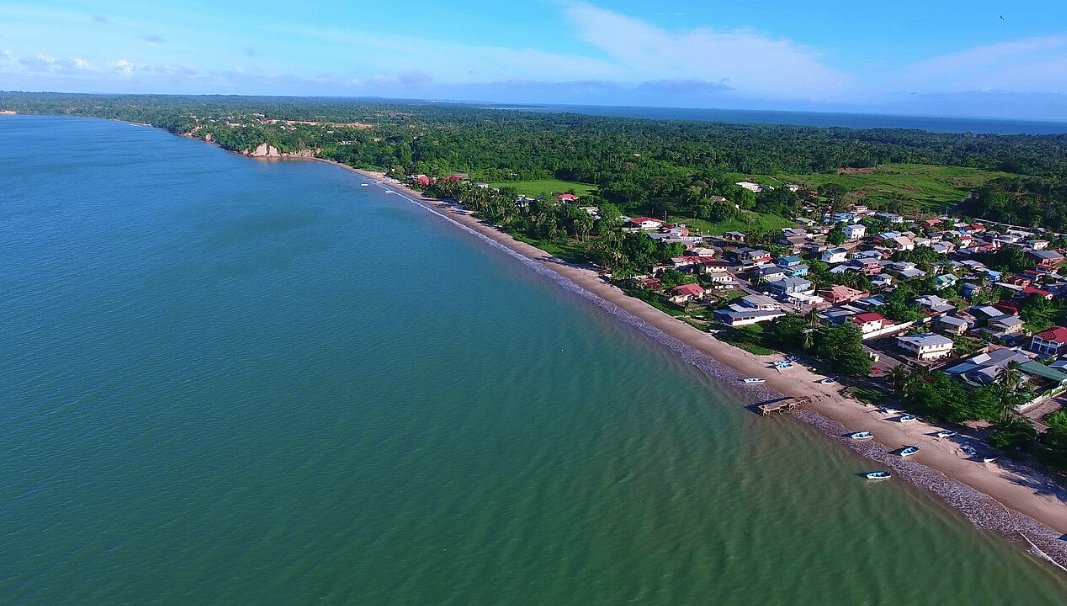
The events of May 1 have placed the Gulf of Paria under fresh scrutiny, with reports of an oil release that both sides describe differently. Trinidad and Tobago authorities recorded a limited discharge estimated at ten barrels, which they say was spotted near facilities under their monitoring. Response teams moved quickly to contain the material, and officials noted that the slick did not spread far before being addressed.
Venezuelan statements, however, place the origin inside Trinidadian waters and warn that the release threatens shared marine areas. Caracas has asked for detailed records and has raised the possibility of compensation should damage be confirmed. The difference in accounts has already produced diplomatic notes between the two capitals.
Local fishermen in south Trinidad first noticed discoloured patches on the water that morning. They alerted the coast guard, whose patrol confirmed the presence of hydrocarbons. Containment booms were deployed within hours, and the Ministry of Energy later issued a short statement confirming the volume involved.
Weather conditions at the time were calm, which helped limit movement of the slick. Nevertheless, the incident occurred in an area where currents can carry material across the median line that separates the two countries’ exclusive economic zones.
Both governments have agreed to exchange technical data, yet the precise trajectory of the oil remains under discussion. Community members along the south coast continue to watch the shoreline for any sign of residue reaching the beaches they use daily.
Venezuela's Demand: Compensation and Accountability
Caracas has formally requested information and possible compensation from Port of Spain, citing risks to ecosystems that both nations share. Venezuelan officials argue that even a modest release can affect fish stocks and mangrove systems that support livelihoods on their side of the gulf. They have asked for full incident logs and an independent assessment of any cross-border impact.
The environmental concerns centre on the shallow waters and seasonal currents that link the two coastlines. Caracas points to the possibility of longer-term harm to species that migrate through the area, especially during spawning periods. Local communities in Sucre state have already reported changes in catch quality in recent seasons, adding weight to their call for answers.
Diplomatic channels remain open, and Venezuela has indicated it will pursue the matter through established bilateral mechanisms. At the same time, it has signalled readiness to involve regional bodies if progress stalls. The tone from Caracas is measured but firm, reflecting the importance of the gulf to its eastern fishing economy.
Trinidadian observers note that any compensation claim would require clear evidence linking the May 1 release to measurable losses. Both sides recognise that joint scientific work will be needed before figures can be discussed. In the meantime, Venezuelan environmental groups have begun compiling their own observations to support the official request.
The episode has also revived conversations about notification procedures when incidents occur near the median line. Caracas wants clearer timelines for information sharing so that future events can be assessed before damage becomes difficult to trace.
Port of Spain Responds: A Minor Incident, Quickly Contained
Trinidad and Tobago has described the May 1 event as a contained release of roughly ten barrels that posed no lasting threat. The Ministry of Energy and the Environmental Management Authority both confirmed that booms and skimmers were in place within hours and that water samples taken afterwards showed rapid dispersal. Officials stress that their monitoring systems detected the spill early and that standard protocols were followed without delay.
Port of Spain has rejected suggestions that the material originated from its territory in any uncontrolled manner. It points to regular inspections of platforms and pipelines in the area and notes that no operational failure was recorded on the day in question. The government has offered to share sensor data and incident logs with Venezuelan counterparts to clarify the facts.
Diplomatic notes have been exchanged in a calm tone, with both foreign ministries agreeing to keep lines open. Trinidadian representatives have emphasised that any genuine transboundary effect would be taken seriously and addressed through existing agreements. They have also invited joint water sampling to build a shared picture of conditions in the gulf.
Local coastal communities have been kept informed through radio updates and village meetings. Fisherfolk report that their usual grounds remain open, though some have chosen to fish farther from the reported site until final clearance is given. The Coast Guard continues daily patrols to reassure residents that vigilance remains high.
Port of Spain has also reminded partners that its energy infrastructure undergoes routine integrity checks, and that any anomaly is reported promptly. The emphasis remains on transparency while protecting the reputation of an industry that still supports thousands of households across the country.
Environmental Stakes in the Gulf of Paria
The Gulf of Paria supports rich mangrove forests, seagrass beds and fish nurseries that sustain both Trinidadian and Venezuelan communities. These habitats act as natural buffers against storms and provide breeding grounds for species that later move into deeper Caribbean waters. Any hydrocarbon release, however small, raises questions about cumulative stress on an already pressured ecosystem.
Fishing families on Trinidad’s south coast depend on the gulf for daily income and food security. A single incident can affect confidence in the catch, even when tests later show no contamination. In Venezuela, similar communities face parallel worries, and the shared nature of the resource means that trust between neighbours matters as much as scientific readings.
Climate change adds another layer of concern. Rising sea temperatures and changing rainfall patterns already alter the gulf’s salinity and oxygen levels. An oil release, even one described as minor, can interact with these stresses and slow recovery of sensitive areas such as the mangroves that protect coastal villages from erosion.
Long-term risks include the possibility of hydrocarbons settling into sediments where they can remain for years. While the May 1 spill was contained quickly, repeated small events could build up over time. Both countries have an interest in preventing that outcome through better coordination of monitoring equipment and response vessels.
Community groups on both sides have called for greater involvement of local knowledge in environmental assessments. Fishermen often notice changes in water colour or fish behaviour before official instruments register them, and their observations could strengthen early-warning systems for the entire gulf.
A History of Shared Waters: Trinidad, Venezuela and the Gulf
The maritime boundary between Trinidad and Tobago and Venezuela has been managed through a series of agreements stretching back decades. These arrangements cover fishing zones, navigation rights and joint approaches to search-and-rescue operations. The Gulf of Paria has long been treated as a common space where practical cooperation brings mutual benefit.
Energy cooperation has formed a central part of that history. Pipelines and platforms operate under licences that recognise the proximity of the two coastlines. When technical issues arise, both sides have traditionally exchanged information to avoid misunderstandings that could affect production or safety.
Fishing rights have also required regular dialogue. Seasonal migrations of species mean that catches on one side can influence availability on the other. Joint patrols and licensing discussions have helped reduce conflict, though enforcement remains a challenge given the length of the coastline and the number of small vessels involved.
Climate-related pressures have added new topics to the agenda. Sea-level rise threatens low-lying communities in both countries, prompting talks about shared adaptation measures. Environmental protocols signed under CARICOM frameworks provide a broader regional context for these bilateral conversations.
Despite occasional tensions, the overall record shows a preference for quiet diplomacy over public confrontation. The current exchange over the May 1 incident fits that pattern, with both governments signalling a desire to resolve technical questions before they affect wider relations.
Energy Sector Implications: Investor Confidence and Cross-Border Projects
Trinidad and Tobago’s energy sector remains central to government revenue and household incomes, even as global prices fluctuate. The Gulf of Paria hosts infrastructure linked to Atlantic LNG and other hydrocarbon operations that support thousands of jobs. Any perception of regulatory uncertainty can influence decisions by companies considering further investment in the area.
The May 1 incident, though described as minor, arrives at a time when the country is already managing cost-of-living pressures tied to imported food and fuel. Higher energy costs elsewhere in the Caribbean have made stable domestic production even more important for keeping utility bills manageable. Neighbouring Venezuela faces its own economic strains, making cross-border cooperation on environmental standards a practical necessity rather than a diplomatic luxury.
Investor confidence depends partly on clear rules for incident reporting and liability. Both governments have an interest in demonstrating that existing frameworks can handle disputes without disrupting ongoing projects. Atlantic LNG partners, for example, require predictable operating conditions to maintain output that feeds regional markets.
Renewable energy discussions have also gained ground in recent years, yet the transition will take time. In the interim, careful management of conventional resources remains essential. The current diplomatic exchange offers an opportunity to strengthen notification procedures that could benefit future joint ventures in the gulf.
Community voices in south Trinidad remind policymakers that energy policy affects more than balance sheets. Families who once worked at Petrotrin and now rely on service contracts or fishing want assurance that environmental safeguards keep pace with production targets. The May 1 episode has sharpened that expectation.
What This Means for Caribbean Environmental Cooperation
The episode highlights the need for stronger regional protocols on marine pollution that involve both CARICOM members and neighbouring states. Existing agreements provide a foundation, yet practical implementation often lags behind the speed at which incidents can unfold. Joint monitoring stations and shared satellite data could reduce the scope for conflicting accounts in future cases.
CARICOM has previously facilitated technical exchanges on oil-spill preparedness, and this latest development may prompt renewed calls for updated guidelines. Small island developing states share similar vulnerabilities to marine pollution, and coordinated responses can stretch limited resources further. Trinidad and Tobago’s experience with response equipment could usefully inform wider Caribbean training programmes.
Climate change impacts on the region add urgency. Stronger storms can spread any released material more widely, while warmer waters slow natural breakdown of hydrocarbons. A cooperative approach that includes Venezuela would align with the broader goal of protecting the Caribbean Sea as a single ecological unit.
Community organisations across the islands have begun discussing how local knowledge can feed into official reporting chains. Fisherfolk networks already share information informally; formalising some of those links could improve early detection without heavy new spending. CARICOM could play a convening role in such efforts.
The coming months will show whether the current exchange leads to lasting improvements in cross-border procedures. Both Port of Spain and Caracas have signalled willingness to keep talking, and that steady approach offers the best chance of turning a single incident into a step toward more resilient regional cooperation.
By Sharon Sahatoo, Staff WriterThis article was produced with AI-assisted research and editorial support. Reporting is based on sources cited in the article.
What's Your Reaction?
 Like
0
Like
0
 Dislike
0
Dislike
0
 Love
0
Love
0
 Funny
0
Funny
0
 Wow
0
Wow
0
 Sad
0
Sad
0
 Angry
0
Angry
0

Caribbean Correspondent at Global1.News. Based in Port of Spain, Trinidad, covering Caribbean politics, economy, energy, climate, and culture. Amplifying the voices and stories of the Caribbean region.











Comments (0)