
Manibela Strikes Nationwide Over Fuel Hikes: Jeepney Drivers Demand P2 Fare Increase
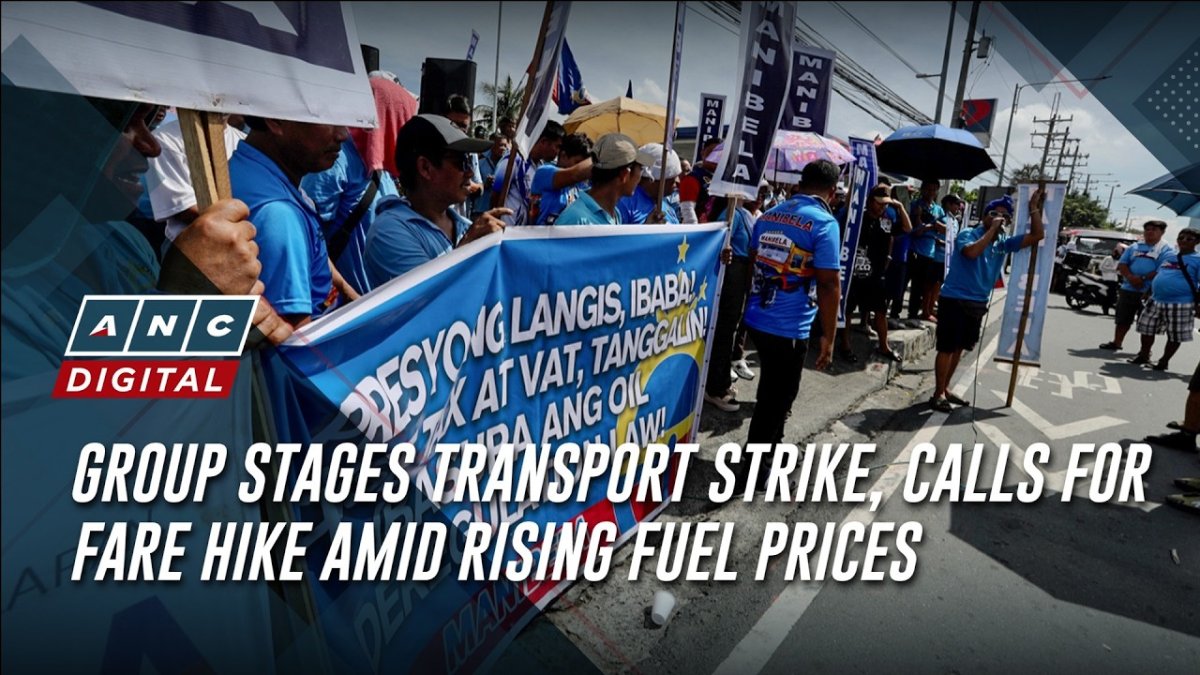
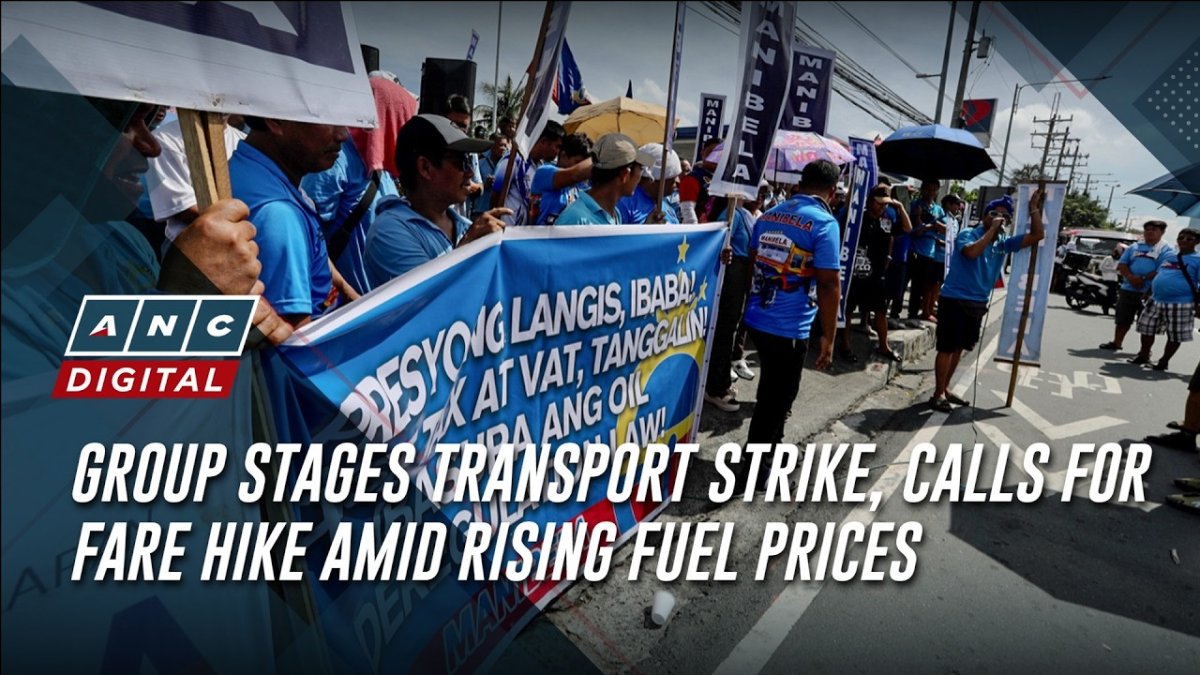
The ANC 24/7 video captures transport group Manibela launching its two-day nationwide strike on Wednesday morning, with picket lines forming at Philcoa along Commonwealth Avenue in Quezon City to protest the latest double-digit hikes in diesel and kerosene prices. The footage highlights members demanding immediate government intervention to shield drivers and commuters from these shocks amid ongoing Middle East tensions.
The ANC 24/7 video captures transport group Manibela launching its two-day nationwide strike on Wednesday morning, with picket lines forming at Philcoa along Commonwealth Avenue in Quezon City to protest the latest double-digit hikes in diesel and kerosene prices. The footage highlights members demanding immediate government intervention to shield drivers and commuters from these shocks amid ongoing Middle East tensions. This visual report sets the stage for the broader disruptions unfolding across the Philippines.
Manibela Strikes Nationwide Over Fuel Hikes
Manila, Philippines — Transport group Manibela began its two-day nationwide strike at 5 a.m. on Wednesday, blocking routes and halting jeepney operations across major cities. The protest directly responds to diesel prices rising by as much as P10.68 per liter and gasoline increasing by P3.65 per liter, changes implemented on Tuesday amid Middle East tensions. Manibela claims 50,000 drivers and operators as members and warns that the action could extend if authorities do not respond.
Strike Details Unfold in Quezon City and Beyond
Manibela members gathered at Philcoa along Commonwealth Avenue in Quezon City to start the picket lines at 5 a.m. on Wednesday. The group coordinates actions in Manila, Cebu, Davao, and Baguio to maximize impact on public transport routes. Drivers parked jeepneys and formed human chains while holding signs that highlight the recent fuel cost increases.
The strike affects common commuter routes where passengers normally rely on jeepneys for daily travel. Manibela organizers report that the two-day action covers July 22 and 23, with possible extension into Friday if talks with regulators fail. This marks the latest in a series of transport strikes this year tied to climbing fuel costs.
Fuel Price Crisis Hits Drivers Hard
Diesel prices jumped by as much as P10.68 per liter while kerosene rose sharply, changes that took effect on Tuesday due to ongoing Middle East tensions. The Department of Energy faces criticism for not holding oil companies accountable during these spikes. Jeepney drivers in Quezon City report that a single tank now costs hundreds of pesos more than last month.
Manibela leaders state that the government has failed to protect drivers and commuters from these oil price shocks. The Land Transportation Franchising and Regulatory Board previously suspended fare hike petitions, leaving operators without relief. Daily wage workers who operate along Commonwealth Avenue now face thinner margins after each fill-up.
This year's fuel price surges have compounded dramatically for Philippine transport operators. Diesel has risen by a cumulative P28.45 per liter since January, with the latest P10.68 jump on Tuesday pushing average pump prices above P70 in Metro Manila. Kerosene, used by many provincial jeepney operators, has climbed P22.10 year-to-date. Compared with July 2023, diesel now costs 38 percent more, erasing the modest relief operators felt after last year's brief dip. These figures come amid repeated spikes tied to OPEC+ production cuts and shipping disruptions in the Red Sea.
Middle East tensions directly transmit to Philippine pump prices because the country imports over 90 percent of its crude. The Department of Energy has stated it lacks authority to cap oil company margins under the current deregulation framework, instead urging voluntary restraint. DOE officials noted last week that global benchmarks remain volatile but offered no new monitoring measures. Jeepney operators along Commonwealth Avenue report daily net income falling from P1,200 to P650 after fuel, with many now skipping meals or borrowing from family just to complete routes.
The Land Transportation Franchising and Regulatory Board's continued freeze on fare adjustments leaves operators absorbing the full shock. Manibela estimates that 70 percent of its 50,000 members now operate at a daily loss once maintenance and boundary fees are factored in. Without immediate relief, drivers warn of widespread route abandonment by month's end.
Commuters Face Daily Disruptions
Students and daily wage workers struggle most to catch rides along common routes in Quezon City and Manila during the strike. Many arrive late to classes at universities near Philcoa or to jobs in government offices in the capital. Sari-sari store owners near transport terminals report fewer customers because fewer people reach their barangays on time.
Families in Cebu and Davao experience similar delays as Manibela members join the action. OFW households that depend on reliable public transport for school runs and market trips now adjust schedules around the protest. The human impact falls heaviest on those without private vehicles who must walk longer distances or pay for alternative rides.
Students from the University of the Philippines Diliman have been forced to leave dorms two hours earlier, walking to Philcoa in hopes of catching sporadic UV Express vans. Many report missing early classes or paying P80–P120 for alternative rides that normally cost P15 via jeepney. Workers heading to Cubao offices describe similar chaos, with some resorting to motorcycle taxis at triple the usual fare. The strike hits hardest during rush hours when families rely on the iconic jeepney as the affordable backbone of daily mobility across Metro Manila and other cities.
In Quezon City barangays near terminals, sari-sari store owners note a 40 percent drop in morning sales as commuters reroute or stay home. Families are adjusting budgets by skipping market trips or pooling resources for one shared ride. OFW households in Cebu and Davao face parallel strains, with parents rearranging work shifts around uncertain transport schedules. The cultural weight of the jeepney, long celebrated as the people's transport, makes these disruptions feel especially personal, turning routine commutes into daily negotiations of time and money.
Alternative costs add up quickly. A single day's workaround for a student commuting from Fairview to UP can exceed P200, forcing cuts to food or school supplies. Communities without private vehicles absorb the heaviest burden, highlighting how the strike exposes the fragility of relying on one mode of transport for millions of Filipinos.
Government Response Remains Limited
The Land Transportation Franchising and Regulatory Board has kept fare hike petitions on hold despite repeated appeals from groups like Manibela. The Department of Energy has not announced new measures to stabilize prices or penalize oil companies for the recent increases. Officials in Manila have yet to schedule direct talks with the 50,000-member organization during the first day of the strike.
Local government units in Quezon City monitor the picket lines but have not intervened to clear routes. This approach leaves commuters to navigate the disruptions without immediate alternatives from the state. Past strikes this year followed similar patterns where regulators delayed action until protests gained wider attention.
Legal experts say any unilateral lifting of the fare freeze would require either a new board resolution from the LTFRB or direct instruction from the Office of the President. Manibela has signaled openness to Malacañang mediation, but no meeting has been scheduled. If the strike extends past Thursday, historical precedent from past strike seasons suggests Congress may convene hearings within 48 hours to pressure regulators.
Manibela Pushes Specific Demands
Manibela calls for a P2 minimum increase in jeepney fares to offset the diesel and gasoline price surges. The group argues that without this adjustment, operators cannot cover costs while keeping rides affordable for ordinary Filipinos. Leaders emphasize that the demand addresses both driver livelihoods and commuter access in cities like Manila and Baguio.
The organization ties its request to the broader failure of current policies to cushion transport workers from global oil volatility. Manibela states it will continue the strike into Thursday and beyond unless the Land Transportation Franchising and Regulatory Board lifts its suspension on fare petitions. This position reflects the group's repeated calls for structural support rather than temporary aid.
Economic Context and Broader Effects
Rising fuel costs this year have already triggered multiple transport strikes, each highlighting the link between Middle East events and daily life in Philippine cities. Jeepney operators in Davao and Cebu report that higher diesel prices reduce take-home pay after fuel expenses, affecting their ability to support families. The pattern shows how global tensions translate into local hardships for workers who rely on affordable transport.
Communities centered around public terminals feel the ripple effects when strikes reduce foot traffic to nearby businesses. Students who commute daily to schools in Quezon City lose study time while waiting for rides. These outcomes underscore why Manibela frames its action as a defense of both economic survival and community mobility.
Transport strikes over fuel have recurred under multiple administrations since the 1998 Oil Deregulation Law removed price controls. Similar actions in 2018 and 2022 under the Duterte and Marcos governments produced temporary subsidies that expired within months. The current episode coincides with headline inflation hovering near 4.5 percent, where transport costs account for nearly 8 percent of the consumer basket. Rising diesel prices feed directly into palengke costs: vegetable deliveries from Laguna now carry 15 to 20 percent higher markups, pushing tomato and eggplant prices up P10 to P15 per kilo in Quezon City markets.
These pressures form part of a wider cost-of-living crisis affecting low-income households already stretched by rice and electricity hikes. Historical patterns show that extended strikes often force last-minute political interventions, yet structural dependence on imported oil remains unaddressed. Economists note that every P1 increase in diesel adds roughly P0.30 to the price of basic goods within two weeks, magnifying the strike's reach beyond commuters to every household budget.
The ripple effects also hit small vendors and tricycle operators who depend on foot traffic around terminals. Without policy shifts that link fuel volatility to automatic fare mechanisms, the cycle of protest and temporary relief is likely to repeat with each global shock.
Past extended actions, such as the 10-day 2022 strike, ended only after the government released one-time fuel subsidies of P5,000 per driver. Manibela leaders have warned that without a permanent mechanism, such as an automatic fare adjustment tied to oil prices, they will reconvene within weeks of any temporary deal.
What's Next for the Protest
Manibela plans to assess participation on Thursday and decide on any extension if the government does not act on the P2 fare increase demand. The group continues to coordinate with members nationwide to maintain pressure on regulators in Manila. Commuters in affected areas prepare for possible longer disruptions as the week progresses.
Commuters in affected cities are already preparing contingency plans for Friday, while local governments weigh traffic management options. The coming days will test whether regulators treat this protest as another episodic disruption or a signal for deeper reform of the country's oil and transport policies.
The outcome will shape how future oil price shocks affect transport policy and daily routines across the country. Manibela's stand highlights the ongoing need for mechanisms that protect drivers and passengers when global events drive up costs at the pump.
By Bella Reyes, Staff Writer
This article was produced with AI-assisted research and editorial support. Reporting is based on sources cited in the article.
What's Your Reaction?
 Like
0
Like
0
 Dislike
0
Dislike
0
 Love
0
Love
0
 Funny
0
Funny
0
 Wow
0
Wow
0
 Sad
0
Sad
0
 Angry
0
Angry
0

Philippines/Southeast Asia Correspondent at Global1.News. Manila-based journalist covering Philippine politics, environment, maritime security, and social issues. Passionate about marine conservation and the communities protecting the Philippines' natural heritage.












Comments (0)