
Centrica Plans 1,300 Job Cuts at British Gas as Digital Shift Transforms Customer Service
Around 1,300 Jobs to Go at British Gas Owner Centrica Centrica, the owner of British Gas, has announced plans to cut around 1,300 jobs over two years as part of a restructuring of its customer services and support teams. The figure combines 800 further reductions with 500 roles already flagged last month. Around 500 of the new cuts will affect contact-based positions in the customer operations team, with further reductions aimed at offshore outsource support jobs.
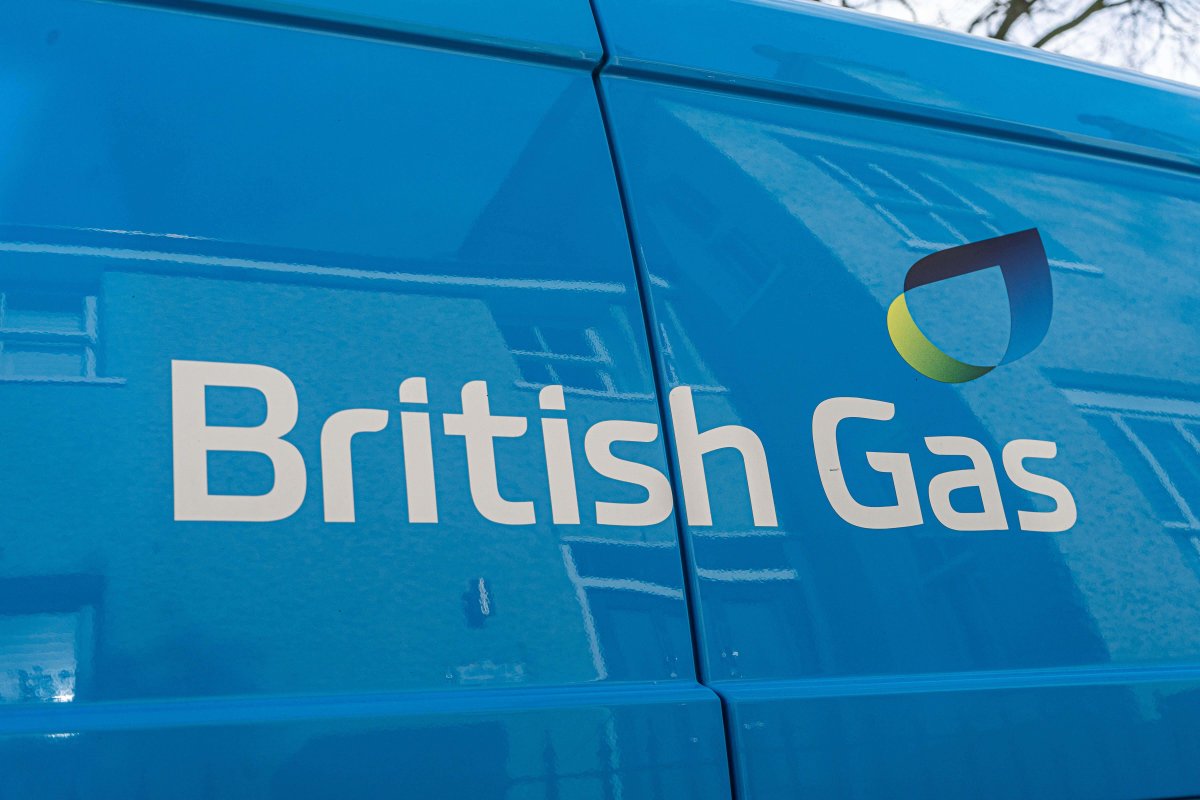
Around 1,300 Jobs to Go at British Gas Owner Centrica
Centrica, the owner of British Gas, has announced plans to cut around 1,300 jobs over two years as part of a restructuring of its customer services and support teams. The figure combines 800 further reductions with 500 roles already flagged last month. Around 500 of the new cuts will affect contact-based positions in the customer operations team, with further reductions aimed at offshore outsource support jobs. The changes will produce an approximately 14 per cent reduction in the company's customer operations workforce. Proposals also include trimming roles inside group support functions to improve efficiency.
The overhaul follows a clear shift in how customers interact with the supplier. Centrica stated that structural changes in customer behaviour lie behind the decision, with contact volumes falling sharply.
Digital Shift Driving Restructuring
Centrica reported that around 90 per cent of customers now choose digital methods for support. This move away from traditional channels has reduced the volume of telephone and face-to-face contact the company must handle. The supplier described the pattern as a structural change rather than a temporary fluctuation, requiring fewer staff in contact centres and related operations. The 14 per cent workforce reduction in customer operations directly reflects this lower demand for non-digital assistance.
Additional cuts to offshore outsource support jobs form part of the same adjustment. By aligning staffing levels with actual contact volumes, Centrica aims to match resources to the service channels customers prefer. The company has framed the entire programme as a response to sustained behavioural change rather than short-term cost pressure.
What the Cuts Mean for Households
Households contacting British Gas will encounter a workforce already adjusted to digital-first demand. With 90 per cent of customers using online methods, the remaining contact-based roles will handle a smaller share of enquiries. The 14 per cent reduction in customer operations staff will concentrate resources on the enquiries that still arrive by phone or other traditional routes. Centrica has not indicated any change to regulated service standards monitored by Ofgem.
Support functions across the wider group will also see role reductions intended to raise efficiency. Customers may notice streamlined back-office processes even if front-line digital options remain the primary route. The company continues to operate within the existing regulatory framework that governs response times and complaint handling for energy suppliers.
Centrica's Investment Counterbalance
Alongside the reductions, Centrica said it would continue recruiting in areas of growing demand. A spokesman stated: "We have been transforming the business for a number of years to ensure we have the right roles in the right places for the future. This means making changes to improve efficiency, drive commercial performance and give our customers the service they want. At the same time, we continue to invest in the skills where there is demand, including recruiting more engineers to meet growing demand and hiring 500 apprentices this year alone."
The 500 apprenticeships represent a concrete commitment to new entrants in technical roles. Engineer recruitment is presented as a direct response to increased demand for installation and maintenance work. These moves sit alongside the 1,300 job reductions and are intended to rebalance the workforce toward the skills the company expects to need in future years.
Broader Context: Energy Sector Transformation
Centrica's programme illustrates how established energy suppliers are adapting staffing to sustained changes in customer behaviour. The 90 per cent digital adoption rate has reduced the need for large contact centre teams across the sector. Similar pressures affect other suppliers facing the same shift from telephone to app-based and web-based support. The two-year timetable for the 1,300 cuts allows phased implementation while the company maintains its existing service obligations.
Group support function reductions form part of the same efficiency drive. By lowering overheads in these areas, Centrica seeks to align total costs with the lower volume of traditional customer contact. The approach reflects wider efforts within the UK energy market to match workforce size to digital demand patterns that have become permanent.
Union and Political Reaction
Employee representatives and political figures at Westminster and in devolved administrations will examine the proposals for their effect on workers and service quality. The 500 contact-based cuts and the additional offshore reductions will be scrutinised for compliance with consultation requirements. Centrica's statement that it is creating the "right roles in the right places" will be tested against the practical outcomes for remaining staff and for customers who still rely on non-digital channels.
Local councils and consumer organisations may seek assurances that the 14 per cent reduction in customer operations does not compromise regulated standards. The company's parallel investment in 500 apprentices and additional engineers offers one point of reference for assessing whether overall employment in the business is being rebalanced rather than simply reduced.
The Bottom Line
Centrica's announcement shows how one major UK energy supplier is responding to a lasting change in customer behaviour. With 90 per cent of users now opting for digital support, the company has judged that its contact operations can operate with 14 per cent fewer staff. The 1,300 job reductions over two years, combined with continued recruitment of engineers and 500 apprentices, set out a deliberate shift in workforce composition. The outcome will depend on whether the remaining teams can sustain service levels under Ofgem rules while the company completes the transition to a smaller, digitally aligned operation.
By Erica Thornton, Staff Writer
This article was produced with AI-assisted research and editorial support. Reporting is based on sources cited in the article.
What's Your Reaction?
 Like
0
Like
0
 Dislike
0
Dislike
0
 Love
0
Love
0
 Funny
0
Funny
0
 Wow
0
Wow
0
 Sad
0
Sad
0
 Angry
0
Angry
0

US Politics and Policy Correspondent at Global1.News. Based in Washington DC, covering American politics, policy, elections, and the courts. Knows how the system works and tells you what it actually means.














Comments (0)