
Gulf of Paria Oil Spill Dispute Strains Neighbourly Ties Between Trinidad and Tobago and Venezuela
Gulf of Paria Oil Spill Dispute Strains Neighbourly Ties Between Trinidad and Tobago and Venezuela The Spill Heard Across the Gulf The events of May 1 unfolded quietly at first in the shared waters of the Gulf of Paria, where Heritage Petroleum Company Limited detected an oil spill at its offshore Main Field operation around 7:25 a.m. The company moved swiftly to alert Trinidad
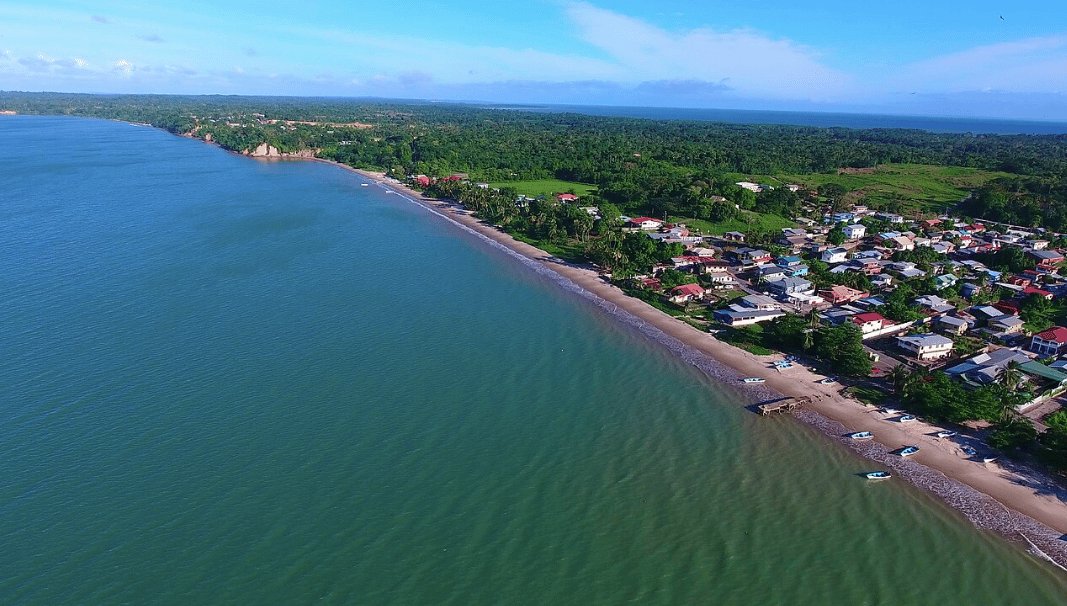
The Spill Heard Across the Gulf
The events of May 1 unfolded quietly at first in the shared waters of the Gulf of Paria, where Heritage Petroleum Company Limited detected an oil spill at its offshore Main Field operation around 7:25 a.m. The company moved swiftly to alert Trinidad and Tobago's Ministry of Energy and Energy Industries, the Coast Guard, and the Environmental Management Authority, setting in motion a notification chain that remained internal for days. According to official accounts from Port of Spain, the spill involved an estimated 10 barrels, with the leak stopped the same day and the operation repaired and returned to service by May 2.
Trinidad's spill trajectory modelling quickly revealed the potential for hydrocarbons to drift across the maritime boundary if left untreated, prompting the deployment of chemical dispersants at a distance of six to eight nautical miles from the shared border. Follow-up checks using drones and vessels confirmed no visible hydrocarbons remained on the surface, allowing authorities to classify the incident as minor and contained. Yet the absence of any public statement from Heritage Petroleum or the government left communities on both sides of the Gulf unaware until external voices intervened.
In the warm coastal air of Trinidad, where fishing boats have long dotted the horizon alongside oil platforms, this sequence of detection and response highlights how quickly a routine offshore operation can touch the lives of neighbours. The Gulf of Paria has always served as a vital artery connecting the two nations, its waters carrying not only resources but also the shared memory of past energy developments that shaped livelihoods across generations.
Venezuela's Public Demands
Venezuela took its concerns to the international stage on May 12 when Foreign Minister Yván Gil publicly demanded information and compensation from Trinidad and Tobago. Satellite imagery obtained by Caracas, including images from as early as April 28, showed a slick that appeared to originate from Trinidadian waters, raising questions about the full extent of any environmental reach into Venezuelan territory. Gil warned of potential impacts across 1,625 square kilometres that encompass 12 strategic wetland systems, four national parks, and the daily work of more than 500 fishermen in the states of Sucre and Delta Amacuro.
Acting President Delcy Rodríguez responded by directing a multidisciplinary team of environmental specialists, biologists, and naval personnel to assess the affected areas directly. This coordinated effort underscored Caracas's view that the incident posed serious risks to shared Gulf of Paria ecosystems, framing the request for accountability within the language of international environmental law. The public nature of these statements transformed what might have remained a bilateral technical matter into a visible regional concern.
From the perspective of families along Venezuela's eastern coast, the Gulf represents both heritage and sustenance, its mangroves and waters supporting communities that have fished these grounds long before modern borders were drawn. The call for transparency therefore resonates deeply, reflecting a collective desire to protect the delicate balance that sustains both people and nature in these interconnected spaces.
Port of Spain's Defence and Domestic Concerns
Trinidad and Tobago maintained that the spill was limited to 10 barrels and fully addressed through immediate containment measures, with modelling data guiding the precise placement of dispersants well inside its own waters. Officials emphasised that drone and vessel inspections found no remaining surface hydrocarbons, reinforcing the position that the incident posed no lasting threat to the shared maritime zone. This stance reflects a broader commitment to managing energy operations responsibly while protecting the economic foundations that support many households across the islands.
Still, the decision not to disclose the event until Venezuela raised the alarm has prompted quiet conversations in Port of Spain about the balance between operational confidentiality and public trust. The Gulf of Paria has long been central to Trinidad's identity as an energy producer, its waters hosting infrastructure that powers homes and fuels regional trade, yet residents also recognise the need for open communication when incidents occur near sensitive borders.
Community voices in coastal villages often speak of the sea as a living neighbour rather than a distant resource, reminding leaders that transparency builds the kind of neighbourly confidence essential for long-term cooperation. The modelling that showed potential cross-border drift serves as a reminder that environmental events rarely respect lines on a map, encouraging ongoing dialogue even amid differing interpretations of the facts.
Opposition Calls for Investigation
Opposition Leader Stuart Young described the lack of early public information as a deliberate cover-up, calling for an immediate investigation into who suppressed details of the oil spill since May 1. His statements highlight concerns about accountability within the energy sector and the processes that govern how incidents are reported both domestically and to neighbouring states. Such calls reflect a wider desire among citizens for clear lines of responsibility when shared waters are involved.
In Trinidadian communities where political discussions often unfold on verandas and at market stalls, the demand for answers carries the weight of lived experience with energy projects that have shaped daily life for decades. Residents understand that robust oversight protects not only the environment but also the jobs and stability tied to the sector, fostering a sense of collective stewardship over the Gulf.
The push for investigation therefore extends beyond partisan lines, touching on fundamental questions of how information flows between government, industry, and the public. It underscores the importance of mechanisms that ensure every stakeholder, from fishermen to policymakers, remains informed about events that could influence the shared marine space.
Energy Sector at Stake
The dispute places Trinidad and Tobago's energy operations, including those managed by Heritage Petroleum, under renewed scrutiny at a time when global oil prices and regional security remain closely watched. The Gulf of Paria has served as a cornerstone of the nation's energy history, evolving from earlier ventures like those once associated with Petrotrin to current facilities such as Atlantic LNG that support both domestic needs and export markets. Any perception of inadequate cross-border communication risks affecting investor confidence and long-term planning.
Communities across Trinidad have witnessed how energy developments bring both opportunity and responsibility, with families relying on steady employment while also valuing the natural surroundings that sustain fishing and tourism. The incident serves as a prompt to examine how existing infrastructure can operate with greater emphasis on shared environmental safeguards, preserving the sector's role as a pillar of economic life.
Historical ties to the oil and gas industry run deep in Trinidadian society, where stories of past booms and adjustments are passed down through generations. This latest chapter encourages reflection on how best to balance production with the protection of the waters that connect the nation to its neighbours, ensuring energy security does not come at the expense of regional harmony.
Impact on Coastal Communities
Fishermen in both Trinidad and Venezuela depend on the Gulf of Paria for their livelihoods, navigating waters that have provided sustenance for countless families over generations. The potential reach of any spill into wetland systems and national parks raises practical worries about fish stocks, equipment, and the daily rhythms of coastal life that support entire villages. In Trinidad, where markets brim with fresh catches from these waters, even the suggestion of contamination touches household budgets and community traditions.
The cost of living in these areas often hinges on the health of the marine environment, with rising expenses for fuel and supplies already challenging many households. Venezuelan communities in Sucre and Delta Amacuro similarly view the Gulf as central to their identity, where more than 500 fishermen and their families could face disruptions if ecosystems suffer lasting effects. These shared concerns highlight how environmental events ripple through the social fabric on both sides of the border.
Local perspectives often emphasise the human stories behind the headlines, from elders teaching younger generations the ways of the sea to women who process and sell the daily harvest. Protecting these livelihoods requires attention not only to immediate response but also to the ongoing relationships that bind communities across the Gulf, fostering resilience in the face of uncertainty.
Regional Implications for CARICOM
The situation in the Gulf of Paria offers a clear lesson for the wider Caribbean about the need for pre-agreed notification and response frameworks whenever offshore oil and gas activity occurs near shared maritime zones. Neighbouring states within CARICOM have watched the exchange with interest, recognising that robust bilateral arrangements can prevent small incidents from escalating into larger diplomatic matters. Guyana's ongoing offshore developments add further context, illustrating how energy exploration across the region demands coordinated approaches to environmental governance.
Trinidadian voices often draw on the region's history of cooperation, recalling how Caribbean nations have worked together on trade, disaster response, and cultural exchange. The current dispute serves as a reminder that environmental protection must form part of these partnerships, ensuring that the benefits of energy resources do not overshadow the responsibility to safeguard common waters. Communities across the islands understand that collective strength lies in open communication and mutual respect.
Lessons from this episode could shape future protocols that prioritise early information sharing and joint monitoring, strengthening the ties that already link CARICOM members. By addressing vulnerabilities in cross-border frameworks now, the region positions itself to handle similar challenges with greater confidence and unity, preserving both economic prospects and ecological heritage for generations to come.
Diplomatic Path Forward
Looking ahead, the path involves continued dialogue between Trinidad and Tobago and Venezuela to address information requests and explore compensation matters within the framework of international environmental law. Both nations share a long history of neighbourly relations built on trade, migration, and cultural exchange, and the Gulf of Paria remains a symbol of that interconnectedness rather than division. Strengthening environmental governance through joint mechanisms could help prevent future misunderstandings while honouring the needs of coastal populations.
Trinidadian communities often approach such matters with a spirit of warmth and practicality, recognising that lasting solutions emerge from honest conversation and respect for each side's concerns. The emphasis on transparency and accountability voiced by opposition figures and international observers alike points toward processes that include input from those most directly affected, including fishermen and local leaders.
Ultimately, the way forward rests on reinforcing the bonds of regional cooperation that have long defined Caribbean diplomacy. By investing in clearer protocols and sustained engagement, Trinidad and Tobago and Venezuela can transform this episode into an opportunity for improved stewardship of the Gulf, ensuring its waters continue to support livelihoods, ecosystems, and friendly relations for years ahead.
By Sharon Sahatoo, Staff WriterThis article was produced with AI-assisted research and editorial support. Reporting is based on sources cited in the article.
What's Your Reaction?
 Like
0
Like
0
 Dislike
0
Dislike
0
 Love
0
Love
0
 Funny
0
Funny
0
 Wow
0
Wow
0
 Sad
0
Sad
0
 Angry
0
Angry
0
Caribbean Correspondent at Global1.News. Based in Port of Spain, Trinidad, covering Caribbean politics, economy, energy, climate, and culture. Amplifying the voices and stories of the Caribbean region.









Comments (0)