
World Cup 2026 Group K Explained — Portugal, Colombia, DR Congo and Uzbekistan Prepare for Kick-Off
The Expanded World Cup Arrives With Bafana Bafana Back In The Mix The FIFA World Cup 2026 kicks off on Thursday June 11 with 48 teams contesting 104 matches across 16 venues in the United States, Canada and Mexico. South African supporters feel the same electric build-up that filled stadiums when Bafana Bafana last appeared in 2010, and the return after 16 years brings fresh ho
The Expanded World Cup Arrives With Bafana Bafana Back In The Mix
The FIFA World Cup 2026 kicks off on Thursday June 11 with 48 teams contesting 104 matches across 16 venues in the United States, Canada and Mexico. South African supporters feel the same electric build-up that filled stadiums when Bafana Bafana last appeared in 2010, and the return after 16 years brings fresh hope to every township and suburb. Group K stands out as the only group featuring four different confederations, guaranteeing a true global test that mirrors the diverse football conversations heard on South African streets every weekend.
Local fans already compare the expanded format to the growth of the Premier Soccer League, where more teams mean more stories and more opportunities for underdogs. The 16-year absence has left a generation hungry for new heroes, and the June kick-off cannot arrive soon enough for those planning early morning viewings at community halls. Every detail from travel logistics to ticket allocations now carries extra weight because Bafana Bafana supporters know exactly how rare these moments remain.
Portugal Bring Star Power And Experience To Group K
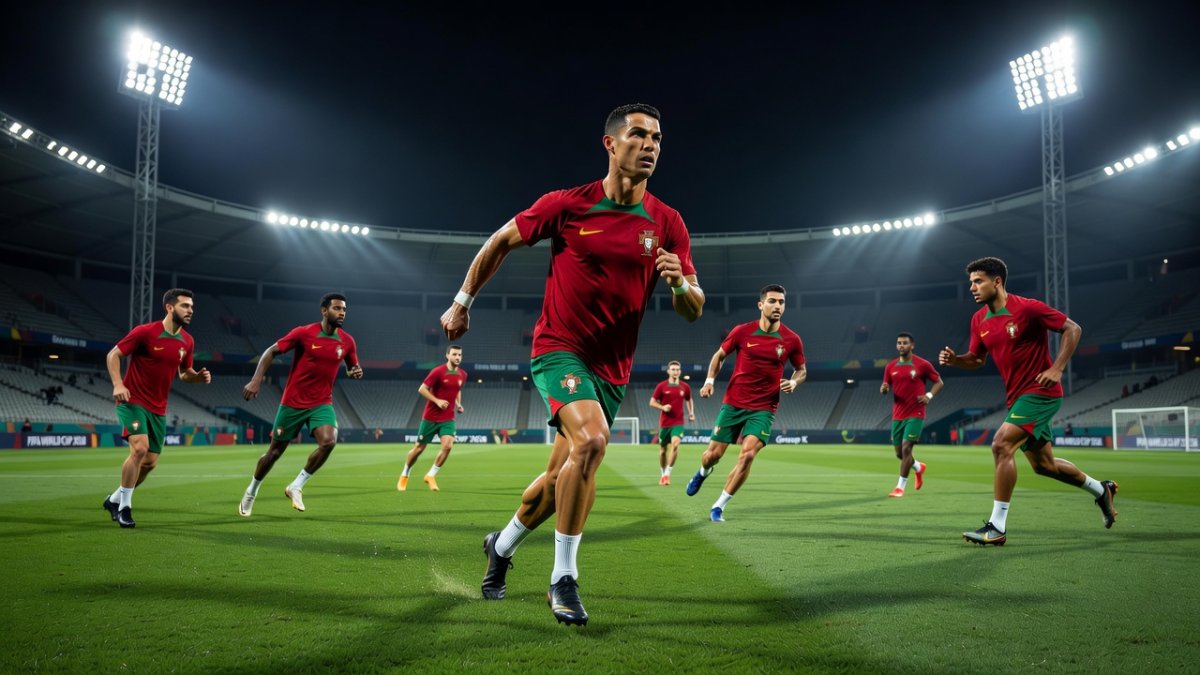
Portugal arrive as FIFA-ranked number six with eight previous World Cup appearances and a best finish of third place in 1966. Cristiano Ronaldo will contest what many expect to be his final tournament, and the squad includes Bruno Fernandes, Bernardo Silva, Rafael Leao, Ruben Dias, Vitinha and Joao Cancelo. Their 9-1 victory over Armenia underlined the attacking depth that South African analysts have studied closely for set-piece patterns.
Local coaches in Johannesburg and Cape Town already point to Portugal’s 88 percent predicted advancement rate as a benchmark for disciplined preparation. The presence of such established European talent reminds every young South African midfielder that technical quality must pair with relentless work rate. Fans here will watch how Portugal manage the heat and travel demands that Bafana Bafana will also face in the same group stage window.
Colombia Return With Pace And Technical Quality
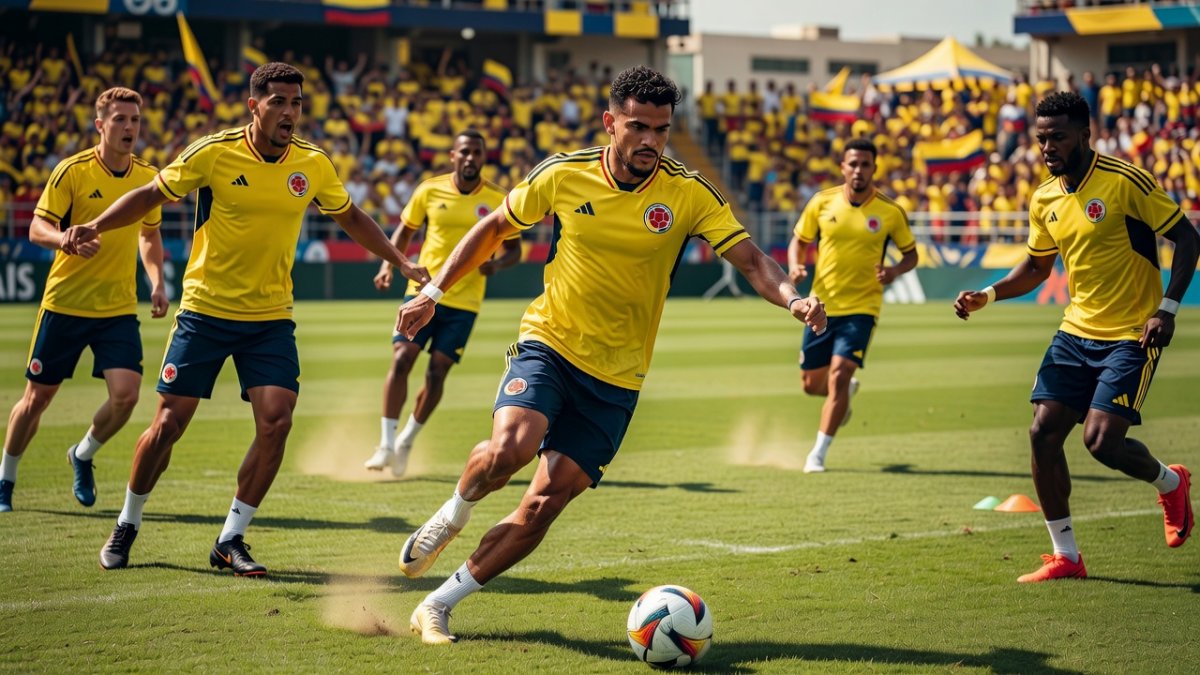
Colombia sit at FIFA number 12 with six World Cup appearances and a best run to the quarter-finals in 2014. Their absence from the 2022 tournament makes the 2026 return especially significant, and the squad features Liverpool forward Luis Diaz, Aston Villa striker Jhon Duran, James Rodriguez and Davinson Sanchez. An 82 percent predicted advancement rate reflects the blend of experience and emerging talent that excites neutral observers.
South African defenders will study Colombia’s wide play because it echoes the speed Bafana Bafana often face in Africa Cup of Nations qualifiers. The return of James Rodriguez adds leadership that mirrors the veteran presence many local supporters wish to see more of in the national team. Every training session at SAFA centres now includes video clips of Colombian transitions to prepare the next generation for similar intensity.
DR Congo Carry The Hopes Of An Entire Continent
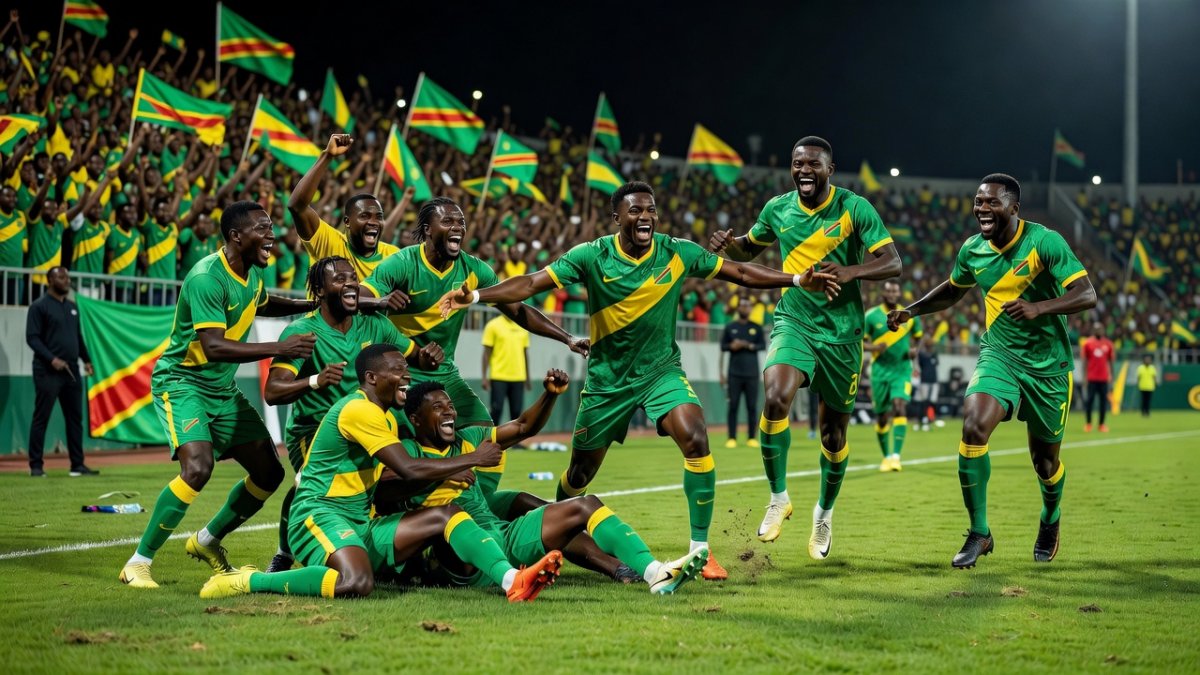
DR Congo make their first World Cup appearance since 1974 when they competed as Zaire, creating a 52-year gap that resonates deeply across Africa. Their 15 percent predicted advancement chance does not diminish the excitement felt in every South African living room where matches will be followed with religious attention. The story of this Central African side serves as direct inspiration for Bafana Bafana’s own long-awaited return.
CAF supporters already plan massive watch parties that will stretch from Soweto to Kinshasa, proving football’s power to unite beyond borders. The physical style expected from DR Congo offers valuable lessons for South African coaches who must prepare for robust challenges in both attack and defence. Every goal scored by the Congolese will be celebrated here as a victory for the broader African game that Bafana Bafana aim to represent with pride.
Uzbekistan Make History As AFC Debutants
Uzbekistan enter their first World Cup as only the second Central Asian nation after Iran to reach the finals. Their 10 percent predicted advancement rate reflects the scale of the challenge, yet the achievement itself already marks a milestone for Asian football development. South African fans recognise the parallel with emerging nations that must overcome limited resources to compete at the highest level.
The South African Department of International Relations and Cooperation has issued standard travel advice for supporters considering trips to the United States, Canada or Mexico. Uzbek discipline and organisation will provide a tactical reference point for Bafana Bafana analysts who value structured defending. Their journey encourages every grassroots coach in South Africa to believe that consistent investment can produce similar breakthroughs within a generation.
Matchday Schedule Sets Up Early Drama
Matchday one features Colombia against DR Congo followed by Portugal against Uzbekistan, giving immediate insight into how the four confederations will clash. South African viewers will rise early for these fixtures, recreating the same atmosphere that surrounded Bafana Bafana’s own group stage matches in previous tournaments. The opening games will quickly establish momentum that carries through the entire group.
Matchday two brings the marquee Colombia versus Portugal encounter alongside the crucial DR Congo versus Uzbekistan fixture that carries special weight for African supporters. Every tactical adjustment in these matches will be dissected on local radio shows the following day. Matchday three closes the group with Colombia against Uzbekistan and DR Congo against Portugal, ensuring no team can relax until the final whistle.
Advancement Rules Offer Clear Pathways For All Sides
The new format sends the top two teams plus the eight best third-placed sides into the round of 32. This structure creates realistic opportunities for African sides that South African coaches have already begun explaining to young players at academies nationwide. The mathematics of third-place qualification rewards consistency across all three group matches rather than relying on a single result.
Bafana Bafana supporters understand that every point collected against stronger opponents can prove decisive when tiebreakers are applied. The expanded knockout stage mirrors the domestic cup formats where lower-ranked teams occasionally produce giant-killing runs. Analysts in Durban and Pretoria now run simulations showing how a single draw could keep any Group K side alive deep into the tournament.
Broadcast Reach Connects The Nation To The Action
SuperSport and SABC will deliver comprehensive coverage that ensures no South African misses a moment of Group K action. Africa’s largest World Cup contingent will generate daily talking points that dominate workplace conversations from Cape Town to Polokwane. The broadcast schedule aligns perfectly with school holidays, allowing families to gather around screens in the same way they did during the 2010 tournament.
SAFA’s youth development programmes have already incorporated World Cup footage into training modules so that the next wave of players can learn directly from the world’s best. Community viewings organised by local football associations will recreate the unity that defined South Africa’s previous hosting experience. Every goal and save will be replayed endlessly on social media platforms popular among South African supporters.
Tactical Lessons For South African Fans And Coaches
Portugal’s structured build-up play offers a masterclass that South African midfielders can study when facing compact defences in domestic leagues. Colombia’s explosive pace on the flanks mirrors the transitions that Bafana Bafana must master to succeed in future Africa Cup of Nations campaigns. DR Congo’s physical approach will test the resilience that local defenders have been working on throughout the current PSL season.
Uzbekistan’s disciplined shape provides a template for teams that must absorb pressure before launching counter-attacks. South African coaches already plan training sessions that replicate these specific match-ups so that players understand the demands of facing four different styles in quick succession. The tactical variety in Group K will serve as a live classroom for every aspiring analyst in the country.
Direct Implications For Bafana Bafana’s Future Campaigns
Every match in Group K will be recorded and analysed by SAFA technical staff to extract lessons on set-piece execution and high-tempo transitions. The stories of DR Congo and Uzbekistan demonstrate that nations with limited recent history can still reach the biggest stage through sustained investment. South African youth teams now watch these sides as proof that belief combined with structure produces results.
Grassroots coaches across the nine provinces will use the tournament to motivate players who dream of wearing the green and gold. The emphasis on physical conditioning and tactical discipline seen in Group K directly informs the preparation plans already drawn up for Bafana Bafana’s next qualification cycle. National pride swells whenever African or emerging sides perform well, because supporters know the same standards apply to their own team.
The Tournament Runs To July 19 With National Pride On The Line
The FIFA World Cup 2026 concludes on July 19, and the journey from the June 11 opener will test every squad’s depth and character. Cristiano Ronaldo’s likely farewell adds emotional weight that South African fans appreciate after watching their own legends depart the international stage. Group K will deliver the kind of drama that keeps communities glued to screens long after midnight.
Bafana Bafana’s return after 16 years remains the central narrative for every South African supporter, and the lessons from Portugal, Colombia, DR Congo and Uzbekistan will shape future preparations. Football continues to unite the nation in ways that transcend ordinary daily life. The roar that will greet the first whistle on Thursday June 11 echoes the same passion that has sustained South African football through every challenge and every triumph.
By Dante Williams, Staff WriterThis article was produced with AI-assisted research and editorial support. Reporting is based on sources cited in the article.
What's Your Reaction?
 Like
0
Like
0
 Dislike
0
Dislike
0
 Love
0
Love
0
 Funny
0
Funny
0
 Wow
0
Wow
0
 Sad
0
Sad
0
 Angry
0
Angry
0

Breaking News and Investigations Correspondent at Global1.News. Based in London, covering global breaking news, security, and investigative stories. Known for digging deeper and connecting the dots across continents.










Comments (0)