
West Africa Unites for Massive Atlantic Gas Pipeline Project
In the warm evenings along Dakar’s coastal roads, where fishermen mend their nets and families gather to share stories of tomorrow, a vast energy project is quietly taking root. The Nigeria-Morocco Atlantic Gas Pipeline promises to link nations and light homes across West Africa, yet it also carries the hopes and worries of everyday communities who have long navigated both promise and challenge.
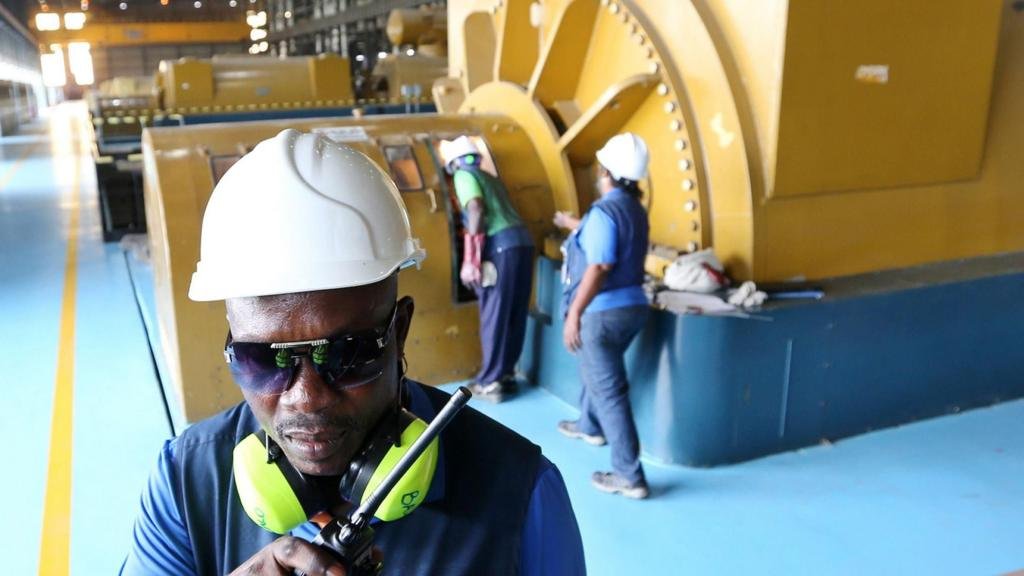
In the warm evenings along Dakar’s coastal roads, where fishermen mend their nets and families gather to share stories of tomorrow, a vast energy project is quietly taking root. The Nigeria-Morocco Atlantic Gas Pipeline promises to link nations and light homes across West Africa, yet it also carries the hopes and worries of everyday communities who have long navigated both promise and challenge. From Saint-Louis to the Gambian border, Senegal’s people watch with grounded optimism as steel meets sea and future meets tradition.
West Africa Unites for Massive Atlantic Gas Pipeline Project
Dakar, Senegal — Article continues...
The Nigeria-Morocco Atlantic Gas Pipeline Takes Shape
The Nigeria-Morocco Atlantic Gas Pipeline, known officially as the NMGP, represents a 6,000-kilometre project designed to carry natural gas from Nigeria along the Atlantic coast through multiple West African nations before reaching Morocco and connecting onward to Europe via Spain. At an estimated cost of $25 billion, the pipeline carries an annual capacity of 30 billion cubic metres. Leaders endorsed the plan at an ECOWAS summit in Freetown on July 20, 2026, with 15 nations committing to the effort. Construction is scheduled to begin in 2028, with first gas deliveries targeted for 2031.
Senegal and Mauritania Anchor the First Phase
Senegal sits at the heart of the initial construction phase alongside Mauritania and Morocco. The pipeline will pass through Senegalese waters, making the country both a transit point and a potential beneficiary of new infrastructure. Senegal and Mauritania have already signed bilateral agreements to coordinate on routing and local benefits. From Dakar’s perspective, this project links directly to the country’s growing energy sector and its long-standing ties with its northern neighbour. Communities along the coast, from Saint-Louis to the Gambian border, stand to see new jobs in construction and maintenance while the pipeline supports broader goals of African energy sovereignty.
Senegal’s offshore gas developments already position the country as a key player in regional energy. The Grand Tortue Ahmeyim field, operated jointly by bp and Kosmos Energy, lies on the maritime border with Mauritania and is expected to begin production soon. This project gives Senegal practical experience with large-scale gas infrastructure that the Atlantic pipeline can build upon, creating shared supply chains and technical expertise that benefit both nations.
Communities from Saint-Louis to Thiès stand to feel the effects most directly. Construction near Saint-Louis could bring temporary jobs yet also pressure on local fisheries, while Dakar and Thiès may see steadier electricity once gas reaches power plants. Senegal’s energy minister has emphasised that routing decisions must protect these coastal livelihoods and deliver measurable local content, reflecting the government’s view that the pipeline should serve Senegalese households first.
The long-standing Senegal-Mauritania relationship provides a foundation for this cooperation. Joint management of Grand Tortue Ahmeyim has already required coordinated permitting and revenue sharing, offering a model for the pipeline’s first segment. Both governments have pledged transparent monitoring to ensure benefits reach border communities rather than remaining concentrated in capital cities.
Economic Promise for West African Nations
Proponents argue the pipeline will stimulate industrial growth by supplying reliable gas to power plants, factories, and fertiliser production across the region. Countries such as Ghana, Côte d’Ivoire, and Benin could gain access to cleaner domestic energy sources that reduce reliance on imported fuels. The phased financing approach, beginning with the Morocco-Mauritania-Senegal axis, allows early revenue streams to help fund later segments. For Senegal, the project aligns with existing offshore gas developments and could strengthen the national economy through transit fees and local content requirements that prioritise Senegalese workers and suppliers.
Early estimates suggest the pipeline could create tens of thousands of direct and indirect jobs during construction and operation, particularly in the initial Morocco-Mauritania-Senegal stretch. Transit fees and local-content rules are projected to add several hundred million dollars annually to Senegal’s economy once gas flows, helping diversify away from traditional sectors. Industrial zones near Dakar and Thiès could attract new factories if reliable gas supply lowers energy costs.
Gas-to-fertiliser plants represent one of the clearest opportunities. West Africa currently imports most of its fertiliser, leaving farmers vulnerable to global price swings. Converting a portion of the pipeline’s gas into urea and other inputs could cut costs for Senegalese and regional agriculture while generating export revenue, turning an energy project into a broader development tool.
These prospects stand in sharp contrast to today’s energy poverty. Many West African households still rely on charcoal or expensive diesel generators. The phased approach, starting with the northern segment, allows early revenues from Morocco-bound gas to finance later sections, reducing the need for massive external loans and giving countries time to build regulatory capacity before full operations begin.
Environmental Questions Alongside Development Goals
While the pipeline offers a bridge fuel that emits less carbon than coal or oil, it still represents a major fossil fuel investment at a time when many African nations are expanding renewable energy. Critics point to risks of methane leaks, coastal ecosystem disruption, and long-term lock-in to gas infrastructure. Senegal’s own energy transition plans include significant solar and wind capacity, raising questions about how the pipeline fits into a broader mix. Regional leaders maintain that gas can support industrialisation now while renewables scale up, yet they acknowledge the need for strong environmental safeguards during construction and operation.
Senegal is already expanding renewables alongside gas ambitions. The Taiba N’Diaye wind farm near Dakar now supplies hundreds of megawatts to the grid, while several solar projects in the north are under construction. Policymakers see the pipeline as a complementary bridge that can power industry during the transition, yet they recognise that methane leaks and coastal disruption must be tightly controlled if the country is to meet its climate commitments.
The African Union has endorsed natural gas as a transition fuel for the continent, arguing that it can replace dirtier fuels and support industrial growth while renewables scale. This stance gives political cover to the NMGP, but it also places pressure on Senegal and its partners to adopt best-practice monitoring for fugitive emissions and to establish marine protected zones along sensitive coastal stretches.
Coastal ecosystem protection remains a practical concern. Construction near Saint-Louis could affect migratory fish stocks and mangrove areas already stressed by erosion. Environmental groups are calling for independent oversight and real-time leak detection systems, measures that would raise costs yet help preserve the fisheries that sustain thousands of Senegalese families.
Europe’s Energy Needs and Africa’s Supply Role
Europe continues to seek diversified gas supplies following recent global disruptions. The NMGP’s final link through Morocco to Spain offers one potential route for Nigerian gas to reach European markets. This dynamic places West Africa in a position to contribute to continental energy security while generating export revenue. At the same time, African policymakers stress that domestic needs must come first, ensuring that gas serves local power generation and industry before any exports. The project therefore reflects both opportunity and the careful balancing act between external demand and regional priorities.
ECOWAS Unity Across Fifteen Nations
The endorsement by 15 West African countries marks a notable display of regional cooperation under the ECOWAS framework. The list includes Nigeria, Benin, Togo, Ghana, Côte d’Ivoire, Liberia, Sierra Leone, Guinea-Bissau, Gambia, Senegal, Mauritania, and Morocco, among others. Such coordination requires alignment on technical standards, security arrangements, and revenue sharing. For Senegal, participation reinforces its role as a bridge between coastal West Africa and the Sahel, while the collective effort demonstrates how shared infrastructure can advance the continent’s long-term vision of integrated energy systems.
The agreement of fifteen nations represents a rare moment of diplomatic cohesion in a region often divided by bilateral disputes. ECOWAS has a history of joint infrastructure efforts, from the West African Power Pool to earlier gas initiatives, yet few projects have secured such broad political backing. The NMGP’s endorsement signals that energy integration is now viewed as essential for collective resilience rather than a secondary ambition.
Morocco’s participation as a non-ECOWAS member adds another layer of significance. Its inclusion reflects pragmatic geography and long-standing ties with West African states, particularly Senegal. Rabat’s financing contributions and technical expertise help move the project forward, while also deepening Morocco’s strategic foothold in sub-Saharan energy corridors.
Security challenges remain real along the route. Parts of the Sahel face instability that could threaten construction crews and maintenance teams. ECOWAS leaders have discussed coordinated patrols and intelligence sharing, recognising that the pipeline’s success depends as much on political stability as on engineering. For Senegal, these discussions reinforce its role as a stabilising actor bridging coastal and inland security concerns.
What This Means for Everyday West Africans
Beyond the high-level agreements, the pipeline’s success will ultimately be measured by its effects on ordinary citizens. In Senegal, reliable electricity from gas-fired plants could mean fewer outages for families in Dakar and Thiès. Fishermen along the Atlantic coast will watch construction closely, hoping new regulations protect their livelihoods. Across the region, young engineers and technicians may find training opportunities that keep talent at home rather than abroad. The project carries both promise and responsibility, reflecting the daily realities of energy access, job creation, and environmental stewardship that shape life from Dakar to Lagos.
By Amara Diop, Staff WriterThis article was produced with AI-assisted research and editorial support. Reporting is based on sources cited in the article.
What's Your Reaction?
 Like
0
Like
0
 Dislike
0
Dislike
0
 Love
0
Love
0
 Funny
0
Funny
0
 Wow
0
Wow
0
 Sad
0
Sad
0
 Angry
0
Angry
0

West Africa/Sahel Correspondent at Global1.News. Dakar-based journalist covering politics, security, climate, and development across Francophone and Anglophone West Africa. Tells the stories of a region undergoing profound transformation.









Comments (0)