
Cairo's Sultan Qaytbay Mosque-Mausoleum Reopens After Restoration
After years of meticulous restoration work, one of Cairo's most treasured Mamluk architectural masterpieces has reopened its doors to the public. The Sultan Qaytbay Mosque-Mausoleum, a 15th-century gem nestled in the heart of Egypt's historic capital, stands once again as a testament to the artistic brilliance of the Mamluk Sultanate. African culture lovers and heritage enthusiasts now have a renewed reason to explore the rich Islamic architectur
After years of meticulous restoration work, one of Cairo's most treasured Mamluk architectural masterpieces has reopened its doors to the public. The Sultan Qaytbay Mosque-Mausoleum, a 15th-century gem nestled in the heart of Egypt's historic capital, stands once again as a testament to the artistic brilliance of the Mamluk Sultanate. African culture lovers and heritage enthusiasts now have a renewed reason to explore the rich Islamic architectural legacy that defines Cairo's skyline.
Sultan Qaytbay Mosque-Mausoleum Reopens in Cairo After Years of Restoration
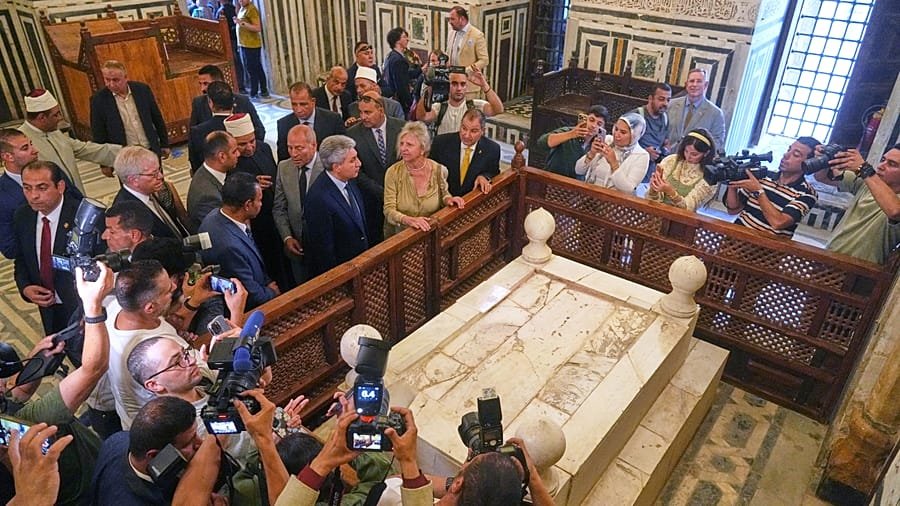
Cairo, Egypt — Monday's official reopening ceremony drew Egypt's Minister of Tourism and Antiquities Sherif Fathy, US Charge d'Affaires Robert Silverman, and architect Agnieszka Dobrowolska, whose firm Archinos Architecture led the restoration. The event marks the culmination of a preservation journey spanning from October 2022 to November 2024, during which craftsmen repaired external stonemasonry, restored the iconic dome, and undertook extensive cleaning that revealed long-hidden original colours and decorative details. The United States Ambassador's Fund for Cultural Preservation provided a $340,000 grant in August 2022 that made the project possible.
A Masterpiece of Mamluk Architecture
The Sultan Qaytbay Mosque-Mausoleum complex stands as a pinnacle of late Mamluk architectural achievement, built between 1472 and 1474 during the reign of Sultan Al-Ashraf Qaytbay. This ruler of the Mamluk Sultanate, which governed Egypt from 1250 to 1517, ranks among its greatest architectural patrons and commissioned numerous buildings across Cairo. The complex includes a mosque, madrasa, mausoleum, and sabil, forming a complete religious and educational ensemble that reflects the era's sophisticated urban planning.
Mamluk architecture reaches its height in this structure through intricate stonework, stalactite muqarnas vaulting, carved domes, and decorative minarets that rise gracefully above the surrounding landscape. These elements combine engineering precision with artistic flourish, creating spaces that have drawn visitors for centuries. The complex earns its reputation as one of Cairo's most visited Islamic monuments because of this harmonious blend of form and function.
Located in Cairo's Northern Cemetery, part of the historic City of the Dead, the site integrates seamlessly into the broader necropolis that has served as both burial ground and living community for generations. This placement underscores the Mamluk tradition of embedding monumental architecture within everyday urban life. The complex is widely regarded as a masterpiece of late Mamluk architectural and engineering excellence that continues to inspire admiration today.
Sultan Qaytbay's patronage extended far beyond this single project, shaping much of Cairo's medieval skyline with structures that emphasized both piety and power. His commissions often featured innovative dome designs and detailed stone carving that set standards for later builders. In this way the Qaytbay complex embodies the cultural confidence of a dynasty that left an enduring mark on Egypt's heritage.
Visitors approaching the site immediately sense the scale and refinement of the work, from the towering minaret to the carefully proportioned courtyard. The architectural traditions visible here connect directly to broader Islamic design principles that spread across North Africa and beyond. Such continuity reminds us how Mamluk achievements remain relevant to contemporary African cultural identity.
The Restoration Journey: 2022-2024
Restoration work on the Sultan Qaytbay complex unfolded steadily between October 2022 and November 2024 under the guidance of Cairo-based Archinos Architecture. Led by founder Agnieszka Dobrowolska, the firm coordinated teams of skilled craftsmen who addressed structural concerns while respecting the building's historic integrity. Their efforts focused on practical interventions that would secure the monument for future generations.
Craftsmen repaired external stonemasonry throughout the complex and restored the iconic dome that crowns the mausoleum. These targeted repairs corrected damage accumulated over centuries without altering the original design. The United States Ambassador's Fund for Cultural Preservation awarded a $340,000 grant in August 2022 that funded the entire undertaking and enabled the use of traditional techniques alongside modern conservation methods.
Extensive cleaning of both exterior and interior surfaces formed a major part of the project. Layers of grime built up over hundreds of years gave way to reveal original colours and decorative details that had remained hidden from view. This revelation brought new life to the carved stone and painted elements, allowing visitors to appreciate the monument's true vibrancy once more.
The partnership between the US cultural diplomacy program and Egyptian heritage experts proved essential to the project's success. Local knowledge combined with international funding created a model of collaboration that respected Egyptian ownership of the site. Archinos Architecture ensured that every decision aligned with established conservation standards while addressing the specific needs of this Mamluk treasure.
Throughout the process, the team documented each phase to create a lasting record of the work. Such careful record-keeping supports future maintenance efforts and provides valuable reference material for similar projects elsewhere. The results demonstrate how sustained commitment over two years can transform a historic structure while preserving its authentic character.
Ceremony and International Recognition
The official reopening ceremony took place on Monday July 21, 2026, marking a significant moment for Cairo's heritage community. Egypt's Minister of Tourism and Antiquities Sherif Fathy attended alongside US Charge d'Affaires Robert Silverman and architect Agnieszka Dobrowolska. Their presence highlighted the international cooperation that made the restoration possible.
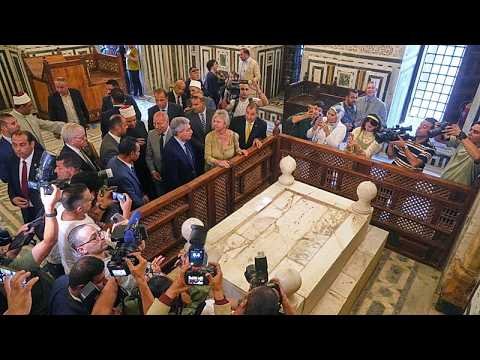
US Charge d'Affaires Robert Silverman participated in a video tour shared on July 20, 2026, that showcased the restored interiors to a wider audience. The footage captured the renewed beauty of the prayer spaces and decorative details, offering viewers an intimate look at the completed work. This digital outreach extended the celebration beyond those physically present at the site.
Anadolu Images photographer Mohamed Elshahed documented the restored spaces with images that convey both the architectural grandeur and the intimate details now visible again. His photographs serve as a permanent record of the transformation and have circulated widely in media coverage of the event. The Africanews Culture section covered the reopening on July 21, 2026, bringing attention to the achievement across the continent.
This gathering of Egyptian officials and international partners reflects a shared commitment to preserving Islamic architectural heritage. The cooperation demonstrates how cultural diplomacy can support local efforts without overshadowing national priorities. Such partnerships strengthen the global network of heritage professionals working to protect similar sites.
The ceremony itself included traditional elements that honoured the site's religious significance while celebrating its renewed accessibility. Speeches emphasised the importance of safeguarding these monuments for educational and spiritual purposes. The event concluded with an invitation for the public to return and experience the complex in its restored state.
Cairo's Islamic Heritage and UNESCO Recognition
Historic Cairo has held UNESCO World Heritage status since 1979, recognising the city's extraordinary concentration of Islamic monuments. The Sultan Qaytbay complex contributes directly to this designation through its exemplary Mamluk design. This recognition brings international attention and resources that support ongoing preservation across the historic core.
Mamluk monuments form a vital part of world heritage, illustrating the political and artistic achievements of the Sultanate that ruled Egypt from 1250 to 1517. Their survival amid modern pressures underscores the need for continued vigilance. The Qaytbay restoration adds to a growing list of successful interventions that protect this legacy.
Similar restoration initiatives in Cairo include projects in the Al-Khalifa district and at the Gayer-Anderson Museum, each addressing unique conservation challenges. These efforts collectively strengthen the city's historic fabric. Pollution, urbanization and groundwater issues remain constant challenges to Cairo's historic monuments, requiring sustained attention from authorities and experts alike.
Restoration projects like this boost cultural tourism, education, and national pride across Egypt. They create opportunities for local communities to engage with their heritage while attracting scholars and visitors from around the world. The Qaytbay work forms part of broader Egyptian government and international efforts to protect Islamic architectural heritage for the long term.
Ahram Online reported on the broader medieval mosque restorations in Historic Cairo around mid-July 2026, placing the Qaytbay reopening within a wider context of renewal. This coordinated approach ensures that multiple sites benefit from shared expertise and funding streams. The cumulative impact strengthens Cairo's position as a leading centre of Islamic architectural preservation.
Cultural Tourism and Egypt's Heritage Economy
The importance of heritage tourism to Egypt's economy continues to grow as restored monuments draw increasing numbers of visitors. The reopening of the Sultan Qaytbay complex adds another compelling destination for those interested in Islamic architecture and Mamluk history. Egypt intensifies efforts to promote heritage tourism as a key economic sector, and projects like this directly support that strategy.
Practical visitor information highlights the complex's location in the Northern Cemetery, where it is best visited with knowledgeable guides who can explain its layered history. The site combines well with other City of the Dead attractions, creating deeper heritage experiences that reveal the interconnected nature of Cairo's medieval landscape. Such itineraries encourage longer stays and greater appreciation of the city's cultural depth.
Visitors can now experience the prayer hall, courtyard, tomb chamber, and restored decorative elements in their renewed condition. The cleaning that revealed original colours allows a fuller understanding of how the spaces originally appeared. This enhanced presentation supports educational programs that connect contemporary audiences with Mamluk artistic traditions.
The Ministry of Tourism and Antiquities promotes these sites as part of a comprehensive cultural tourism strategy that balances preservation with accessibility. Increased footfall from international visitors generates revenue that can fund further conservation work. The Qaytbay restoration therefore serves both cultural and economic objectives in a mutually reinforcing way.
Local communities benefit when heritage sites reopen, as guides, artisans, and small businesses gain new opportunities. This economic dimension strengthens public support for preservation initiatives across Egypt. The success of the Qaytbay project encourages continued investment in similar efforts throughout the country.
What This Means for African Cultural Heritage
The broader significance of the Qaytbay restoration extends across African and Islamic heritage preservation efforts continent-wide. Lessons from this project, including the effective use of targeted grants and local expertise, can apply to heritage sites in other African nations facing similar challenges. International partnerships prove essential for building capacity where resources remain limited.
Egypt leads the continent in heritage conservation while other African nations develop their own preservation capacities. The experience gained here offers valuable models for training programs and technical exchanges. Such leadership helps raise standards across the region and fosters a sense of shared responsibility for historic monuments.
The cultural continuity between Mamluk Egypt and contemporary African Islamic heritage remains evident in architectural forms, decorative motifs, and religious practices that persist today. Preserving these architectural treasures matters for future generations of Africans who seek connection to their past. The restored complex stands as living proof that such links endure through careful stewardship.
Partnerships like the one between the US Ambassador's Fund and Egyptian authorities illustrate how external support can complement national efforts without compromising sovereignty. Similar arrangements could benefit sites in West Africa, East Africa, and the Sahel where Islamic architectural traditions also thrive. The Qaytbay example encourages dialogue among African heritage professionals about best practices and mutual support.
Ultimately, the reopening affirms that African cultural heritage deserves sustained investment and international respect. By safeguarding monuments such as this, communities across the continent affirm their identity and pass knowledge forward. The success in Cairo provides both inspiration and practical guidance for ongoing work elsewhere.
What to Watch For
Upcoming plans for the Qaytbay complex include expanded visitor programming and educational initiatives that will engage schools and community groups. These activities aim to deepen public understanding of Mamluk history while encouraging responsible tourism. The Ministry of Tourism and Antiquities continues to develop such offerings as part of its wider cultural calendar.
Other Mamluk-era restoration projects in Cairo remain active, building on the momentum created by the Qaytbay success. Coordinated efforts across multiple sites promise a richer heritage landscape in the coming years. Egypt's broader cultural tourism calendar for 2026-2027 features additional openings and events that highlight the country's Islamic architectural legacy.
The restored monument fits into Egypt's campaign to boost heritage tourism through improved infrastructure and targeted marketing. Events and exhibitions planned at the site will showcase both the architectural details and the restoration process itself. These programs will keep the complex vibrant and relevant to new audiences.
Long-term maintenance plans for the complex involve regular monitoring and community involvement to ensure its condition remains stable. Such forward-looking strategies prevent the need for major interventions in the future. The Qaytbay project thus serves as both a completed achievement and a foundation for sustained care.
Observers will note how the lessons from this restoration influence policy decisions and funding priorities in the years ahead. Continued international cooperation and local commitment will determine the pace of further progress. The reopened complex stands ready to welcome visitors and inspire ongoing appreciation for Egypt's remarkable heritage.
By Amara Diop, Staff Writer
This article was produced with AI-assisted research and editorial support. Reporting is based on sources cited in the article.
What's Your Reaction?
 Like
0
Like
0
 Dislike
0
Dislike
0
 Love
0
Love
0
 Funny
0
Funny
0
 Wow
0
Wow
0
 Sad
0
Sad
0
 Angry
0
Angry
0

West Africa/Sahel Correspondent at Global1.News. Dakar-based journalist covering politics, security, climate, and development across Francophone and Anglophone West Africa. Tells the stories of a region undergoing profound transformation.












Comments (0)