
Kenyan Men With Female Surnames Stand Up to Ridicule
In the heart of East Africa, where family roots run as deep as the rivers that nourish our villages, Kenyan men are quietly rewriting the stories of their names. This choice to honor mothers over absent fathers echoes the respect for maternal strength that I grew up seeing in Senegal, where women often hold households together through quiet endurance. It invites us all to reflect on what truly binds us across generations and borders.
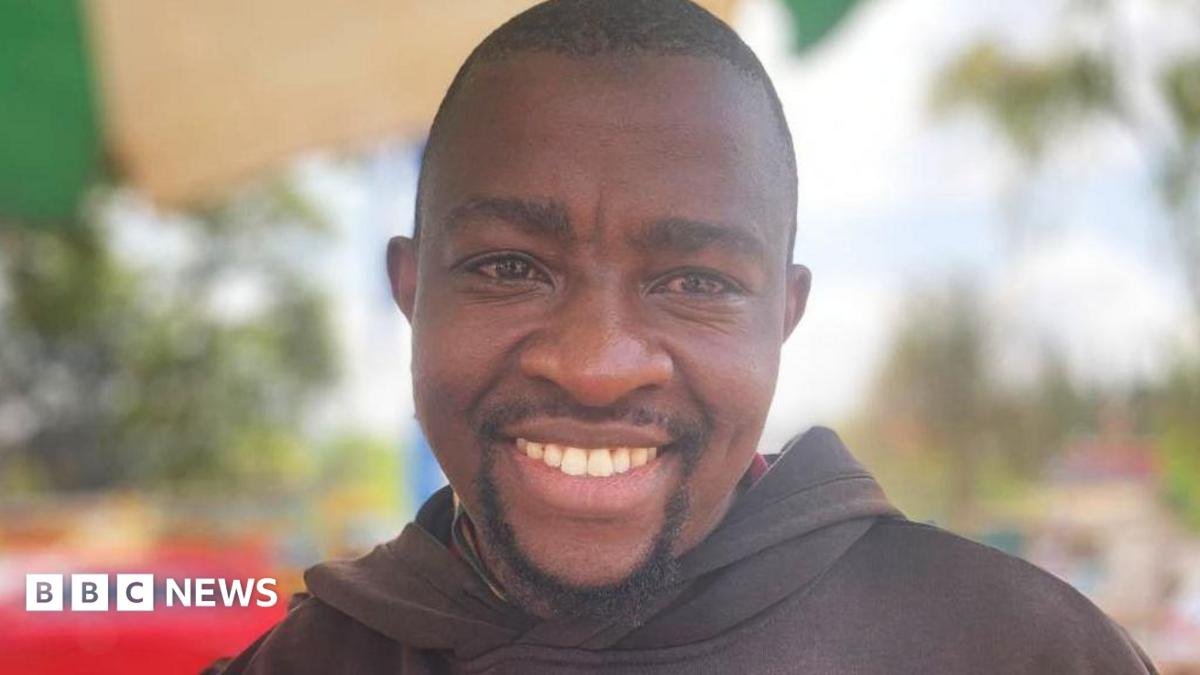
In the heart of East Africa, where family roots run as deep as the rivers that nourish our villages, Kenyan men are quietly rewriting the stories of their names. This choice to honor mothers over absent fathers echoes the respect for maternal strength that I grew up seeing in Senegal, where women often hold households together through quiet endurance. It invites us all to reflect on what truly binds us across generations and borders.
Kenyan Men Defy Tradition by Choosing Their Mothers' Names
Nairobi, Kenya — A quiet revolution in naming is reshaping how Kenyan men identify themselves...
Kenya's Quiet Revolution in Names and Belonging
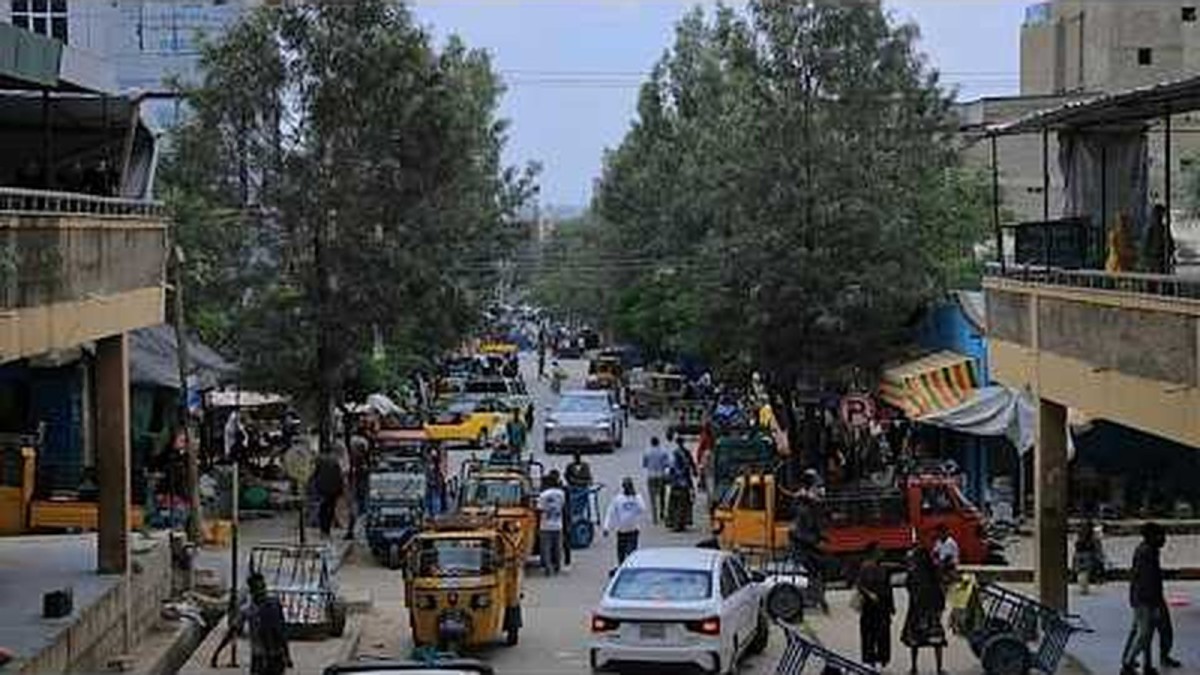
In the bustling markets of Nairobi and the quiet villages of central Kenya, a subtle but powerful shift is unfolding. More men, particularly from the Kikuyu community, are choosing to carry their mother's name as their surname. This practice challenges long-held customs and invites both admiration and mockery in equal measure. The trend speaks to deeper changes in how families are formed and how identity is claimed across Kenya today.
Traditional Naming and the Weight of Fathers
Across many Kenyan communities, children have long taken their father's first name as a surname. This custom ties lineage directly to the male line and reflects a patriarchal structure that values paternal authority. Among the Kikuyu, Kenya's largest ethnic group, this pattern has been especially strong. Yet economic pressures, migration, and single-parent households are loosening these ties. Young people are now asking what it truly means to honor family when the father is absent or uninvolved.
Among the Kikuyu, Kenya's largest ethnic group, naming customs revolve around nine clans that trace descent through the male line. Children traditionally receive their father's first name as a surname, a practice that reinforces paternal authority and links identity to the father's lineage. The maternal uncle, known as "mama" in some households, often plays a supportive role in raising children, yet his name rarely becomes the official surname. This structure reflects broader Bantu patriarchal systems that have shaped family records across central Kenya for generations.
Economic shifts are steadily altering these patterns. Men frequently leave rural areas in central Kenya for work in Nairobi or Mombasa, creating households where mothers manage daily life alone. Urban migration rates have risen sharply in recent decades, leaving many women to handle both farming and child-rearing in villages such as those around Nyeri and Murang'a. Young people in these settings increasingly question why an absent father's name should define them when the practical work of family falls to mothers and grandmothers.
Simon Macharia Wangũi's Search for Truth
Journalist Simon Macharia Wangũi made a deliberate choice to adopt his mother's name. Raised largely by his grandmother after his mother passed away in 2003 when he was twelve, he had no official surname until his final year of high school. He needed a birth certificate and decided against crediting an absent father. "Why give somebody credit where it does not exist?" he asked. His decision reflects the reality faced by many Kenyan children whose fathers play little role in their upbringing.
Political Figures Carrying Maternal Names
MP John Njũgũna Wanjikũ of Kiambaa constituency, first elected in 2021, openly uses his mother's name and answers to the nickname "Ka-Wanjikũ," meaning child of Wanjikũ. He was raised by a single mother, a background shared by several other Kenyan politicians. Their visibility in public life shows that maternal surnames no longer automatically signal weakness. Instead, they can signal resilience and a willingness to acknowledge the women who held families together.
John Njũgũna Wanjikũ's election as MP for Kiambaa constituency in 2021 brought his maternal surname into national view. His nickname "Ka-Wanjikũ," meaning child of Wanjikũ, carries symbolic weight in Kikuyu political culture, where such names signal direct ties to the women who sustained families through hardship. The name appears on campaign materials and in parliamentary records, turning a personal choice into a public statement about resilience rather than absence.
Other Kenyan politicians have followed similar paths, though they receive less attention. Their presence in elected office shows that maternal surnames no longer mark political weakness. Instead, they highlight women's central role in community stability, especially in constituencies where single mothers form a significant portion of voters. This visibility slowly shifts how parties and constituents discuss family leadership in Kenyan politics.
Musicians Turning Names into Songs of Respect
Veteran benga musician Peter Kĩgia, known as Kĩgia wa Esther, chose his mother's name for his stage identity decades ago. Now in his sixties, he registered his record company as Wa Esther Productions. "When you take your mother's name, it means you love and respect her," he explains. Younger artists such as Waithaka wa Jane and 90K Ka Msoh are following this path, using maternal names on posters across Nairobi. Their music blends traditional rhythms with modern messages about family and gratitude.
The Sting of Ridicule and Questions of Masculinity
Not everyone welcomes these choices. Broadcaster Evans Kibe Waceke notes that some Kenyans assume children raised by single mothers "lack certain morals." He observes that people often perceive such young men as undisciplined. Motivational speaker Robert Burale once argued that female surnames undermine men's masculinity, sparking intense public debate two years ago. TV personality Fred Mũitĩrĩri eventually dropped his mother's name, describing the embarrassment of being called out with what sounded like a girl's name in school. He wrote about the low self-esteem and depression that followed.
The 2024 debate sparked by motivational speaker Robert Burale drew widespread attention when he claimed that female surnames undermine men's masculinity. Broadcast across radio stations and social media platforms in Nairobi, his remarks prompted heated responses from men and women who had chosen their mothers' names. The exchange revealed how deeply naming choices touch on ideas of manhood in urban and rural communities alike.
TV personality Fred Mũitĩrĩri later described his own experience in a detailed Facebook post. He recounted the daily embarrassment of being called by what classmates treated as a girl's name, the resulting low self-esteem, and the depression that followed. He eventually dropped his mother's name to ease the pressure. Such stories illustrate the broader social expectations placed on Kenyan men to conform, even when those expectations clash with the realities of their upbringing.
Changing Family Structures Across Africa
Kenya's experience mirrors shifts happening in many African countries where urban migration, economic independence for women, and higher rates of single motherhood are reshaping households. In Senegal, where I come from, naming practices also carry deep meaning, though they often blend Wolof, French, and Islamic traditions. Across the continent, young people are weighing respect for mothers against pressure to conform to older ideas of manhood. The Kenyan stories show that these choices are rarely simple but always personal.
Kenya's shifts mirror changes across the continent, including in Senegal where Wolof naming traditions sometimes allow surnames to pass through the maternal line alongside French and Islamic influences. Urban migration and women's growing economic independence are reshaping households from Dakar to Nairobi. Women who earn independent incomes through trade or formal employment now influence family decisions more directly, including how children are named and raised.
These economic changes create space for new conversations about respect and identity. Young men in both East and West Africa weigh the daily contributions of mothers against older expectations of paternal lineage. The Kenyan examples demonstrate that such choices remain deeply personal while reflecting wider continental movements toward recognizing women's labor in family and community life.
A Continent Watching and Learning
What stands out is the courage of men who refuse to hide the women who raised them. Their decisions challenge rigid ideas of masculinity while honoring the daily labor of mothers and grandmothers. As Kenya continues this conversation, other African nations are likely to follow with their own versions of the same debate. The names we carry tell stories of love, absence, and survival. In choosing their mothers' names, these Kenyan men are writing new chapters in those stories.
By Amara Diop, Staff WriterThis article was produced with AI-assisted research and editorial support. Reporting is based on sources cited in the article.
What's Your Reaction?
 Like
0
Like
0
 Dislike
0
Dislike
0
 Love
0
Love
0
 Funny
0
Funny
0
 Wow
0
Wow
0
 Sad
0
Sad
0
 Angry
0
Angry
0

West Africa/Sahel Correspondent at Global1.News. Dakar-based journalist covering politics, security, climate, and development across Francophone and Anglophone West Africa. Tells the stories of a region undergoing profound transformation.










Comments (0)