
Thailand Removes Red-Whiskered Bulbul from Protected List to Boost Breeding
In the gentle dawn light of southern Thailand, where the melodic calls of the red-whiskered bulbul have long graced village courtyards and temple grounds, a quiet yet profound policy shift is taking root this week. This decision honors deep-rooted cultural traditions while opening pathways for families to sustain their livelihoods through responsible breeding. It reflects Thailand’s thoughtful balance between heritage, community well-being, and the enduring care of nature.
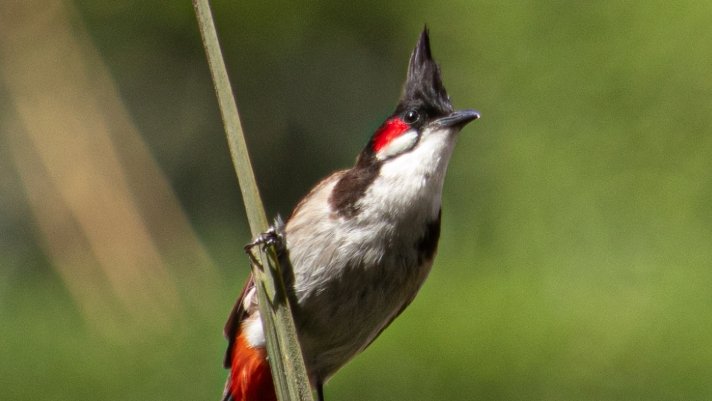
Thailand Removes Red-Whiskered Bulbul from Protected List to Boost Breeding
Bangkok, Thailand — Article continues...
The Cabinet's Decision and Its Immediate Implications
The Thai Cabinet approved the principle of a draft ministerial regulation this week to remove the red-whiskered bulbul from the protected wildlife list. This decision, proposed by the Ministry of Natural Resources and Environment, directly affects item No. 576 on the list of protected non-aquatic wildlife species.
The change opens the door for expanded breeding operations across Thailand, particularly in southern provinces where the bird holds cultural value. Breeders in these areas will no longer need permits for every transaction, allowing faster growth in captive populations.
Deputy Spokesperson Lalida Prertwiwatana's Announcement
Deputy Government Spokesperson Lalida Prertwiwatana confirmed the Cabinet approval on Tuesday during a briefing in Bangkok. She stated that the regulation aims to support breeding and turn the red-whiskered bulbul into an economic animal for local income generation.
Lalida emphasized that current permit requirements have restricted wider breeding efforts. Removing these barriers will help increase captive numbers and reduce pressure on wild birds, according to her statement from the government.
Current Protections Under Item No. 576
The red-whiskered bulbul, known locally as Nok Krong Hua Juk, remains listed as a protected bird under item No. 576 until the new regulation takes effect. Owners, breeders, and traders must currently secure official permits from the Department of National Parks, Wildlife and Plant Conservation.
These rules have limited commercial expansion in Bangkok and southern Thailand. The Wildlife Conservation and Protection Committee reviewed the status before recommending removal, with monitoring duties assigned to the same department.
Support for Traditional Bird Keeping in Southern Thailand
Bird keeping and singing competitions form part of community culture in southern Thailand. The Cabinet decision recognizes these local traditions by easing rules that previously hindered participation in such activities.
Communities in the south can now propagate the species more freely, strengthening cultural practices passed down through generations. This step aligns with efforts to preserve community economies tied to bird-related events in the region.
In the gentle mornings of southern Thailand, the soft melodies of the Nok Krong Hua Juk have long woven themselves into the fabric of village life, carrying echoes of generations past. Families in provinces like Songkhla and Pattani have nurtured these songbirds as living links to ancestral wisdom, where the careful raising of each bird reflects a deep respect for nature’s rhythms and the quiet pride of rural households. This tradition is not merely a hobby but a cherished expression of cultural identity that binds communities together across the lush landscapes of the south.
Bird singing competitions, held under the shade of ancient trees or in lively temple grounds, bring neighbors together in joyful celebration. These gatherings highlight the skill and patience of breeders while fostering a sense of shared heritage, where the sweetest song becomes a source of communal pride rather than individual glory. Such events strengthen social bonds and keep alive the graceful art of listening to nature’s voice.
Rooted in Buddhist values of compassion and harmony, the care of these songbirds mirrors the Thai understanding that all living beings deserve gentle stewardship. Practitioners often see their role as one of mindful guardianship, aligning the daily routines of feeding and training with teachings of kindness toward the natural world. This spiritual dimension adds a layer of warmth and reverence to what might otherwise seem a simple pastime.
The Public Consultation Process
The Ministry of Natural Resources and Environment held a public consultation on the draft regulation from February 11 to 25 this year. Most respondents expressed support for the proposal during that period.
Relevant agencies raised no objections, viewing the change as a method to create economic value for breeders. The feedback process confirmed broad acceptance among stakeholders in Bangkok and beyond.
Conservation Concerns and Built-in Safeguards
The Wildlife Conservation and Protection Committee instructed the Department of National Parks, Wildlife and Plant Conservation to monitor wild populations closely after the removal. If numbers decline or survival risks appear, authorities will consider restoring protected status.
This safeguard ensures that economic use does not harm Thailand's natural heritage. The government will promote responsible breeding while tracking ecological impacts to prevent illegal capture from the wild.
Thailand has steadily built a reputation for thoughtful wildlife stewardship, balancing the needs of its people with the protection of its rich biodiversity. From the misty mountains of the north to the coastal wetlands of the south, conservation efforts reflect a national commitment to preserving the delicate threads that connect forests, rivers, and communities. This track record offers reassurance that cultural practices can coexist with ecological responsibility.
The Department of National Parks, Wildlife and Plant Conservation plays a nurturing role in guiding these traditions, offering clear pathways for responsible bird keeping while monitoring populations in the wild. Their work ensures that the joy of songbird competitions does not come at the expense of natural habitats, creating a framework where breeders and officials work side by side with mutual respect.
Ecological balance remains at the heart of these discussions, reminding us that every songbird contributes to the intricate web of southern Thailand’s ecosystems. By encouraging sustainable practices, the nation honors both its living heritage and the forests that have sheltered these birds for centuries, fostering a future where tradition and nature continue to sing in harmony.
Economic Implications for Breeders
Breeders across Thailand stand to gain from reduced regulatory hurdles, allowing them to scale operations and sell red-whiskered bulbuls without repeated permit applications. The move targets income generation for families involved in the industry.
In southern Thailand, this development supports local livelihoods by turning a cultural practice into a sustainable economic activity. Captive breeding can meet demand without drawing from wild stocks, creating stable revenue streams for participants.
The bird breeding industry in Thailand has grown into a quiet yet meaningful source of livelihood, particularly in the southern provinces where families have turned their love for songbirds into modest but steady income. Small-scale operations often thrive alongside rice fields and rubber plantations, providing an additional layer of economic resilience for rural households that value both tradition and self-sufficiency.
Permit requirements, while necessary for conservation, can sometimes place gentle pressure on smaller breeders who lack the resources of larger operations. These families, deeply rooted in their communities, may find the administrative steps challenging, yet many view them as opportunities to demonstrate their commitment to responsible care. Supportive policies that ease access for rural practitioners help preserve this vital economic thread.
For many households in southern Thailand, the income from well-cared-for songbirds supports education, healthcare, and daily needs, strengthening family bonds and local economies alike. This blend of cultural passion and practical benefit illustrates how tradition can continue to nourish both hearts and homes when approached with understanding and care.
Thailand's Balance Between Tradition, Economy, and Conservation
The Cabinet action reflects Thailand's ongoing effort to balance cultural traditions, economic growth, and wildlife protection. By delisting the red-whiskered bulbul, officials address community needs in southern Thailand while maintaining oversight through the Department of National Parks, Wildlife and Plant Conservation.
This approach matters for Thai readers because it shows how government policy can support rural economies without sacrificing long-term conservation goals. The emphasis on monitoring ensures that future generations in Bangkok and southern provinces can continue both breeding activities and appreciation of wild bird populations.
Overall, the regulation promotes responsible practices that respect local customs while fostering new opportunities for breeders nationwide. The Ministry of Natural Resources and Environment will continue to guide implementation to achieve these outcomes.
Thailand’s broader approach to wildlife management reflects a warm embrace of its cultural roots alongside a forward-looking respect for nature. Policymakers strive to create spaces where age-old practices like songbird keeping can flourish without disrupting the delicate balance of ecosystems, drawing on the wisdom of local communities to shape practical solutions.
Other species, such as certain ornamental fish and temple elephants, share this dual status of cultural significance and conservation priority. These examples show how Thailand has long navigated similar paths, allowing traditions to evolve gently while safeguarding the natural heritage that future generations will inherit with pride.
Looking ahead, future policies hold the promise of even deeper collaboration between breeders, conservationists, and government bodies. By honoring the melodies of the past while protecting the forests of tomorrow, Thailand continues to craft a story of harmony—one in which tradition, livelihood, and ecological care sing together in lasting balance.
By Ann Srisawat, Staff WriterThis article was produced with AI-assisted research and editorial support. Reporting is based on sources cited in the article.
What's Your Reaction?
 Like
0
Like
0
 Dislike
0
Dislike
0
 Love
0
Love
0
 Funny
0
Funny
0
 Wow
0
Wow
0
 Sad
0
Sad
0
 Angry
0
Angry
0

Southeast Asia Correspondent at Global1.News. Based in Bangkok, covering Thai and Southeast Asian politics, economy, technology, and culture. Deep regional perspective on one of the world's most dynamic regions.















Comments (0)