
Gulf of Paria Widens as Trinidad Pours Oil on Troubled Venezuelan Waters
Venezuela has formally demanded compensation from Trinidad and Tobago over the May 1 oil spill in the Gulf of Paria, alleging environmental damage across more than 1,600 square kilometres of shared waters. The move has sharpened diplomatic friction between the two neighbours whose communities depend on the same marine resources for fishing and energy work. Both sides now stand firm on their accounts of the incident, leaving the future of cooperation in these waters uncertain.
Venezuela has formally demanded compensation from Trinidad and Tobago over the May 1 oil spill in the Gulf of Paria, alleging environmental damage across more than 1,600 square kilometres of shared waters. The move has sharpened diplomatic friction between the two neighbours whose communities depend on the same marine resources for fishing and energy work. Both sides now stand firm on their accounts of the incident, leaving the future of cooperation in these waters uncertain.
Gulf of Paria Widens as Trinidad Pours Oil on Troubled Venezuelan Waters
Trinidad and Tobago — The dispute over the May 1 oil spill continues to escalate as both sides hold their ground, with Venezuela pressing claims for compensation while Trinidad and Tobago maintains the release was minor and contained.
The Shared Waters at the Heart of the Dispute
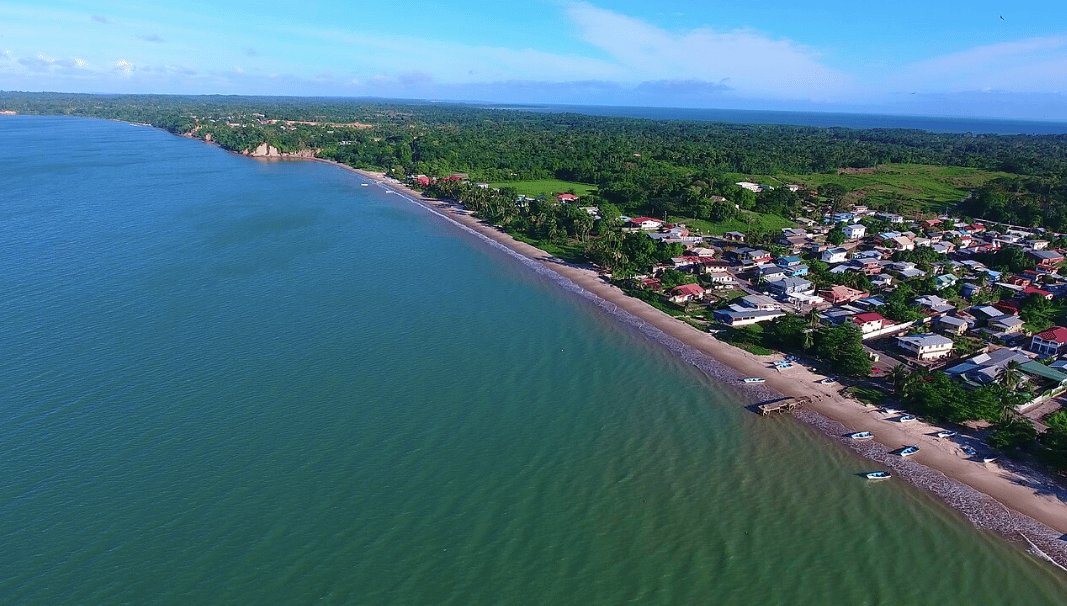
The Gulf of Paria has long served as a vital link between Trinidad and Tobago and Venezuela, supporting fishing communities on both sides and hosting significant oil and gas activity. This brackish body of water features extensive mangroves that act as natural buffers against coastal erosion and storms, yet these same ecosystems now face fresh pressure from the latest disagreement over an oil spill. Trinidad and Tobago's Energy Minister Dr. Roodal Moonilal has described the May 1 incident as a minor event involving an estimated 10 barrels that were quickly contained, while Venezuelan authorities maintain the spill originated in Trinidadian waters and poses wider risks.
The Gulf of Paria sits just 11km off Venezuela's coast, forming a vital shared basin that links the two nations through its calm waters and rich coastal zones. This geography places Trinidad and Tobago and Venezuela in close proximity, with currents and tides that naturally carry resources and challenges between both shores. For generations, these waters have supported daily life on either side, making any incident here feel deeply personal to communities who rely on the sea.
Mangrove ecosystems along the Gulf provide essential protection and breeding grounds for fish and other marine life that sustain livelihoods in both countries. These tangled roots act as natural filters and buffers, helping to stabilise shorelines against erosion while nurturing the biodiversity that fishing families depend upon. Their health matters equally to Trinidadian and Venezuelan coastal dwellers, as damage in one area can quickly affect the shared marine environment.
Trinidadians and Venezuelans have long shared these waters through fishing, small-scale trade and cultural exchanges that predate modern borders. Families on both sides have passed down knowledge of the Gulf's rhythms, creating bonds that go beyond official agreements. Yet this same body of water has also seen periods of tension alongside cooperation, reminding everyone that careful stewardship remains necessary to keep relations steady.
Venezuela's Formal Demands and Allegations
Venezuela's Foreign Minister Yvan Gil held a press conference to demand information and compensation from Trinidad and Tobago, citing potential environmental damage across 1,625 square kilometres in twelve strategic areas that include the states of Sucre and Delta Amacuro. Caracas further alleges a second, larger spill originating from Trinidad and Tobago later in May 2026. These claims arrive amid already heightened regional tensions, with officials in Caracas framing the matter as a threat to shared marine resources that sustain livelihoods in fishing villages and support energy projects on both coasts.
Foreign Minister Yvan Gil laid out Venezuela's position during a recent press conference, calling for greater transparency and accountability over activities in the Gulf. His statements highlighted concerns about possible impacts on Venezuelan territory and demanded clearer information from Trinidad and Tobago. These demands reflect ongoing worries about how incidents in the shared waters could affect communities on the Venezuelan side.
The 1,625 square kilometre figure covers twelve strategic areas that Venezuela views as critical to its interests in the Gulf. Within these zones lie important fishing grounds and potential energy resources, making the stakes high for both nations. Any dispute over these areas touches on questions of access and responsibility that have lingered for years.
Venezuela has also raised a second spill allegation tied to June 2026, claiming satellite imagery showed a larger release than initially reported. This claim adds another layer to the disagreement and comes against a backdrop of strained relations marked by migration flows across the border. Both countries continue to navigate these pressures while seeking to manage the immediate environmental concerns.
Trinidad and Tobago's Position and Containment Efforts
Port of Spain has strongly disputed the scale of the incident, insisting that the May 1 spill remained limited and was addressed promptly. Dr. Roodal Moonilal emphasised that the volume involved was small and posed no lasting threat to the wider Gulf. Trinidadian authorities continue to reject suggestions of a second spill, maintaining that all reported releases were managed within national waters and did not cross into Venezuelan territory. This stance reflects the country's long-standing role as a major energy producer in the Caribbean, where careful management of offshore operations remains central to economic stability and employment in coastal communities.
Energy Minister Dr. Roodal Moonilal has emphasised Trinidad and Tobago's commitment to swift containment and open communication with neighbours. His position stresses that the country takes any spill seriously and works to limit effects on the shared Gulf environment. This approach reflects the government's awareness that energy operations must balance economic needs with regional responsibilities.
Trinidad's energy sector stands as the largest LNG exporter in the Caribbean, supporting jobs and national revenue that benefit communities across the islands. A 10-barrel spill, while requiring attention, represents a very small volume by industry standards and was addressed through established response protocols. Officials maintain that operations remain under control and that lessons from past incidents guide current practices.
Trinidad and Tobago has disputed the second spill claim, stating there is no evidence of a larger release beyond the initial report. This stance highlights differences in how each side interprets available data and underscores the need for joint verification methods. Maintaining dialogue remains essential to prevent misunderstandings from affecting the close ties that energy cooperation has built over time.
Ecological Sensitivity and Climate Pressures on Small Island States
The Gulf of Paria supports rich biodiversity, including mangrove forests that protect shorelines from rising sea levels and increasingly intense weather patterns linked to climate change. Communities in Trinidad and Tobago, like those in Venezuela's coastal states, rely on these waters for fishing and related trades that help offset the rising cost of living across the region. Any prolonged dispute risks delaying joint environmental monitoring that could otherwise strengthen resilience against hurricanes and flooding, issues that already challenge small island developing states. Historical cooperation through CARICOM has previously helped coordinate responses to such shared threats, yet the current disagreement may slow progress on renewable energy transitions and mangrove restoration projects that benefit both nations.
Energy Cooperation and Regional Economic Ties
Oil and gas production in the Gulf remains a cornerstone for Trinidad and Tobago's economy, with facilities such as Atlantic LNG playing a key role in exports and local jobs. Venezuela's demands for compensation arrive at a moment when bilateral energy discussions could influence future investment and joint ventures. The dispute also touches on broader CARICOM dynamics, where stable relations with Venezuela affect trade routes, migration patterns, and support for diaspora communities in the United States, Canada, and the United Kingdom. Fishing families on Trinidad's south coast, already navigating inflation and fluctuating fuel prices, watch closely as the disagreement unfolds, aware that prolonged uncertainty could affect market access and equipment imports.
Trinidad's energy sector accounts for roughly 30% of GDP, providing the foundation for public services and household stability across the country. Facilities such as Atlantic LNG in Point Fortin play a central role, supplying both domestic needs and export markets that strengthen the wider Caribbean economy. Any disruption here ripples through communities that depend on steady energy production.
Venezuela holds the world's largest proven oil reserves, yet its production has faced significant decline in recent years. Prior joint projects, including work on the Dragon Gas field, had been moving forward and offered a model for shared benefit before the current dispute arose. These efforts showed how cooperation could unlock resources while respecting each nation's interests.
CARICOM implications remain important, as escalation could affect regional energy security and the supply chains that smaller islands rely upon. Neighbouring countries watch developments closely, knowing that stable relations between Trinidad and Tobago and Venezuela support broader economic confidence. Continued dialogue offers the best path to preserving these valuable ties.
The current disagreement carries wider weight for Caribbean energy security, as any chill in Trinidad and Tobago–Venezuela ties could ripple outward to affect smaller islands that depend on steady fuel supplies and open sea lanes. CARICOM partners have long valued the steady hand both nations bring to regional forums, and a drawn-out compensation row risks distracting attention from collective work on climate adaptation and trade facilitation that benefits the entire bloc. Fishing communities on both sides of the Gulf already feel the strain of uncertainty, and prolonged friction could quietly erode the trust built through years of practical cooperation on shared resources.
Regional observers note that the Gulf of Paria has always been more than a boundary; it functions as a living connection where environmental health, energy output and family livelihoods intersect daily. When incidents like the May 1 spill become diplomatic flashpoints, the cost is measured not only in barrels or square kilometres but in delayed joint monitoring and slower progress on mangrove protection that every coastal village needs. Keeping channels open therefore serves the wider Caribbean interest in stable, neighbourly relations that allow communities to plan for storms, markets and the next generation of work on these waters.
Looking Ahead for Community Resilience and Dialogue
Residents along both coastlines understand that the Gulf of Paria connects more than maps; it links daily realities of work, family, and cultural exchange. While Trinidad and Tobago maintains its account of a contained incident, Venezuela's call for international attention highlights the need for transparent data sharing on marine incidents. Past experiences with energy projects in the region show that open communication between neighbours can prevent small events from growing into larger diplomatic challenges. As hurricane season approaches and communities prepare for potential storms, renewed focus on joint monitoring could help safeguard the mangroves and fisheries that sustain so many households. The coming months will test whether dialogue can restore the practical cooperation that has long defined relations across these waters.
By Sharon Sahatoo, Staff WriterThis article was produced with AI-assisted research and editorial support. Reporting is based on sources cited in the article.
What's Your Reaction?
 Like
0
Like
0
 Dislike
0
Dislike
0
 Love
0
Love
0
 Funny
0
Funny
0
 Wow
0
Wow
0
 Sad
0
Sad
0
 Angry
0
Angry
0

Caribbean Correspondent at Global1.News. Based in Port of Spain, Trinidad, covering Caribbean politics, economy, energy, climate, and culture. Amplifying the voices and stories of the Caribbean region.









Comments (0)