
RFK Jr Pauses $1 Billion in Medicaid Funding to California and Minnesota
In a significant enforcement action, HHS Secretary Robert F. Kennedy Jr. and CMS Administrator Dr. Mehmet Oz announced pauses on Medicaid payments to California and Minnesota totaling more than $1 billion. The moves affect an estimated 1.3 million beneficiaries in Minnesota and raise questions about payment timing for providers in both states. Officials described the pauses as responses to AI-flagged spending anomalies rather than routine audits. Washington D.C.
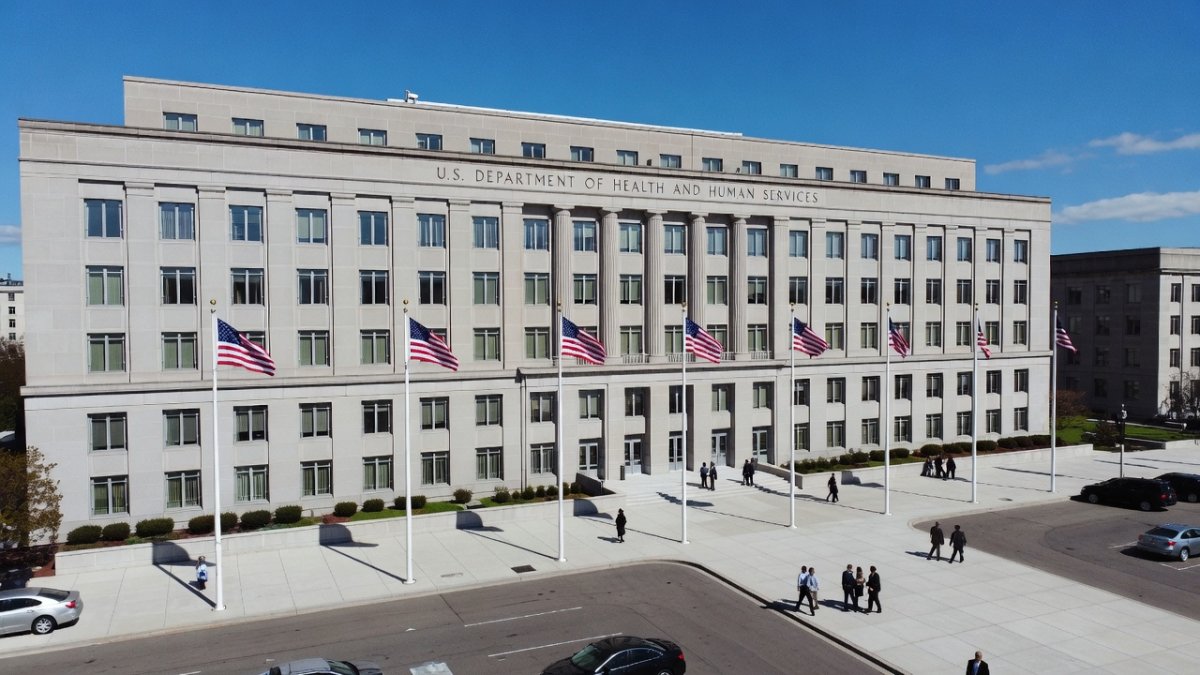
In a significant enforcement action, HHS Secretary Robert F. Kennedy Jr. and CMS Administrator Dr. Mehmet Oz announced pauses on Medicaid payments to California and Minnesota totaling more than $1 billion. The moves affect an estimated 1.3 million beneficiaries in Minnesota and raise questions about payment timing for providers in both states. Officials described the pauses as responses to AI-flagged spending anomalies rather than routine audits.
Washington D.C. — On Tuesday, HHS Secretary Robert F. Kennedy Jr. and CMS Administrator Dr. Mehmet Oz announced the pause of $867.5 million in Medicaid payments to California and $199 million to Minnesota. Combined with an earlier $243 million freeze in Minnesota, the total exceeds $1.06 billion. Both states now face decisions about covering shortfalls from state funds or accepting potential delays in provider payments.
The Announcement: RFK Jr. Draws the Line
RFK Jr. stated that states receiving federal Medicaid funding must demonstrate compliance with federal requirements before funds are released. The administration cited AI-driven reviews that identified spending anomalies in certain states. Officials maintain the action targets waste and improper payments. The timing coincides with preparations for the 2026 midterms, prompting debate over whether enforcement is applied uniformly. Federal Medicaid matching funds have historically included compliance conditions, though the scale of recent withholdings represents an escalation in oversight practices.
RFK Jr.’s transition to HHS Secretary has involved pledges of stricter program integrity. Past administrations have also conducted eligibility and spending reviews, including during the Obama era when additional COVID-related funds were distributed and during 2017 debates over subsidy structures. AI tools introduce new methods for identifying anomalies, yet questions remain about data completeness and consistent application across states with varying per-enrollee costs.
California Under the Microscope
California faces the largest pause at $867.5 million. State in-home care programs drew scrutiny after spending growth exceeded national averages. With more than 14 million Medicaid enrollees, any payment delays could affect nursing homes, home health providers, and rural clinics. Medicaid has functioned as a federal-state partnership since 1965, with federal matching rates ranging from 50 to 90 percent depending on state income levels. California’s rate is near 50 percent, meaning the state could cover a substantial share if federal funds remain paused.
California’s In-Home Supportive Services and Medi-Cal managed care plans recorded an 18 percent year-over-year spending increase to $12.4 billion, compared with a national long-term care average of 7.2 percent. AI comparisons referenced growth rates in states such as Texas and Florida at around 5 percent. If compliance documentation is not submitted within the 30-day window, the state may draw from its $23 billion rainy-day fund. Demographic factors, including an aging population, contribute to spending pressures in long-term care programs.
Minnesota’s $259 Million Freeze Threatens 1.3 Million
Minnesota confronts a combined $259 million freeze from the new pause and the prior $243 million action. The amount affects services for 1.3 million beneficiaries. State officials have warned of possible delays in provider reimbursements and the need for emergency draws from reserves. Earlier pauses in Minnesota centered on eligibility verification issues. Rural hospitals and personal care providers have expressed concern about cash-flow impacts.
The freeze equals roughly 1.8 percent of Minnesota’s $14.2 billion Medicaid budget yet could affect 47 critical-access hospitals operating on narrow margins and potentially lead to reduced hours or closures at some nursing homes. Personal care attendant hours in Greater Minnesota could face reductions of up to 20 percent. Similar audit approaches in other states could produce comparable effects on provider networks.
Political Context: Targeting Blue States in 2026
The pauses have focused on states led by Democratic governors. Administration statements emphasize fraud detection as a nationwide priority, yet the initial actions have involved California and Minnesota. Historical examples show federal funding disputes occurring under multiple administrations, including block-grant debates in the 1980s and expansion-related negotiations after 2010. AI-based reviews add a data-driven element, though uniform application across states with differing program structures remains a point of discussion ahead of the 2026 elections.
What’s Next for States and Beneficiaries
Both states have 30 days to submit compliance reports. California may consider its rainy-day fund or other financing tools. Minnesota could delay some reimbursements while awaiting resolution. CMS has indicated expedited reviews for states demonstrating corrective steps. Legal challenges from state attorneys general are anticipated, citing administrative procedure requirements. Precedents such as the 2012 NFIB v. Sebelius decision limit the federal government’s ability to coerce states through funding conditions. Outcomes could influence Medicaid administration in additional states.
Longer-term effects may include shifts toward block-grant models or changes in state-federal cooperation established under the 1965 Medicaid framework. Swing states with Medicaid expansion populations could see electoral implications if similar pauses occur more broadly.
Emergency Programs and Alternative Funding
States may seek 1115 waivers to address immediate flexibility needs or access existing federal relief funds, though approval patterns vary by administration. Congressional action through supplemental appropriations remains possible but faces partisan divisions. Beneficiaries can contact state Medicaid agencies for status updates, explore managed care options with reserve capacity, or seek services through community health centers while resolutions develop.
Analysis: RFK Jr.’s Role and the Bigger Game
RFK Jr. has emphasized program integrity and waste reduction in his role as HHS Secretary. Fraud detection serves a legitimate function in safeguarding taxpayer resources, yet the concentration of initial actions in specific states raises questions about selection criteria and consistency. Medicaid’s matching-fund structure was designed for ongoing partnership rather than abrupt pauses. When AI systems flag anomalies, transparency in methodology helps maintain trust. The primary impact falls on providers and beneficiaries who depend on timely payments. Future oversight will determine whether enforcement remains focused on documented noncompliance or expands into broader funding disputes.
What You Can Do
Beneficiaries in affected states can contact their state Medicaid agency to verify coverage status and learn about any interim payment arrangements. Community health centers and state-funded emergency programs may offer temporary support options. Individuals can also monitor official state communications for updates on compliance timelines.
Residents may reach out to their members of Congress to express interest in clear, consistent standards for Medicaid oversight. Public input can contribute to discussions about balancing program integrity with reliable access to services.
By Jessica Ali, Staff Writer
This article was produced with AI-assisted research and editorial support. Reporting is based on sources cited in the article.
What's Your Reaction?
 Like
0
Like
0
 Dislike
0
Dislike
0
 Love
0
Love
0
 Funny
0
Funny
0
 Wow
0
Wow
0
 Sad
0
Sad
0
 Angry
0
Angry
0

Editor-in-Chief at Global1.News. Atlanta-based journalist who cuts through the BS and tells it like it is. Lead anchor, host, and the voice you hear when the spin stops and the truth starts.















Comments (0)