
Burnham Unveils £850 Million Energy Tax Cut for Households
Prime Minister Andy Burnham has unveiled an £850 million energy tax cut to deliver average household savings of £45 from October, positioning his new government as focused on the cost of living. The announcement has immediately triggered funding disputes with former Starmer allies and renewed speculation about an early general election, as internal Labour tensions surface following the leadership transition. Burnham Unveils £850 Million Energy Tax Cut for Households London, U
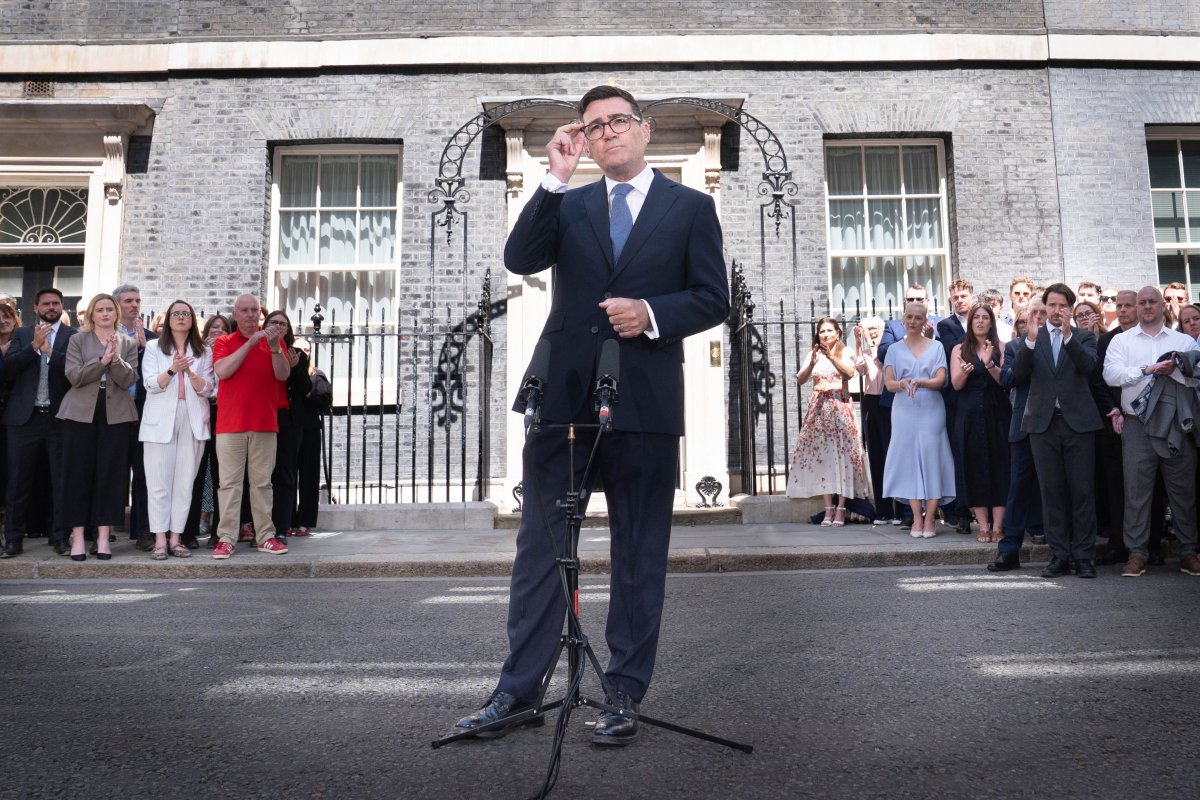
Prime Minister Andy Burnham has unveiled an £850 million energy tax cut to deliver average household savings of £45 from October, positioning his new government as focused on the cost of living. The announcement has immediately triggered funding disputes with former Starmer allies and renewed speculation about an early general election, as internal Labour tensions surface following the leadership transition.
Burnham Unveils £850 Million Energy Tax Cut for Households
London, UK — Article continues...
Burnham Moves to Ease Household Bills with £850 Million Energy Tax Cut
Prime Minister Andy Burnham has faced immediate scrutiny over the funding of his first major policy announcement, an £850 million reduction in electricity bills designed to address the cost of living crisis. The measure, which Mr Burnham presented to his initial cabinet meeting, is expected to deliver average household savings of around £45 and is due to take effect on 1 October. In his opening remarks to ministers, the new prime minister declared his intention to lead a cost of living government, signalling that support for families facing high energy costs would define the early direction of his administration.
Criticism from Former Starmer Allies Over Funding Arrangements
The announcement has already triggered a public dispute with figures aligned to the previous prime minister, Sir Keir Starmer. Darren Jones, dismissed by Mr Burnham as chancellor of the Duchy of Lancaster, stated that the digital ID scheme earmarked to finance the cut had been unfunded. Mr Jones insisted that the government must explain its financing strategy at the forthcoming Budget. The exchange prompted Mr Burnham to pledge that every new measure would be accompanied by a clear account of how it would be paid for, including any reprioritisation of existing resources.
The abrupt transition from Sir Keir Starmer to Andy Burnham has exposed deep factional rifts within Labour, with the new prime minister moving swiftly to sideline prominent loyalists from the previous administration. Darren Jones was among the first casualties, alongside the replacement of Rachel Reeves as chancellor by John Healey. These changes reflect Burnham's determination to stamp his authority on the government machine, prioritising allies who share his more interventionist instincts over those steeped in Starmer's cautious, managerial approach. The gathering of displaced figures at a north London pub, where discussion reportedly included dissatisfaction with the chancellor replacement, underscores the personal and ideological resentments now simmering beneath the surface.
Burnham's governing style appears calculated to minimise internal opposition by removing potential centres of resistance early, yet this risks entrenching a divided parliamentary party. Starmer-era ministers had cultivated networks across the back benches and trade unions, and their marginalisation could complicate efforts to pass contentious legislation. The episode also highlights broader tensions between the party's centrist wing, which dominated under Starmer, and Burnham's preference for bolder fiscal signalling.

Chancellor Healey Highlights Winter Relief While Ofgem Forecasts Remain Volatile
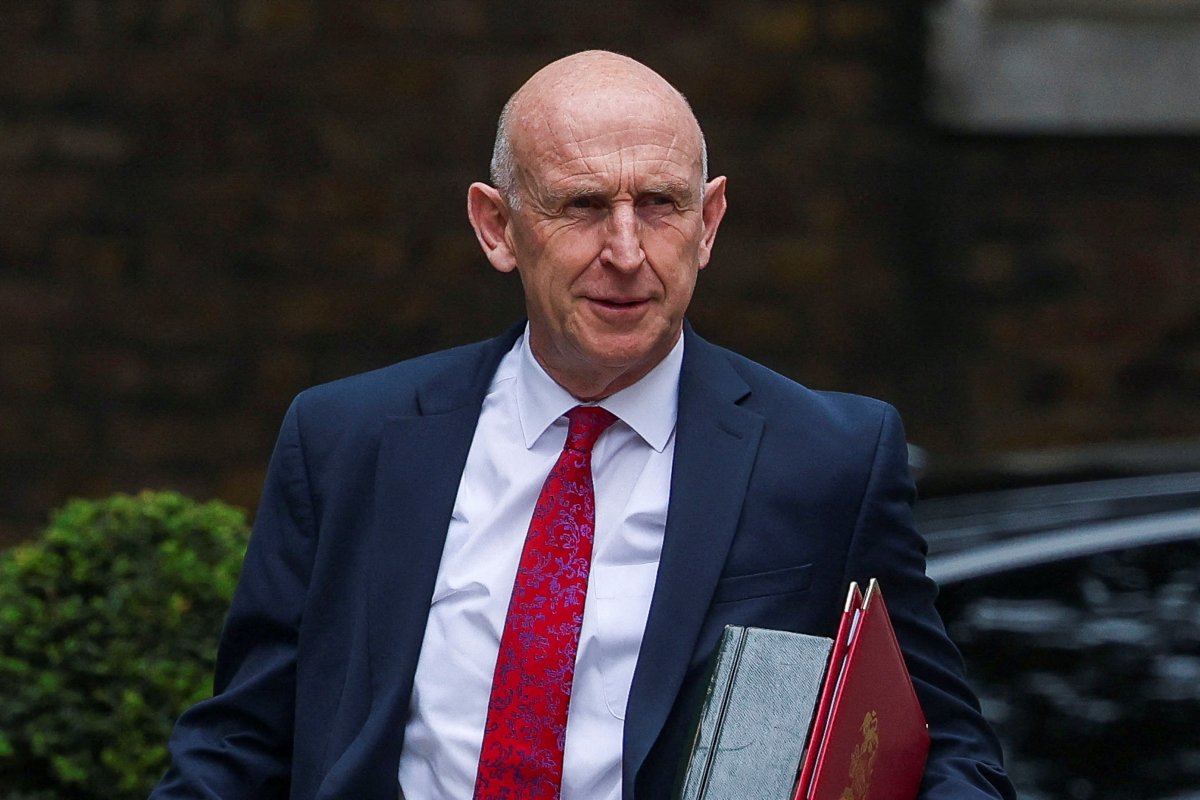
Newly appointed chancellor John Healey described the energy tax cut as providing families with "breathing room" on bills and reassurance ahead of winter. The Ofgem price cap for a typical household currently stands at £1,849, although renewed military action in the US-Iran conflict could drive prices higher. Mr Burnham instructed cabinet colleagues to examine every available option for assisting households under financial pressure, framing the energy measure as the first step in a wider programme of support.
Wealth Tax Proposals Gain Attention Amid Speculation Over Revenue Raising
Attention has quickly turned to how Mr Burnham intends to fund further spending commitments. Reports suggest consideration of a new wealth tax, an approach broadly backed by first secretary of state Louise Haigh. Research by Professor Gabriel Zucman of the Paris School of Economics and Ben Tippet of King's College London indicates that a 2 per cent levy on households holding assets above £100 million could generate £10 billion annually while affecting fewer than 1,000 of the wealthiest families. The proposed framework would require HMRC to assess total wealth, encompassing property, private businesses, pension holdings, art, land and charitable assets to limit avoidance opportunities. A separate suggestion involves lifting the top rate of income tax from 45p to 50p. Mr Burnham has declined to rule out such measures.
Implementing a wealth tax would present HMRC with formidable administrative challenges, requiring officials to value complex and often illiquid assets such as private businesses, art collections and pension pots on an annual basis. The Zucman-Tippet report recommends that charitable holdings and certain land be included to curb avoidance, demanding new valuation protocols and potentially independent audits. Comparisons with existing wealth taxes abroad offer cautionary lessons: France abandoned its version in 2018 after widespread capital flight and administrative disputes, while Spain and Norway maintain narrower levies with higher thresholds and exemptions. Political obstacles in Britain remain substantial, with business groups and wealthy donors warning of reduced investment and moderate Labour MPs fearing the measure could alienate swing voters.
Early Election Speculation Grows as Opposition Parties Prepare
The rapid announcement of the energy tax cut has fuelled discussion among Labour MPs about the possibility of an early general election, potentially as soon as October. One backbench MP noted that preparing for such a contest would be prudent even if ultimately rejected, given the prospect of favourable polling after the summer recess and the current disarray within Reform and the continuing difficulties facing the Conservatives. Veteran former minister Lord George Foulkes observed that an early election holds "temptation" for Mr Burnham. The Conservatives have already selected candidates in anticipation, while Reform has publicly demanded an immediate vote.
The electoral arithmetic favours an early contest for Mr Burnham, who could capitalise on a post-summer polling honeymoon before economic headwinds intensify. Current surveys indicate Labour holding a double-digit lead, while the Conservatives remain mired in leadership speculation and Reform UK struggles with internal divisions that threaten to split the right-wing vote further. The energy tax cut, delivering average household savings of £45, is clearly designed to bolster public support ahead of such a vote. Lord George Foulkes's remarks reflect a widespread view among Labour strategists that the window for a favourable result may narrow once winter bills and Budget decisions dominate the agenda.
Westminster Context and the Challenge of Demonstrating Fiscal Credibility
Mr Burnham's emphasis on transparency over funding reflects the political realities of governing from Westminster, where every spending decision is scrutinised against the record of previous Labour and Conservative administrations. The replacement of Rachel Reeves with John Healey marks a significant shift in economic leadership, while the involvement of devolved administrations and local councils in delivering cost of living support will test coordination across the United Kingdom. As the government prepares to set out further details in the coming days, the prime minister's repeated commitment to showing how each policy will be paid for will be tested against the expectations of both his own party and the wider electorate.
By Erica Thornton, Staff WriterThis article was produced with AI-assisted research and editorial support. Reporting is based on sources cited in the article.
What's Your Reaction?
 Like
0
Like
0
 Dislike
0
Dislike
0
 Love
0
Love
0
 Funny
0
Funny
0
 Wow
0
Wow
0
 Sad
0
Sad
0
 Angry
0
Angry
0

US Politics and Policy Correspondent at Global1.News. Based in Washington DC, covering American politics, policy, elections, and the courts. Knows how the system works and tells you what it actually means.














Comments (0)