
Jamaica Faces Fresh Power Crisis as Islandwide Blackout Compounds Hurricane Melissa Recovery
Jamaica Faces Fresh Power Crisis as Islandwide Blackout Compounds Hurricane Melissa Recovery Blackout Brings Daily Life to a Standstill Jamaica suffered an islandwide electrical blackout on Friday that knocked out power to all 700,000 customers for more than two hours. The sudden loss of electricity left homes in darkness, businesses unable to operate, and hospitals relying on
Blackout Brings Daily Life to a Standstill
Jamaica suffered an islandwide electrical blackout on Friday that knocked out power to all 700,000 customers for more than two hours. The sudden loss of electricity left homes in darkness, businesses unable to operate, and hospitals relying on backup generators across the island. Residents in Kingston, Montego Bay and rural parishes alike described the frustration of fridges losing cooling and traffic lights going out during the evening rush.
Energy Minister Daryl Vaz described the situation as unacceptable in a social media post that quickly gained attention across the Caribbean. He immediately called an emergency meeting with Jamaica Public Service to understand what had triggered the complete grid failure. The minister emphasised that such widespread outages cannot be tolerated while the country is still rebuilding from last year's devastating storm.
By Saturday morning JPS had restored power to roughly 500,000 customers, with the company later reporting that over 550,000 connections were back online. Full restoration was expected within hours, yet many communities continued to experience intermittent supply well into the weekend. The episode has left residents questioning how secure the national grid really is.
Hurricane Melissa's Lasting Damage to the Grid
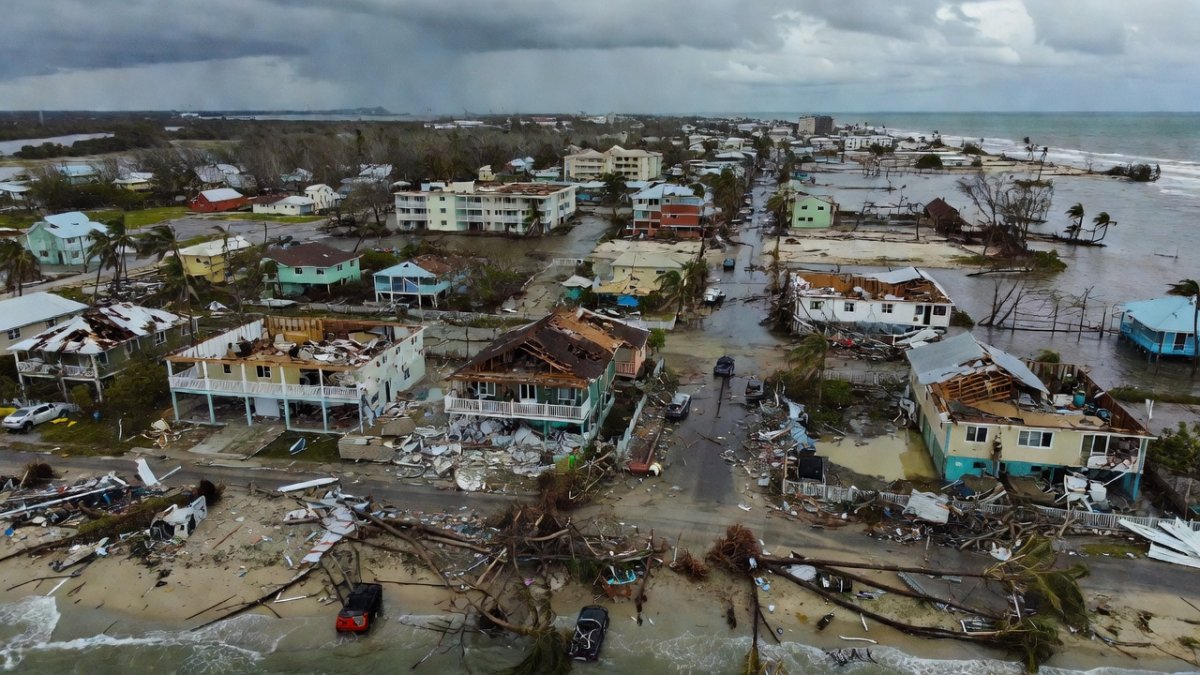
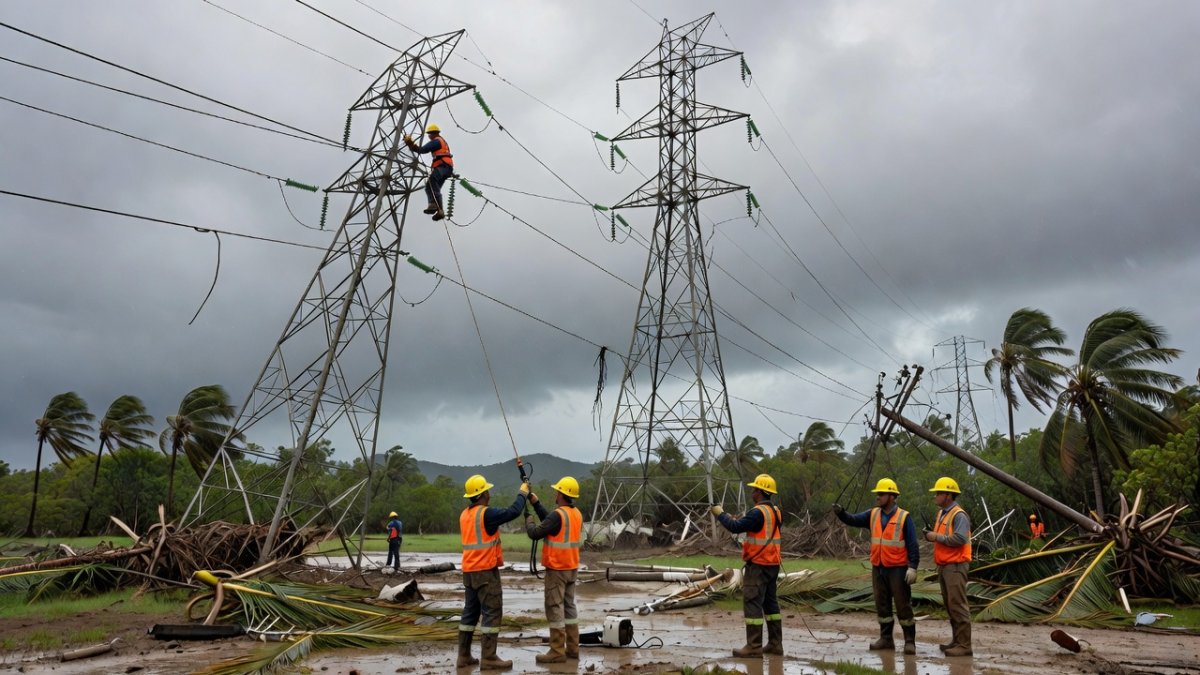
Hurricane Melissa struck Jamaica as a Category 5 storm in late October 2025 and was widely described as the storm of the century. The hurricane left 45 confirmed deaths with another 32 cases still under investigation, while causing billions of dollars in damage to homes, roads and critical infrastructure. The power grid suffered particularly heavy blows, with transmission lines downed and substations flooded across multiple parishes.
More than eight months later, the weakened state of the network remains evident. Experts note that many repairs carried out in the immediate aftermath were temporary fixes rather than permanent solutions. The Friday blackout is now widely viewed as a direct consequence of that lingering vulnerability, highlighting how one extreme weather event can continue to affect daily life long after the winds have passed.
Water supply has also been severely disrupted, with Minister Matthew Samuda confirming that 65,000 customers remain without reliable access. The combination of electricity and water shortages has placed extra strain on families already coping with higher living costs and the slow pace of insurance payouts.
Government and Opposition React to the Crisis
Prime Minister Andrew Holness has urged insurance companies to fast-track claims related to Hurricane Melissa, warning that delays are stalling the wider recovery effort. His government has welcomed an additional £5 million in humanitarian aid from the United Kingdom, which will help support emergency repairs and community relief programmes. Officials stress that these funds are being directed toward the most affected parishes first.
The opposition has seized on the blackout to push for urgent investment in renewable energy. Lawmakers argue that over-reliance on an ageing centralised grid leaves Jamaica exposed to future storms. They are calling for faster rollout of solar and wind projects that could provide more resilient, decentralised power sources for rural communities and tourism zones alike.
Both sides agree that the blackout has exposed deeper structural issues. Discussions are now underway about how CARICOM partners might share technical expertise and equipment to strengthen regional grids against increasingly severe weather patterns.
Water Shortages Add to Public Hardship
With 65,000 households still waiting for water restoration, many families have had to collect supplies from community tanks or rely on bottled water. The situation is especially difficult in hilly interior parishes where delivery trucks struggle to reach remote villages. Health officials have issued reminders about boiling water to prevent outbreaks of waterborne illness.
Minister Samuda has assured the public that crews are working around the clock to repair damaged pipelines and pumping stations. Yet the lack of electricity has slowed progress, as many pumping facilities depend on the national grid. Temporary generators have been deployed, but fuel supplies and maintenance remain ongoing challenges.
Community groups in St Elizabeth and Clarendon have organised collection points for bottled water and hygiene kits. These grassroots efforts reflect the strong neighbourly spirit that often emerges in times of crisis across the Caribbean.
Tourism Sector Shows Signs of Resilience
Despite the setbacks, Jamaica's tourism industry is demonstrating recovery. Some 300,000 visitors have arrived since Hurricane Melissa, and authorities are aiming for full restoration of pre-storm visitor numbers by December 2026. Hotels in the Ocho Rios and Negril areas report steady bookings, supported by aggressive marketing campaigns highlighting rebuilt attractions and improved safety measures.
However, the recent blackout has raised concerns among tour operators about reliability of services. Several large resorts activated backup systems quickly, yet smaller guesthouses and local restaurants faced longer outages. The Jamaica Tourist Board is working with JPS to prioritise critical tourism infrastructure during any future disruptions.
Regional partners in Barbados and Trinidad and Tobago have offered support through shared marketing initiatives, recognising that a strong Jamaican tourism season benefits the entire Caribbean economy.
Regional Energy Vulnerabilities and CARICOM Cooperation
The Jamaica blackout has prompted fresh conversations across CARICOM about the vulnerability of island energy systems to extreme weather. Trinidad and Tobago, with its own ageing infrastructure and heavy dependence on natural gas, is watching developments closely. Officials there have begun reviewing contingency plans for potential storm-related disruptions to power and water supplies.
Climate change is making such events more frequent and intense for small island developing states. Rising sea levels and stronger hurricanes threaten coastal substations and transmission corridors throughout the region. Experts argue that greater investment in underground cabling, micro-grids and renewable sources is essential to protect communities and economies.
CARICOM energy ministers are scheduled to meet later this month to discuss joint procurement of emergency equipment and harmonised standards for resilient infrastructure. Trinidad and Tobago's experience with Atlantic LNG and renewable pilot projects could offer useful lessons for Jamaica's transition.
Building a More Resilient Future
The events of the past week serve as a stark reminder that recovery from a major hurricane is a long-term process. While power has been restored to most customers, the underlying weaknesses in the grid must be addressed if Jamaica is to withstand the next major storm. Investment in diversified energy sources and stronger transmission networks will be critical.
Communities across the island continue to demonstrate remarkable resilience, supporting neighbours and sharing resources in the true Caribbean tradition. With continued regional cooperation and steady progress on insurance claims and infrastructure repairs, Jamaica can emerge stronger from this difficult period.
As featured on One Caribbean Television's Spotlight Caribbean programme, the story underscores how interconnected our islands remain when facing shared challenges of climate and infrastructure.
By Sharon Sahatoo, Staff WriterThis article was produced with AI-assisted research and editorial support. Reporting is based on sources cited in the article.
What's Your Reaction?
 Like
0
Like
0
 Dislike
0
Dislike
0
 Love
0
Love
0
 Funny
0
Funny
0
 Wow
0
Wow
0
 Sad
0
Sad
0
 Angry
0
Angry
0

Caribbean Correspondent at Global1.News. Based in Port of Spain, Trinidad, covering Caribbean politics, economy, energy, climate, and culture. Amplifying the voices and stories of the Caribbean region.










Comments (0)