
Delhi HC Orders Wangchuk Transfer to Medanta Hospital
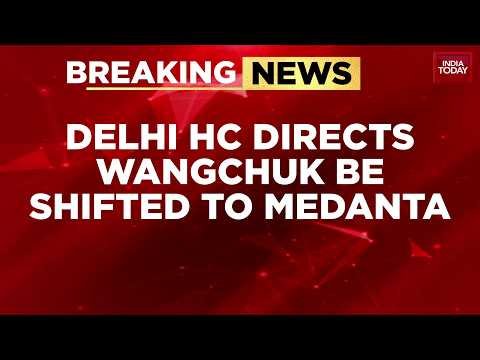
Introduction On 21 July 2026 the Delhi High Court ordered the immediate transfer of 59-year-old climate activist Sonam Wangchuk from Safdarjung Hospital to Medanta Hospital in Gurugram. A specialist medical panel will now oversee his care. The decision follows 21 days of hunger strike at Jantar Mantar demanding resolution of the NEET-UG 2026 paper leak and constitutional status for Ladakh.
Introduction
On 21 July 2026 the Delhi High Court ordered the immediate transfer of 59-year-old climate activist Sonam Wangchuk from Safdarjung Hospital to Medanta Hospital in Gurugram. A specialist medical panel will now oversee his care. The decision follows 21 days of hunger strike at Jantar Mantar demanding resolution of the NEET-UG 2026 paper leak and constitutional status for Ladakh.
The Court Order
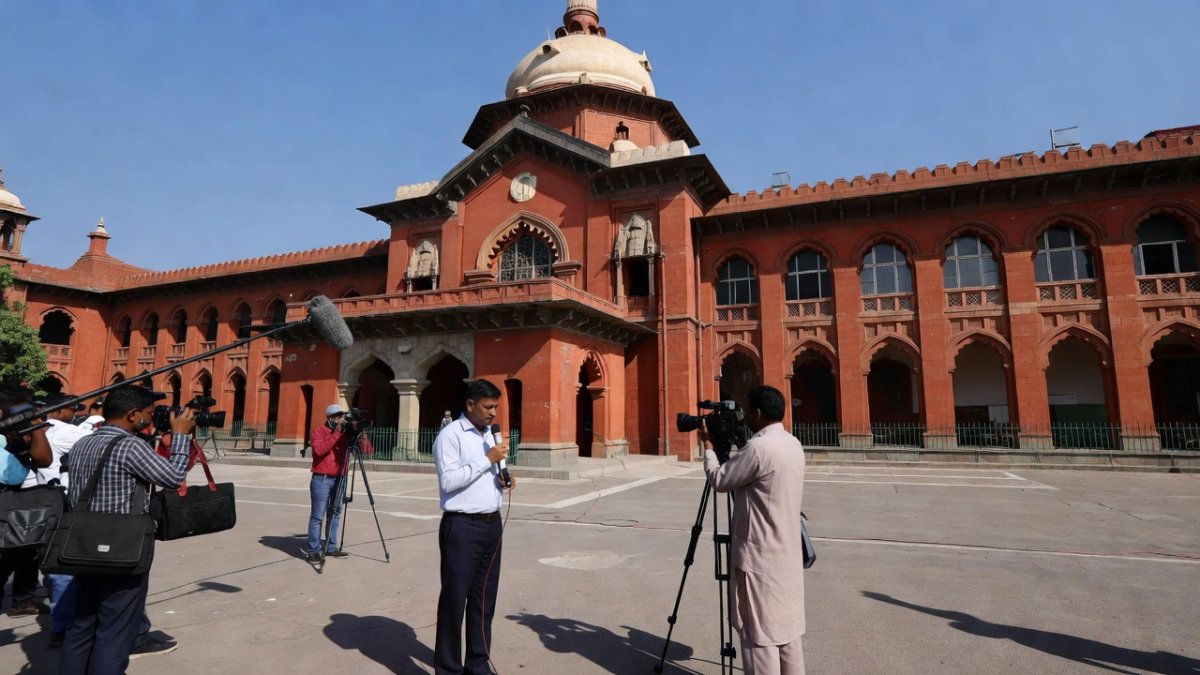
The Division Bench directed that all medical records move with Wangchuk to Medanta Hospital Gurugram. The High Court will continue monitoring his condition. Medanta must constitute a dedicated team of specialists. This order supersedes the Single Judge ruling of 19 July that had upheld government care at Safdarjung Hospital.
Timeline of Events
Wangchuk began his indefinite fast around 28 June 2026 at Jantar Mantar. On 18 July, Day 21, Delhi Police shifted him to Safdarjung Hospital under prior High Court directions. The Division Bench had already flagged his condition as perilous on 16 July. Today’s order completes the shift to private tertiary care in Gurugram, reflecting rapid judicial response to clinical deterioration.
Medical Concerns
Doctors recorded blood glucose at 67 mg/dL, serum potassium at 2.9 mmol/L, dehydration, metabolic imbalance and elevated ketones. A conflicting sample later showed potassium at 3.5 mmol/L. Wangchuk refused intravenous fluids, oral rehydration salts and medication despite repeated counselling. These values indicate immediate risk of cardiac arrhythmia and renal complications common in prolonged fasting cases handled by Indian government hospitals.
During a prolonged hunger strike exceeding 21 days, the human body undergoes profound metabolic shifts beginning with glycogen depletion within 24–48 hours, followed by accelerated lipolysis and ketogenesis. This state of ketosis produces ketone bodies as an alternative fuel source, yet it simultaneously triggers severe electrolyte imbalances as sodium, potassium, and magnesium are lost through urinary excretion and reduced intake. Organ systems experience mounting stress: the heart faces arrhythmia risk from hypokalemia, the kidneys suffer from dehydration-induced prerenal azotemia, and skeletal muscle atrophies while the immune response weakens. In Wangchuk’s case, recorded glucose of 67 mg/dL and potassium of 2.9 mEq/L exemplify this cascade, placing him in the critical range where ventricular arrhythmias, paralysis, and respiratory failure become imminent without intervention.
Hypokalemia at 2.9 mEq/L is particularly dangerous because potassium regulates cardiac membrane potential; levels below 3.0 mEq/L frequently precipitate life-threatening torsades de pointes or ventricular fibrillation. Muscle weakness progresses to flaccid paralysis, and diaphragmatic involvement can necessitate mechanical ventilation. The conflicting later reading of 3.5 mEq/L may reflect refeeding or lab variation, yet it does not erase the documented nadir that justified urgent tertiary transfer. Indian Council of Medical Research (ICMR) guidelines on hunger-strike management emphasize serial electrolyte monitoring, non-coercive nutritional counseling, and avoidance of force-feeding unless the patient lacks decision-making capacity, underscoring that autonomy must be respected even when refusal risks death.
Legal Arguments
Kapil Sibal argued that the right to choose one’s physician forms part of Article 21. The state countered that its duty to preserve life overrides individual preference when a citizen is not under formal detention. The Single Judge had accepted this view on 19 July. The Division Bench today balanced both positions by ordering monitored care at Medanta while retaining judicial oversight.
Indian constitutional jurisprudence has long grappled with the tension between an individual’s right to bodily autonomy and the state’s positive obligation to preserve life under Article 21. In hunger-strike litigation, courts must decide whether the right to refuse medical treatment constitutes a protected liberty interest or whether the state may override that choice when death appears imminent. The Delhi High Court’s shift from upholding Safdarjung care on 19 July to ordering transfer on 21 July illustrates this evolving balance: judicial oversight is retained while accommodating the petitioner’s preference for private physicians, thereby avoiding outright endorsement of either absolute autonomy or absolute state control.
Conflicting potassium reports—2.9 mEq/L versus 3.5 mEq/L—exposed deeper trust deficits between protesters and government hospitals. Kapil Sibal’s submissions framed the right to choose one’s physician as integral to Article 21’s guarantee of personal liberty, arguing that perceived institutional bias undermines therapeutic alliance. The Division Bench’s order effectively validated this position by mandating a specialist panel at Medanta while preserving judicial monitoring, a pragmatic compromise that sidesteps the Single Judge’s earlier deference to state facilities. Such reasoning echoes earlier medical-autonomy disputes, including cases involving Jehovah’s Witnesses refusing blood transfusions and terminally ill patients seeking withdrawal of life support, where courts have increasingly prioritized informed refusal over paternalistic intervention.
Family’s Stand
Dr Gitanjali Angmo, Wangchuk’s wife, alleged that police personnel remained inside his Safdarjung room and monitored private conversations. She welcomed the Medanta transfer but demanded full transparency of all reports. The family continues to seek independent medical assessment consistent with precedents set by AIIMS in similar high-profile cases.
What This Means for India
The ruling directly affects how Indian authorities manage hunger strikes linked to education scandals such as the NEET-UG 2026 paper leak and regional autonomy demands in Ladakh. It sets a practical template for transferring patients from overburdened facilities like Safdarjung to centres with advanced electrolyte management. Students and protesters across Delhi, Jammu & Kashmir and Ladakh now have clearer expectations about medical autonomy during civil action. Taxpayers will note the additional cost of private care under court supervision, while the healthcare framework gains a precedent for balancing life preservation with informed consent.
The Wangchuk episode exposes systemic gaps in India’s mental-health and custodial-medicine infrastructure. Prolonged fasting among political protesters frequently occurs without standardized psychiatric screening or continuity of care once hospitalization begins. The High Court’s insistence on a multidisciplinary specialist panel at Medanta underscores the need for protocols that integrate endocrinology, cardiology, and psychiatry while respecting autonomy. Without such frameworks, government hospitals risk being viewed as instruments of state control rather than neutral caregivers, eroding public confidence in institutional medicine.
The NEET-UG 2026 paper-leak scandal, affecting 2.4 million aspirants, forms the immediate backdrop to Wangchuk’s dual protest. Ladakh’s unresolved demand for constitutional safeguards under the Sixth Schedule adds a regional dimension, linking educational injustice with federal asymmetry. The court’s evolving stance—from denial of transfer on 19 July to approval on 21 July—demonstrates judicial agility in responding to rapidly deteriorating clinical data and mounting public scrutiny. This responsiveness may encourage future litigants to seek expedited medical review rather than prolonged confrontation.
The Bottom Line
Wangchuk’s transfer to Medanta Hospital Gurugram marks a judicial pivot toward specialist oversight in politically sensitive medical cases. The Delhi High Court’s continued monitoring ensures accountability. Outcomes will shape future protocols for NEET-related protests and Ladakh’s constitutional demands well into 2027, reinforcing the intersection of health rights, federal equity, and educational accountability as central challenges for Indian governance.
— By Dr. Raj Patel, Staff WriterThis article was produced with AI-assisted research and editorial support. Reporting is based on sources cited in the article.
What's Your Reaction?
 Like
0
Like
0
 Dislike
0
Dislike
0
 Love
0
Love
0
 Funny
0
Funny
0
 Wow
0
Wow
0
 Sad
0
Sad
0
 Angry
0
Angry
0

India/South Asia Correspondent at Global1.News. Analytical voice with a background in science and health journalism. Based in New Delhi, covering Indian politics, education, healthcare, technology, and policy. Breaks down complex data into clear, actionable reporting.














Comments (0)