
Gilda Lozoya Arrested at AICM for Pemex Money Laundering
**Keywords:** Gilda Susana Lozoya, Emilio Lozoya, Pemex, Odebrecht, Agronitrogenados, FGR, money laundering, Claudia Sheinbaum, AICM arrest, Ernestina Godoy, fertilizer plant scandal, asset forfeiture The Arrest at AICM FGR agents detained Gilda Susana Lozoya Austin on July 2, 2026, moments after she arrived on a flight from Amsterdam at Mexico City International Airport. The o
The Arrest at AICM
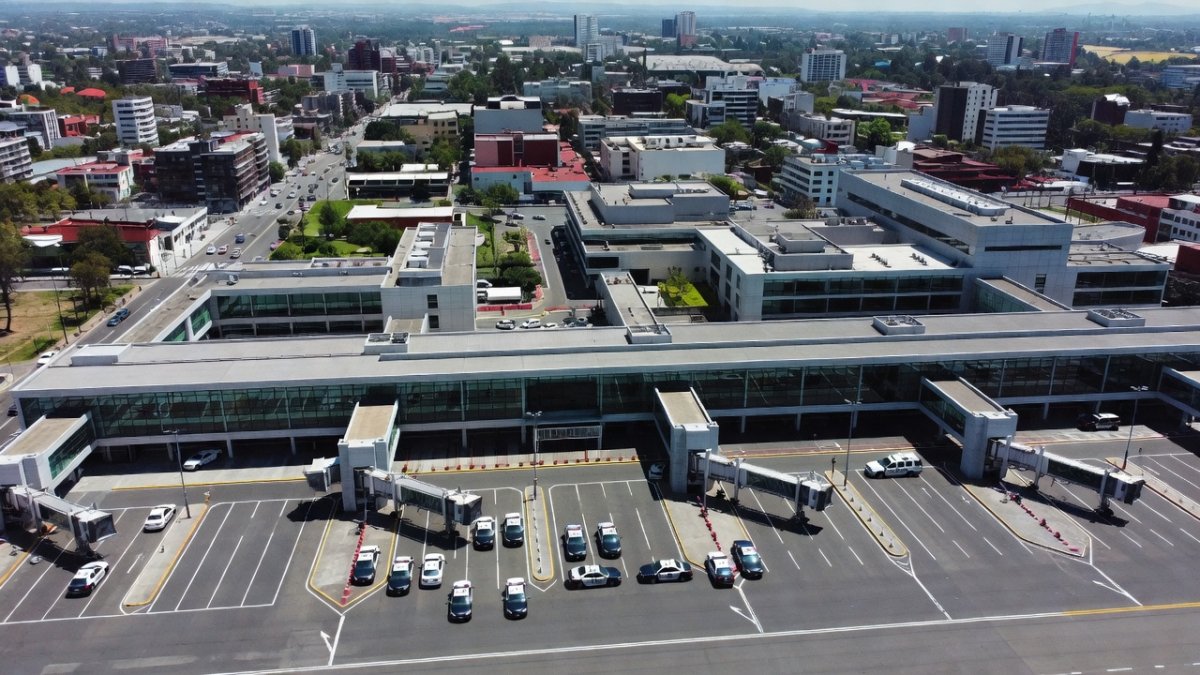
FGR agents detained Gilda Susana Lozoya Austin on July 2, 2026, moments after she arrived on a flight from Amsterdam at Mexico City International Airport. The operation took place in the international arrivals area, where officers approached her with an arrest warrant that had been active since 2020. She had remained a fugitive for roughly six to seven years before this encounter.
Airport staff and travelers witnessed the quiet but firm detention as agents escorted her away from the baggage claim area. The warrant stemmed from ongoing investigations into financial movements connected to her family. This arrest marked the first public action against her after years of absence from Mexican soil.
Family members in Mexico learned of the detention through official channels later that evening. The timing, just after her arrival, underscored the FGR’s continued monitoring of international flights linked to the case. Communities across the capital followed the news closely, aware of how such cases touch the reputation of national institutions.
The Charges
Gilda Susana Lozoya faces accusations of money laundering, specifically operaciones con recursos de procedencia ilícita. Prosecutors tie these charges to bribes allegedly received by her brother Emilio Lozoya during his time as Pemex director from 2012 to 2016 under President Enrique Peña Nieto. The case centers on the controversial purchase of the Agronitrogenados fertilizer plant at an inflated price.
Investigators allege she received 3.1 million dollars through the company Tochos Holding Limited. This transaction forms part of the broader pattern of financial flows examined in both the Agronitrogenados and Odebrecht matters. The FGR maintains that these resources originated from illicit activities involving Pemex contracts.
The Agronitrogenados deal has long drawn scrutiny for its impact on the state oil company’s finances. Ordinary Mexicans who rely on stable fuel and fertilizer prices have felt the ripple effects of such transactions over the years. The charges against Gilda Susana Lozoya bring renewed attention to how these funds allegedly moved through family-linked entities.
The Lozoya Family Network
Emilio Lozoya was arrested with significant attention in Spain in 2020 and extradited to Mexico in 2021. His case remains stalled in the courts, with a move to house arrest granted in 2024 while he awaits trial. The family’s legal matters extend beyond Emilio to include brief detention of their mother, Gilda Margarita Austin, by Interpol in Germany on money-laundering suspicions.
Properties in Europe belonging to Emilio’s ex-wife, Marielle Helene Eckes, have also been subject to raids by authorities. The FGR has successfully obtained asset forfeiture of Emilio’s Mexico City mansion, valued at nearly three million dollars. These actions illustrate the wide net cast across family holdings in multiple countries.
Residents in neighborhoods near the forfeited property have watched the legal proceedings with interest, noting how high-profile cases intersect with everyday urban life. The family network’s international reach highlights the cross-border nature of the investigations. Each development affects not only the Lozoyas but also public trust in accountability processes.
Sheinbaum Administration Response
President Claudia Sheinbaum stated on July 3 that the case is not politically motivated. She cited assurances from Attorney General Ernestina Godoy that the FGR possesses solid evidence to support the charges. The administration has emphasized that the investigation follows established legal channels within the Fiscalía General de la República.
During her court appearance, Gilda Susana Lozoya claimed she was a victim of political prosecution. Officials from the Sheinbaum administration have countered such assertions by pointing to the continuity of evidence gathered over several years. This position aligns with the government’s broader commitment to addressing legacy corruption cases without selective targeting.
Public discussions in markets and community gatherings across Mexico City have reflected both skepticism and hope that the process remains impartial. Families who depend on transparent governance see these statements as signals about how future cases may unfold. The administration continues to stress the independence of the FGR under Ernestina Godoy’s leadership.
A Stalled Pursuit of Justice
The Odebrecht scandal in Mexico has not produced any convictions despite years of investigation. The case involving Gilda Susana Lozoya and her brother has moved slowly through the judicial system, with procedural steps extending over multiple administrations. An initial arrest warrant issued in 2020 remained unexecuted until her arrival at AICM in 2026.
Courts have handled related matters with deliberate pacing, including the transition of Emilio Lozoya to house arrest in 2024. Legal observers note that complex financial investigations require extensive documentation and international cooperation. This measured approach has left many questions unanswered for affected communities.
Teachers, healthcare workers, and small business owners in rural areas often express frustration over the length of such proceedings. They connect delays to broader challenges in recovering public resources. The FGR continues its work under Ernestina Godoy, focusing on building cases that can withstand judicial review.
Impact on Mexican Communities
The inflated purchase of the Agronitrogenados plant placed additional strain on Pemex finances, resources that ultimately belong to the Mexican people. Families in colonias and agricultural regions have faced higher costs for fuel and fertilizers as a result of these financial decisions. Campesinos and small business owners feel these pressures most directly in their daily operations.
Indigenous communities and migrant workers also experience the downstream effects when state enterprises operate under financial stress. The asset forfeiture of the Mexico City mansion represents one attempt to recover value, yet broader questions remain about restoring public funds. Community leaders in affected areas emphasize the need for accountability that reaches ordinary households.
Healthcare workers and teachers in regional clinics and schools discuss how diverted resources limit investments in local infrastructure. These conversations reveal the human dimension behind complex financial cases. The arrest of Gilda Susana Lozoya renews attention to how such matters shape economic realities for millions of Mexicans.
The Odebrecht Shadow Across Latin America
The Odebrecht scandal involved Brazilian construction company bribes paid across multiple Latin American nations. In Mexico, the case has centered on contracts and financial arrangements during the period when Emilio Lozoya led Pemex. The lack of convictions to date stands in contrast to developments in other countries in the region.
Investigators have examined links between Odebrecht payments and the Agronitrogenados transaction. This wider context shows how one company’s practices influenced public projects throughout the hemisphere. Mexican authorities continue to pursue evidence that could connect these international threads.
Communities from northern border towns to southern rural zones have followed the scandal’s evolution, recognizing its effect on regional development. The ongoing work of the FGR reflects efforts to address these transnational issues within Mexico’s legal framework. Public awareness of the case helps sustain pressure for thorough examination.
What to Watch For
Next steps in the case against Gilda Susana Lozoya will likely include further court hearings and possible asset proceedings. The FGR may seek additional information from international partners regarding financial flows through Tochos Holding Limited. Observers will monitor how the Sheinbaum administration balances these legal actions with ongoing governance priorities.
Recovery of additional assets and clarification of the stalled Odebrecht matters remain key areas of attention. Political implications could surface during legislative sessions in the Congreso de la Unión, where members from Morena, PAN, and PRI may raise related questions. The outcome will influence public confidence in the justice system’s ability to handle complex financial cases.
Families across Mexico will continue to track developments, hoping for resolutions that strengthen institutions and support economic stability. The case connects to wider discussions about Pemex’s role in national life and the protection of public resources. As proceedings advance, communities remain engaged in the pursuit of accountability.
Tags: Gilda Susana Lozoya, Emilio Lozoya, Pemex, Odebrecht, Agronitrogenados, FGR, money laundering, Claudia Sheinbaum, AICM, Ernestina Godoy
By Rosa Martinez, Staff Writer
This article was produced with AI-assisted research and editorial support. Reporting is based on sources cited in the article.
What's Your Reaction?
 Like
0
Like
0
 Dislike
0
Dislike
0
 Love
0
Love
0
 Funny
0
Funny
0
 Wow
0
Wow
0
 Sad
0
Sad
0
 Angry
0
Angry
0
Latin America/Andes Correspondent at Global1.News. Based in Bogota, covering politics, environment, energy, and social movements across the Andean region. Passionate about environmental journalism and communities protecting their land.















Comments (0)