
Sheinbaum Highlights 54% Homicide Drop in Morelos
The Story Unfolds On a warm Friday morning in July 2026, President Claudia Sheinbaum brought her signature “La Mañanera del Pueblo” to the heart of Cuernavaca, Morelos. The central plaza buzzed with local families, journalists, and community leaders eager to hear updates on security improvements that many had long hoped for. Sheinbaum stood alongside Security Minister Omar García Harfuch and Marcela Figueroa Franco, head of the Secretariado Ejecutivo del Sistema Nacional d...

The Story Unfolds
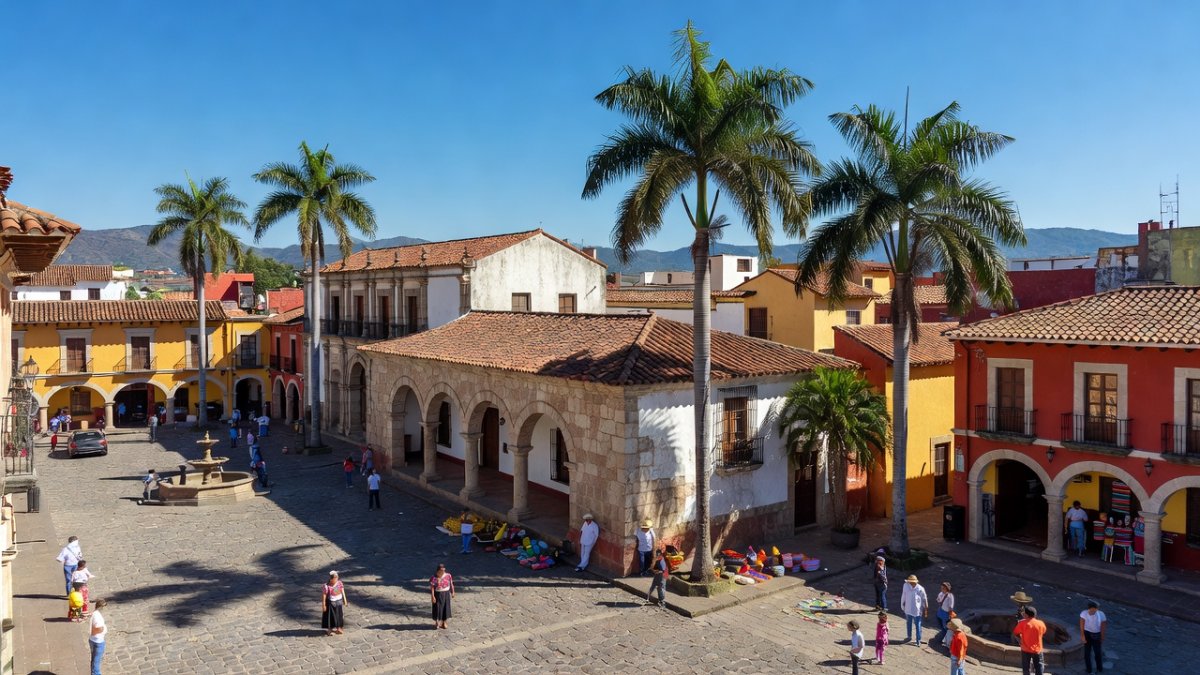
On a warm Friday morning in July 2026, President Claudia Sheinbaum brought her signature “La Mañanera del Pueblo” to the heart of Cuernavaca, Morelos. The central plaza buzzed with local families, journalists, and community leaders eager to hear updates on security improvements that many had long hoped for. Sheinbaum stood alongside Security Minister Omar García Harfuch and Marcela Figueroa Franco, head of the Secretariado Ejecutivo del Sistema Nacional de Seguridad Pública, to share encouraging numbers.
Figueroa Franco presented the latest figures showing that average daily homicides in Morelos had fallen from 3.5 in September 2024 to 1.6 by June 2026. That represents a 54 percent reduction, marking June 2026 as the lowest monthly average recorded in the state since 2019. The room erupted in applause as the data flashed on the screen, reflecting months of steady work between federal and state teams.
Tags: Claudia Sheinbaum, Morelos homicides, Plan Morelos, Mexico security, Cuernavaca mañanera, Omar García Harfuch, Temoac mayor assassination, SESNSP data
Plan Morelos in Action
The drop did not happen by chance. Sheinbaum credited the “Plan Morelos” strategy, which relies on tight coordination between the federal security cabinet and Morelos state authorities. Daily intelligence sharing, joint patrols, and targeted operations against criminal networks have produced measurable results. García Harfuch emphasized that the plan treats security as a shared responsibility rather than a top-down order.
Local residents have noticed the difference. In neighborhoods once marked by fear, families now gather in parks after sunset, and small businesses report fewer extortion attempts. The strategy also includes social programs that address the root causes of violence, such as youth employment and community centers, blending enforcement with prevention in a way that feels distinctly Mexican in its emphasis on family and neighborhood ties.
National Context
Morelos is not alone in seeing progress. Across Mexico, daily homicides have declined 49 percent since Sheinbaum took office, falling from an average of 86.9 to roughly 44.3. The national trend reflects similar coordination efforts in other states, supported by the same federal security framework. Analysts note that sustained reductions depend on continued collaboration and attention to emerging threats.
Sheinbaum pointed out that these numbers represent real lives saved and communities strengthened. While challenges remain, the data offers a foundation for further gains in public safety and trust between citizens and authorities.
The Temoac Shadow
Just two days before the mañanera, tragedy struck in the small municipality of Temoac. Mayor Valentín Lavín Moreno was gunned down inside the municipal palace by armed assailants. It was the seventh high-profile political killing in Morelos this year and the second attack on Lavín, who had survived an earlier attempt in January. The violence cast a somber note over the otherwise positive security briefing.
Morelos, a compact state of about 1.9 million people located just south of Mexico City, has faced cartel-related tensions since the July 2024 arrest of El Mayo Zambada. The recent killings underscore that progress can be fragile and that criminal groups continue to target local leaders who challenge their influence.
Impact on Mexican Communities
Behind every statistic are families like those in Cuernavaca who have lived through years of uncertainty. A 54 percent reduction means fewer mothers waiting anxiously for sons to return home, fewer empty chairs at Sunday dinners, and more children able to play outside without constant worry. In Morelos, where community life revolves around plazas, markets, and extended family gatherings, these changes restore a sense of normalcy that many had feared was lost.
Small business owners describe reopening earlier in the morning and keeping shops open later. Teachers report better attendance as parents feel safer sending children to school. The human side of the numbers reveals a quiet rebuilding of daily routines that form the backbone of Mexican society.
Reactions and Political Response
During the press conference, Sheinbaum directly addressed the Temoac assassination. She confirmed that the Fiscalía General de la República had assumed the investigation to ensure a thorough federal-level response. She expressed condolences to Lavín’s family and reiterated the government’s commitment to protecting public servants who serve their communities with courage.
Opposition voices have questioned whether the overall decline can be sustained amid continued political violence. Sheinbaum acknowledged the pain of recent losses while pointing to the broader downward trend as evidence that coordinated efforts are working. She stressed that justice for victims remains a priority alongside prevention.
What to Watch For
Looking ahead, officials will monitor whether the June 2026 low in Morelos can be maintained through the rest of the year. Upcoming monthly reports from the SESNSP will provide the next checkpoints, while the federal investigation into the Temoac killing may yield new leads on organized crime networks. Community leaders in Morelos continue to call for expanded social programs that complement security measures.
Sheinbaum’s administration has signaled it will keep refining Plan Morelos based on local feedback. For families across the state, the coming months will show whether the encouraging 54 percent drop becomes a lasting turning point or a temporary reprieve. The conversation in Cuernavaca made clear that both numbers and lived experiences matter in measuring true progress.
By Rosa Martinez, Staff Writer
This article was produced with AI-assisted research and editorial support. Reporting is based on sources cited in the article.
What's Your Reaction?
 Like
0
Like
0
 Dislike
0
Dislike
0
 Love
0
Love
0
 Funny
0
Funny
0
 Wow
0
Wow
0
 Sad
0
Sad
0
 Angry
0
Angry
0

Latin America/Andes Correspondent at Global1.News. Based in Bogota, covering politics, environment, energy, and social movements across the Andean region. Passionate about environmental journalism and communities protecting their land.















Comments (0)