
Trump Imposes Forced Labour Tariffs on Canada
In a significant escalation of trade tensions, the United States has imposed new tariffs on Canada and dozens of other countries, citing concerns over forced labour in supply chains. This move, effective July 24, 2026, replaces previous measures and threatens further duties, potentially disrupting billions in cross-border trade. Canadian officials are pushing back while preparing for economic impacts.
In a significant escalation of trade tensions, the United States has imposed new tariffs on Canada and dozens of other countries, citing concerns over forced labour in supply chains. This move, effective July 24, 2026, replaces previous measures and threatens further duties, potentially disrupting billions in cross-border trade. Canadian officials are pushing back while preparing for economic impacts.
Trump Imposes Forced Labour Tariffs on Canada
Ottawa, Ontario — Article continues...
Trump Administration Unveils New Global Tariff Regime on July 24, 2026
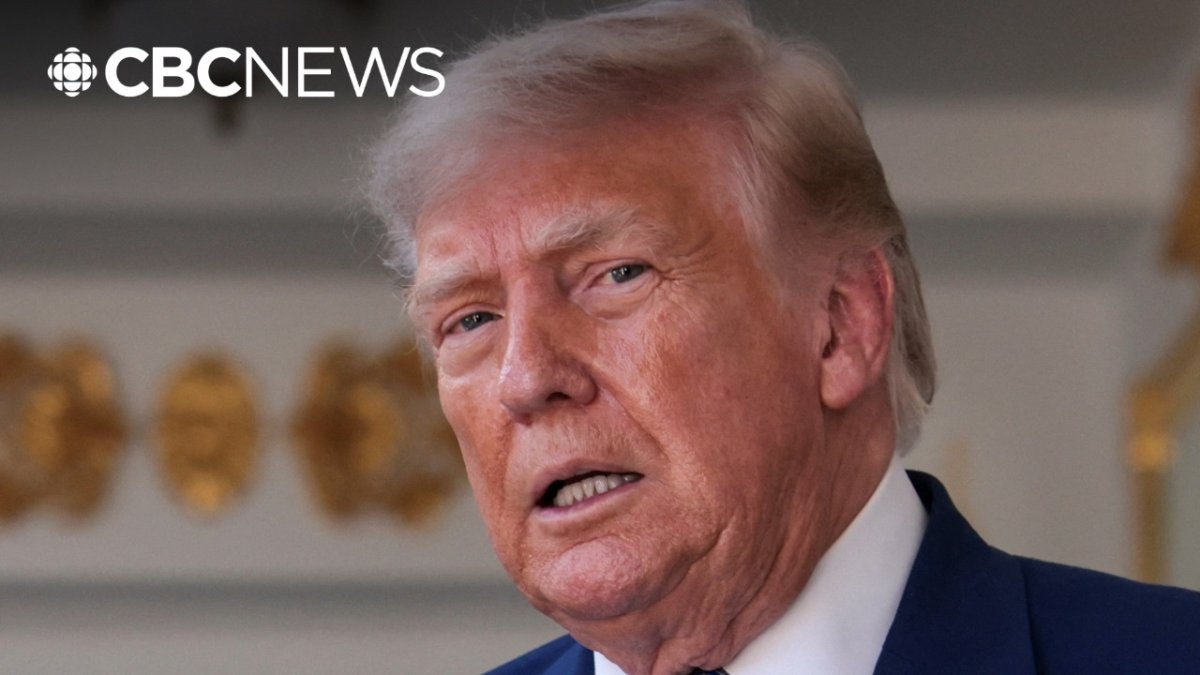
U.S. President Donald Trump imposed fresh tariffs on July 24, 2026 under Section 301 of the Trade Act of 1974, targeting Canada and 59 other economies plus the European Union for alleged failures in forced labour enforcement.
The U.S. Trade Representative completed investigations into these jurisdictions and concluded that none met American standards for preventing forced labour in supply chains.
CBC News Washington correspondent Mike Crawley detailed the announcement in a recent report, outlining how the new duties replace the temporary 10 per cent tariff imposed under Section 122 that expired at midnight on July 24.
Section 301 Tariffs Replace Earlier Measures Struck Down by Courts
The Supreme Court invalidated the original Liberation Day tariffs enacted under the International Emergency Economic Powers Act in February 2026, leaving the administration to pursue Section 301 authority instead.
U.S. Trade Representative Jamieson Greer stated that the United States has policed forced labour import bans for nearly a century and that the current action continues that longstanding policy.
The shift to Section 301 allows the administration to maintain pressure on trading partners while addressing the legal gaps identified by the Supreme Court ruling earlier this year.
Canada Receives 10 Per Cent Rate Alongside Select Partners
Canada, the European Union, the United Kingdom, Mexico, Argentina, El Salvador, Bangladesh and Pakistan face a 10 per cent tariff under the new regime.
Japan, Singapore, India, South Korea, Vietnam and 44 additional countries receive the higher 12.5 per cent rate, reflecting the U.S. Trade Representative's assessment of their forced labour enforcement records.
Canada, Mexico and the United Kingdom secured the lower rate because each maintains formal prohibitions on imports produced with forced labour, according to the U.S. Trade Representative's findings.
Canada's forced labour framework centres on the Fighting Against Forced Labour and Child Labour in Supply Chains Act, enacted in 2023, which mandates annual reports from firms with over $20 million in assets or $40 million in revenue on supply chain risks, with enforcement handled through audits and penalties reaching $10 million per violation. Dominic LeBlanc has emphasised Canada's alignment with international standards in bilateral discussions with U.S. officials. The 10 per cent Section 301 tariffs disproportionately hit the automotive sector, where billions in annual exports support hundreds of thousands of jobs, alongside agriculture shipments, forestry products and energy exports. CUSMA exemptions shield goods meeting 75 per cent North American content rules, covering an estimated 82 per cent of bilateral trade flows.
CUSMA-Compliant Exports Shielded From Immediate Duties
Canadian goods that meet the rules of origin under the Canada-United States-Mexico Agreement remain exempt from the new Section 301 tariffs.
Canada-U.S. Trade Minister Dominic LeBlanc emphasised that Canada maintains one of the world's most robust frameworks to prevent and address forced labour in its supply chains.
Prime Minister Mark Carney's government formally disputed the U.S. claim that Canadian enforcement falls short of required standards.
Industries face varied exposure, with Ontario's auto assembly plants reporting potential cost increases on components, Quebec's forestry firms tracking affected exports, and Prairie agriculture cooperatives noting disruptions to grain shipments. CUSMA qualification criteria preserve zero-tariff status for the majority under the agreement's provisions, though smaller operators face compliance costs.
Democratic Lawmaker and EU Official Question Legal Basis
Congressman Richard Neal, representing Massachusetts, described the tariffs as "a pretext for a tariff policy built on dubious legal theories."
European Union foreign policy chief Kaja Kallas stated that the forced labour justification "is not really grounded" in the evidence presented by U.S. investigators.
These criticisms highlight ongoing international scepticism about the administration's use of trade remedies to address labour practices across multiple continents.
Asian Markets Record Sharp Declines Following Announcement
The Nikkei 225 index fell 3.1 per cent, the Hang Seng dropped 11.4 per cent and the Kospi declined 6.2 per cent on the day the tariffs took effect.
Investors reacted to the broad application of duties across major Asian exporters including Japan, South Korea and Vietnam, which face the 12.5 per cent rate.
Market analysts linked the sell-off directly to concerns that the new tariffs will disrupt established supply chains serving North American consumers.
Market reactions extended beyond Asia, with the EU condemning unilateral tariff hikes as violations of WTO norms. Global supply chains may restructure toward regional blocs, with Canadian firms exploring new facilities to bypass duties.
Further 50 Per Cent Tariffs Threatened for August 19
The White House separately warned that a 50 per cent tariff on Canadian alcohol, dairy and auto sectors could take effect on August 19 if negotiations fail to resolve outstanding disputes.
Canada rejected a joint celebration of the Gordie Howe International Bridge opening in response to the August 19 threat, underscoring bilateral tensions over the proposed duties.
The additional tariffs would target sectors that together represent billions in annual two-way trade between Ontario, Michigan and other border jurisdictions.
Canada retains retaliation options such as mirroring duties on U.S. goods, drawing from previous trade disputes. Historical precedents include the softwood lumber conflict and dairy access battles under NAFTA.
White House Expands Review to 16 Additional Economies
The administration announced it is now investigating 16 more economies for excess industrial capacity that could trigger further trade actions beyond the current 59 countries plus the European Union.
This expanded probe signals that the July 24 measures may represent only the first phase of a wider tariff strategy affecting global manufacturing hubs.
Canadian exporters in steel, aluminium and advanced manufacturing sectors are monitoring the review for any spillover effects on CUSMA-integrated supply chains.
Implications for Canadian Economy and Federal Trade Strategy
The tariffs arrive as the Bank of Canada monitors inflation pressures tied to cross-border supply costs and housing affordability challenges in major urban centres.
Parliament Hill officials are preparing responses that balance defence of Canadian labour standards with the need to preserve access to the U.S. market under the existing CUSMA framework.
These developments test Canada's longstanding commitment to rules-based trade while highlighting the federal government's role in shielding domestic industries from external shocks.
Bank of Canada projections indicate that sustained tariffs could elevate core inflation. Canadian families would face heightened cost of living pressures, with modelling suggesting increased annual household expenses. Federal-provincial dynamics intensify as Alberta pushes for energy tariff carve-outs, Ontario advocates manufacturing relief, and Quebec defends dairy supply management.
These developments complicate Canada's trade diversification under CPTPP, the EU-Canada Comprehensive Economic and Trade Agreement and the Indo-Pacific strategy as U.S. tensions may redirect resources toward accelerated negotiations with other partners.
By Alex Thompson, Staff Writer
This article was produced with AI-assisted research and editorial support. Reporting is based on sources cited in the article.
What's Your Reaction?
 Like
0
Like
0
 Dislike
0
Dislike
0
 Love
0
Love
0
 Funny
0
Funny
0
 Wow
0
Wow
0
 Sad
0
Sad
0
 Angry
0
Angry
0

Canada Correspondent at Global1.News. Based in Toronto, covering Canadian politics, energy, trade, and US-Canada relations. Provides the Canadian perspective on North American and global affairs.















Comments (0)